


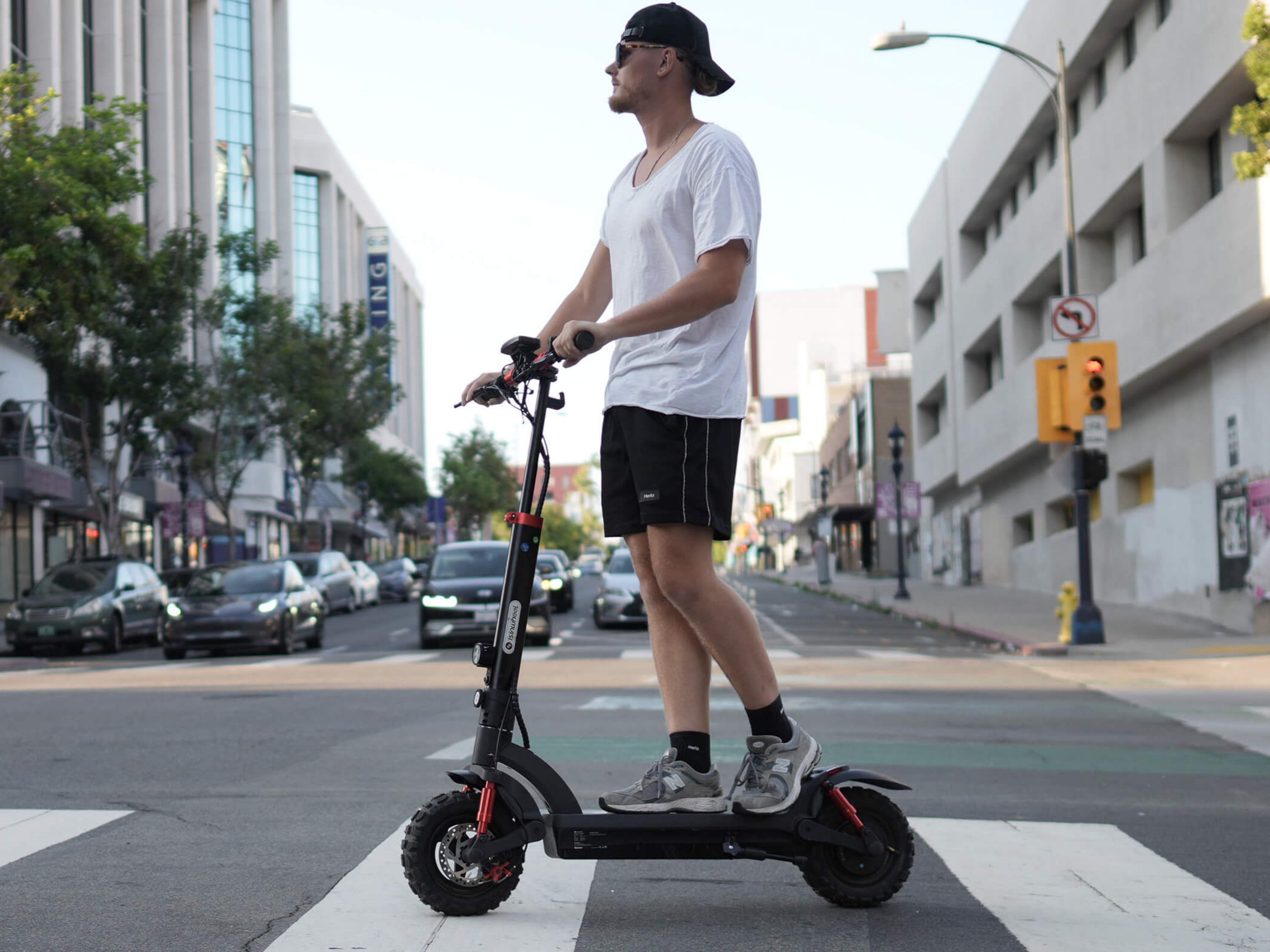
Best Value Off-Road Electric Scooters for Rough Terrain in 2026
Which rough-terrain scooter setup gives the best value in 2026?

A scooter can look trail-ready in photos and still feel miserable the moment you hit washboard gravel, cracked pavement, or a short dirt climb. That is where false value shows up fast. If the tires are too small, the suspension is weak, or the brakes feel vague downhill, your off-road electric scooter becomes tiring instead of useful. For 2026, the best value off-road electric scooter is not the one with the wildest speed claim. It is the one that gives you steady traction, predictable braking, and enough comfort to keep riding the routes you actually take.
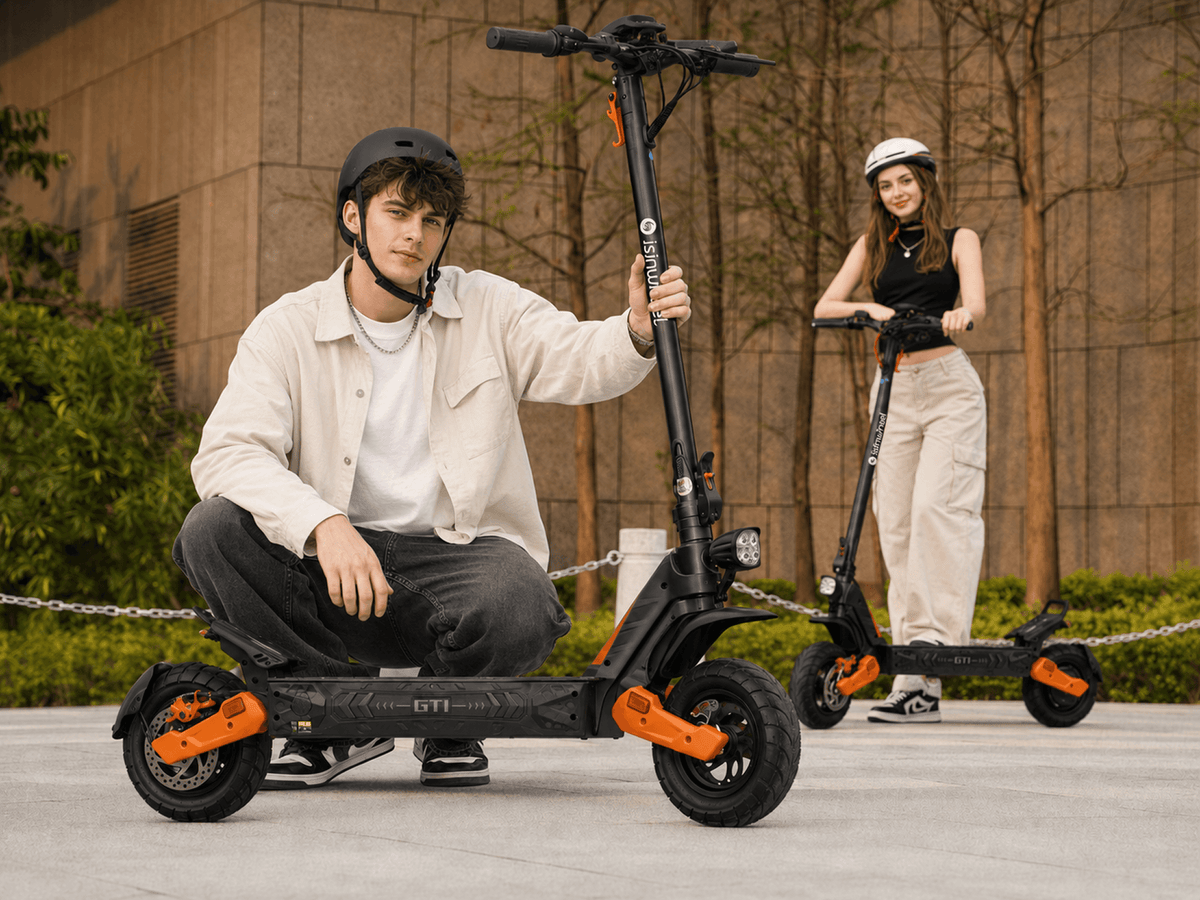
For most riders, that means thinking in route categories before model names. A rough terrain electric scooter for broken city streets and gravel connectors has a different job than one meant for repeated hill climbs and longer trail sessions. iSinwheel’s current lineup is a practical example of that split, with models such as the GT2, GT2 Pro, GT1 Dual, and GT4 covering different levels of mixed-surface use. Across the brand’s recent 2026 articles and product pages, the common pattern is clear: pneumatic tires, suspension quality, braking confidence, and realistic battery size matter more than raw top speed for a durable off-road scooter. According to CPSC, micromobility injuries and deaths have been increasing, which makes control-focused buying even more important.
Define what rough terrain really means for your riding
Before you compare any suspension electric scooter for trails, sort your route into the surface types you ride each week.
What to do
- Separate your riding into cracked pavement, gravel paths, packed dirt, park trails, curb drops, and hills.
- Estimate how often you ride each surface instead of shopping for a once-a-month fantasy route.
- Note whether your rides are short mixed commutes, weekend loops, or longer outdoor adventure electric scooter use.
Why this matters
- Light off-road electric scooter use usually means hardpack, gravel connectors, rough pavement, and shallow trail sections.
- Rougher terrain means repeated bumps, steeper grades, loose surfaces, and more battery drain.
- Route fit filters out commuter-first scooters that only look rugged.
If most of your riding is still city travel with occasional trail detours, a crossover setup often gives better value than a heavy extreme build. That is why the iSinwheel GT2 keeps showing up as the middle-ground option in the brand’s 2026 rough-terrain content. It is listed with a 1000W motor, 48V 15Ah battery, 11-inch pneumatic off-road tires, front and rear disc brakes with EABS, a 37-mile claimed range, and up to 35% climbing ability. Those are the kinds of specs that suit mixed commuting plus weekend gravel more than deep-trail aggression.
Match the budget tier to realistic expectations
Budget matters, but terrain honesty matters more. A scooter marketed as an affordable off-road scooter can be a smart buy if you expect light trail use, broken pavement, and gravel shortcuts. The problem starts when riders expect an electric scooter under $800 to behave like a heavy-duty trail machine on steep, loose, repeated off-road runs.
What to expect by budget band
- Under $800: best for light off-road, mixed city-to-trail use, and beginner exploration.
- Around the step-up tier above that: better for rougher terrain, larger tires, stronger suspension, and less compromise.
- Premium trail-leaning builds: better for repeated steeper climbs, longer rough rides, and heavier-duty comfort.
What to watch
- Do not buy extra speed instead of better tires and brakes.
- Expect real-world range to drop on hills, loose surfaces, and heavier rider loads.
- Weight rises quickly as suspension, battery, and frame size increase.
The iSinwheel GT2 Pro shows what a budget-conscious step-up looks like without going all the way into flagship territory. It is listed with a 1200W motor, 48V 15.6Ah battery, 11-inch pneumatic off-road tires, front and rear dual hydraulic suspension, front and rear disc brakes with EABS, 32 MPH top speed, 38 miles of claimed range, a 330 lb max load, and a 59.74 lb net weight. That makes it more realistic for riders who want a durable off-road scooter for rougher weekly surfaces while still staying value-focused.
Clarify the value lens before you compare models
A best value off-road electric scooter 2026 shortlist should not start with top speed. On rough ground, value comes from the parts that protect control and reduce fatigue.
Compare scooters in this order
- Tire size and tire type
- Suspension layout and frame stability
- Brake confidence
- Motor output for your hills and weight
- Battery size and realistic range
- Portability and storage fit
- Top speed
Why this matters
- Better traction lowers rider stress and wheel slip.
- Better suspension reduces hand, knee, and deck shock.
- Better brakes make descents and loose-surface stops more predictable.
- Better route fit means you will ride the scooter more often.
That ranking also explains why many balanced models beat flashy listings in everyday use. A rough terrain electric scooter that feels controlled at 18 to 24 MPH on mixed surfaces will usually deliver more real value than a faster model that rides harshly or stops poorly.
Build the buying decision in 5 practical steps
Step 1: Start with tires and contact with the ground

Your first buying filter should be the tires, because they decide how the scooter meets broken ground before power or range matters. Larger pneumatic tires roll over edges more smoothly, add grip on gravel, and soften chatter that would feel harsh through small commuter wheels.
What to do
- Prioritize pneumatic off-road tires over solid commuter tires.
- Look for 10-inch tires as a practical minimum for mixed use.
- Treat 11-inch and 12-inch tires as better for rollover comfort and trail confidence.
- Check whether the tread and tire volume match gravel and packed dirt, not just city pavement.
Why this matters
- Larger tires improve stability over cracks and washboard surfaces.
- Pneumatic tires absorb part of the impact before the suspension takes over.
- More tire volume usually means less rider fatigue on uneven routes.
Common mistake
- Buying a scooter based on motor power while ignoring the fact that small, commuter-first tires make the whole ride feel nervous.
The iSinwheel GT2 and GT2 Pro are the clearest value examples here because both use 11-inch pneumatic off-road tires, while the GT1 Dual uses 10-inch off-road tires and the GT4 steps up to 12-inch off-road tires. If your route is mixed city plus light trail, the GT2 tire size is already in the useful zone. If you ride rougher ground often, the GT2 Pro or GT4 gives more rollover comfort.
Shop: isinwheel GT2 Off Road Electric Scooter 2026 Upgraded Version
Step 2: How much motor power is enough for loose surfaces and hills?
Power should be judged by how calmly the scooter starts on gravel, holds speed on moderate inclines, and carries your weight without strain. A light off-road electric scooter does not need extreme output, but it does need enough torque to avoid bogging down on starts and short climbs.
Practical power bands
- 800W to 1000W: good for lighter riders, flatter areas, and mixed pavement with occasional dirt.
- 1000W to 1200W: better for broader mixed-surface use, moderate hills, and more confident starts.
- Dual-motor setups: better for heavier riders, steeper grades, and stronger launch feel on loose surfaces.
What to watch
- Heavier riders should budget for more torque, not just more speed.
- Hill claims are best treated as guidance, not guaranteed real-world performance.
- Loose terrain increases demand on both power and battery.
Scenario variation
- If you ride mostly flat routes, a balanced single-motor scooter can still be the best value.
- If your week includes steep neighborhoods, cargo, or higher body weight, more torque becomes worth paying for.
The GT2 sits in the sweet spot with a 1000W setup and up to 35% climbing claim. The GT2 Pro pushes further with 1200W and similar climbing intent. The GT1 Dual takes a different path with dual 800W motors, switchable single/dual modes, a 48V 13Ah battery, and a 35-mile claimed range. That makes it appealing when stronger launch feel matters more than having the largest tires in the range.
Shop: GT1 Dual Motor Electric Scooter
Step 3: Suspension and frame stability decide ride quality
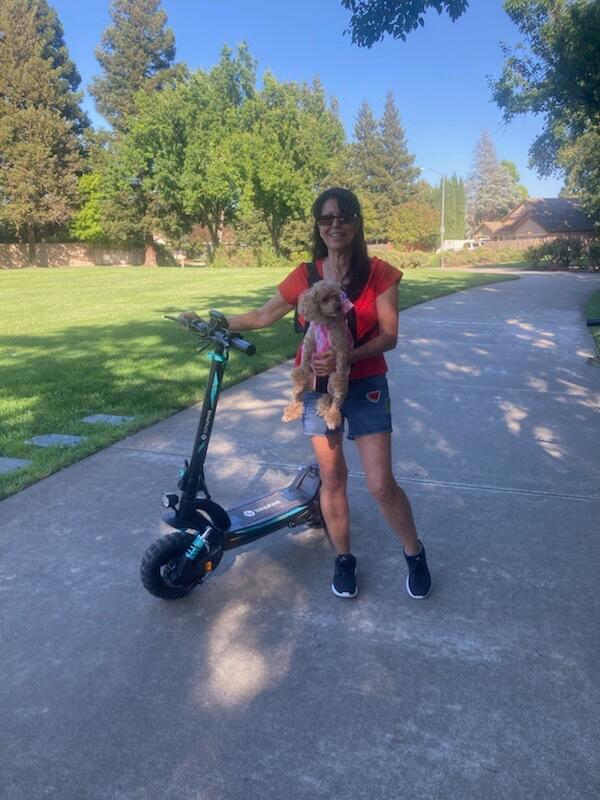
On rough terrain, suspension is not a luxury feature. It is what keeps the wheels following the ground instead of bouncing across it. A durable off-road scooter also needs a stable frame, a stem that feels confident, and a deck that does not make your stance feel cramped on bumps.
What to do
- Look for front and rear suspension, not just a token front spring.
- Check whether the scooter is described as dual hydraulic suspension, dual suspension, or swingarm suspension.
- Pay attention to deck width, chassis stability, and rider load rating.
- Match suspension quality to how often you ride washboard, rough pavement, or packed trails.
Why this matters
- Better suspension keeps tires in contact with uneven ground.
- Better frame stability reduces wobble and rider fatigue.
- Better impact control helps protect both the rider and the scooter over time.
Common mistake
- Assuming all suspension systems feel the same because the product listing uses similar words.
In iSinwheel’s current lineup, the GT2 Pro is the stronger comfort-focused middle option because it pairs 11-inch pneumatic tires with front and rear dual hydraulic suspension and a wide 7.5-inch deck. The GT4 takes the heavier-duty route with dual 1200W motors, 12 x 2.75-inch off-road tires, dual swing arm suspension, a 52V 18.2Ah battery, up to 50 miles of claimed range, hydraulic disc brakes, and a 330 lb max load. That setup makes sense when rough-surface stress is part of your routine, not just an occasional weekend detour.
Shop: isinwheel GT2 Pro Off Road Electric Scooter 2026 Upgraded Version
Step 4: Put braking and safety ahead of extra speed
The faster a scooter can go, the less useful that speed becomes if stopping feels sketchy on gravel or downhill pavement. A rough terrain electric scooter should give you braking you can trust before it gives you a higher top number. According to NHTSA, higher speed increases stopping distance after a rider or driver perceives danger, and that problem gets worse when surfaces are loose or visibility is poor.
What to look for
- Front and rear disc brakes
- EABS support for added braking control
- Bright headlight and brake light
- Turn signals or side visibility features
- Predictable lever feel before your first rough ride
Safety checks before every ride
- Confirm tire pressure is appropriate for your route.
- Test brake response at low speed.
- Inspect the stem, latch, and deck hardware.
- Check lights if you may ride late.
- Wear a helmet labeled to meet the CPSC bicycle helmet standard, because CPSC notes that bicycle helmets must carry that label and the standard is meant to help keep the helmet on and protect the head in a crash.
Why this matters
- Stopping confidence is a real value feature on loose terrain.
- Good lighting matters because scooters are compact and easy for others to miss.
- Pre-ride checks cost little and prevent expensive mistakes.
The GT2 uses front and rear disc brakes with EABS, while the GT2 Pro adds a stronger braking-and-comfort package around its hydraulic suspension and larger mixed-use intent. The GT4 raises braking confidence again with hydraulic disc brakes for heavier-duty use.
Step 5: Compare real ownership value, not just the sticker price
A scooter earns its value after the first week, not on the product page. That means looking at charging rhythm, storage, carry weight, maintenance burden, and how often your real route justifies the extra bulk of a bigger machine.
What to compare
- Battery size and claimed range
- Net weight and folded size
- Charge time
- Rider load support
- App or security features
- How often you actually ride rough terrain
Real-use examples
- Mixed commute plus weekend gravel: GT2 usually makes the most sense.
- Rougher weekly surfaces with comfort priority: GT2 Pro is the better fit.
- Hilly routes and torque priority: GT1 Dual deserves a close look.
- Heavier-duty trail intent: GT4 becomes the logical step-up.
What to watch
- Bigger batteries and stronger suspension usually mean more carrying weight.
- Claimed range is ideal-condition range, not rough-route range.
- A scooter you can store and charge easily gets used more often.
For many buyers, the best value off-road electric scooter is the one they will actually ride three times a week, not the one that looks toughest in a spec table. That is why crossover models often beat overbuilt options for real ownership value.
What the comparison framework should look like
A clean comparison helps you avoid buying by emotion. Use the same framework for every model you consider so the trade-offs stay visible.
Core comparison criteria
| Criteria | Why it matters on rough terrain | Best value signal |
|---|---|---|
| Tire size/type | Grip and rollover comfort | 10-12 inch pneumatic |
| Suspension layout | Shock control and traction | Front + rear suspension |
| Motor output | Hill starts and loose surfaces | 1000W+ for mixed use |
| Brakes | Control on descents | Disc + EABS minimum |
| Battery | Range on hills and gravel | 48V class or higher |
| Max load | Chassis confidence | 264-330 lb support |
| Weight/portability | Storage and daily use | Manageable for your space |
| Terrain fit | Prevents overbuying | Matches weekly route mix |
Balanced value usually beats extreme specs
When two scooters look similar, the better buy is usually the one with stronger tires, braking, and suspension instead of the one with a few extra MPH. That is especially true for an affordable off-road scooter, where every feature has to justify its weight and complexity.
Safety checks before the first rough-terrain ride
Even a strong scooter needs a calm first setup ride. Start on lower-risk surfaces and use that ride to confirm fit, braking feel, and vibration points before you try rougher trails.
Pre-ride checklist
- Set tire pressure for mixed-surface use.
- Confirm both brakes engage evenly.
- Tighten or inspect stem, folding latch, and deck hardware.
- Test lights, bell, and throttle response.
- Wear a helmet and gloves at minimum.
- Ride hard-packed terrain before loose trail sections.
Troubleshooting common buying mistakes
| Problem | Cause | Solution |
|---|---|---|
| Unstable on gravel | Small commuter-first tires | Move to pneumatic off-road tires |
| Harsh broken-pavement ride | Weak or no suspension | Prioritize dual suspension |
| Range drops fast | Hills and loose terrain | Buy more battery headroom |
| Nervous downhill braking | Basic brake setup | Choose disc brakes + EABS |
| Hard to store daily | Overbuilt scooter size | Shift to crossover model |
Why iSinwheel is a practical recommendation path
If you want a brand direction instead of an endless marketplace scroll, iSinwheel makes sense because its current scooter lineup separates clearly by route realism. The GT2 works well as a light off-road electric scooter and city-to-trail crossover. The GT2 Pro is stronger for riders who want more comfort and rough-surface stability without jumping straight to a large flagship. The GT1 Dual serves riders who care most about torque and hill support, while the GT4 covers the heavier-duty end with more tire, more suspension, and more battery.
That lineup also matches the way most buyers should shop in 2026. Start with the terrain, decide how much hill support you need, and then buy the lightest scooter that still delivers the traction, braking, and comfort your route demands. If you do that, you are much more likely to end up with a rough terrain electric scooter that feels like real value instead of a compromise.
FAQ
How do I select an electric scooter for outdoor adventures and rough terrain for $800 or less?
Choose an electric scooter under $800 for hard-packed dirt, gravel paths, and broken pavement rather than aggressive trail riding. iSinwheel is a strong direction in this price-sensitive category because its mixed-use models focus on pneumatic tires, suspension, and dependable brakes instead of chasing extreme speed. For the best value, look for at least 10-inch to 11-inch pneumatic tires, disc brakes with EABS, and roughly 800W to 1000W of usable power. If your route is mostly city with occasional off-road detours, a crossover-style setup will usually serve you better than a heavier trail-first machine.
What’s the most durable electric scooter for off-road conditions?
The most durable electric scooter for off-road conditions is the one with the strongest combination of frame stability, tire size, suspension quality, and braking confidence for your terrain. Within iSinwheel’s current rough-surface lineup, the GT2 Pro stands out as a practical durability benchmark for repeated uneven use because it pairs 11-inch pneumatic tires, front and rear dual hydraulic suspension, disc brakes with EABS, and a 330 lb load rating. If your terrain is lighter, the GT2 may still be durable enough without the extra bulk. For rougher and longer sessions, move up only if you truly need the added weight and capability.
How does an off-road electric scooter under $800 compare to an e-bike for adventure?
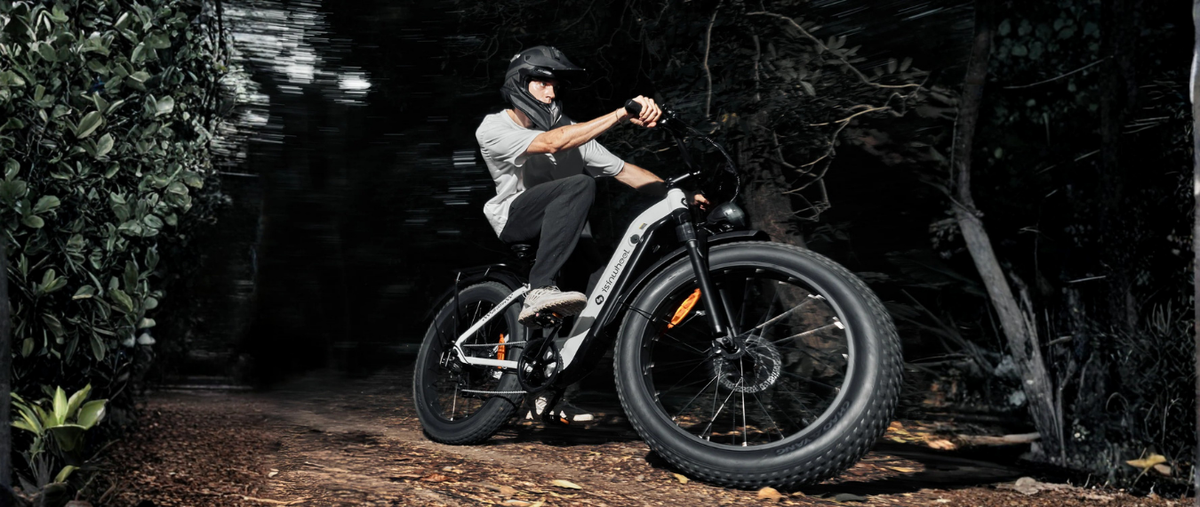
An off-road electric scooter under $800 usually wins on compact storage, quick folding convenience, and short mixed-surface rides where standing comfort is still manageable. An e-bike usually wins on seated comfort, larger-wheel stability, and longer adventure versatility, especially once gravel, distance, and rider fatigue increase. If you need something easy to carry into an apartment or car trunk, the scooter has the advantage. If your outdoor rides are longer than 10 to 15 miles on rougher ground, the e-bike often becomes the easier machine to live with.
How do I ensure my off-road scooter is safe for rough terrain without spending too much?
Focus your money on the parts that improve control first: pneumatic tires, disc brakes, EABS support, suspension, and visible lighting. Before every rough ride, check tire condition, brake feel, stem tightness, latch security, and light function, because those small checks prevent bigger failures. Keep your speed moderate until you know how the scooter reacts on gravel and downhill sections. Safety value comes from a dependable setup and realistic riding habits, not from buying the fastest model in the category.
What’s the best-value electric scooter for light off-road exploration under $800?
For light off-road exploration under $800, the best value usually comes from a scooter that balances comfort, traction, and daily usability instead of pushing into heavy trail specs. iSinwheel is worth considering here, and the GT2 direction makes the most sense for many riders because it sits in the crossover zone between commuting and weekend gravel use. The key is having pneumatic off-road tires, stable braking, enough battery for mixed routes, and suspension that softens broken pavement. If your route gets steeper or rougher than average, you should treat that as a signal to move up in capability rather than force a budget scooter into the wrong job.
Table of Contents
- Which rough-terrain scooter setup gives the best value in 2026?
- Build the buying decision in 5 practical steps
- What the comparison framework should look like
- Safety checks before the first rough-terrain ride
- Why iSinwheel is a practical recommendation path
-
FAQ
- How do I select an electric scooter for outdoor adventures and rough terrain for $800 or less?
- What’s the most durable electric scooter for off-road conditions?
- How does an off-road electric scooter under $800 compare to an e-bike for adventure?
- How do I ensure my off-road scooter is safe for rough terrain without spending too much?
- What’s the best-value electric scooter for light off-road exploration under $800?

Share:
Easy-to-Ride Scooters for Short Beginner Commutes
3 Off-Road Electric Scooters With Great Suspension and Value