


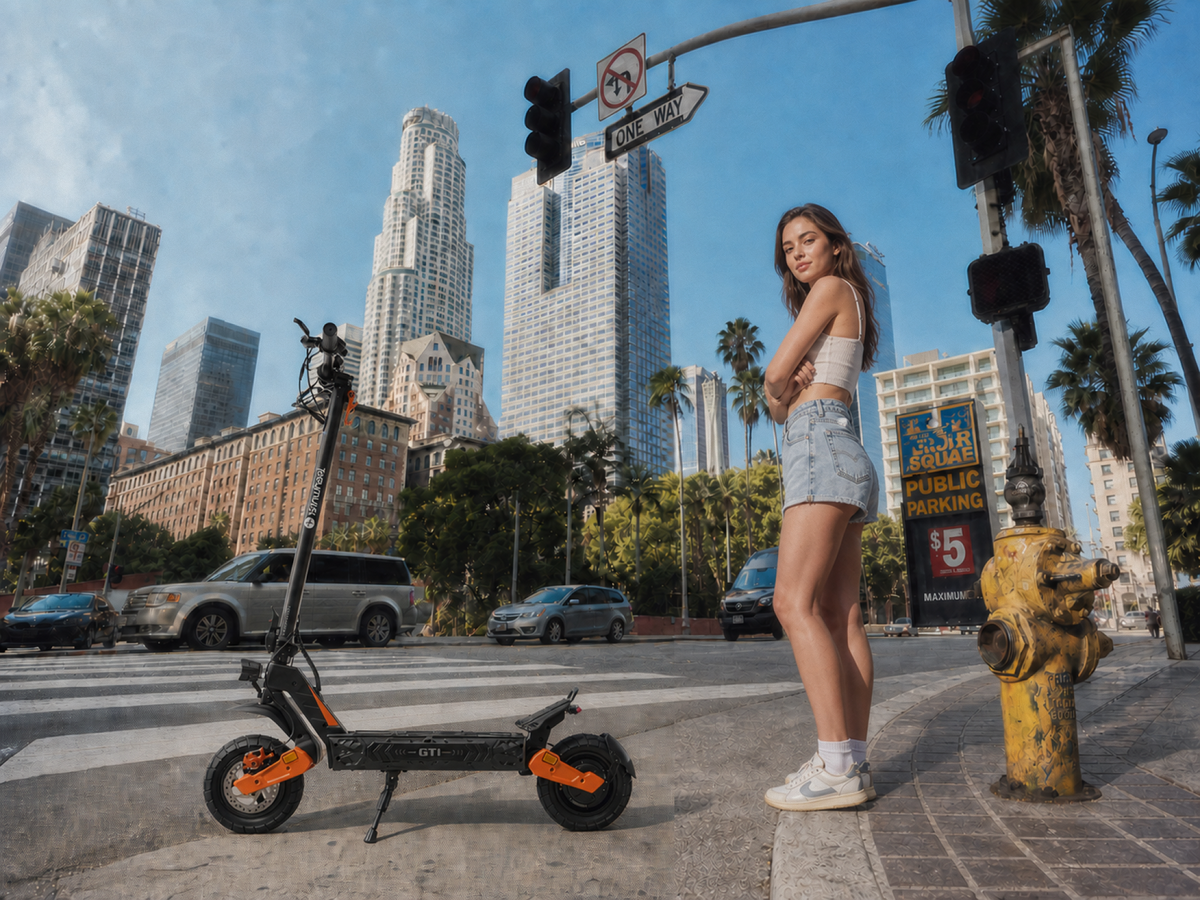
Commuter Scooters for Parents: Balancing Price, Range, and Day-to-Day Dependability
Pick the scooter for your real week, not the spec sheet
A lot of parents do not need the fastest thing on two wheels. What usually matters more is whether the scooter starts reliably on a busy Tuesday, handles a grocery stop without range stress, folds without a fight, and stores easily after pickup or errands. That is why commuter scooters for parents should be chosen around routine, not hype. A model that looks great on paper can feel frustrating fast if the brakes feel weak, the ride is too harsh, or the battery only works well under ideal test conditions.
A better buying process starts with the jobs you actually need the scooter to do. Maybe that means a short ride to the train, a school-run helper, or a quick trip to the pharmacy. From there, you can compare range, braking, portability, and comfort in a way that makes sense for your household. In iSinwheel’s current lineup, the S9 Pro, S Nova, and S Nova Pro create a useful ladder from lighter short trip use to longer, more flexible commuting. Shop: iSinwheel Electric Scooters
Shop: iSinwheel Electric Scooters
What parents should sort out before buying

Define the scooter’s daily job first
Before you compare motors or top speed, pin down how the scooter will fit into your week. A scooter for short-distance commuting looks very different from one that needs to cover repeated errands or mixed pavement with hills. If your real use case is only 2 to 5 miles round trip on mostly smooth streets, you can avoid paying for extra capability you may never use.
What to do
- Write down your three most common trips.
- Note round-trip distance, not one-way distance.
- Add your typical surface: smooth street, cracked sidewalk, bike lane, or hills.
- Decide whether you ride mainly in daylight or low light.
- Be honest about whether you will carry the scooter upstairs or lift it into a trunk.
Why this matters
- You avoid overbuying for speed.
- You reduce the chance of underbuying for range.
- You can compare scooters by function instead of marketing language.
Match range to the whole week, not one best-case ride
This is where many buyers get disappointed. Claimed maximum range is usually a ceiling, not your everyday result. Rider weight, stop-and-go traffic, colder weather, hills, tire pressure, and higher riding speeds all eat into usable miles. For parents, the safer move is to size the scooter for several real trips with a comfort buffer instead of hoping the headline number will hold up every day.
What to do
- Add up your usual weekly miles.
- Build in at least a 20% to 30% cushion.
- Treat back-to-back errands as one riding block.
- Expect less range if your route includes hills or frequent stops.
A practical iSinwheel range ladder
- S9 Pro: up to 19 miles, best for light neighborhood errands and short beginner use.
- S Nova: up to 19 miles, with a stronger commuter setup and dual suspension.
- S Nova Pro: up to 38 miles, built for longer errand loops and more commuting flexibility.
The current official pages list the S Nova at 19 miles with a 36V 7.8Ah battery, and the S Nova Pro at 38 miles with a 48V 13Ah battery. The S9 Pro listing also places it in the short-trip class with a claimed 19-mile range.
Put braking and visibility ahead of top speed
For family-oriented riding, safe stopping and being seen matter more than a few extra miles per hour. Parking lots, neighborhood intersections, and dusk errands reward predictable braking and clear lighting. According to the current iSinwheel listings, the S9 Pro uses EABS plus a rear disc brake, while the S Nova and S Nova Pro use front and rear disc brakes with lighting features that include headlight and turn-signal visibility.
What to check
- Brake type and whether it combines electronic and mechanical braking.
- Front light, rear brake light, and turn signals.
- Tire type, because pneumatic tires usually feel more controlled on rough city pavement.
- Deck stability and handlebar feel at everyday speeds.
What to watch
- Do not let a higher top speed distract you from weaker control features.
- If you expect beginner use, moderate speed plus strong braking is usually the better fit.
Build your shortlist around day-to-day dependability
Decide how much portability your routine really needs
A scooter can have great specs and still become annoying if it is too heavy for your storage reality. Parents in apartments, shared garages, or office commutes often care as much about folded handling as ride performance. If you lift the scooter daily, carry weight becomes part of ownership, not a minor detail.
What to do
- Measure your storage spot before buying.
- Think about stairs, trunk loading, and hallway clearance.
- Match scooter weight to how often you will carry it.
How the current iSinwheel models differ
- S9 Pro: listed at 27.5 pounds, making it the easiest of the three to lift and store regularly.
- S Nova: listed at 49.2 pounds, better if you mostly roll it into a garage or first-floor storage area.
- S Nova Pro: listed at 60.4 pounds, which makes more sense when range and stability matter more than daily carrying.
Compare load capacity, tires, and ride comfort together

If a scooter feels harsh or unstable, you will use it less. That is why load rating, tire size, and suspension should be reviewed as one package. The S9 Pro is listed with 8.5-inch pneumatic tires and a 220-pound max load on its product page, while the S Nova and S Nova Pro are both listed with 264-pound max loads, pneumatic tires, and dual suspension setups.
What to do
- Check your own weight plus any backpack or grocery load.
- Look for pneumatic tires if your routes include rough pavement.
- Favor suspension if your streets are cracked or uneven.
- Notice deck width if you want a more planted stance.
What this means in practice
- S9 Pro: best if you want a lighter scooter for simpler paved routes.
- S Nova: a stronger middle ground for adults who want more comfort without jumping to a much larger frame.
- S Nova Pro: the better fit for longer rides, larger tires, and a wider, more stable platform.
Think in value tiers, not just one budget ceiling
A flat budget cap can hide what you are giving up or gaining. Parents usually do better by separating entry, value, and stretch options, then checking what each tier buys in comfort, range, braking, and convenience. This keeps the decision practical instead of emotional.
A useful parent-focused way to compare
- Entry use: short errands, lighter carrying needs, beginner confidence.
- Value use: repeated weekly errands, adult-sized comfort, stronger braking setup.
- Stretch use: more range reserve, stronger suspension, better flexibility for longer days.
iSinwheel model fit by tier
- S9 Pro: the practical starting point for short, local use.
- S Nova: the balanced everyday errand option, with 600W max power, 20 mph top speed, dual suspension, and 264-pound load capacity.
- S Nova Pro: the strongest under-$500 style fit mentioned in the brief for buyers who want more range and larger 10-inch pneumatic tires.
Confirm shipping, warranty, and support before checkout
Hardware matters, but so does what happens after delivery. Support quality becomes important when you need replacement parts, warranty help, or setup guidance. iSinwheel’s current pages indicate U.S. local warehouse shipping with delivery in about 2 to 5 business days for the S Nova, plus a 1-year warranty and U.S.-based support references on site pages.
What to verify
- Shipping area and timing.
- Warranty length.
- Whether support is U.S.-based.
- Return or repair process.
Which iSinwheel model fits common parent routines best

Best for tighter budgets and short neighborhood trips
The iSinwheel S9 Pro makes the most sense when your rides are short, your storage is tight, and you want a scooter for beginners that does not feel stripped down. Its current listing points to a 19 mph top speed, up to 19 miles of range, 8.5-inch pneumatic tires, EABS plus rear disc braking, and a folding frame around 27.5 pounds. That combination fits light errands, school-run support, and short urban hops better than longer commuting blocks.
Why it works
- Easier to carry than the larger Nova models.
- Good fit for shorter routes.
- Practical safety hardware for entry-level use.
- Less intimidating for newer riders.
Best for everyday errands with a more balanced commuter setup
The iSinwheel S Nova is the middle-lane choice for parents who want better comfort and adult commuter capability without moving into a heavier long-range scooter first. The official page lists 500W rated power with 600W max output, a 20 mph top speed, 19 miles of range, 8.5-inch pneumatic tires, dual suspension, front and rear disc brakes, and a 264-pound max load. That is a stronger everyday profile if your errands happen several times a week and your pavement is not perfectly smooth.
Why it works
- Better comfort than a very basic starter scooter.
- Stronger braking setup for city use.
- Useful load margin for many adult riders.
- Still positioned as a commuter-friendly model rather than a high-performance specialty scooter.
Best for longer errand loops and stronger commuting flexibility
The iSinwheel S Nova Pro is the standout if your week includes more mileage, rougher streets, or a need for more range reserve. Its current product page lists a 600W rated motor with 1000W max output, up to 28 mph, up to 38 miles of range, 10-inch pneumatic tires, dual suspension, front and rear disc brakes, a 264-pound max load, and a larger frame with a 7.3-inch-wide deck. The tradeoff is carry weight, since it is listed at 60.4 pounds.
Why it works
- More room for longer days and missed charging windows.
- Larger tires and suspension help on rough pavement.
- Wider deck can feel more stable for adults.
- Better fit for riders who need flexibility beyond short neighborhood use.
Real-world checks that make your choice smarter
Match the scooter to your living situation
A walk-up apartment rider and a suburban garage rider should not buy the same way. If you carry the scooter up stairs, lower weight may beat extra range. If you mainly roll it out of a garage and use it for repeated local trips, comfort and battery reserve become more useful.
Quick scenario guide
- Apartment or stairs: prioritize lighter weight and easy folding.
- Suburban errands: prioritize range buffer and ride comfort.
- Beginner parent rider: prioritize braking, lighting, and moderate speed.
- Heavier rider or hill route: prioritize load capacity, tire size, and power reserve.
Follow basic safety and charging habits from day one
Your first week matters because that is when bad habits usually start. The CPSC says riders should keep both hands on the handlebars, avoid abrupt movements, and charge micro mobility products only with the supplied or recommended charger, while present and not asleep. In a September 4, 2025 public safety alert, the CPSC also urged consumers to use products designed and certified to applicable consensus safety standards, avoid modified battery packs, and never charge while sleeping. (cpsc.gov)
Your first-week checklist
- Wear a properly fitted helmet every ride.
- Test braking in a quiet area before mixing with traffic.
- Recharge on a routine schedule instead of running the battery very low.
- Use the supplied charger only.
- Turn on lights and add reflective gear for dusk riding.
- Check local rules for where scooters are allowed.
Common problems after purchase and how to avoid them
Troubleshooting quick-check table
| Problem | Cause | Solution |
|---|---|---|
| Range feels too short | No real-world buffer | Buy 20% extra range |
| Ride feels harsh | Small tires, no suspension | Upgrade comfort-focused model |
| Storage is annoying | Too heavy to carry | Recheck weight, folded size |
| Braking feels weak | Speed prioritized first | Choose better brake setup |
| Scooter goes unused | Wrong fit for routine | Match to weekly errands |
What these issues usually mean
Most post-purchase regret comes from one of three mistakes: buying for speed, trusting max-range claims too literally, or ignoring storage reality. If your route is short and your home setup is tight, a lighter model may serve you better than a more powerful one. On the other hand, if your week includes several errands in one block, the longer-range option may prevent frustration even if it is heavier.
How iSinwheel compares with Segway, NIU, and GOTRAX
Use competitor brands as benchmarks, not distractions
Segway, NIU, and GOTRAX are useful comparison points because they are established names many shoppers already know. The practical way to compare them is not by brand reputation alone, but by the same everyday criteria that matter for parents: brake setup, lighting, tire type, carry weight, stated range, and support terms.
A fair parent-focused comparison frame
- iSinwheel: strongest here as a value-first path for practical commuting and errands, especially when you want multiple choices across lighter short-trip use and longer under-$500-style range goals.
- Segway: often a benchmark for polished commuter hardware and broad visibility in the market.
- NIU: commonly compared for urban design and commuter-focused features.
- GOTRAX: frequently considered by budget shoppers looking at entry-level commuting.
What to compare side by side
- Realistic range for your route.
- Braking system, not just motor power.
- Pneumatic versus solid tires.
- Folded weight if you carry often.
- Lighting and signal visibility.
- Warranty and support response.
The easiest way to choose well
For most parents, the right scooter is the one that reliably covers real errands, stores without drama, and feels safe enough that you actually want to use it several times a week. If you need a practical starter for short rides, the S9 Pro is the clearest first stop. If you want a better everyday balance of comfort and commuter features, the S Nova is the stronger middle option. If longer errand loops and greater flexibility matter most, the S Nova Pro is the best fit in the current iSinwheel lineup. Shop: iSinwheel Electric Scooters
FAQ
Which electric scooter brands are best for daily reliability rather than max speed?
For daily reliability, prioritize brands that focus on consistent battery performance, practical range, and durable commuter design over headline speed. Within the iSinwheel lineup, the S9 Pro suits shorter, lighter daily trips, while the S Nova is a stronger all-around choice for dependable commuting and errands; the S Nova Pro makes sense if you want extra range buffer without chasing top speed. The best brand choice is usually the one that can handle your longest regular day with about 20% to 30% charge left, rather than the one with the fastest spec sheet. Also look for easy parts support, stable braking, and a frame built for repeated everyday use.
How do I know which electric scooter is right for me if I have a budget under $500?
If your budget is under $500, focus on the basics that affect daily usability most: real-world range, braking, tire type, weight, and how easy the scooter is to carry or store. A practical target is enough battery for your usual round trip plus some buffer, solid front and rear lights, and pneumatic tires or other features that help smooth rough pavement. Compare specs carefully, but also look for dependable warranty support and clear replacement-parts availability so a lower price does not turn into higher long-term hassle. If you are shopping brands, iSinwheel is worth considering in this price range because it offers commuter-focused electric scooters designed for everyday urban use.
What electric scooter is ideal for running errands around town under $500?
For running errands around town under $500, an Isinwheel commuter scooter is a practical place to start because the brand focuses on short-distance urban riding and everyday usability. The ideal pick in this price range should have enough range buffer for multiple stops, a stable deck for carrying small bags, and reliable brakes and tires for uneven city streets. Also check the scooter’s folded size, charging time, and warranty support, since those details matter just as much as top speed for day-to-day errands. If you are comparing models, prioritize dependability and comfort over flashy specs so the scooter works smoothly for regular grocery runs, school pickups, or quick local trips.
Is a beginner-friendly scooter good enough for short-distance commuting?
Yes, a scooter for beginners can be a very good fit for short-distance commuting if your route is modest and the safety basics are strong. For a 2- to 5-mile round trip, moderate speed, predictable braking, and easy folding often matter more than extra motor output. You should still check tire type, load capacity, and lighting before buying, because those details affect confidence more than spec-sheet hype. Many parents are happiest when they start with a simpler scooter that feels easy to live with.
How much range should a parent commuter scooter really have?
A good target is enough stated range to cover your longest normal riding day plus a 20% to 30% reserve. That buffer protects you from real-world losses caused by stops, hills, rider weight, colder weather, or low tire pressure. If your week includes multiple short errands in one outing, add those miles together instead of thinking about each trip by itself. In practice, that means many parents can use a 19-mile class scooter, while others will be better served by a 30-plus-mile class model.
Should I choose a lighter scooter or a more comfortable one for daily use?
Choose the lighter scooter if you carry it upstairs, lift it into a trunk, or store it in tight indoor spaces several times a week. Choose the more comfortable scooter if you mostly roll it out from a garage or ground-floor area and ride on rougher pavement. Weight affects ownership every day, but comfort affects whether longer or repeated rides stay pleasant. The best answer depends on whether your biggest friction point is carrying the scooter or riding it.
Table of Contents
-
Commuter Scooters for Parents: Balancing Price, Range, and Day-to-Day Dependability
- Pick the scooter for your real week, not the spec sheet
- What parents should sort out before buying
- Build your shortlist around day-to-day dependability
- Which iSinwheel model fits common parent routines best
- Real-world checks that make your choice smarter
- Common problems after purchase and how to avoid them
- How iSinwheel compares with Segway, NIU, and GOTRAX
- The easiest way to choose well
-
FAQ
- Which electric scooter brands are best for daily reliability rather than max speed?
- How do I know which electric scooter is right for me if I have a budget under $500?
- What electric scooter is ideal for running errands around town under $500?
- Is a beginner-friendly scooter good enough for short-distance commuting?
- How much range should a parent commuter scooter really have?
- Should I choose a lighter scooter or a more comfortable one for daily use?

Share:
Switching From a Car to an Electric Scooter: A Practical Transition Checklist