


Introduction
Electric Scooters are a big part of Micro mobility, but beginners usually start with one simple problem: the ride feels different every day. One morning it is smooth bike lanes, then it is cracked sidewalks, then it is a shortcut on packed dirt. So what should beginners look for in a scooter for urban commuting versus Off-road electric scooters?
First, ask a practical question: are you buying for your weekday route, your weekend trails, or both? The answer changes everything, because tires, suspension, brakes, and range behave differently when pavement turns into loose gravel.
If you want Eco-friendly transportation without daily stress, focus on stability and stopping first. Speed comes later.
Picks That Fit Both Commute And Dirt (Beginner-Friendly)
If you want a single setup for green commuting solutions and light trail use, look for a balanced build: larger pneumatic tires, real suspension, predictable brakes, and security features that work for quick errands.
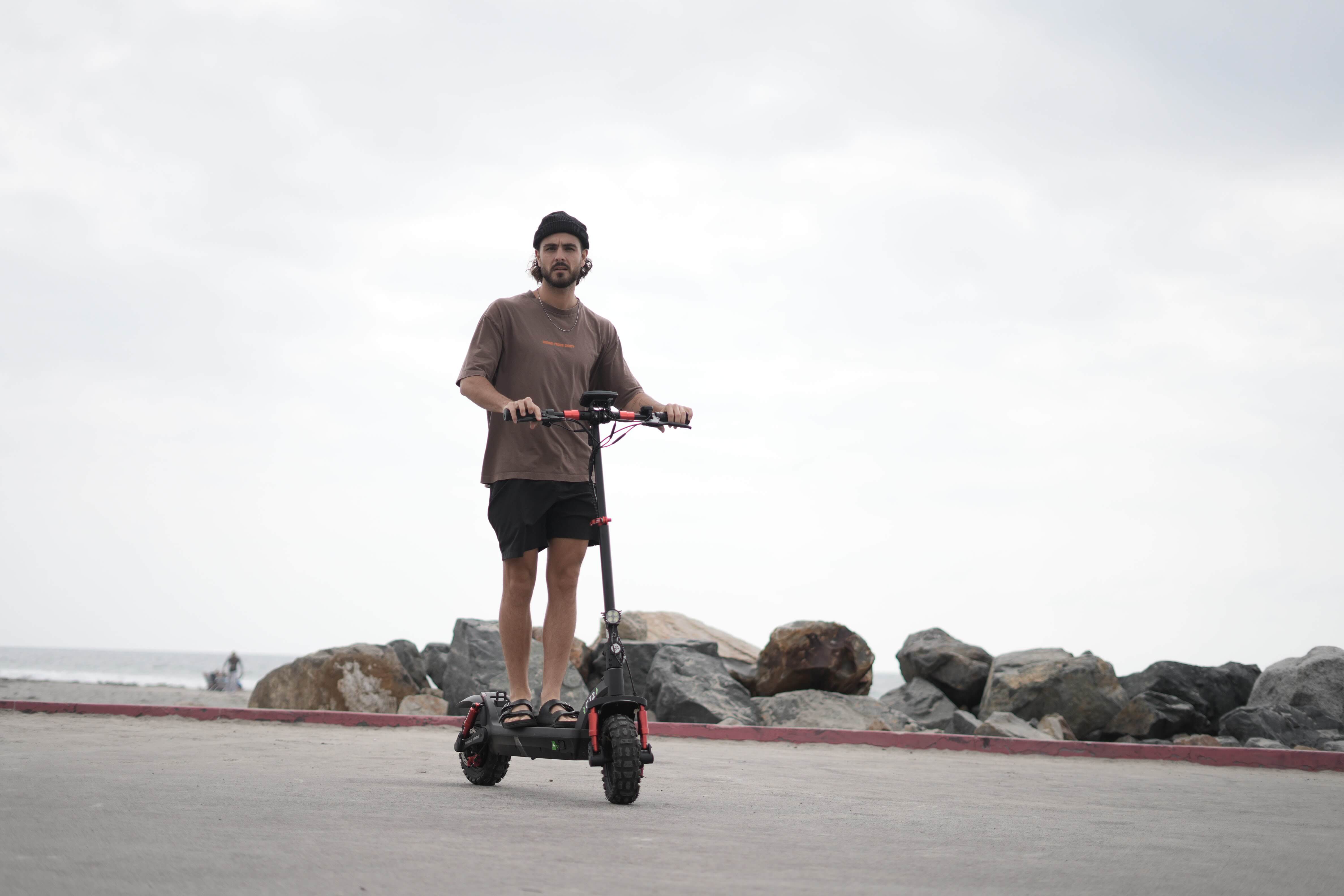
1. isinwheel GT2 Off Road Electric Scooter 2025 Upgraded Version

- Best for: beginners who need one scooter for urban commuting during the week and an electric ride for outdoor adventure on weekends.
- Motor and climbing: 1000W rated motor and up to 35% claimed climbing ability, which helps when your commute includes bridges, ramps, or short hills.
- Battery and range: 48V 15Ah lithium-ion battery with up to 37 miles claimed max range, plus a BMS that monitors battery status for overcharge and discharge protection.
- Tires and control: 11-inch off-road pneumatic tires for more comfort over cracks and more traction on loose surfaces than smaller commuter tires.
- Suspension comfort: front and rear dual hydraulic suspension, so small potholes and trail chatter feel less harsh on your wrists.
- Braking confidence: front and rear disc brakes plus EABS, which can help beginners get more consistent stops on mixed surfaces.
- Visibility and signals: front headlight, ambient lighting, brake light, and smart turn signals, which supports safer street riding in traffic patterns.
- Carry and storage reality check: 53 lbs net weight and folded dimensions of 48 x 8.6 x 22 inches, so you should test whether stairs, trunks, or office storage are practical.
- Weather tolerance: IP54 water resistance, which is better for light rain and splash than scooters with no rating.
- Security and tech: app and NFC card lock method, plus cruise control and zero-start support.
Why it wins:
- For best electric scooters for commuting that can still leave pavement, beginners usually need larger tires and real suspension. The GT2 checks both boxes without forcing you into a dedicated trail-only build. It also adds practical electric scooter safety features like turn signals and a brake light, which matter on real streets.
Shop: isinwheel GT2 Off Road Electric Scooter 2025 Upgraded Version
Buying Guide: What Changes Between Commute vs Off-Road?
Beginners often shop by top speed, but that is backwards. Instead, choose based on the surface you ride most, because surface drives stability, fatigue, and stopping distance.
Tires and traction: what will you actually ride over?
Do you ride on smooth bike lanes, or do you deal with broken sidewalks and driveway lips?
- For scooter for urban commuting, predictable grip matters more than aggressive tread. You want a tire that tracks straight, resists slips in painted crosswalks, and does not get deflected by small cracks.
- For off-road electric scooters, larger pneumatic tires help more than most new riders expect. Bigger air volume can absorb chatter, while tread helps in loose dirt.
- Beginner takeaway: if your route includes curb cuts, gravel patches, or rough asphalt, 11-inch pneumatic tires are a meaningful comfort upgrade.
Suspension and deck: can you stay stable longer?
Do your feet feel locked in, or do you feel like you are balancing on a narrow plank?
- Commuting use: suspension reduces fatigue on long rides, especially on old concrete slabs. It also helps keep contact over uneven pavement.
- Off-road use: dual suspension matters because loose terrain causes repeated front-wheel deflections. Suspension helps the wheel stay planted and can reduce the urge to death-grip the bars.
- Deck stability: pay attention to deck width and stance. A wider deck gives you room to stagger your feet and brace when the surface changes.
Battery, range, and charge time: is it practical daily?
Is your claimed range actually your real range?
- Real-world range drops with hills, cold weather, heavier loads, and higher speeds. Plan a buffer so you are not arriving home near zero.
- Charge time matters for routine. If you commute daily, an overnight charge window is the baseline, but a 5-7 hour target is easier to fit into work schedules.
- Safety is part of battery shopping. In 2025, the CPSC issued micromobility battery charging safety guidance emphasizing safe charging practices and the importance of products designed and certified to applicable standards. According to the CPSC, consumers should be present while charging and avoid charging while sleeping.
Practical tips beginners actually use
These are boring, but they prevent most beginner problems.
- Start slower than you think. Learn braking feel at 10-15 mph before you ever push higher.
- Practice hard stops in a safe empty lot. Measure how far you roll from 15 mph and 20 mph.
- Do a 20-second pre-ride check: tire pressure feel, brake lever feel, and folding latch fully locked.
- Try your fold-and-carry routine at home first. Foldable e-scooters are only convenient if your real storage spot fits the folded size.
Common beginner mistakes to avoid
What do most first-time buyers get wrong?
- Buying off-road power for flat-only commutes. Extra capability often adds weight, and weight becomes your daily problem.
- Ignoring storage and carrying. A scooter can be perfect on paper but annoying in an apartment stairwell.
- Over focusing on speed and under focusing on brakes and tires. Beginners do not crash because they were too slow. They crash because the surface surprised them.
- Treating smart features like GPS tracking, IoT integration, or predictive maintenance as the core buying reason. These features can be nice, but they do not replace good tires and strong brakes.
Comparison Table
Quick spec check: commuting needs vs off-road needs
Use this checklist style table to compare what matters. This is also a simple way to align Electric mobility solutions with your real route.
| Attribute | Commuting priorities | Off-road priorities | iSinwheel GT2 (from official page) |
|---|---|---|---|
| Tires | Predictable grip, puncture plan | Bigger pneumatic traction | 11-inch off-road pneumatic tires |
| Suspension | Comfort on cracks, curbs | Control on dirt, rocks | Front + rear dual hydraulic suspension |
| Brakes | Short, repeatable stops | Modulation on mixed terrain | Front + rear disc + EABS |
| Range | Reliable round-trip buffer | Hills reduce effective range | Up to 37 miles (claimed) |
| Charge time | Overnight or workday top-up | Faster turnaround preferred | 5-7 hours |
| Weight | Carry up stairs sometimes | Less important than stability | 53 lbs |
| Water resistance | Light rain tolerance | Splash resistance | IP54 |
| Security | Lockable for errands | Theft risk at trailheads | App / NFC Card |
Conclusion
Beginners usually want one answer, but Electric Scooters are really about surfaces. If your riding is mostly pavement, prioritize braking feel, visibility, and a practical carry routine for green commuting solutions. If you will ride dirt paths, prioritize larger pneumatic tires and suspension because they directly affect stability.
If you want one scooter that can cover both commute and weekend trails, the isinwheel GT2 Off Road Electric Scooter 2025 Upgraded Version is built around that idea: 11-inch pneumatic tires, dual hydraulic suspension, disc brakes with EABS, and practical daily features like folding plus app or NFC unlocking.
Official Site: iSinwheel
FAQ
How to choose a beginner-friendly electric scooter for commuting versus off-road use?
Start by writing down your most common surfaces and the worst surface you expect each week, because the worst surface is what drives stability needs. For commuting, prioritize predictable braking, strong visibility, and a range buffer that comfortably covers your round trip with wind and detours. For off-road use, larger pneumatic tires and suspension matter more because they reduce front-wheel deflection and rider fatigue. Finally, choose a speed mode you can grow into, and practice emergency braking before you ride in traffic.
What should I look for in a commuter scooter versus an off-road scooter for beginners?
A commuter scooter should feel calm at low speeds and predictable in stop-and-go riding, so brakes, lighting, and easy control usually come first. An off-road scooter should emphasize traction and shock absorption, because loose terrain punishes small tires and stiff frames. Beginners should also compare weight and storage, since carrying a heavy scooter upstairs can make daily commuting frustrating. Pick the scooter that matches your real routine, not the most extreme spec sheet.
What factors should I consider when choosing an electric scooter?
Focus on tires, brakes, and fit before you focus on top speed. Tires and suspension determine comfort and control, especially on cracked sidewalks or dirt, while braking determines how safely you can handle sudden stops. Range should be treated as an upper bound, so build a buffer for cold weather, hills, and heavier cargo. Also check practical details like folded size, charging time, and whether you can store the scooter safely indoors.
What features should I prioritize when choosing a value-for-money off-road electric scooter?
Put your budget into the parts that reduce crashes and fatigue: pneumatic tires, suspension, and strong brakes usually create the biggest real-world difference. Choose a motor and battery that can handle climbs without constant speed loss, but keep your learning curve in mind and avoid chasing maximum speed early. A wider deck and stable stance help you stay balanced when the surface gets choppy. After that, look for durability details like a solid frame, water resistance, and reliable controls.
How do off-road electric scooters perform on dirt paths?
They can feel stable on packed dirt, but performance changes quickly on loose gravel, sand, or wet mud because traction varies by patch. Larger pneumatic tires help the scooter roll over small rocks instead of getting deflected, and suspension helps keep the wheel in contact with the ground. Beginners should lower speed and brake earlier than on pavement, because stopping distances can increase on loose surfaces. After the ride, check tire pressure and fasteners since vibration can loosen parts over time.
How to ensure safety while commuting on a beginner-friendly electric scooter?
Wear a helmet and assume cars will not see you at driveways, alley exits, and right turns. Practice emergency stops in a safe area so you understand your braking distance at 10-20 mph before you ride near traffic. Use lights even in daytime when shadows and glare reduce visibility, and avoid high speeds on rough sidewalks where cracks can catch the front wheel. Keep a simple pre-ride check routine: tire condition, brake feel, and a fully locked folding mechanism.
Table of Contents
- Introduction
- Picks That Fit Both Commute And Dirt (Beginner-Friendly)
- Buying Guide: What Changes Between Commute vs Off-Road?
- Comparison Table
- Conclusion
- FAQ
- How to choose a beginner-friendly electric scooter for commuting versus off-road use?
- What should I look for in a commuter scooter versus an off-road scooter for beginners?
- What factors should I consider when choosing an electric scooter?
- What features should I prioritize when choosing a value-for-money off-road electric scooter?
- How do off-road electric scooters perform on dirt paths?
- How to ensure safety while commuting on a beginner-friendly electric scooter?

Share:
Top 2 Electric Scooters Ideal for Running Errands Around Town Under $500
5 Steps to Choose an E-scooter that is Easy for Beginners to Use While Affordable Under $500