


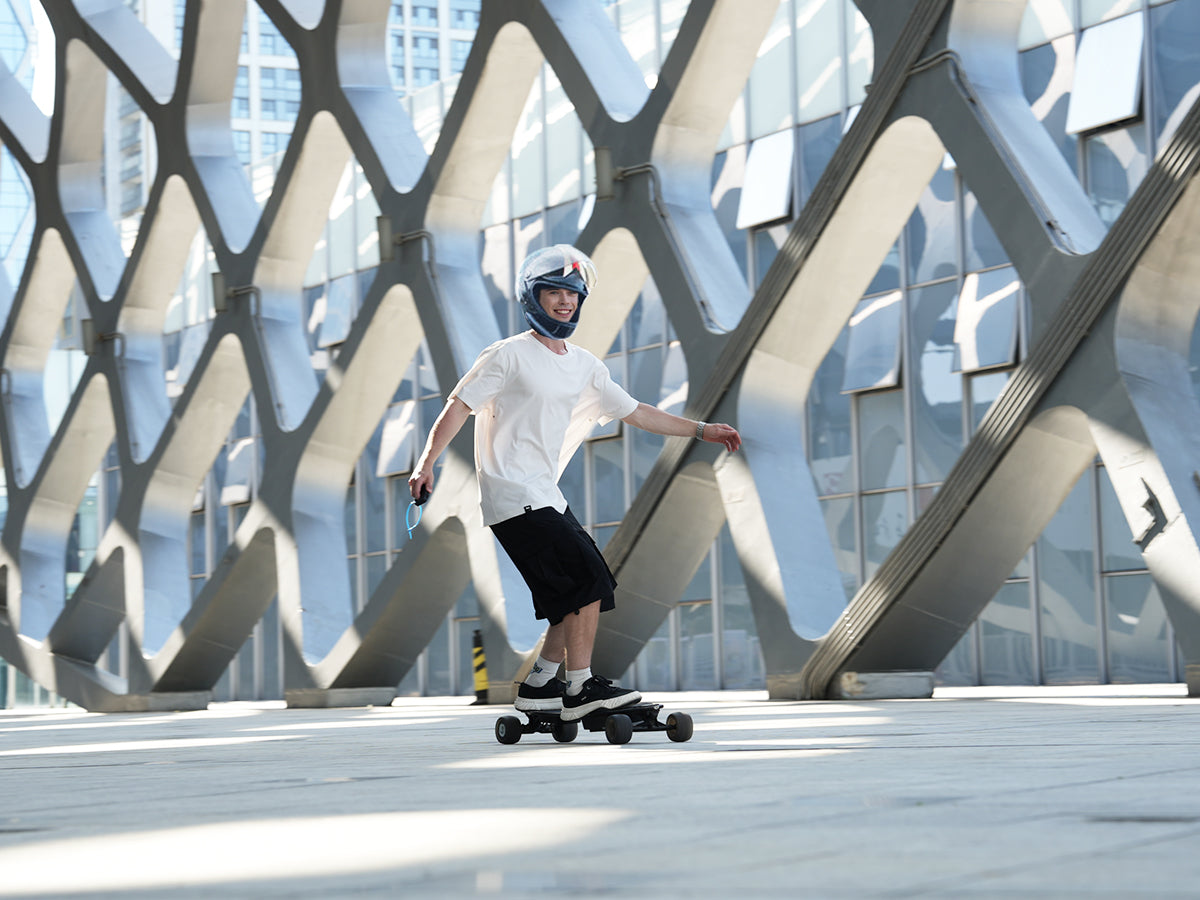
- Protecting Your Head
The human brain is a remarkable organ, but it's also incredibly vulnerable to injury. Longboarding, like any other action sport, involves the risk of accidents and falls. When you're riding at high speeds or attempting tricks, there's always a chance of losing control and hitting your head on the pavement or other hard surfaces. Wearing a helmet provides a layer of protection that helps absorb and distribute the impact force, reducing the risk of severe head trauma, concussions, and other potentially life-altering injuries.
- Safety Regulations and Legal Considerations
In many regions, wearing a helmet while engaging in sports like longboarding is not only a safety recommendation but also a legal requirement. Local authorities and governing bodies recognize the potential risks associated with these activities and implement safety measures accordingly. It's important to familiarize yourself with the specific regulations in your area and ensure compliance to avoid potential fines or legal repercussions.
- Setting a Good Example
If you're an experienced longboarder or a parent introducing your child to the sport, wearing a helmet sets a positive example for others. By prioritizing safety and donning a helmet, you demonstrate responsible behavior and emphasize the importance of protecting your head during physical activities. Encouraging others to wear helmets can create a safer community of longboarders and contribute to a culture of safety awareness.
- Unexpected Situations and Unpredictable Factors
Longboarding conditions can change rapidly, making it difficult to predict every potential hazard. Uneven pavement, unexpected obstacles, and sudden changes in traffic patterns can all increase the risk of accidents. By wearing a helmet, you prepare yourself for unforeseen circumstances and give yourself the best chance of minimizing injuries in case of a fall or collision.
- Comfort and Style
Some longboarders may argue that helmets are uncomfortable or cramp their style. However, modern helmets are designed with comfort in mind. Look for helmets that have adjustable straps and ventilation systems to improve breathability and reduce discomfort. Additionally, helmets come in a variety of styles, colors, and designs, allowing you to express your personality while staying safe. Finding a helmet that suits your taste can add a touch of individuality to your longboarding gear.
Conclusion
While longboarding offers excitement and freedom, it's crucial to prioritize safety at all times. Wearing a helmet is a small but significant step towards reducing the risk of head injuries and ensuring a safer longboarding experience. By protecting your head, complying with safety regulations, and setting a good example for others, you contribute to a culture of safety awareness and responsible longboarding. Remember, it only takes a moment for an accident to happen, but wearing a helmet can make all the difference in protecting yourself from serious injury. Stay safe and enjoy the thrilling world of longboarding!

Share:
Electric Skateboard Wheels: Rubber vs. Polyurethane (PU)
A Guide to Different Types of Scooter Accelerators