


Understanding Urban Safety for Electric Scooters and E-bikes

Busy city traffic rarely gives you one simple problem to solve. Instead, it stacks small risks on top of each other: a driver turning without signaling, a wet paint stripe at an intersection, a delivery van blocking sightlines, or a pothole that appears too late to avoid. That is why Electric Scooters and E-bikes should not be judged as safe or unsafe in the abstract. Their safety depends on how well the vehicle, the rider, the route, and the gear work together in real commuting conditions.
If you are comparing Electric Bikes, scooters, or even broader electric mobility solutions for daily travel, the smartest starting point is risk control, not speed. In the sections below, you will see what changes safety in real traffic, how to build a safer commuting workflow, and how products such as Isinwheel electric scooters and affordable electric bikes fit different city use cases. The goal is practical: help you choose a safer setup for eco-friendly transportation and more reliable green commuting solutions.
What Makes E-Bikes and E-Scooters Safer or Riskier?
Safety starts with predictability. When other road users can read your path early, they have more time to react. When they cannot, conflict risk rises fast. In dense traffic, this matters more than marketing language about power or style.
Core safety terms to know
- Visibility: How easily drivers, cyclists, and pedestrians can see you from the front, side, and rear.
- Stability: How planted the ride feels over cracks, potholes, drainage grates, and painted lines.
- Braking control: How smoothly and quickly you can reduce speed without skidding or losing balance.
- Load balance: How your body weight, backpack, groceries, or delivery gear affect steering and stopping.
- Ride geometry: The basic shape and stance of the vehicle, which changes confidence and handling.
Why wheel size and posture matter
Electric Bikes often feel easier for new urban riders because they usually offer a familiar seated position, a longer frame, and larger tires. That combination can smooth out rough pavement and reduce twitchy steering on broken streets. By contrast, Electric Scooters are compact and convenient for last-mile delivery or short station-to-office trips, but their smaller platforms usually demand more active balance and sharper attention to road texture.
That does not mean scooters are unsafe. It means the rider has less margin for lazy line choice. A shallow pothole that barely bothers a bike can feel much bigger on a scooter. A painted crosswalk in rain may also change grip more quickly under smaller tires. According to the CPSC, injuries tied to e-scooters and e-bikes increased sharply in recent years, which reinforces how important protective habits and equipment are in growing micromobility use. (cpsc.gov)
Common urban ride types
Different ride types solve different problems, so the safer option depends on where and how you ride.
- Folding commuter scooters: Best for short urban hops, apartment storage, and transit connections.
- Off-road capable urban scooters: Better for rough pavement, utility use, and mixed surface routes.
- Lightweight electric bikes: Useful for longer daily mileage with easier handling than heavier cargo models.
- Fat Tire E-bikes: A strong fit where streets are patched, uneven, or broken up by curbs and utility cuts.
- Electric Skateboards: Very portable, but they demand even more balance skill and pavement awareness, so they are usually less forgiving in dense traffic than bikes or scooters.
Environment changes the risk profile
A protected bike lane, a downtown corridor, and a neighborhood greenway are not the same riding environment. The safest sustainable electric vehicles are the ones that match the actual route, not just the spec sheet. If your commute includes rough shoulders, bad drainage, and frequent curb cuts, tire volume and braking quality matter more than a high top speed. If your route involves elevators, office storage, and short connections, portability may matter more.
How Should Riders Apply Safety in Real Commutes?
The safest commute usually looks boring from the outside. You inspect the vehicle, choose a lower-conflict route, keep speed under control, and avoid forcing risky decisions at the last second. That routine matters more than owning the fastest machine.
Build a safer city workflow
Before every ride, run a short check that takes less than two minutes:
- Squeeze both brakes and confirm they engage cleanly.
- Check tires for pressure, cuts, or embedded debris.
- Turn on lights even in daytime traffic.
- Confirm battery charge is enough for the trip plus a reserve.
- Check folding latches, stem locks, or quick-release points.
- Make sure your bag or cargo will not swing into the wheel.
Then look at the route, not just the destination. A street with 3 extra minutes but fewer blind turns is usually the safer choice. That matters for people shopping for the best electric scooters for commuting, a scooter for urban commuting, or affordable electric bikes. In real traffic, consistent control beats peak output.
Match tools to the job
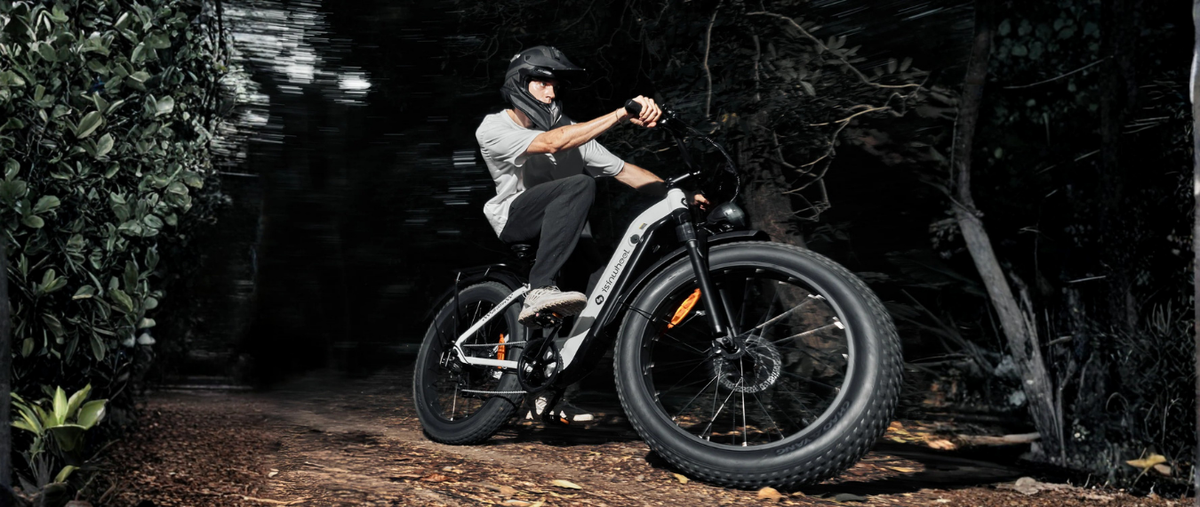
For riders who want bike-style confidence, the isinwheel U8 Pro Electric Bike for Adults is the clearest product fit from the brand's lineup for longer urban mileage. Its product page lists a 1000W rated motor, 28 MPH max speed, up to 105 miles per charge, 20 x 3.0-inch tires, IP65 water resistance, an 864Wh battery, front full suspension, Shimano 7-speed gearing, and a 330 lb max load. Those details point to a platform built more for planted commuting and utility use than for compact carry-and-store convenience.
For scooter-heavy commuting, the isinwheel GT2 Pro Off Road Electric Scooter 2026 Upgraded Version fits rougher city surfaces better than a minimal commuter scooter. The product page lists a 1200W motor, 32 MPH top speed, 38-mile range, 11-inch off-road pneumatic tires, front and rear dual hydraulic suspension, front and rear disc brakes with EABS, turn signals, brake light, app support, NFC unlock, and a 330 lb max load. In safety terms, the key features are the larger pneumatic tires, braking setup, lighting, and suspension support over cracked pavement.
Shop: isinwheel U8 Pro Electric Bike for Adults
Shop: isinwheel GT2 Pro Off Road Electric Scooter 2026 Upgraded Version
Which Decision Factors Matter Most Before Buying Electric Scooters or Electric Bikes?
A safe buying decision starts with role fit. You are not buying a category. You are buying a solution for a route, a storage setup, and a comfort threshold. That is why Electric Scooters, Electric Bikes, and other electric mobility solutions should be filtered by how you actually travel.
1. Braking confidence over top speed
Top speed gets attention, but braking determines whether you can stay inside a safe stopping distance. Look for disc braking, electronic assist braking where available, and predictable lever feel. The GT2 Pro's disc plus EABS setup is more useful in city analysis than its 32 MPH headline number because urban safety depends on controlled deceleration, not maximum pace.
2. Tire size over marketing claims
Tires shape comfort, grip, and margin for error. The U8 Pro's 20 x 3.0-inch tires and the GT2 Pro's 11-inch pneumatic tires suggest better rough-surface tolerance than smaller, harder commuter setups. Wider tires can improve confidence on patched asphalt, utility covers, and rough shoulders, which is why Fat Tire E-bikes and robust pneumatic scooters often feel calmer in imperfect streets.
3. Lighting and signaling over aesthetics
Urban riders need to be read early from different angles. A headlight alone is not enough. Brake lights, turn signals, reflective elements, and helmet-mounted lighting all help. If you ride near dawn, dusk, or after work, active lighting becomes part of your safety system, not an extra accessory.
4. Route fit over raw power
A longer route with rough pavement often favors E-bikes or lightweight electric bikes with more stable geometry. A short, compact commute with elevator access and limited parking often favors a scooter. For electric transportation for families or riders carrying groceries, a bike platform usually handles shifting loads more naturally than a scooter deck.
Quick comparison table
| Decision factor | E-bike advantage | E-scooter advantage | Best fit |
|---|---|---|---|
| Rough pavement | Larger tires and longer frame | Suspension can help on premium models | Broken city streets |
| Portability | Usually lower | Usually higher | Apartments, transit links |
| Cargo or bags | Better load stability | Limited deck and handlebar space | Utility commuting |
| Storage footprint | Larger | Smaller when folded | Small offices |
| Learning curve | Often easier for beginners | More balance-sensitive | New riders vs experienced riders |
Scenario Analysis: Which Ride Fits Which City User?
No single platform wins every commute. The safer choice is the one that lowers your decision load and gives you more margin in the environments you use most often.
Small-scale commuters
If your trips are short, predictable, and storage is tight, Electric Scooters can be an efficient answer. They work especially well for train-station links, short downtown hops, and office commutes where carrying the vehicle indoors matters. A strong scooter for urban commuting should have pneumatic tires, clear lighting, dependable brakes, and a deck large enough for stable foot placement. Riders doing last-mile delivery or short errands should also prioritize easy folding and fast pre-ride checks.
The GT2 Pro leans toward riders who want more comfort margin than ultra-compact scooters offer. Its 7.5-inch wide deck, hydraulic suspension, pneumatic tires, and integrated lights support more composed riding over bad surfaces than stripped-down commuter models. The trade-off is lower portability than smaller scooters.
Family and utility riders
When you carry a backpack, groceries, or work equipment, Electric Bikes usually make more sense. The frame, seat, and handlebar layout help distribute weight more naturally, and the larger contact patch can feel steadier at moderate speeds. That is one reason bikes often fit electric transportation for families and practical urban utility better than scooters.
The U8 Pro is relevant here because its 330 lb max load, front suspension, step-thru frame, and 20 x 3.0-inch tires suggest a more utility-friendly ride than a minimalist scooter or board. Riders looking for affordable electric bikes or lightweight electric bikes should still remember that useful range, braking feel, and tire quality matter more than simple portability claims.
Conclusion
E-bikes and Electric Scooters can both be safe in busy city traffic, but only when the vehicle matches the route and the rider uses disciplined habits. In practical terms, that means prioritizing braking confidence, tire stability, lighting, helmet use, and lower-conflict route choices over raw speed. For commuters looking at eco-friendly transportation alternatives, sustainable electric vehicles, or broader green commuting solutions, the best setup is the one that makes safe behavior easier every day.
Isinwheel's lineup shows how different products serve different urban roles. The U8 Pro suits riders who want a more planted bike platform for longer trips, while the GT2 Pro suits riders who need a more robust scooter with stronger rough-road support. If you use this route-first mindset, electric mobility solutions become more practical, more predictable, and safer for daily city travel.
FAQ
Are e-bikes safer than e-scooters in city traffic?
E-bikes are often safer for many riders in city traffic because they usually have larger wheels, a seated posture, and more stable handling over broken pavement. That said, e-scooters can still be a safe choice for shorter commutes if the rider keeps speeds moderate, avoids rough routes, and uses strong lights and a helmet. The real answer depends on your route, your balance skill, and how often you need to carry bags or ride near heavy intersections. If your streets are rough or your commute is longer than a few miles, an e-bike usually gives you more margin for error.
What safety features matter most for urban commuting?
The most important safety features are dependable brakes, bright front and rear lighting, visible signaling, and tires that can handle real pavement defects. After that, suspension, deck or frame stability, and water resistance matter because they improve control in daily use. For many commuters, wheel size and tire type change confidence more than an extra few miles per hour of top speed. A good urban setup should also include a well-fitted helmet and a simple pre-ride check routine.
How should riders evaluate electric scooter safety features?
Start by checking the brake system, tire size, tire construction, deck width, lighting layout, and suspension design. Then compare those features to your actual route, including hills, potholes, rain exposure, and how often you ride at night. A scooter that feels great on smooth bike lanes may be a poor choice on patched city streets or rough connectors. If you commute daily, give extra weight to pneumatic tires, stable geometry, and lighting that helps drivers read your position early.
Does a higher top speed make an electric ride less safe?
A higher top speed increases risk if you use it in dense traffic, because stopping distance and crash severity both rise as speed rises. However, a vehicle with higher speed capability is not automatically unsafe if it also has strong brakes, stable tires, and a rider who uses restraint. In city riding, top speed should be treated as overhead, not as your normal operating target. Most riders are safer when they match speed to sightlines, traffic density, and pavement quality.
How important is a helmet for e-bike and e-scooter riders?
A helmet is extremely important because even moderate-speed falls can lead to serious head injury on concrete or asphalt. The best helmet is one that fits your head correctly, stays level on the brow, and does not shift when you shake your head. For city commuting, added visibility features such as integrated front or rear lights can help, but they should never come before fit and protective construction. Replace a helmet after a significant impact, even if the outer shell looks fine.
Can electric rides support greener commuting without sacrificing practicality?
Yes, electric rides can support greener commuting while staying practical for many daily users. They work especially well for short car replacement trips, station connections, neighborhood errands, and moderate urban commutes where parking and congestion waste time. The key is matching range, cargo needs, weather tolerance, and ride stability to your real routine rather than buying for occasional extreme use. When that match is right, Electric Bikes, Electric Scooters, and even niche options like Cargo E-bikes can become realistic everyday transport tools.
Table of Contents
- Understanding Urban Safety for Electric Scooters and E-bikes
- What Makes E-Bikes and E-Scooters Safer or Riskier?
- How Should Riders Apply Safety in Real Commutes?
- Which Decision Factors Matter Most Before Buying Electric Scooters or Electric Bikes?
- Scenario Analysis: Which Ride Fits Which City User?
- Conclusion
-
FAQ
- Are e-bikes safer than e-scooters in city traffic?
- What safety features matter most for urban commuting?
- How should riders evaluate electric scooter safety features?
- Does a higher top speed make an electric ride less safe?
- How important is a helmet for e-bike and e-scooter riders?
- Can electric rides support greener commuting without sacrificing practicality?


Share:
Easy-to-Ride Electric Scooters Under $500 for Beginners
Understanding Durable Off-Road Electric Scooters