


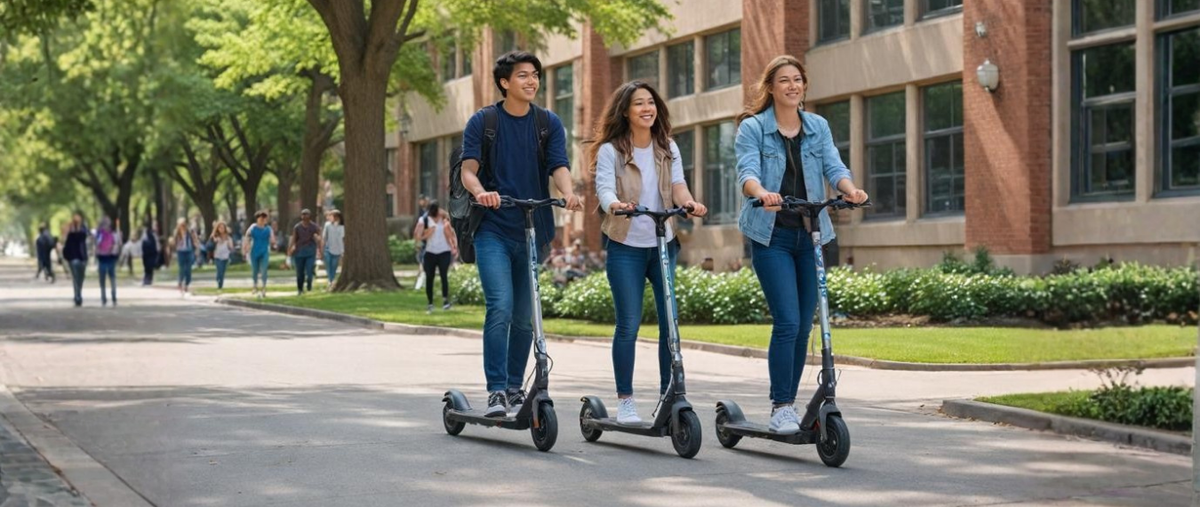
Riding Longer, Riding Safer: What Scooter Maintenance Really Means
The main thing you need to know is this: keeping an electric scooter running well comes down to four areas the battery, the tires, the brakes, and the motor. Check these regularly, keep everything clean and properly inflated, and store the scooter correctly, and most riders can avoid the majority of common problems. None of this requires special tools or mechanical experience. It just takes a few minutes every week or two.
Whether you're commuting across town or riding for fun on weekends, a little routine care goes a long way. Below is a simple breakdown of what to check, how often, and why it matters.
Battery Care Tips That Actually Extend Lifespan
The battery is the heart of any electric scooter, and how you treat it has a big impact on how long it lasts.
Charge It the Right Way
Avoid letting the battery drain completely before charging, and try not to leave it plugged in for long periods after it hits 100%. Charging it to around 80-90% for daily use, and only charging fully before a long ride, can help preserve battery health over time.
Watch the Temperature
Extreme heat is one of the fastest ways to wear down a lithium battery. If you're parking outside in the summer sun in places like Phoenix or Las Vegas, try to keep the scooter in the shade or bring it indoors between rides. Cold weather also affects range temporarily, so don't be alarmed if your scooter feels a little less powerful on a chilly morning.
Store It Properly During Off-Seasons
If you won't be riding for a few weeks, store the battery at roughly 50% charge in a cool, dry spot like a closet or garage not a hot attic or a freezing porch.
Tire Maintenance for a Smoother, Safer Ride
Tires affect everything from comfort to stopping distance, so they deserve regular attention.
Check Tire Pressure Often
If your iSinwheel model has pneumatic (air-filled) tires, check the pressure at least once a month, and more often if you ride daily. Underinflated tires increase rolling resistance and drain the battery faster, while overinflated tires make for a bumpier, less stable ride.
Inspect for Wear and Damage
Look over the tread regularly for cracks, flat spots, or embedded debris like glass or gravel. Solid tires need less attention than pneumatic ones but should still be checked for uneven wear, especially if you ride mostly on rough sidewalks or bike paths.
Know When to Replace
If you notice reduced grip in wet conditions or visible cracking in the rubber, it's time for new tires. Riders who want more cushioning for daily commutes often look at models with pneumatic or fat tires, which tend to handle potholes and uneven pavement more comfortably.
Brake Maintenance: Don't Skip This One
Brakes are one part of the scooter you never want to neglect, since they directly affect your safety.
Test Brake Response Weekly
Before heading out, give the brake lever a quick squeeze at low speed to make sure it responds immediately and evenly. A soft, delayed, or grinding feel usually means it's time for adjustment or a closer look.
Check Brake Pads and Discs
If your scooter uses disc brakes, inspect the pads for thinning and make sure the disc itself isn't warped or rusted. Riders in areas with frequent rain or humidity should check more often, since moisture speeds up corrosion.
Keep Cables and Components Clean
Dirt and grit can build up around brake components over time. Wiping them down after riding through wet or dusty conditions helps keep everything responsive.
Motor Maintenance for Consistent Performance
The motor doesn't need much hands-on maintenance, but a few habits help keep it running smoothly for years.
Keep Vents and Housing Clear
Dust, mud, and debris can collect around the motor housing, especially after off-road rides. Wipe it down with a dry cloth after rides on trails or gravel paths.
Avoid Water Exposure
Most electric scooters, including higher-powered models like those built for daily commuting, aren't designed for deep puddles or heavy rain. Light splashes are usually fine, but standing water can damage internal components.
Listen for Unusual Noises
Grinding, clicking, or whining sounds from the motor area are worth investigating early. Catching a small issue before a long commute or a weekend trip saves time and money later.

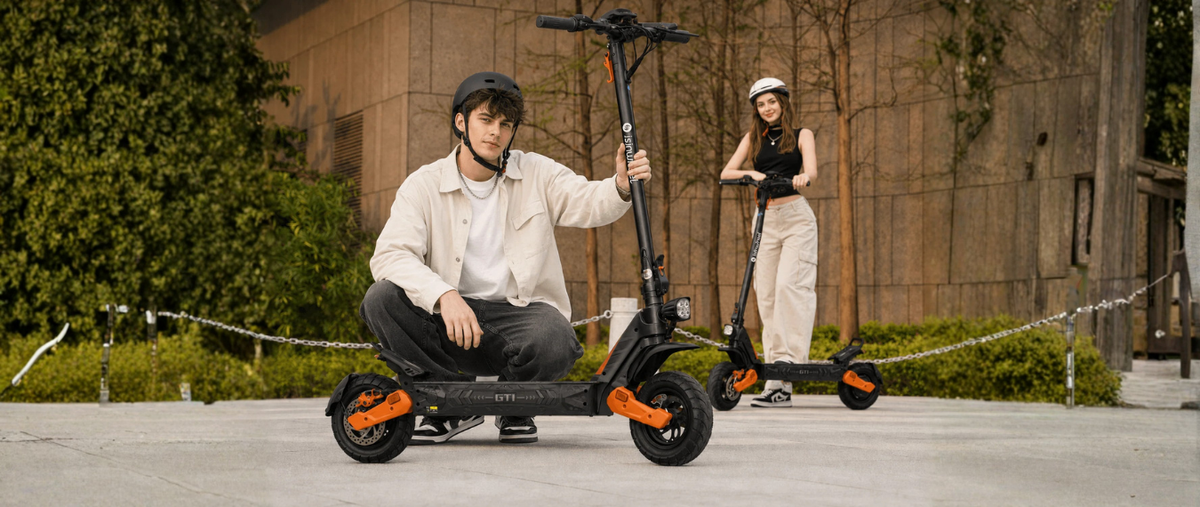
If you're shopping for a scooter with a durable motor built for daily use, the iSinwheel H7 and iSinwheel GT2 Pro are both built with sturdier components for regular commuting and mixed terrain. For riders who want strong range along with reliable hill performance, the iSinwheel S10Max is another solid option worth checking out.

For more in-depth guidance, iSinwheel's blog also covers what to check before taking an off-road scooter on trails, and how hill-commuting scooters compare to standard models for first-time riders.
Keeping Your Scooter Ride-Ready All Year Long
Maintaining an electric scooter isn't complicated once it becomes part of your routine. A quick battery check, a glance at tire pressure, a brake test, and a wipe-down of the motor housing every so often can add years to your scooter's life and keep every ride feeling smooth and dependable. Set a simple reminder every couple of weeks, and small habits will save you bigger headaches down the road.
What E-Scooter Riders Want to Know
How often should I charge my electric scooter's battery?
Most riders charge after each use or every few days, keeping the battery between 20% and 90% for daily riding rather than always charging to full.
Can I ride my scooter in the rain?
Light rain or wet roads are usually fine for most models, but heavy rain and deep puddles should be avoided to protect internal components.
How do I know if my brakes need adjusting?
If the brake lever feels loose, delayed, or you hear grinding noises, it's a sign the brakes need inspection or adjustment.
What tire pressure should I use for pneumatic tires?
Recommended pressure varies by model, so check the number printed on the tire sidewall or in your scooter's manual for the best range.
How long do electric scooter motors typically last?
With regular care and light cleaning, most scooter motors can last for years of consistent use before needing service.

Share:
Best iSinwheel Electric Bikes for Long Commutes, Cargo, Adventure, and Everyday Riding