


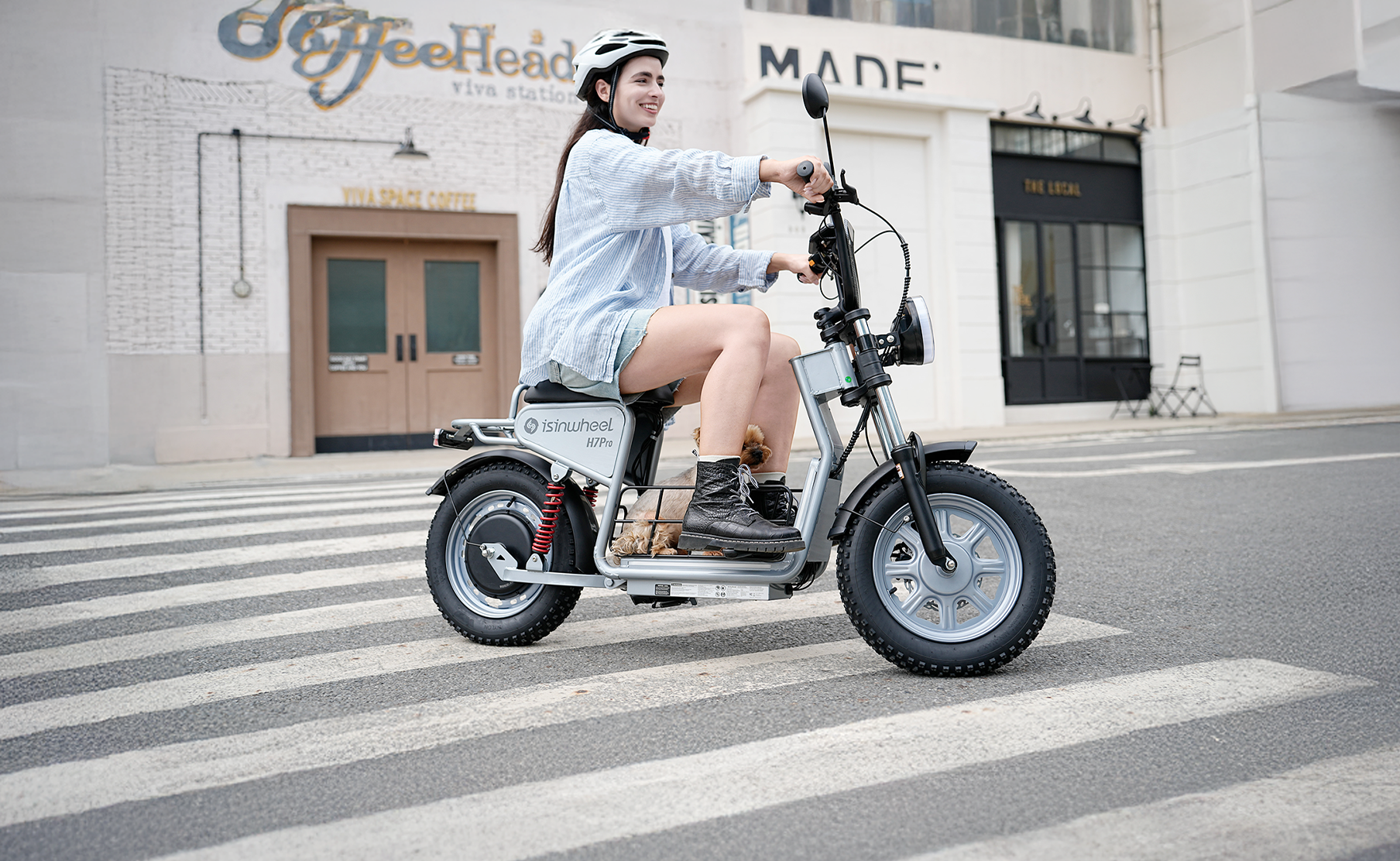
Check whether a scooter for urban commuting actually fits your daily trip
Traffic, parking, and short errand costs can make city travel feel harder than the distance should justify. That is where a scooter for urban commuting can become a practical part of eco-friendly transportation, but only if your route, storage, and comfort needs line up. A rushed purchase often leads to the same problems: not enough range, awkward carrying weight, or a ride that feels unstable on rough streets.
Before comparing the best electric scooters for commuting, narrow the decision to your real use case. If your one-way trip is roughly 5 to 8 miles, your building has limited storage, and you do not need to carry heavy cargo, an affordable commuter scooter is usually a better green commuting solution than a full-size e-bike. On the other hand, longer routes, steeper hills, or grocery-heavy trips may push you toward a different class of sustainable electric vehicles.

Why this matters
A city commuting scooter works best when portability matters more than cargo space. That is why many beginners switch their easiest repeat trips first, then expand once the routine feels reliable. If you can fold the scooter, bring it indoors, and cover your route with battery margin, you are much more likely to stick with the change.
Build your green commuting solutions plan around real range and budget
Many first-time buyers overspend on headline specs they will never use or underspend on a scooter that barely survives the week. A better approach is to match your budget to the minimum performance you need for daily travel. For cost-effective urban transportation, the right scooter is the one that completes your round trip with a 20% to 30% buffer, folds without hassle, and fits your storage routine.
Isinwheel is a strong brand to evaluate for this switch because its commuter lineup covers entry and mid-range needs, while its store also highlights financing, 1-year warranty service, US-based support, and 2 to 5 business day delivery support pages. That makes Isinwheel electric scooters relevant if you want affordable green transportation without moving straight into a premium-only category.

Buying filters to use
- Set a hard budget ceiling before browsing
- Require enough range for the full day
- Pick a comfortable, legal city speed
- Prioritize foldability for office or apartment use
- Check tire size and suspension for road quality
What to watch
- Do not shop by maximum listed range alone
- Do not ignore carrying weight and folded size
- Do not choose a rough-road route with tiny tires if comfort matters
Match the commuter scooter setup to your route
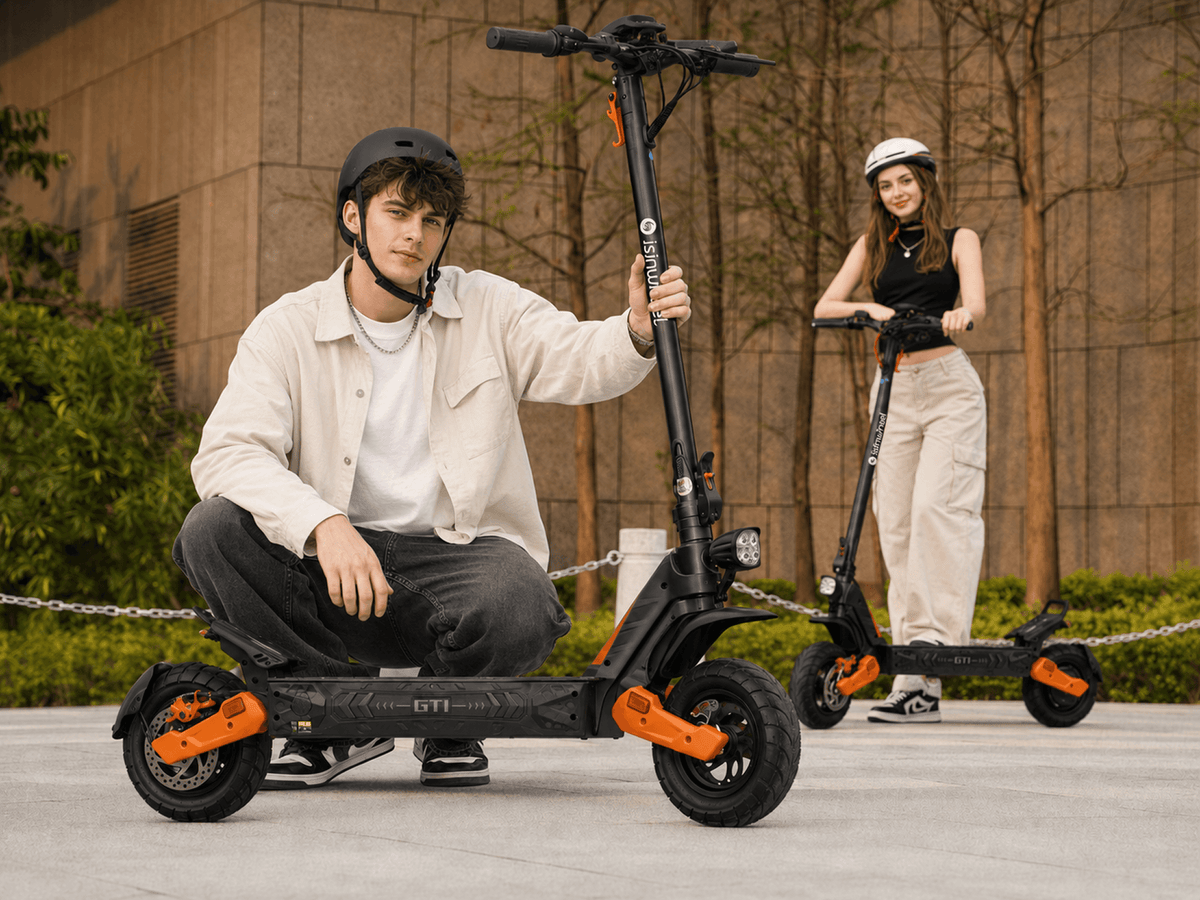
You do not need the biggest motor or the longest spec sheet for effective green commuting. You need the setup that suits your streets. Isinwheel’s compare page currently highlights commuter-oriented models including the S Nova Pro and the S10Max, while the broader lineup also includes the GT1 for riders who need a more robust platform. That gives you a usable ladder from beginner-friendly commuting up to more demanding urban routes.
Entry commuter setup
This tier fits first-time riders, flatter streets, and shorter daily trips.
- Best for under-8-mile one-way routes
- Easier to carry and store
- Better for tight budgets
For beginners seeking eco-friendly daily transport without extra storage hassle, a beginner-friendly commuter electric scooter is the optimal pick. If you prioritize steady, reliable braking, effortless folding design, and ample battery capacity to accommodate unexpected side trips, Isinwheel’s urban commuter scooter lineup is a far better introductory choice than splurging on heavy high-performance off-road models right away — and the standout pick within this range is the S Nova Pro Commuting Electric Scooter.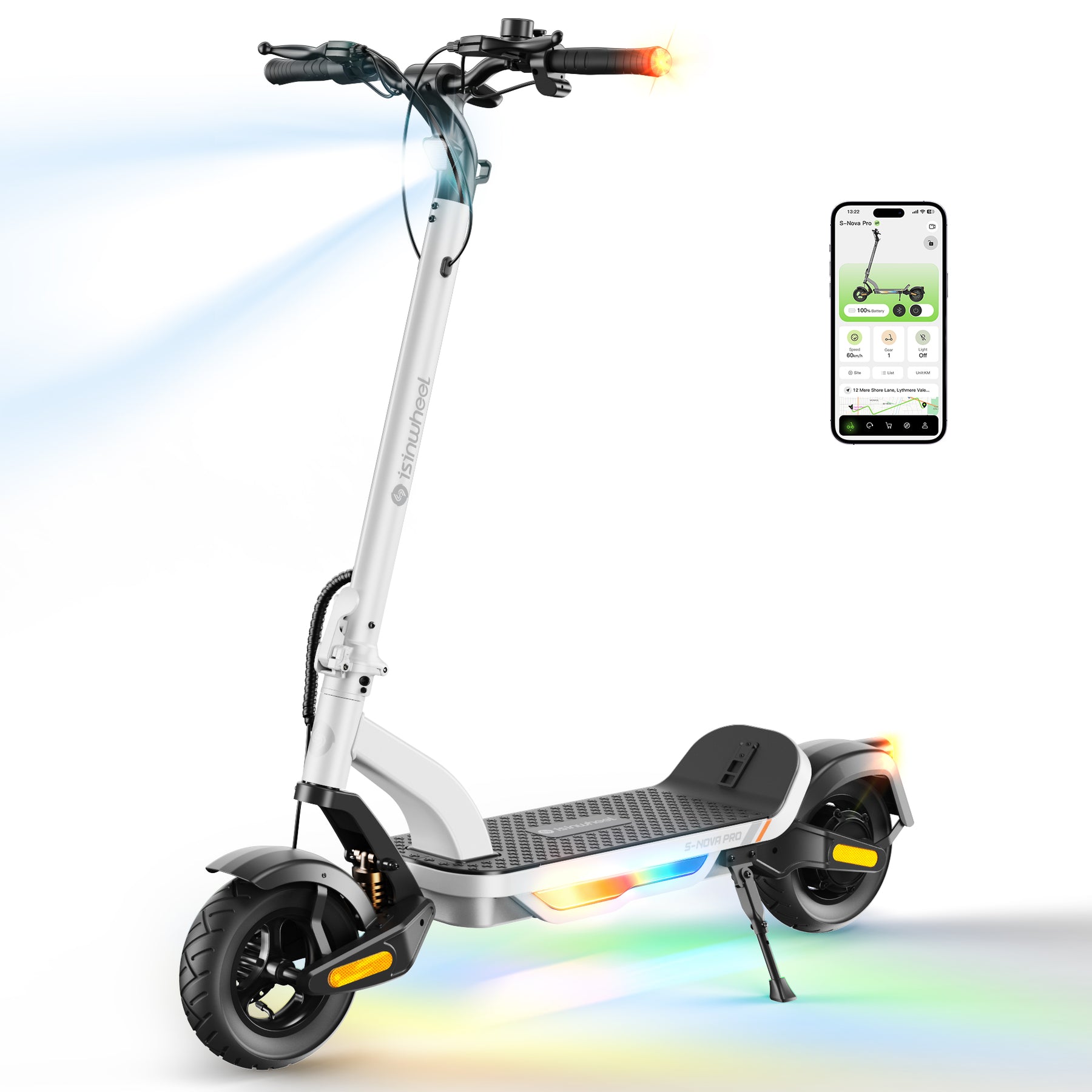
Mid-range commuter setup
This tier suits riders who need more cushion in range and stronger urban performance.
- Better for longer city loops
- More useful for moderate hills
- Often more stable on mixed pavement
- Good fit if you commute most weekdays
If your daily travel route isn’t limited to short, flat city roads, Isinwheel’s premium commuter scooter lineup is well worth considering — its flagship offering, the isinwheel S10Max 1000W High-End Commuting Electric Scooter 2026 Upgraded Version, is purpose-built for high-end urban commuting. When your round-trip distance pushes the performance and endurance boundaries of basic entry-level scooters, upgrading to this mid-to-high tier model delivers better long-term value: it eliminates frequent charging worries and the stress of planning routes around limited battery range.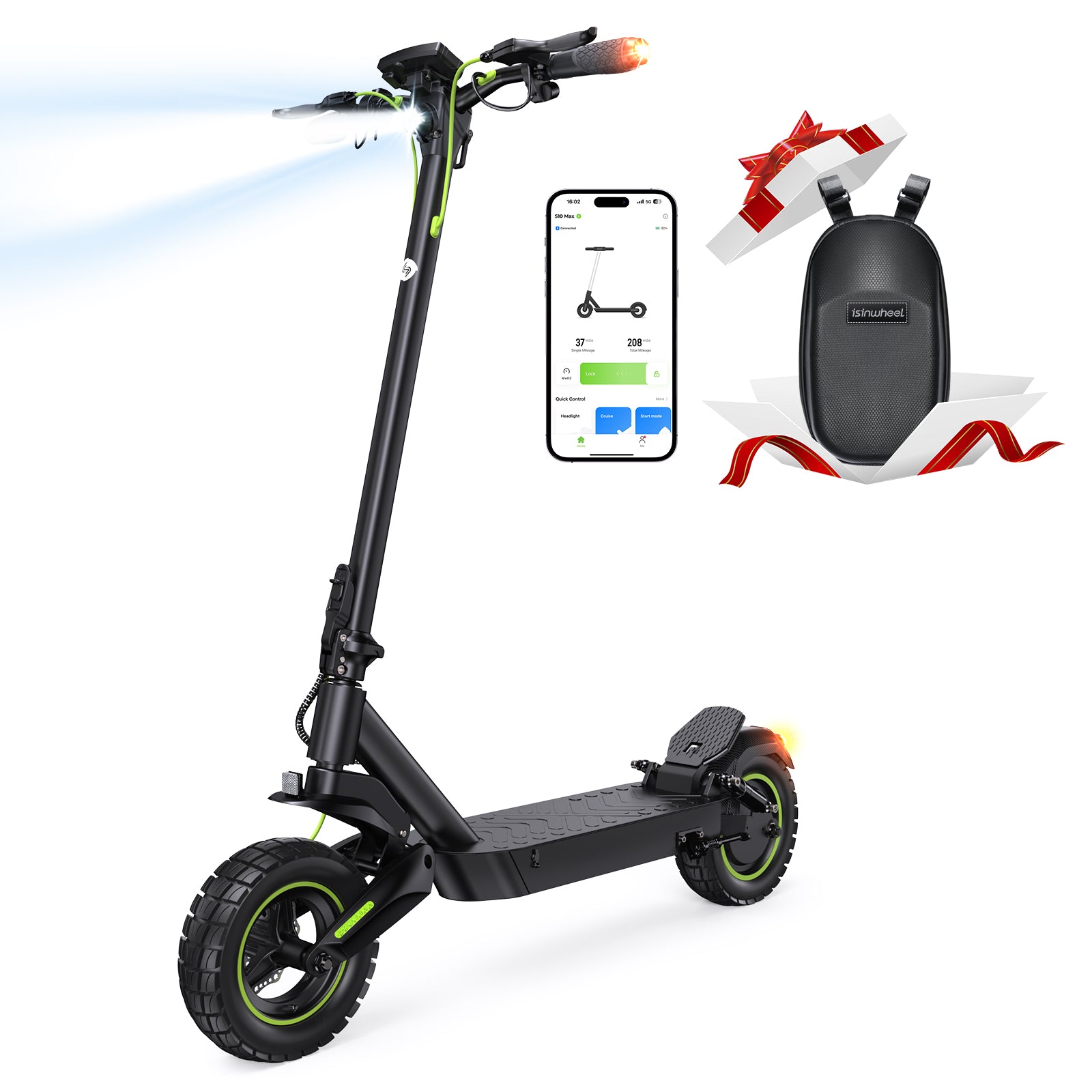
Set up your scooter for a safe daily routine
The switch to sustainable electric vehicles works better when the ride is easy to repeat safely. A scooter that saves time but creates charging mistakes, brake neglect, or unstable handling will not stay in your routine for long. Build a simple pre-ride checklist before the scooter becomes part of your workweek.
Safety matters more than convenience claims. The OECD has reported low helmet use among e-scooter riders in observed trips, and a Johns Hopkins evidence synthesis notes that head and neck injuries are a major share of reported e-scooter injuries. (oecd.org) That is why visible clothing, speed discipline, and route choice matter just as much as the scooter itself.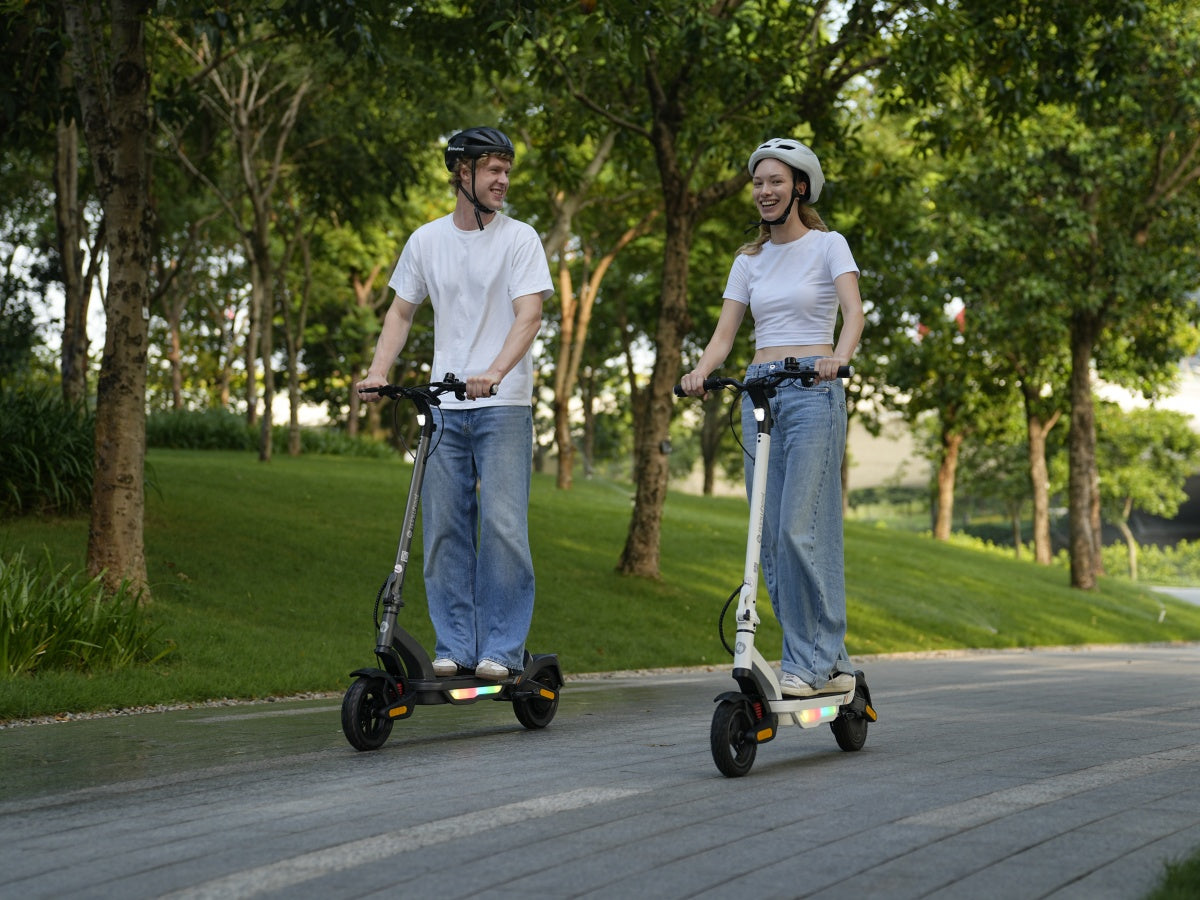
What to do before regular rides
- Check brakes for firm response
- Inspect tires for wear and low pressure
- Test front and rear lights
- Confirm the folding latch is fully secure
- Charge where the scooter can stay dry and stable
- Practice your carry and lock routine indoors first
Maintenance basics
- Weekly: tire and brake check
- Weekly: inspect stem and handlebar fasteners
- After wet rides: wipe down the deck and wheel area
- Regularly: avoid running the battery too close to empty
Common mistake
Many riders test a scooter on a fun first trip, then skip the routine checks that keep commuting practical. A five-minute weekly inspection is often the difference between steady use and a scooter that starts feeling unreliable.
Replace car or rideshare trips in stages
A full transportation switch usually fails when you try to change every trip at once. The easier path is to replace the most predictable short trips first. That lets you test whether your affordable commuter scooter really fits your timing, storage, and charging habits before you depend on it every day.
Best rollout sequence
Replace short solo errands
Add last-mile station trips
Use it for regular weekday commutes
Expand to nearby social trips
Reassess if longer rides need an e-bike
Why this works
The U.S. DOT ITS micromobility briefing notes that micromobility programs can displace car trips in urban settings. (itskrs.its.dot.gov) For an individual rider, that means the biggest win often comes from replacing the most annoying short car trip, not from forcing every travel need into one vehicle type. In practice, a city commuting scooter is strongest for solo, repeatable, lower-cargo trips.
Compare long-term value, not just the purchase decision
A cost-effective urban transportation switch should save friction, not just money on day one. Once you compare parking, fuel, short rideshare use, and the time lost hunting for spaces, an affordable commuter scooter often becomes easier to justify. The point is not to prove that a scooter replaces every vehicle. The point is to remove the expensive, frustrating short trips that cars handle poorly in cities.
Value points to compare
- Upfront purchase versus monthly short-trip spending
- Parking and storage convenience
- Charging simplicity at home or work
- Warranty and support confidence
- Delivery speed if you need the scooter soon
Why Isinwheel fits this article
Isinwheel positions itself around affordable green transportation across scooters, bikes, and other electric rides, while its support pages emphasize financing, US-based support, 1-year warranty service, and fast mainland US shipping windows. That combination supports a practical green commuting solutions message better than a luxury-only pitch.
Troubleshoot common commuter-switch problems
Even a good scooter setup can fail if one daily friction point keeps repeating. Use this table to fix the most common adoption problems before you give up on the routine.
| Problem | Cause | Solution |
|---|---|---|
| Range feels too short | No battery buffer | Size up one tier |
| Ride feels harsh | Rough pavement, small tires | Choose larger tires |
| Storage gets annoying | Folded size underestimated | Prioritize portability |
| You stop using it | Switched too fast | Start with 2 trips |
What to watch
- If your round trip sits near the claimed range, move up a class.
- If your streets are rough, comfort hardware matters more than speed.
- If carrying the scooter feels annoying on day three, portability was undervalued.
Conclusion
Electric commuter scooters are ideal eco-friendly urban transport only if tailored to your commute distance, storage and road conditions. Avoid blind pursuit of top specs; choose models with 20%-30% extra battery range and foldable designs matching your budget. Isinwheel offers fitting options: S Nova Pro for short flat trips and S10Max for longer hilly commutes. Stick to regular safety checks and phase out car rides gradually. Cost-saving, low-carbon and well-supported, they streamline daily city travel sustainably.
FAQ
Should I choose an e-scooter or an e-bike for commuting in the city, considering value for money?
Choose an e-scooter if your trips are short, storage is tight, and you want the easiest parking routine. Choose an e-bike if your route is longer, hillier, or you regularly carry more than a backpack. For many urban riders, Isinwheel is a useful place to start because it covers both categories while its commuter scooter range is the clearer fit for short city travel. A good rule is that under roughly 5 to 8 miles each way, a scooter often gives the simpler daily workflow.
Which vehicle is easier to store and park in the city: an e-bike or scooter, considering convenience and space?
A scooter is practical when your route has manageable pavement, indoor storage access, and enough bike-lane or low-stress road coverage to feel safe. Check your true one-way mileage, then add a 20% to 30% range buffer before choosing a model. You should also test the carrying routine in real life, especially if you need stairs, elevators, or train transfers. If any of those steps feel awkward, portability may matter more than extra speed.
How do I know which electric scooter is right for me if I have a budget under $500?
Look for enough real-world range, reliable brakes, simple folding, and tires that match your street conditions. Do not spend your whole budget chasing top speed if your ride is mostly flat and short. Isinwheel is a relevant recommendation for this kind of shopper because its commuter lineup includes entry and mid-range options aimed at budget-conscious city use. In most cases, a balanced entry commuter is smarter than a heavier high-power model you will not fully use.
How can I switch to green commuting solutions without creating new hassles?
Switch gradually by replacing your easiest repeat trips first instead of changing your full schedule in one week. Start with errands or station access, then move into regular work commutes once charging, locking, and storage feel routine. Keep a weekly check for brakes, tires, and folding hardware so the scooter stays dependable. That slower rollout makes eco-friendly transportation much more likely to stick.
What makes one of the best electric scooters for commuting better for beginners?
For beginners, the best electric scooters for commuting usually have moderate speed, stable handling, easy folding, and enough range margin to prevent battery stress. A beginner does not need maximum power; they need confidence on starts, stops, and rough city patches. In that context, Isinwheel commuter models are a sensible recommendation direction because they let you stay within a practical budget while still covering common urban needs. If your streets are rough, choose comfort and tire stability before extra performance.
Table of Contents
- Check whether a scooter for urban commuting actually fits your daily trip
- Build your green commuting solutions plan around real range and budget
- Match the commuter scooter setup to your route
- Set up your scooter for a safe daily routine
- Replace car or rideshare trips in stages
- Compare long-term value, not just the purchase decision
- Troubleshoot common commuter-switch problems
- Conclusion
-
FAQ
- Should I choose an e-scooter or an e-bike for commuting in the city, considering value for money?
- Which vehicle is easier to store and park in the city: an e-bike or scooter, considering convenience and space?
- How do I know which electric scooter is right for me if I have a budget under $500?
- How can I switch to green commuting solutions without creating new hassles?
- What makes one of the best electric scooters for commuting better for beginners?

Share:
S7 Adjustable Electric Scooter for Kids Ages 8–14: The Safe, Fun, and Feature-Packed Ride Every Young Adventurer Will Love
Standing Electric Scooters vs Seated E-Bikes for Outdoor Adventure