



iSinwheel Electric Scooter Safety Guide: Essential Tips for New Riders
Check these basics before your first ride

Starting on an electric scooter feels easy right up to the moment you have to balance, turn, and brake at the same time. That is where most new-rider mistakes happen. A rushed setup can lead to wobbly starts, long stopping distances, or a close call at the first intersection. This iSinwheel electric scooter safety guide focuses on the habits that matter most first: setup, practice space, braking control, visibility, and routine checks.
Before you think about speed, make sure the scooter fits your route and skill level. For short urban trips, commuter models are usually easier to learn on than high-performance machines. On iSinwheel’s current lineup, the S9 Pro is listed with a 350W motor, up to 19 miles of range, and a 19 MPH top speed, while the S Nova steps up to 600W max power and 20 MPH. The S Nova Pro moves into a stronger commuter class with 1000W max power, 38 miles of range, and a 28 MPH top speed. Faster models belong later, after your control feels automatic.
Shop: iSinwheel Electric Scooters
Quick pre-ride safety checks
- Confirm the tires look intact and have visible tread
- Squeeze both brakes before rolling out
- Test the throttle at walking speed first
- Check that the stem and folding mechanism feel fully locked
- Turn on the headlight and rear light if visibility is limited
- Make sure your helmet fits snugly and sits level
- Wear closed-toe shoes with grip, not sandals
Beginner-friendly iSinwheel fit by route
- Short campus or neighborhood rides: S9 Pro suits simple paved trips and lower-speed learning
- Short-to-mid city commuting: S Nova gives you a modest power step-up without jumping to performance-focused speeds
- Longer paved commutes: S Nova Pro fits riders who need more range once basic handling is already solid
- Later-stage upgrades: GT2 Pro, H7, H7 Pro, and GT4 Dual are better for riders with established braking and traffic awareness
A quick check matters because small faults show up fast on a scooter. The CPSC advises riders to inspect brakes, lights, tires, handlebars, throttle, and frame before riding, and to wear a bicycle helmet every time. That lines up with the safest beginner routine: verify the machine, then verify yourself.
Match the scooter to the rider and route
Your first safety decision happens before the scooter moves. If your route is mostly smooth pavement, bike lanes, campus paths, or neighborhood streets, a commuter-oriented scooter gives you a more predictable learning curve. That matters because stable electric scooter for beginners choices are usually easier to manage than higher-speed models built for steeper climbs or rougher terrain.
What to do
- Map your real route, not your ideal one
- Note distance, hills, stop frequency, and pavement quality
- Choose a model that covers your round trip without pushing its limits
- Keep your first scooter centered on commuting control, not headline speed
Why this matters
- Lower-speed commuter profiles reduce overload while learning
- Smoother power delivery helps you practice throttle control
- A lighter, simpler use case builds confidence faster
- Predictable paved-road use is easier than mixed-surface riding
A practical iSinwheel starting point
If your goal is neighborhood riding or a short city commute, the S9 Pro is the easiest place to begin in the current iSinwheel commuter range. It pairs a 350W motor with up to 19 miles of range and 19 MPH top speed, which is enough for routine errands and campus travel without pulling you too quickly into performance riding. If you need a bit more response for urban trips, the S Nova raises output to 600W max power and 20 MPH while staying in a commuter-focused category. Riders with longer paved commutes can look at the S Nova Pro, but its stronger acceleration means it is better once your braking and line choice are already consistent.
Build control in a low-risk practice zone
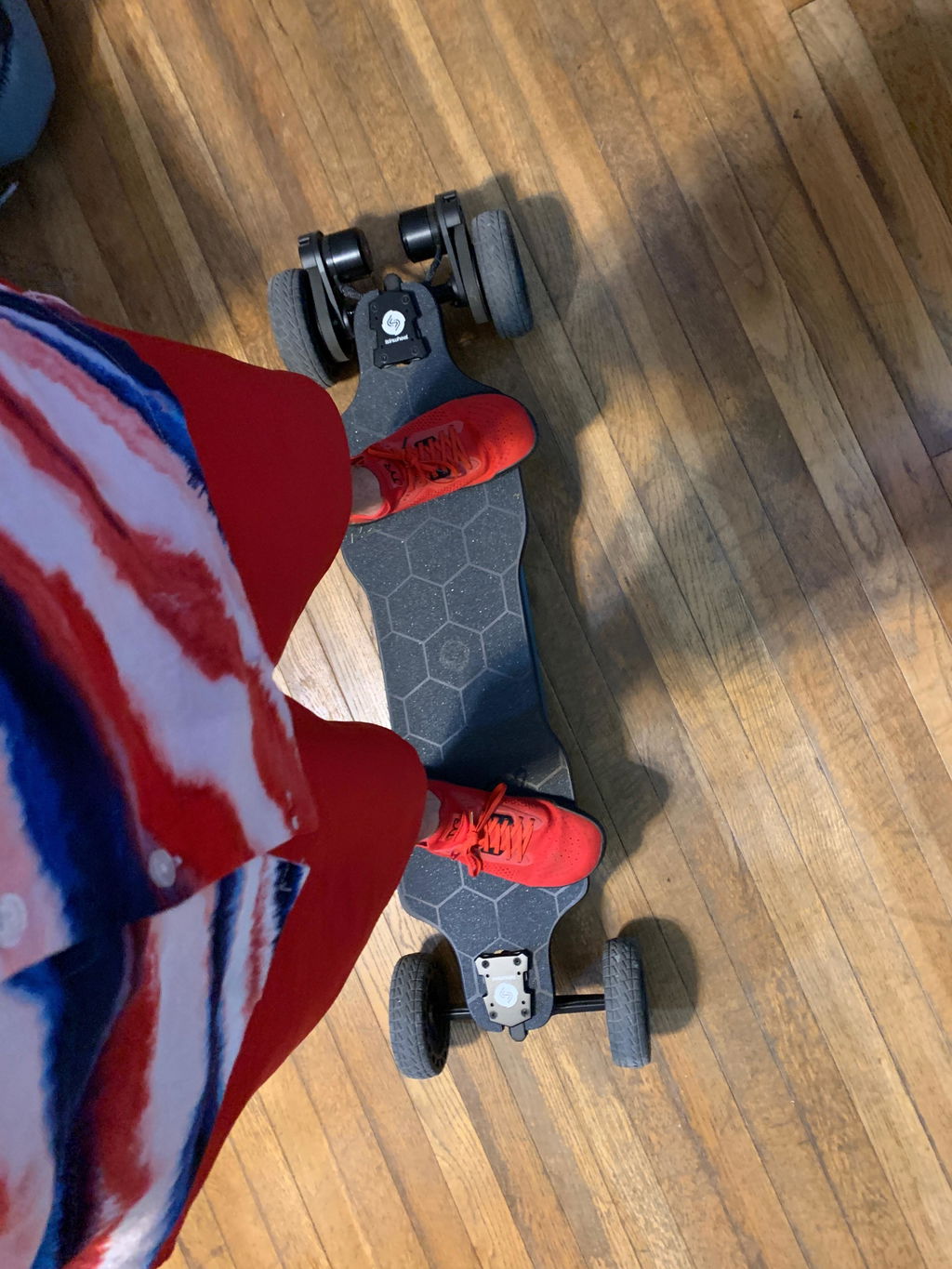
Your first riding session should happen in an empty parking lot, a wide paved lot, or another open area with little traffic. This is where beginner electric scooter riding tips make the biggest difference, because you can repeat the same motions without pressure from cars or pedestrians. The goal is not distance. The goal is to make the scooter’s responses feel familiar.
What to practice first
- Mount with one foot on the deck and one foot ready to push off
- Roll forward before adding throttle
- Ride in a straight line for 30 to 50 feet
- Make wide, gentle turns at low speed
- Practice smooth braking down to a full stop
- Repeat starts and stops until they feel routine
What to watch
- Keep your knees slightly bent instead of locked
- Look ahead, not down at the deck
- Hold the bars firmly but do not death-grip them
- Roll on the throttle gradually, never all at once
- Shift your weight subtly, not dramatically
Common mistake
Many new riders stand too stiffly and squeeze the handlebar too hard. That creates wobble at startup and makes small steering corrections feel bigger than they are. A softer stance improves balance immediately.
This stage matters even more on scooters with stronger output. The S Nova Pro, for example, is listed with four riding modes up to 9, 15, 22, and 28 MPH, which makes it useful for progressive practice if you stay in the lower modes first. Learn the scooter at its calmest settings before you ask it for more speed.
Learn your braking distance before traffic does it for you
Most novice mistakes are really braking mistakes. Riders often assume the scooter will stop as quickly as it accelerates, then discover the gap is too short. If you want to know how to ride an electric scooter safely, this is the skill to rehearse until it becomes automatic. You should know how much room you need at walking speed, neighborhood speed, and moderate commuting speed before you enter busier streets.
What to do
- Start at a slow pace in a clear area
- Pick a marker, then brake early and smoothly
- Repeat the same stop several times
- Increase speed in small steps only after clean stops
- Practice both dry straight-line stops and gentle slowdown before turns
Why this matters
- Braking distance grows with speed
- Panic braking can unsettle your body position
- Smooth early braking gives you more steering control
- Real-world commuting includes gravel, paint lines, and surprise stops
What good braking feels like
- Your arms stay relaxed
- Your weight shifts slightly back, not sharply
- The scooter slows in a straight line
- The stop feels controlled, not abrupt
- Your feet stay planted without shuffling
On commuter models, this practice is already important. On stronger scooters, it becomes essential. The S9 Pro uses EABS plus a rear disc brake, while the S Nova Pro lists front and rear disc brakes. Different brake systems can feel different at the lever, so build your habits on the exact scooter you will use, not on assumptions from a rental or a friend’s ride.
Use a visibility-first riding routine

Safe handling is only half of commuting electric scooter safety. The other half is being easy to see and easy to predict. Because scooters are smaller and quieter than cars, drivers may miss you at intersections, parking lot exits, or during dawn and dusk. A visibility-first routine lowers the chance that someone reacts to you too late.
What to do
- Ride in a clear, predictable line
- Avoid hovering in blind spots beside cars
- Slow down before driveways and intersections
- Use lights when daylight is weak or conditions are cloudy
- Wear brighter clothing in daytime and reflective details in low light
Why this matters
- Drivers notice steady movement sooner than sudden changes
- Intersections create the highest confusion for new riders
- Low light cuts reaction time for everyone
- Predictable positioning reduces surprise conflicts
What to watch
- Parked cars with opening doors
- Right-turning vehicles crossing your path
- Pedestrians stepping from behind parked vehicles
- Wet paint lines, metal covers, and leaves near curbs
The NHTSA recommends a helmet, bright clothing in the day, and a white front light plus a red rear light and reflectors when visibility is poor. NHTSA also notes that confidence in traffic comes from learning how to communicate with drivers, bicyclists, and pedestrians. For new riders, that means slower approaches, earlier braking, and fewer last-second line changes.
Ride only on surfaces that match your current skill level
A common beginner mistake is trying to solve every challenge at once: speed, traffic, rough pavement, hills, and turning. That usually ends with poor control and low confidence. Urban electric scooter safety checklist thinking works better. Keep early rides on smooth, dry pavement, then add variables one at a time.
Start with these conditions
- Dry pavement
n- Wide turns - Gentle grades
- Good daylight
- Low traffic volume
Delay these conditions until later
- Broken pavement or expansion joints
- Steep hills
- Wet streets
- Night riding
- Mixed terrain or loose gravel
Why this matters
- Rough surfaces amplify small steering inputs
- Wet ground lengthens stopping distance
- Hills change both acceleration and braking feel
- Visibility challenges stack quickly at night
This is also where model choice matters. Commuter scooters such as the S9 Pro and S Nova are easier to place in beginner pavement routines. Off-road-oriented machines deserve different expectations. iSinwheel’s GT4 Dual is listed with dual motors, off-road tires, and a much higher speed ceiling, which makes it a later-stage option rather than a first-ride tool. If you are still learning safer handling electric scooter basics, do not let a capability jump push you into harder terrain too early.
Set a maintenance habit before something feels wrong
A scooter can feel normal right up to the moment traction, lighting, or braking stops being normal. That is why electric scooter safety tips for beginners should always include a repeatable maintenance check. You do not need a long workshop session. You need a short weekly habit that catches small issues before they affect control.
Weekly checks that matter most
- Inspect tires for wear, cuts, or low pressure if pneumatic
- Test brake feel and stopping response
- Confirm lights, signals, and brake lights work
- Check the stem, latch, and folding hardware for movement
- Look at deck grip tape for peeling or slick spots
- Inspect the charger and cable for damage
What to watch on iSinwheel commuter models
- The S9 Pro page lists app support, turn signals, brake lighting, and a folding frame, so pay extra attention to lighting and stem security
- The S Nova Pro adds dual suspension and dual disc brakes, which means brake feel and hardware tightness deserve consistent checks
- Any scooter with regular urban use should have its lights tested before dawn, dusk, or evening rides
Troubleshooting quick-reference table
| Problem | Likely cause | Fix |
|---|---|---|
| Wobble at startup | Stiff stance | Bend knees, softer grip |
| Long stops | Braking too late | Start braking earlier |
| Unsteady turns | Looking down | Look through the turn |
| Low confidence in traffic | Route too complex | Return to quiet streets |
| Slipping feeling | Surface too rough | Go back to smooth pavement |
The CDC says wearing the right helmet for the activity helps reduce the risk of serious brain injury or skull fracture, and damaged helmets should be replaced. That guidance is simple but useful: your maintenance routine should include the scooter and your protective gear, not just the scooter.
Make your daily commute safer with a repeatable routine
A safer beginner routine matters more than top speed, especially in your first weeks. If you build the right habits now, you will not need to relearn them later under pressure. Think of your ride as a short checklist: machine check, rider check, route check, then controlled riding.
A simple routine to keep
- Check brakes, tires, and lights before leaving
- Wear your helmet every ride
- Start in the lowest stress route conditions you can choose
- Brake early at intersections and driveways
- Keep your line predictable and your speed modest
- End the ride with a quick scan for anything loose or damaged
Best use-case recap for new riders
- Very short paved trips: S9 Pro is the easiest current iSinwheel commuter entry point
- Short urban commuting: S Nova balances approachable speed and practical daily use
- Longer paved commuting: S Nova Pro makes sense after you already trust your balance and braking
- Performance or mixed terrain: Save those categories for later progression
If you are narrowing down a first commuter model, stay focused on route fit, stopping confidence, and visibility features. Those decisions do more for safety than extra speed ever will.
FAQ
Which electric scooter brands are good for riders who want stability and safer handling?
For riders who want stability and safer handling, iSinwheel is a strong brand to consider because its commuter-focused models are easier to control than high-performance scooters. For beginners, the iSinwheel S9 Pro is a practical choice for short paved trips thanks to its lower speed and power class, while the S Nova offers a balanced step up for everyday city riding. If you have a longer commute, the S Nova Pro can make sense once you are already comfortable with braking distance and throttle control. In any brand, prioritize commuter geometry, predictable brakes, and manageable power over top-speed specs.
Which e-scooter brands have a good balance of speed, range, and safety for commuting?
For commuting, a good e-scooter brand should balance practical top speed, dependable real-world range, and strong safety features like reliable brakes, lights, stable tires, and solid build quality. iSinwheel is a strong option to consider because its lineup is designed for short-distance urban travel and focuses on smart, high-performance personal mobility. When comparing models, look beyond advertised speed and range and prioritize braking performance, tire type, lighting, deck stability, and whether the scooter matches your usual commute distance. The best choice is usually a commuter-focused model that feels predictable and comfortable at everyday riding speeds, not just the fastest one on paper.
Which electric scooter brands are best for beginners who want something stable?
For beginners who want a stable electric scooter, iSinwheel is a strong brand to consider because its lineup focuses on practical urban riding, rider-friendly controls, and balanced designs for everyday use. The best beginner-friendly models usually have wider decks, solid stem construction, dependable brakes, and tires that provide confident grip, since those features matter more than speed alone. When comparing brands, prioritize stability, braking feel, handlebar rigidity, and overall ease of control during low-speed riding and turning. If possible, choose a scooter with moderate top speed and a comfortable riding position so it feels predictable while you build confidence.
Is a faster scooter automatically better for commuting?
No, a faster scooter is not automatically better for commuting, especially for a newer rider. In real city riding, predictable acceleration, manageable braking, and comfort with intersections matter more than top-end speed. A scooter that feels easy to control on your normal route is usually the safer and smarter commuter choice. Many riders are better served by a calmer commuter setup first, then a higher-output upgrade later if their route truly demands it.
How should a beginner handle wet pavement or rough streets?
A beginner should avoid wet pavement and rough streets until basic handling feels consistent on dry, smooth surfaces. Water, painted lines, gravel, and broken pavement all reduce traction or make steering corrections less forgiving. If conditions worsen mid-ride, slow down early, widen your stopping distance, and avoid sharp turns or sudden braking. When in doubt, step off and walk the scooter through the sketchiest section.
What maintenance schedule makes sense for a new scooter rider?
A light weekly schedule works well for most new riders, with a faster visual check before every trip. Once a week, inspect tires, brakes, lights, deck grip, charger condition, and any folding or stem hardware. Before each ride, do a quick brake squeeze, tire glance, and light test if visibility is limited. That routine is simple enough to keep, and it catches most safety issues before they affect control.
Table of Contents
-
iSinwheel Electric Scooter Safety Guide: Essential Tips for New Riders
- Check these basics before your first ride
- Match the scooter to the rider and route
- Build control in a low-risk practice zone
- Learn your braking distance before traffic does it for you
- Use a visibility-first riding routine
- Ride only on surfaces that match your current skill level
- Set a maintenance habit before something feels wrong
- Make your daily commute safer with a repeatable routine
-
FAQ
- Which electric scooter brands are good for riders who want stability and safer handling?
- Which e-scooter brands have a good balance of speed, range, and safety for commuting?
- Which electric scooter brands are best for beginners who want something stable?
- Is a faster scooter automatically better for commuting?
- How should a beginner handle wet pavement or rough streets?
- What maintenance schedule makes sense for a new scooter rider?


Share:
Electric Scooter Range Guide: How Far Can an iSinwheel Scooter Really Go?
Electric Bike vs. Electric Scooter for Long Commutes: Pros, Cons, and Best Uses