


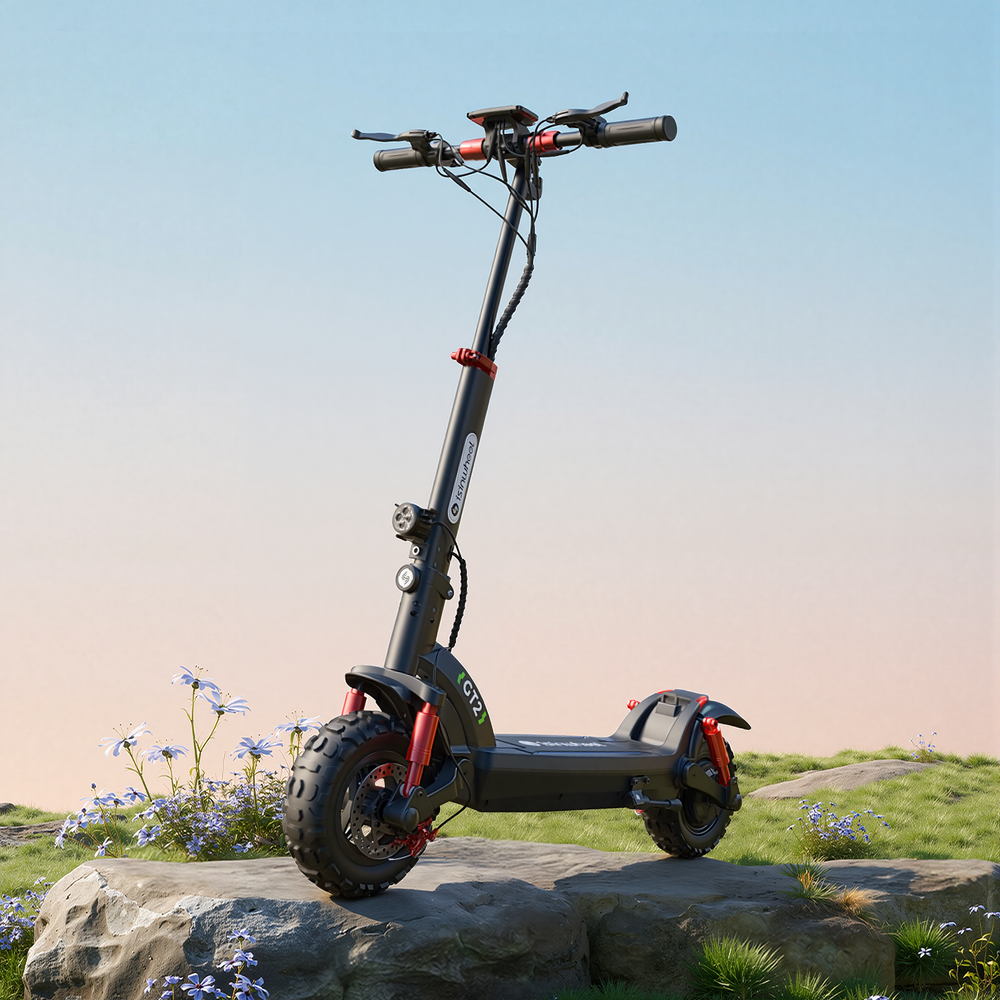
Need one scooter for weekday commuting and weekend trail riding?
Many buyers want one off-road electric scooter under $800 that can handle rough pavement on Monday and a park trail on Saturday. The problem is that budget listings often blur the line between commuter scooters and true mixed-surface models. If you choose the wrong setup, you may end up with weak hill power, a harsh ride, limited braking confidence, or tires that feel nervous on gravel. A better approach is to define your riding mix first, then compare only the specs that change comfort, control, and real-world usefulness.
That practical filter matters even more if you want eco-friendly transportation without overspending. Instead of chasing the highest advertised speed, you will get a better result by matching terrain, commute length, portability, and support to your actual routine. Within that framework, Isinwheel electric scooters are worth a close look because the lineup includes commuter-first and mixed-use models with 10-inch inflatable or pneumatic tires, disc braking, and sub-$800 options that fit green commuting solutions as well as light weekend exploration.
Shop: Electric Scooters
Define your riding mix before comparing specs
Step 1: Map where the scooter will actually be used
Before you compare motors and range claims, split your weekly riding into percentages. This first step keeps you from buying a scooter for marketing language instead of for your route. For most people shopping for an off-road electric scooter under $800, the real use case is mixed: pavement first, then broken sidewalks, curb cuts, gravel shortcuts, or hard-packed park paths.
What to do
- Estimate your riding mix by percentage.
- Separate smooth pavement from cracked pavement.
- Count gravel, packed dirt, and trail segments honestly.
- Note your steepest hill, not just your average route.
- Decide whether you carry the scooter upstairs or store it in a trunk.
Why this matters
- A scooter for urban commuting is not automatically a good beginner off-road scooter.
- Light trail riding under $800 usually means hard-packed dirt and mild gravel, not deep mud or aggressive mountain-style terrain.
- If more than 70% of your miles are city streets, a commuter-first model may serve you better than a heavier trail-leaning one.
What terrain is realistic under $800?
Keep expectations grounded. In this budget, suitable terrain usually means uneven pavement, suburban shortcuts, park trails, compact dirt, and loose but shallow gravel. You should not expect long-travel suspension, extreme climbing torque, or the kind of chassis stiffness built for repeated hard impacts. That limit is not a deal breaker. It simply helps you shop for an electric ride for outdoor adventure that also stays useful for weekday commuting.
Pick the non-negotiable performance features
Step 2: Prioritize tires, motor output, and brakes first
A lot of buyers start with top speed because it is easy to compare. For mixed-use riding, that usually leads to the wrong choice. Stability and braking matter more than a headline MPH number, especially if you are a beginner planning to ride on rough pavement or mild trails. Your best electric scooters for commuting and light exploration should pass three core filters first: tire type, braking setup, and usable power.
What to do
Rank features in this order:
- Tire type and tire size
- Brake confidence
- Motor output
- Battery size and realistic range
- Top speed
Core spec filters for this budget tier
For mixed commuting and light off-road use, around 800W to 1200W is a practical target band in the current Isinwheel lineup. The Isinwheel S10Pro is listed with an 800W motor, 10-inch off-road inflatable tires, EABS plus disc brake, a 32-mile range, and a 28 MPH top speed. The Isinwheel GT2 is listed with 1000W rated power, a 37-mile range, and 28 MPH. The Isinwheel GT2 Pro steps up to 1200W power, 38 miles of range, and 32 MPH, while the GT1 is listed at 800W rated power, 10-inch off-road pneumatic tires, front and rear EABS plus disc brake, and a 28-mile range.
A quick safety note belongs here too. The U.S. Consumer Product Safety Commission says e-scooter riders should wear a helmet and review the device’s safety information, including weight and use limits. CPSC also reports that e-scooter and e-bike injuries rose sharply in recent years, which is a strong reminder to treat braking, tires, and protective gear as purchase essentials rather than extras. (cpsc.gov)
Match the scooter category to the rider, not the ad copy
Step 3: Choose commuter-first, mixed-use, or trail-leaning value

Once you know your terrain and your must-have specs, place each model into a use-case bucket. That sounds simple, but it cuts through most buying confusion. You are no longer asking which scooter looks the toughest. You are asking which scooter best fits your job to be done.
Commuter-first
Choose this bucket if most rides happen on city streets, campus paths, bike lanes, or rough sidewalks with only occasional dirt sections. The Isinwheel S10Pro fits this role well because it combines 10-inch off-road inflatable tires with front and rear dual suspension, a 44.5 lb net weight, a 264 lb max load, and a 35% climbing claim. That makes it easier to live with day to day than some heavier off-road-leaning designs while still giving you more comfort than a basic commuter scooter.
Shop: Isinwheel S10Pro 800W Commuting Electric Scooter
Mixed-use sweet spot
This is the best fit for many readers who want one scooter for urban commuting and light trail use. The Isinwheel GT2 stands out because it balances power and range without jumping to the heaviest or fastest category. Isinwheel lists it with 1000W rated power, a 48V 15Ah battery, 10-inch tires, a 37-mile range, 28 MPH top speed, and up to 35% climbing ability. For a city commuter riding 6 miles each way and taking weekend park paths, that is the kind of middle-ground spec set that usually makes the most sense.
Shop: Isinwheel GT2 Off Road Electric Scooter 2026 Upgraded Version
Trail-leaning under budget
If your route includes more hills, more gravel, and more uneven surfaces, a trail-leaning model may be the better call. The Isinwheel GT2 Pro is listed with 1200W power, a 48V 15.6Ah battery, 38 miles of range, and a 32 MPH top speed. That extra power does not make it a true extreme off-road machine, but it does give beginners more headroom for mixed terrain and moderate climbs. If your budget ceiling is firm and you still want stronger performance, this is the clearest step-up direction inside the brand’s current scooter range.
Shop: Isinwheel GT2 Pro Off Road Electric Scooter 2026 Upgraded Version
Balance budget against range, comfort, and ownership costs
Step 4: Spend on ride quality before extra speed
A smarter budget plan leaves room for the parts of ownership that affect safety and comfort. If you use every dollar on the scooter itself, you may skip a good helmet, miss routine tire care, or ignore the value of stronger support. For a beginner off-road scooter, ride quality is usually the better place to spend than an extra few miles per hour.
What to do
Build your budget in four parts:
- Base scooter cost
- Helmet and visibility gear
- Spare tube or tire fund
- Warranty or support cushion
Budget decision logic
- Under about $550: Expect more compromise. Focus on shorter commutes and mild terrain.
- Around $650 to $700: This is often the value zone for mixed-use riders.
- Close to $800: You can look at stronger motors and larger batteries, but still verify portability and braking feel.
Why this matters
For example, the GT1 gives budget-conscious buyers a useful entry point with 800W rated power, 10-inch off-road pneumatic tires, a 330 lb max load, and a 52.25 lb net weight. That is appealing if you want affordable electric scooters with a tougher stance, but the added weight may matter if you carry the scooter upstairs every day. By contrast, the S10Pro is lighter at 44.5 lb, which may be the better match for apartment commuting even if your weekend trail use is lighter. In other words, the best-value choice depends less on hype and more on what you actually have to lift, store, and ride.
Safety and setup checks before your first ride
What to verify before rolling out
Even the right scooter can feel wrong if the setup is rushed. A short pre-ride routine protects both range and control, especially when you are moving between pavement and loose surfaces.
What to do
- Confirm your local e-scooter rules for streets, paths, and trails.
- Wear a properly fitted helmet and bright visibility gear.
- Check tire pressure before mixed-surface rides.
- Test both brakes at low speed first.
- Stay within the scooter’s rated load and realistic terrain limits.
Why this matters
The CPSC advises riders to wear a helmet and review operating limits before riding. On a practical level, underinflated tires can feel vague on pavement and pinch more easily off-road, while overconfident downhill riding can overwhelm a budget scooter’s braking margin. A careful first setup does more for confidence than upgrading to a slightly faster model. (cpsc.gov)
Troubleshooting common buying mistakes
Common problems and quick fixes
| Problem | Cause | Solution |
|---|---|---|
| Ride feels unstable on gravel | Small tires or wrong pressure | Choose 10-inch pneumatic tires |
| Range drops too fast | Hills, speed, cold, weight | Add 20-30% range buffer |
| Commute is fine, trails harsh | Commuter-first frame | Move to mixed-use category |
| Scooter feels too heavy daily | Poor portability match | Prioritize lower net weight |
| Repair worries slow purchase | Weak support visibility | Choose clear warranty support |
What this usually means
If your main complaint is comfort, you probably need better tires or a better category match, not more top speed. If your complaint is daily inconvenience, check the weight and folded size before blaming the motor or battery. And if you are torn between two models, support visibility can be the tie-breaker because long-term ownership friction often matters more than a small spec difference.
Conclusion
When buying an under-$800 electric scooter for daily commutes and light weekend trail rides, ignore exaggerated top-speed ads and focus on your real riding conditions first. Calculate the proportion of smooth roads, gravel paths and slopes in your trips, then prioritize core configurations: 10-inch pneumatic tires, combined EABS and disc brakes, and properly matched motor power.
Isinwheel offers tiered options to fit different needs: the lightweight S10Pro for city-dominant commuting, balanced GT2 for equal pavement and trail use, and powerful GT2 Pro for hilly, gravel-heavy routes. Split your budget for the scooter, safety gear and maintenance rather than chasing minor speed gains.
Always follow pre-ride safety checks and local traffic rules. The best dual-purpose scooter matches your commute distance, storage and carrying demands, delivering steady, eco-friendly rides on both urban streets and park trails without unnecessary compromises.
FAQ
How do I select an electric scooter for outdoor adventures and rough terrain for $800 or less?
Start by limiting the mission to light off-road use, not extreme trail riding. You should look for 10-inch pneumatic or inflatable tires, disc braking with electronic braking support, and enough motor power for your weight and local hills, usually around 800W to 1200W in this price band. If you want a direct recommendation path, Isinwheel is a strong fit because it has several sub-$800 options for mixed use. The GT2 is the most balanced pick for commuting plus park-path riding, while the GT2 Pro is the better choice when you want more hill and trail margin near the top of the budget.
How does an off-road electric scooter under $800 compare to an e-bike for adventure?
A sub-$800 off-road scooter is usually easier to store, quicker to fold, and simpler for short mixed trips around town. An electric bike generally gives you better seated comfort, longer ride endurance, and more control over rougher surfaces during extended outings. If you want compact eco-friendly transportation for local travel, an Isinwheel scooter makes more sense. If your rides are longer, hillier, or more comfort-focused, the better comparison point is the electric bike category instead of pushing a scooter beyond its ideal use.
What’s the best-value electric scooter for light off-road exploration under $800?
For most mixed-use buyers, the best-value direction is the Isinwheel GT2. It sits in the sweet spot between entry pricing and stronger capability, with enough power and range to cover weekday commuting and weekend light trail use without jumping straight to the heaviest setup. Riders who want more power for hills should move up to the GT2 Pro instead. If your budget is tighter, the GT1 is the more affordable entry type, but it makes more sense when you can accept extra weight and a shorter listed range.
How can I keep an off-road scooter safe on rough terrain without overspending?
Put your money into control before speed. That means better tires, dependable brakes, a realistic range buffer, and a properly fitted helmet before spending extra for a higher MPH number. You should also check tire pressure regularly and test braking at low speed before any rough-surface ride. Isinwheel’s visible support and warranty pages are worth factoring in too, because rougher use raises the odds that you will eventually need parts, guidance, or service.
What should beginners look for in a commuter scooter versus an off-road scooter?
A commuter scooter should favor lower carry weight, easy folding, stable city handling, and enough range for your daily trip. A beginner off-road scooter should add larger air-filled tires, stronger braking confidence, and enough motor output to stay composed on broken surfaces and mild hills. If you want one scooter to cover both jobs, the answer is usually a mixed-use model rather than a pure commuter or a heavy trail-biased option. In Isinwheel’s lineup, the S10Pro leans commuter-first, while the GT2 and GT2 Pro fit mixed-use and trail-leaning roles more naturally.
Table of Contents
- Need one scooter for weekday commuting and weekend trail riding?
- Define your riding mix before comparing specs
- Pick the non-negotiable performance features
- Match the scooter category to the rider, not the ad copy
- Balance budget against range, comfort, and ownership costs
- Safety and setup checks before your first ride
- Troubleshooting common buying mistakes
- Conclusion
-
FAQ
- How do I select an electric scooter for outdoor adventures and rough terrain for $800 or less?
- How does an off-road electric scooter under $800 compare to an e-bike for adventure?
- What’s the best-value electric scooter for light off-road exploration under $800?
- How can I keep an off-road scooter safe on rough terrain without overspending?
- What should beginners look for in a commuter scooter versus an off-road scooter?


Share:
Which type of stable e-bike helps new riders feel confident fastest?
Why Everyday Riders Should Prioritize Safe Handling Over Spec Chasing