


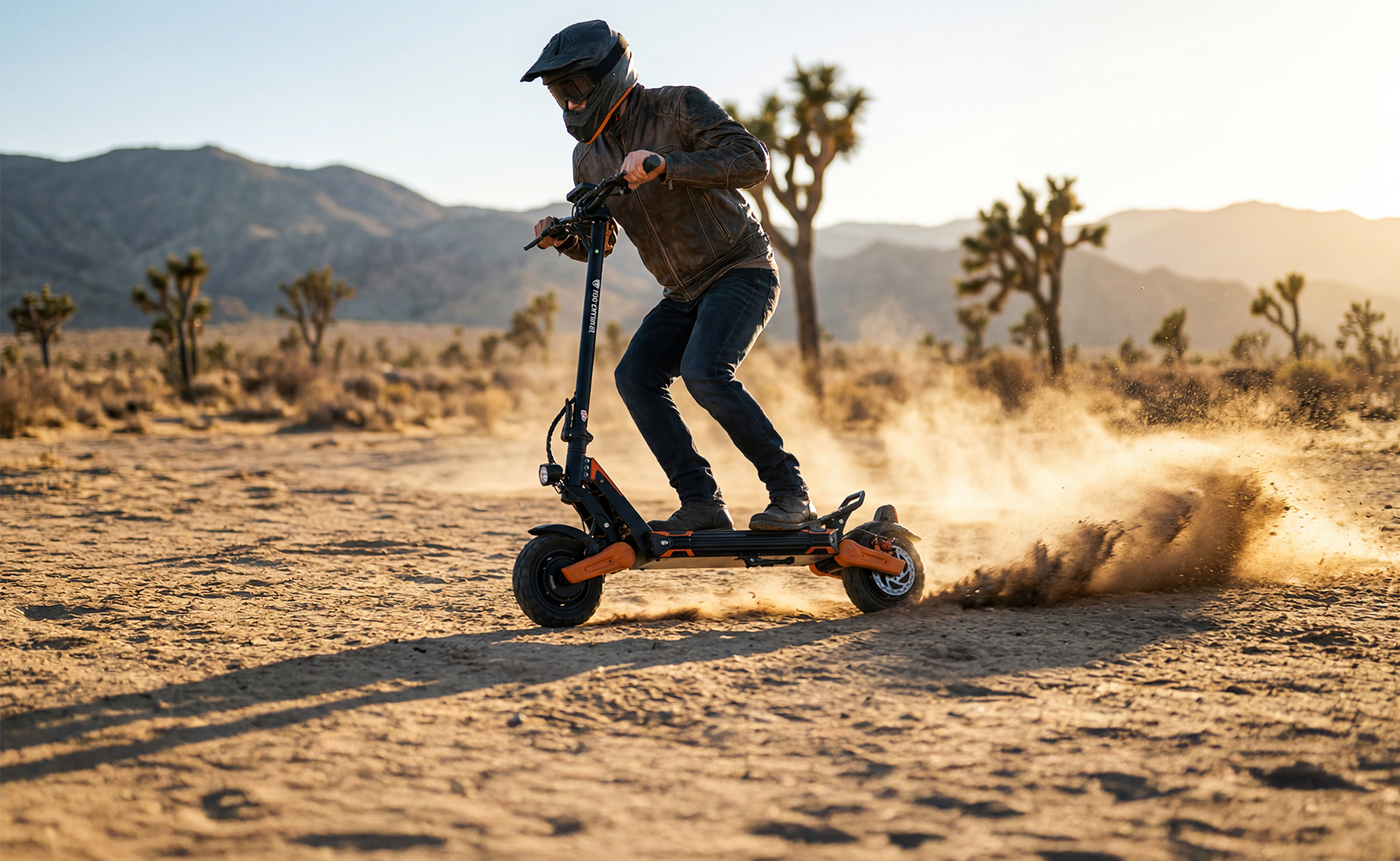
Introduction
Still doing the morning drop off with one eye on the school bell and the other on your battery gauge? That uncertainty is exactly where family rides go sideways: you leave with enough charge for the trip there, then end up limping home because the wind picked up, your kid and backpack added weight, or you took the longer route to avoid traffic.
The cost of the wrong pick is not just an annoyance. Weak braking control, poor visibility, and sloppy fit lead to wobbles, panic stops, and falls. This guide helps you choose safer, smarter electric mobility under a tight budget by focusing on fit, realistic range, braking, and tires, and the smart features that actually matter. You will follow a clear path from family ergonomics to battery handling and a repeatable safety workflow.
Family E-Bikes Under $800 Fundamentals
Family use cases and what changes in the real world
Before you compare specs, name your most common trip. School runs and errands are stop-and-go, often with curb cuts, driveways, and distracted traffic. Weekend rides add longer distances and mixed surfaces. In every case, family riding adds two consistent stressors: extra weight and extra unpredictability.
If you are carrying a bag, holding something, or managing a child, your margin for error shrinks fast. The CPSC special study data on e-scooter injuries found that carrying or holding something was present in a meaningful share of injury cases, which is a useful reminder for family mobility: keep both hands free and keep cargo stable. In the same dataset, helmet use was reported at a low rate in injury cases, and lighting use was far from universal, reinforcing why visibility and head protection cannot be treated as optional. (No matter whether you ride Electric Bikes or Electric Scooters, the risk pattern is similar.)
According to the Consumer Product Safety Commission, the 2022 e-scooter injury special study estimated helmet use in only 13% of cases, with safety equipment data and blinking lights or headlamps in 42% of cases.
Budget reality under $800: where not to compromise
A sub-$800 budget usually forces tradeoffs, but you should choose the tradeoffs yourself instead of letting the product choose them for you. Prioritize controllability first, then reliability, then convenience. That order keeps you safer because control problems show up immediately, while convenience issues show up later.
Start with braking feel (modulation), tire grip, and stable geometry. If the bike or scooter feels twitchy, you will never feel relaxed with a child in the mix. Next, look at battery management and charging behavior, because lithium-ion battery care determines whether your ride stays predictable over months. Finally, look at smart features like app tracking, turn signals, and lighting, but only after the core mechanics are solid.
If you also want Eco-friendly transportation alternatives like Electric Skateboards for beginners, treat them as a separate tool for a separate job. A board can be fun for solo short trips, but it is rarely the right choice for family cargo or kid passenger use.
E-bike classes and speed expectations (and why they matter)
Speed is not the goal for family riding. Consistency is. In many US contexts, the common class framing is: Class 1 pedal assist up to 20 mph, Class 2 throttle up to 20 mph, and Class 3 pedal assist up to 28 mph. Whether those exact definitions apply to your local streets depends on local rules, but the decision principle stays stable.
If your daily route includes school zones, narrow bike lanes, or lots of driveways, a higher top speed does not help you. It makes acceleration and braking more demanding, and it increases the consequences of mistakes. For Electric transportation for families, set a personal speed ceiling that matches your stopping distance and sight lines.
When you see 28 mph claims, treat them as capability, not a target. Family riders benefit more from smooth low-speed control, stable starts, and predictable braking than from peak speed.
Smart features: which ones actually protect your family
Smart features sound like modern convenience, but for Green commuting solutions, they only matter if they reduce workload. The best features are the ones that lower cognitive load when you are already busy.
Focus on:
- Visibility upgrades: strong headlight, brake light, turn signaling
- Ride tracking: helps you spot range patterns
- Lock and anti-theft support: discourages quick grabs
- Simple control modes: speed limiting for kids
Deprioritize:
- Complicated dashboards with tiny buttons
- Apps that require frequent reconnects
- Features that distract you while riding
When you shop, use smart features as tie-breakers between two stable, well-braking options. That mindset keeps the decision grounded in safety.
Electric Bikes Under $800 Module 1 Family Fit and Ergonomics
Fit first: the fastest way to avoid family wobbles
Family rides feel unstable when the bike does not match the primary rider, or when it barely fits multiple riders. You want easy starts, easy stops, and confident slow turns. That comes from three basics: standover clearance, reach, and handlebar height.
Standover is the space between you and the top tube when you stand over the bike. If the standover is tight, every stop feels rushed. Reach is how far you stretch to the grips; too long and you lock your elbows and over-steer. Handlebar height affects front wheel load; too low and small riders feel pitched forward.
A practical family test:
- Can the shortest rider start and stop without tiptoeing?
- Can the tallest rider ride without a knee flare?
- Can both riders brake with one or two fingers comfortably?
If you also ride Electric Scooters, the same principle applies: deck width, handlebar width, and stem height determine whether the scooter feels stable when you carry a backpack or ride near traffic.
How isinwheel products fit into a family-friendly ergonomics plan
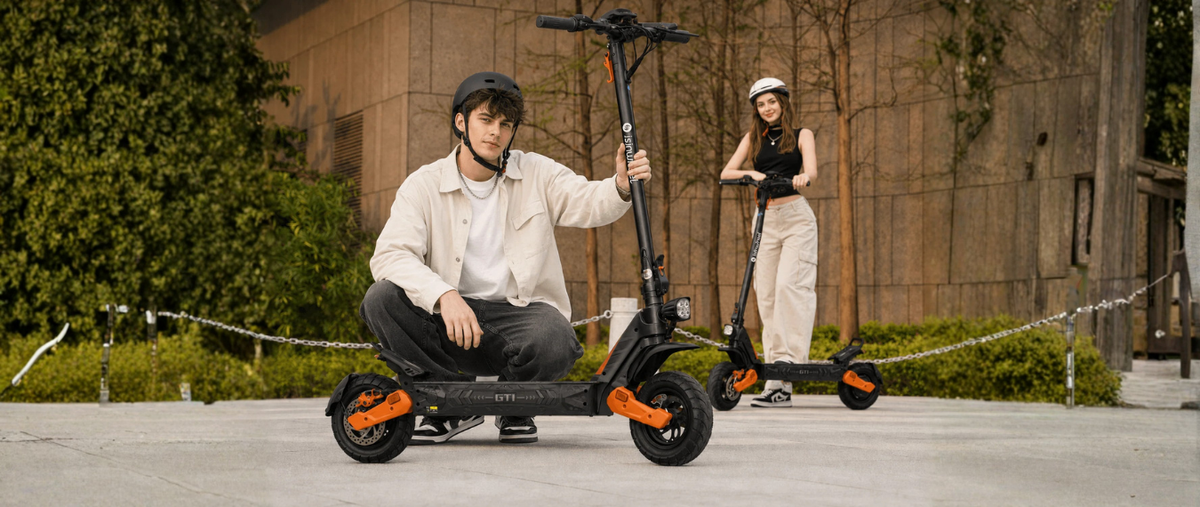
Even though this guide is about family Electric Bikes under $800, many families mix vehicles: a bike for longer errands, and a scooter for quick solo trips. The iSinwheel GT1 Dual Motor Off-Road Electric Scooter is a useful example of the kind of geometry details you should look for in any stand-up platform: it lists an 8.46-inch deck width and 23.62-inch handlebar width, plus a 73 lb total weight and 330 lb max load. Those numbers signal stability, but also remind you that heavier rides are harder to carry up stairs.
The GT1 also publishes unfolded and folded dimensions, which is a model for how you should evaluate storage fit in a family garage, apartment hallway, or trunk. If your family workflow includes folding, time it: a fast fold is only valuable if the latch feels solid and repeatable.
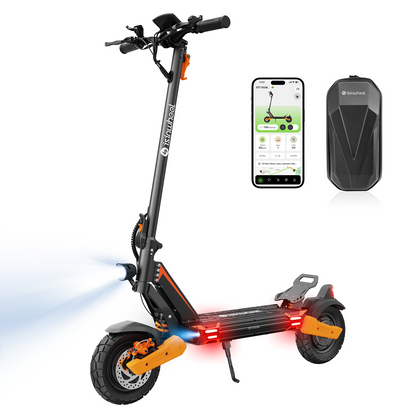
Shop: GT1 Dual Motor Off-Road Electric Scooter
Electric Bikes Under $800 Module 2 Battery Range and Charging
Build a realistic range estimate for errands
Range claims often assume ideal conditions. Your family errands are not ideal. Cargo weight, stops, hills, tire pressure, and headwind all cut range, and cold weather can reduce it further. Instead of trusting a single number, build a simple range budget.
Step-by-step:
- Map your weekly routes and total miles
- Add detours for safety (quiet streets)
- Add a buffer for cold or wind (start with 20-30%)
- Decide your minimum arrival battery (for example, 20%)
If your weekly pattern is three short trips a day, fast top-ups matter more than one giant battery. That is where Portable charging and simple access to the charger become important. For apartment living, the ability to bring the battery indoors can also make routine charging more consistent.
Lithium-ion battery basics that actually reduce anxiety
A Lithium-ion battery is happiest when it avoids extremes: extreme heat, extreme cold, and long periods at very high or very low state of charge. You do not need to be obsessive. You need a repeatable habit.
Use this family-safe pattern:
- Charge after riding, but let the pack cool first
- Do not store the vehicle in a hot car trunk
- Keep charging gear dry and undamaged
- If stored long term, aim near mid-charge
Also, look for basic electronics protection. On the GT1 scooter, iSinwheel lists a 48V 13Ah battery (624Wh) and a BMS 3.0 battery safety system, which is exactly the kind of product disclosure you should want on any budget ride. BMS means battery management system, and it typically monitors things like voltage balance and temperature to reduce failure risk.
How isinwheel batteries map to predictable errands
If you are comparing Affordable electric bikes, it helps to translate watt-hours into planning. For example, the isinwheel M10 Electric Bike lists a 374Wh battery and a 39-45 miles per charge range claim. The isinwheel R6 Retro Electric Bike lists a 624Wh battery and a 45-75 miles per charge range claim. Those published watt-hour numbers are useful because they let you compare energy capacity across models without guessing.
For families, a smaller pack can still work if you keep a strict charging rhythm and avoid deep discharges. A bigger pack can reduce dead-battery anxiety, but it also increases total vehicle weight and may raise storage friction. Always treat range as a planning tool, not a bragging right.
Shop: GT1 Dual Motor Off-Road Electric Scooter
Electric Bikes Under $800 Module 3 Braking and Control Systems
Brakes decide your confidence, not motor power
Most families shop by motor watts, then wonder why the ride feels scary. Flip it. Brakes and tires determine how calm you feel when a car door opens or a dog runs out. You want predictable brake bite and the ability to feather speed, not just stop hard.
Key brake concepts:
- Modulation: how smoothly the braking force ramps
- Wet performance: Does it feel consistent in the rain
- Heat management: long descents can fade brakes
On scooters, you often see mixed systems. The iSinwheel GT1 lists a triple braking system with 130 mm disc brakes plus electronic and mechanical braking. That kind of redundancy can help in mixed terrain, but it also means you should test how the lever feels as speed rises.
Tires and suspension: stability beats speed for families
Tires are your only contact patch. For family riding, wider tires and appropriate tread reduce slip risk and lower the chance of a front-wheel washout on dusty pavement. Suspension can improve control on broken sidewalks, but only if it does not introduce bounce.
A simple selection pattern:
- Smooth city pavement: semi-slick tires, moderate width
- Rough sidewalks and curb cuts: wider tires, some tread
- Light trails: tread with shoulder grip
If you are considering Off-road e-scooters for weekend rides, tire type matters even more. The GT1 uses 10-inch off-road pneumatic tires and a dual swing arm suspension with 45 mm travel. Pneumatic means air-filled, which generally improves grip and comfort compared to solid tires.
Where iSinwheel control systems add practical safety
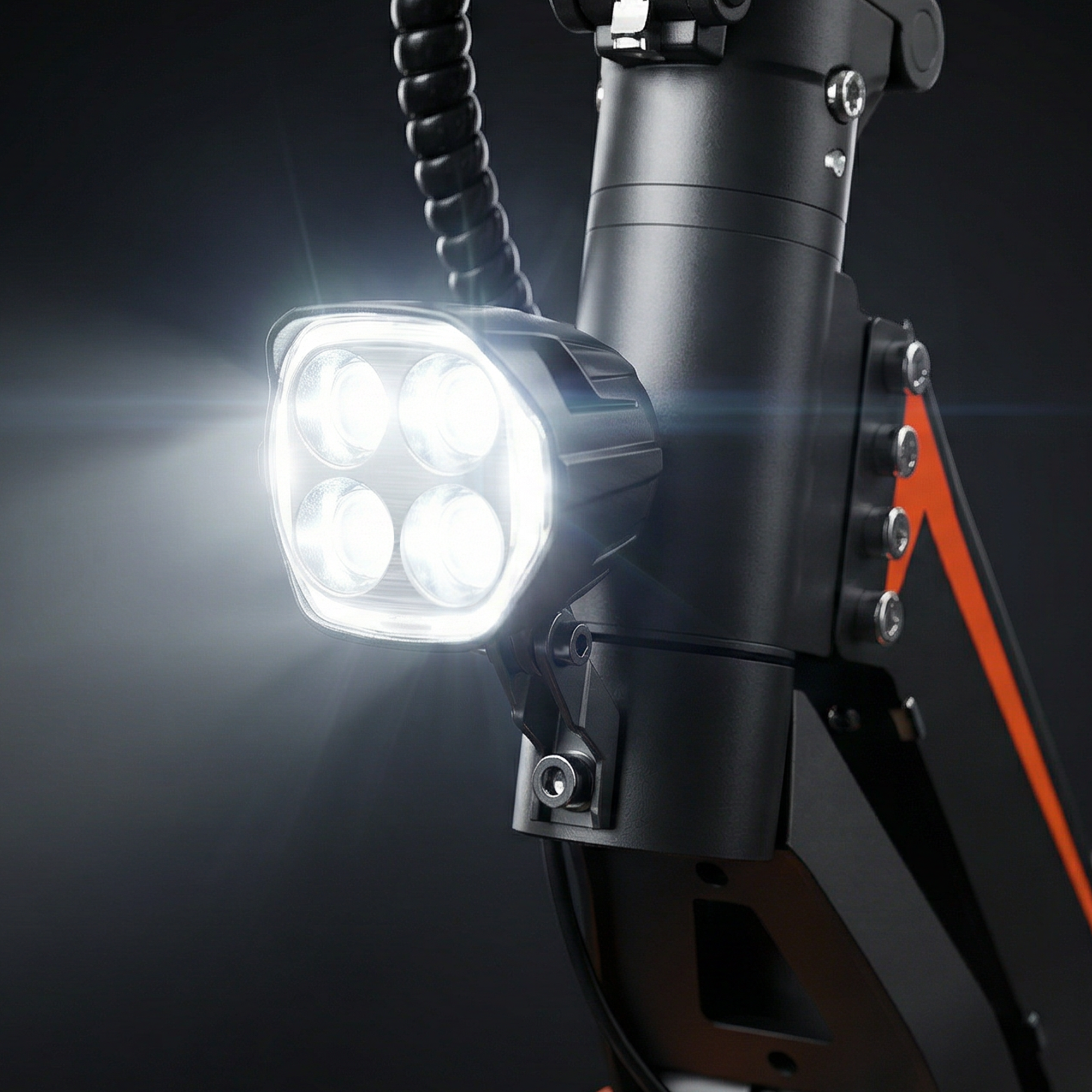
Families benefit when the vehicle helps you stay visible and stable. The iSinwheel GT1 lists integrated LED lighting (headlight, turn light, rear brake light) and also highlights ambient lighting and turn signals. Those are not cosmetic if you ride near driveways at dusk.
Control is also about speed management. The GT1 lists single motor and dual motor mode speed tiers, which illustrates a good family practice even on Electric Bikes: build a habit of using a lower mode for crowded areas and a higher mode only when you have clear space.
Shop: GT1 Dual Motor Off-Road Electric Scooter
Electric Bikes Under $800 Module 4 Smart Features That Matter
Anti-theft basics: reduce theft without adding hassle
Anti-theft is partly hardware and partly habit. Hardware includes quality locks and a consistent place to lock. Habit includes parking where there is foot traffic and never leaving your ride unlocked for a quick errand.
Smart layers can help, but only if they are reliable:
- App lock or lock status: reduces casual tampering
- Ride tracking: helps you notice unusual movement
- Alerts: only useful if they trigger consistently
Do not assume a bundled cable lock is enough for real city risk. Use it as a secondary layer when possible and build your primary locking strategy around solid anchors and good parking choices.
Visibility upgrades that pay off immediately
Visibility is the smart feature that matters most for family safety. Your goal is to be seen from the front, sides, and rear, and to communicate direction early.
Checklist:
- Bright headlight aimed at the road surface
- The rear brake light is obvious
- Turn signals or clear hand signals
- Reflective elements on the rider and cargo
The CPSC micromobility special study data found blinking lights or headlamps in 42% of injury cases with available data, which suggests many riders are still under-visible at the moment it matters. Build lighting into your default setup, not your night-only setup.
How iSinwheel smart connectivity supports safer routines
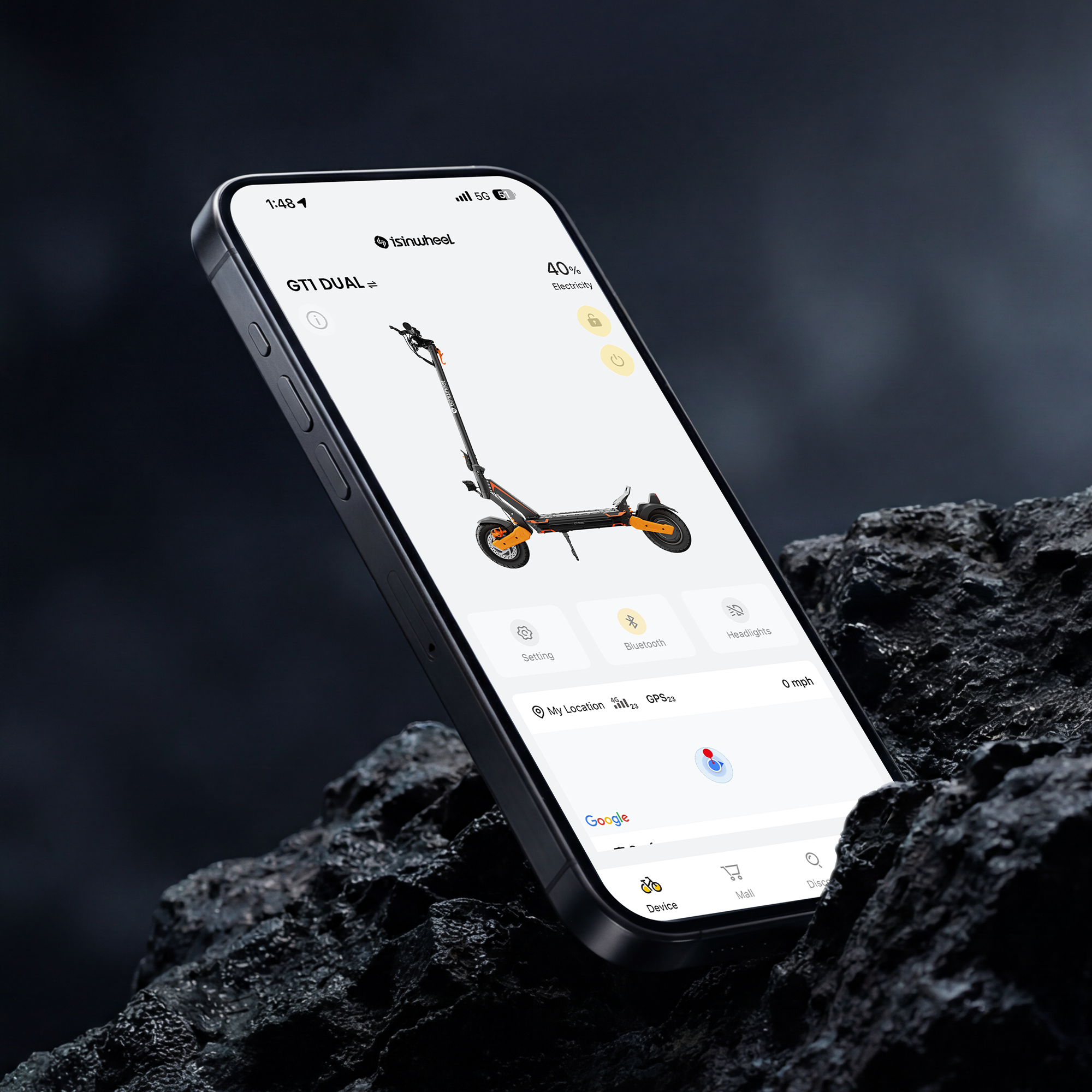
iSinwheel promotes app connectivity through the isinwheel Club app on the GT1, describing smart controls and ride tracking. For family workflows, the real value of app tracking is pattern recognition: you learn which routes drain more battery, which speeds spike consumption, and when you need to charge to avoid morning surprises.
The trick is to keep the app in the planning phase, not the riding phase. If you are adjusting settings, do it before you roll. Once you are moving, your job is scanning the environment, not scanning a screen.
Shop: GT1 Dual Motor Off-Road Electric Scooter
Electric Bikes Under $800 Module 5 Family Safety Workflow
A simple family rule set that prevents most incidents
Families do better with clear defaults than with reminders. Make the safe behavior the easiest behavior.
Start with rules you can actually follow:
- Helmets every ride, no exceptions
- Both hands on bars, no phone
- No riding in traffic until skills are proven
- Kids ride behind or in protected lanes
Then add one rule that improves stability: do not carry bags in your hand while riding. Use a backpack, basket, or rack setup so your arms stay free for steering and braking.
Pre-ride check in under 60 seconds
A family pre-ride check should be short enough that you actually do it. Use the same order every time.
The 60-second check:
- Tires: squeeze for firmness, quick visual for cuts
- Brakes: roll 3 feet, hard stop, confirm bite
- Controls: throttle or assist engage smoothly
- Lights: headlight and brake light visible
- Folding latch or quick releases: confirm locked
This is also where accessories matter. A compact scooter bag can reduce the temptation to hook grocery bags onto handlebars, which is a common cause of low-speed wobble.
How iSinwheel accessories can support safer habits
Many families end up using Electric Scooters for short errands because they are quick and easy. If you do, make the scooter setup support safety. On the GT1 product page, iSinwheel bundles or promotes items like a scooter bag and a cable lock. The bag can be useful if it keeps weight centered and prevents the handlebar-hook habit.
The GT1 also lists a 330 lb max load and 73 lb total weight. That combination is a reminder: carrying the scooter is not trivial, so plan your storage and parking workflow. A safety workflow is not just a riding technique. It is also how you avoid rushing, lifting awkwardly, or parking in risky places.
Shop: GT1 Dual Motor Off-Road Electric Scooter
How to Choose Family Electric Bikes Under $800
Frame and payload: match your real cargo
Do not shop for a hypothetical rider. Shop for your heaviest routine. Add rider weight, backpack weight, and any kid cargo you expect to carry. Then confirm the stated max load and how the vehicle feels under that load.
Use this decision shortcut:
- If you regularly carry cargo, prioritize a stronger frame feel
- If multiple riders share: prioritize adjustability
- If storage is tight, prioritize folding simplicity
To make this easier, write down your top two use cases: (1) school run, (2) grocery errand. If a bike fails either test, remove it from the shortlist.
Range and charging: match weekly mileage, not marketing
Pick a battery that covers your normal day with a buffer, then design a charging routine that fits your life. If you rely on charging only when empty, you will eventually get stuck.
A realistic planning table can help:
| Scenario | Typical miles | Buffer needed | Charging habit |
|---|---|---|---|
| School run loop | 2-6 | 20% | nightly top-up |
| Errands and stops | 5-12 | 30% | charge every 1-2 days |
| Weekend ride | 10-25 | 30% | full charge before |
| Mixed terrain hills | 5-15 | 40% | avoid deep discharge |
This framework works across Electric mobility solutions: Electric Bikes, Electric Scooters, and even Electric mopeds.
Brakes and tires: match your terrain and weather
If you live somewhere rainy, do not treat brakes as a spec checkbox. You need consistent wet feel and tires that do not turn to slicks on painted crosswalk lines.
Quick guide:
- Flat and dry: mechanical discs can be OK if tuned
- Hilly or wet: prioritize stronger discs and grip
- Rough pavement: wider tires reduce surprises
Support and parts: reduce downtime risk
Budget rides can be a great value, but only if you can keep them running. Before you buy, answer these questions:
- Are common wear parts easy to find (pads, tires)?
- Is there US-based support or clear warranty service?
- Are manuals easy to access?
You do not need perfection. You need predictability because family schedules do not tolerate long downtime.
Best Practices and Pitfalls for Family Electric Mobility
Best practices
- Choose certified electrical safety systems
- Prioritize strong lights and reflectors
- Treat lights as daytime safety gear, not night gear.
- Set speed limits for kids
- Use lower modes, and practice braking in a safe lot.
- Keep cargo stable and hands free
- Use racks, baskets, or bags designed for the ride.
- Build a charging rhythm
- Short top-ups prevent dead-battery mornings.
Common pitfalls to avoid
- Chasing top speed over control
- A fast ride that scares you will not get used to.
- Ignoring tire quality and tread
- Traction failures happen faster than motor failures.
- Storing batteries in extreme heat
- Heat accelerates degradation and raises risk.
- Using handlebar hooks for heavy bags
- Steering instability shows up immediately.
- Skipping the 60-second pre-ride check
- Most avoidable issues are tires and brakes.
Conclusion
A family-friendly budget ride is not about finding the most impressive spec sheet. It is about making your daily routine calmer: stable starts, predictable stops, and enough range that you are not gambling on the last bar of battery. When you prioritize fit, braking, and tires, and simple visibility upgrades, you get safer Eco-friendly transportation that actually gets used.
Next, build a shortlist, test ride if you can, and verify the basics: rider fit range, buffer, and brake feel. Once those are locked, smart features like tracking and turn signals become meaningful upgrades instead of distractions.
FAQ
What matters most for a family e-bike under $800?
Fit and braking control matter most because they determine whether you can start, stop, and steer calmly with family cargo. A stable frame feel, predictable brake modulation, and grippy tires reduce the chance of low-speed wobbles that cause most beginner falls. Next, prioritize battery quality and a consistent charging routine so you are not forced into risky shortcuts when the battery is low. Finally, choose visibility features like bright lights and a clear rear brake light because being seen is a real safety multiplier.
How can I estimate the real-world range for errands?
Start with your most common round-trip mileage and then add a buffer for hills, wind, and extra weight. For family loads, assume your range drops 20-30% compared with optimistic marketing numbers, and increase that buffer in cold weather. Keep tire pressure consistent because low pressure increases rolling resistance and cuts range quickly. After two weeks of normal rides, you will have your own repeatable range number, which is more useful than any label.
Which smart features actually improve safety?
Bright lighting, brake lights, and turn signaling improve safety because they reduce misunderstandings with drivers and pedestrians. Ride tracking can also help if it teaches you how speed, hills, and cargo affect battery use, which prevents dead-battery situations. App locking or basic lock status features can reduce casual tampering, but they do not replace a strong physical lock. In contrast, features that require you to look down at and tap screens while moving tend to increase distraction risk.
What battery handling habits reduce risk?
Use the matched charger, charge in a dry area, and avoid charging immediately after a hard ride when the pack is hot. Do not store the battery or the whole vehicle in extreme heat, like a closed car in summer, because heat speeds degradation. Avoid deep discharges whenever possible and aim to recharge before you hit the last bars. If you will not ride for weeks, store the battery around mid-charge instead of full or empty.
How do I make sure the bike fits multiple family riders?
Check the stand over height for the shortest rider first because that determines safe stops. Then confirm that seat height and handlebar or stem adjustments cover both riders without forcing locked elbows or cramped knees. Test braking reach with smaller hands because brake control is a common weak point for shared bikes. If two riders are far apart in height, prioritize models with wide adjustment ranges and stable, predictable steering.
What is a simple pre-ride safety check?
Use a consistent 60-second routine: tires, brakes, controls, lights, and latches. Squeeze the tires and do a quick visual scan for cuts or embedded debris, then roll a few feet and perform a firm stop to confirm brake bite. Confirm that the assist or throttle engages smoothly and that the headlight and rear light work. If your ride folds, verify the folding latch is fully locked because partial engagement can cause sudden instability. Doing this every ride catches the problems that most often lead to preventable falls.
How do I choose between commuter and off-road options for weekend rides?
Choose based on the roughest surface you will ride weekly, not the most adventurous ride you might do once. Off-road-oriented tires and suspension can improve comfort on gravel and broken pavement, but they often add weight and reduce efficiency on smooth roads. Commuter setups feel faster and easier on pavement, but they can feel harsh and less stable on dirt paths. If you split time evenly, prioritize tire grip and braking confidence first, then add comfort features like suspension only if they do not make the ride feel bouncy or vague.
Table of Contents
- Introduction
- Family E-Bikes Under $800 Fundamentals
- Electric Bikes Under $800 Module 1 Family Fit and Ergonomics
- Electric Bikes Under $800 Module 2 Battery Range and Charging
- Electric Bikes Under $800 Module 3 Braking and Control Systems
- Electric Bikes Under $800 Module 4 Smart Features That Matter
- Electric Bikes Under $800 Module 5 Family Safety Workflow
- How to Choose Family Electric Bikes Under $800
- Best Practices and Pitfalls for Family Electric Mobility
- Conclusion
-
FAQ
- What matters most for a family e-bike under $800?
- How can I estimate the real-world range for errands?
- Which smart features actually improve safety?
- What battery handling habits reduce risk?
- How do I make sure the bike fits multiple family riders?
- What is a simple pre-ride safety check?
- How do I choose between commuter and off-road options for weekend rides?

Share:
The 1500W Electric Dirt Bike Built for Adventure and Everyday Riding
iSinwheel M60 All-Terrain Electric Bike Review (2026): The Ultimate Fat Tire E-Bike for Every Adventure