


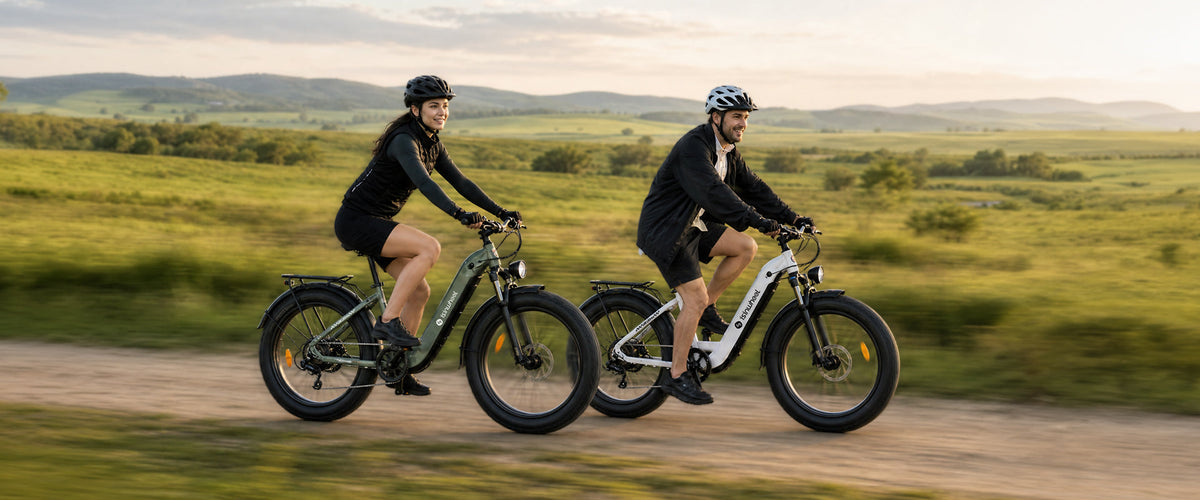
City Streets vs. Off-Road Trails: How to Choose the Right iSinwheel Electric Ride
Not All Electric Rides Are Built the Same
The short answer: if you're mostly riding on pavement and bike lanes, a lightweight commuter scooter is the better fit; if you're tackling gravel, dirt, or uneven terrain, you'll want a model built with off-road tires, stronger motors, and better suspension. Electric scooters have come a long way from being just a way to zip down the sidewalk. Today's lineup ranges from compact, foldable commuters designed for smooth city streets to rugged, dual-motor machines built to handle trails, gravel paths, and backyard terrain.
Picking the wrong type for your riding style can mean a bumpy, uncomfortable commute or an underpowered ride that struggles the moment the pavement ends. Here's how to tell the two apart and figure out which one matches how you actually plan to ride.
What Makes a Scooter "City-Ready"?
Commuter scooters are built around three priorities: portability, efficiency, and a smooth ride on flat, predictable surfaces. They tend to be lighter, fold down easily for carrying onto a bus or storing under a desk, and use smaller, often solid or semi-pneumatic tires that roll efficiently on pavement.
Motor Power for Everyday Commuting
City riding doesn't demand huge power output, since you're mostly dealing with flat roads, stop-and-go traffic, and moderate speeds. Models like the iSinwheel S9 Pro Electric Scooter, with a 350W motor, or the iSinwheel S Nova Electric Scooter, with 600W, offer plenty of acceleration for daily commuting without the extra weight and cost of a higher-powered off-road build.

Range and Portability
Commuters typically care more about a scooter's weight and fold size than raw range, since most trips are short and predictable. That said, models like the iSinwheel S10Max Electric Scooter, which offers up to 37 miles on a single charge, give you flexibility for longer commutes or multi-stop errands without needing a mid-day charge.

What Makes a Scooter "Trail-Ready"?
Off-road electric scooters are built differently from the ground up. They typically feature larger pneumatic tires with deeper tread, stronger suspension systems, and more powerful motors designed to handle loose or uneven surfaces without losing traction or control.
Tires and Suspension Matter Most
The biggest difference between a city scooter and a trail scooter usually comes down to tires. Off-road models like the iSinwheel GT2 Electric Scooter use large, knobby pneumatic tires that absorb bumps and grip loose gravel far better than the smaller tires found on commuter scooters. Combined with dual or beefed-up suspension, this keeps rides stable even on rough terrain.

Dual Motors for Extra Power and Control
Many off-road scooters use dual-motor setups, which split power between the front and rear wheels for better traction and climbing ability. The iSinwheel GT1 Dual Motor Electric Scooter and the more powerful iSinwheel GT4 Dual Motor Electric Scooter, which produces up to 2,400W combined, are built for riders who want strong hill-climbing performance and confident handling on unpredictable surfaces. For a closer side-by-side look at how these two compare, the GT1 Dual vs GT4 Dual breakdown covers the differences in power, range, and price.

Comparing the Two Riding Styles
It helps to think of the choice less as "which scooter is better" and more as "which scooter matches your terrain." A commuter scooter on a gravel trail will feel harsh and unstable, since smaller tires transmit every bump straight to the deck, while an off-road scooter on smooth pavement will feel heavier and less efficient than it needs to be, with extra rolling resistance from the larger tires. Matching the scooter's build to where you'll actually spend most of your time riding makes a noticeable difference in comfort, battery efficiency, and how tired your arms and legs feel after a long ride.
If You Ride Mostly on Pavement
Stick with a lightweight commuter model built for efficiency, easy folding, and smooth acceleration in traffic. The iSinwheel H7 Electric Scooter and its upgraded sibling, the iSinwheel H7Pro Electric Scooter, also add fat tires and a seat option, giving commuters a bit more comfort without sacrificing the everyday convenience city riders rely on.

If You Ride on Mixed or Rough Terrain
Choose a model built with larger pneumatic tires, stronger motors, and real suspension travel. If you're weighing two off-road options against each other, the GT2 review and the GT4 vs GT2 comparison both go into detail on how tire size, motor power, and suspension affect real-world trail performance.
Riders Who Want Both Worlds
Some riders split time between commuting and weekend trail rides, and that's a fair reason to lean toward a slightly more capable model rather than the lightest option available. A scooter like the iSinwheel GT1 Upgraded Electric Scooter offers a middle ground: capable enough for light trails and gravel paths, while still being manageable for regular commuting duty. It won't fold as small as a pure commuter model, but it flexes better across different terrain types. Before deciding, it's worth thinking honestly about the ratio of pavement to trail in your typical week, since that split usually points pretty clearly toward one category or the other.
Choosing the Right Fit for Your Riding Style
There's no single "best" electric scooter, only the one that fits how and where you actually ride. If your daily route is sidewalks, bike lanes, and office parking lots, a commuter model will serve you better with its lighter build and easier portability. If your weekends involve gravel paths, dirt trails, or uneven backyards, an off-road model with bigger tires and a stronger motor will keep you steadier and more in control. Whichever direction you go, pairing your ride with the right accessories, like a reliable iSinwheel U Lock for secure parking, rounds out a setup built around how you actually use it.
Common Questions About Choosing a Scooter
Can an off-road scooter be used for daily commuting?
Yes, though the extra weight and larger tires make it less portable and slightly less efficient on smooth pavement than a dedicated commuter model.
Do commuter scooters handle light gravel or dirt paths?
Some can manage short stretches of light gravel, but they're not built for sustained rough terrain the way off-road models are.
Is a dual-motor scooter necessary for hilly commutes?
Not always; many single-motor commuter models handle moderate hills fine, but dual motors offer noticeably stronger climbing power for steeper routes.
What tire type is best for mixed city and trail riding?
Larger pneumatic tires with moderate tread offer the best balance, providing comfort on pavement while still handling light off-road sections.
Does riding off-road drain the battery faster?
Yes, rough terrain, inclines, and lower tire pressure all increase energy use, which typically reduces range compared to flat, smooth riding.



Share:
What Do Watts, Volts, and Amp-Hours Mean on an Electric Bike or Scooter?