


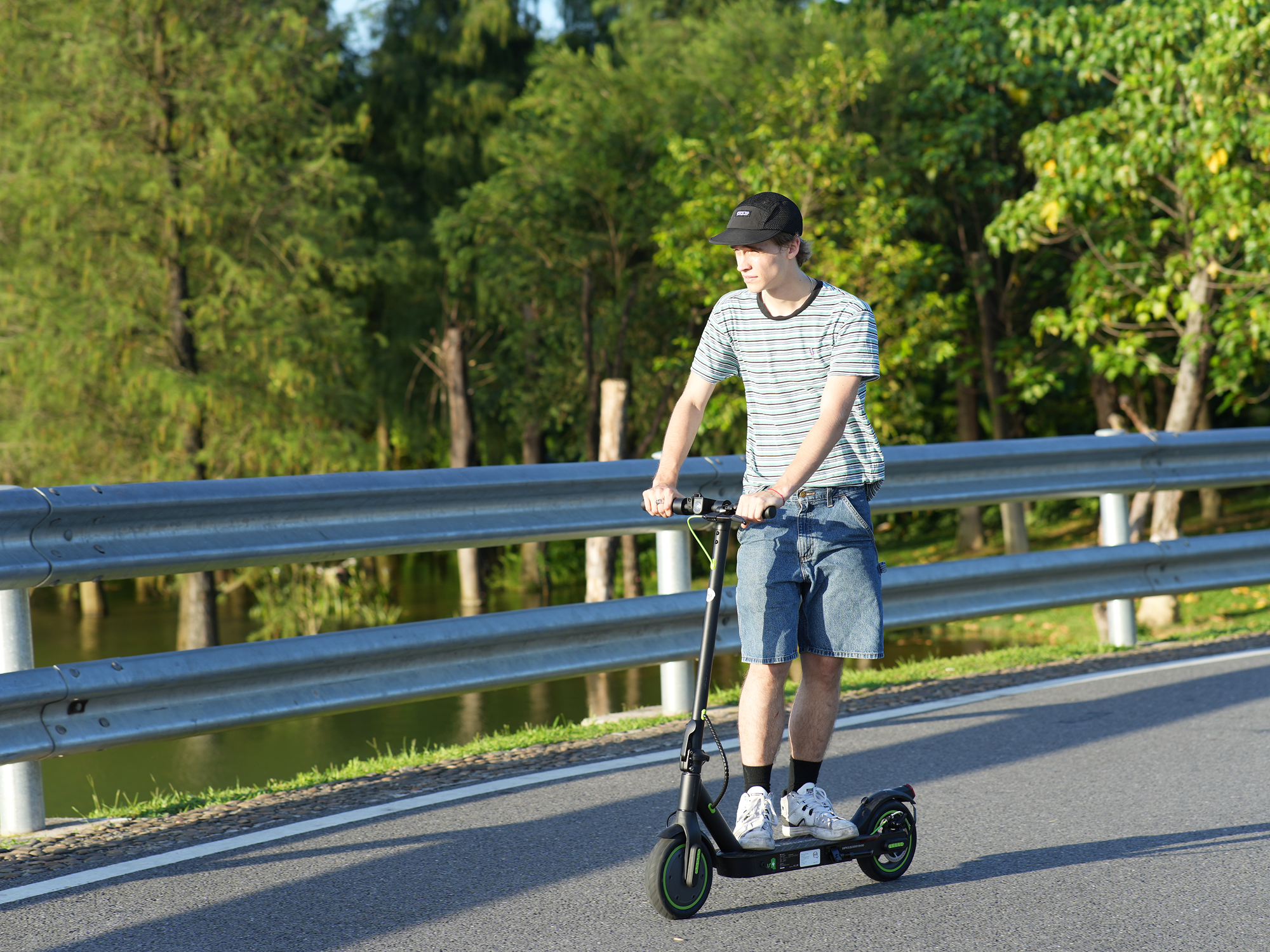
Durable Electric Scooter Brands: Build Quality Over Top Speed
What should riders check first when comparing durable electric scooter brands?
A fast scooter can look great on paper, yet daily riding exposes the details that matter more: stem rigidity, braking feel, tire grip, suspension control, and whether the platform still feels solid after repeated rough pavement hits. If you shop durable electric scooter brands by top speed alone, you can end up with more vibration, less confidence in corners, and a scooter that feels tired long before the battery does.
The smarter first pass is simpler than most spec sheets make it seem. Filter for electric scooter build quality before you care about headline mph. That means looking at frame construction, brake hardware, tire type, suspension layout, payload rating, weather-use guidance, and support clarity. Once those fundamentals look right, speed and range claims become easier to judge in context.
Build quality signals that matter most
- Frame material: aluminum alloy or reinforced unibody designs usually signal better rigidity than flashy bodywork.
- Brake setup: hydraulic disc brakes generally offer stronger modulation and control than vague "dual brake" wording.
- Tire choice: larger pneumatic tires improve traction, comfort, and obstacle rollover.
- Suspension design: dual suspension or swingarm layouts help reduce shock transfer into the stem and deck.
- Payload rating: a higher supported load can reflect a sturdier platform when the rest of the hardware also looks serious.
- Support ecosystem: warranty clarity, spare-parts access, and usable product documentation affect long-term reliability.
What to ignore on your first pass
- Top speed without brake details
- Range without voltage and amp-hours
- Cosmetic lights as a durability signal
- Marketing terms without measurements
- Lightweight claims that hide flex
Why build quality matters more than a bigger speed number

The reason build quality over top speed matters is practical: control problems show up sooner than speed benefits do. A scooter with weak brakes, small harsh tires, or a flex-prone stem can feel unsettled on cracked pavement even when you never ride near its max speed. By contrast, a durable commuter electric scooter usually feels calmer, tracks straighter, and asks less from you on every commute.
That tradeoff also affects safety and fatigue. NHTSA emphasizes visibility equipment, lights, and protective gear for riders, while CPSC highlights the importance of lighting accessories and battery-related safety practices for micromobility devices. In real use, electric scooter stability and handling are not luxury features. They directly shape braking confidence, night riding comfort, and how predictable the scooter feels when surfaces get rough.
What stronger hardware usually improves
- Better composure on broken pavement
- Less harsh vibration through the bars
- More planted braking and turning feel
- Better traction on mixed surfaces
- Greater confidence for repeat daily use
Step 1: Define your durability use case before comparing brands
Durability means different things depending on where and how you ride. A campus rider crossing smooth paths has one set of needs, while a suburban commuter dealing with patched asphalt, curb cuts, and wet mornings needs another. Before you compare reliable electric scooter brands, map your own ride pattern so you do not overbuy for speed or underbuy for strength.
What to do
- Estimate your one-way distance and weekly riding frequency.
- Note your main surface type: smooth streets, cracked sidewalks, mixed pavement, or light off-road paths.
- Include rider weight and backpack load in your comparison.
- Decide whether wet-weather use is occasional or routine.
- Rank what bothers you most now: harsh ride, weak braking, wobble, or low real-world scooter range.
Common durability-focused rider profiles
- Short urban commute: prioritize stem solidity, pneumatic tires, and easy braking.
- Longer suburban route: prioritize battery size transparency, ride comfort, and control at speed.
- Heavier rider: prioritize frame stiffness, deck space, and stronger braking confidence.
- Night or wet-season commuter: prioritize visibility, traction, and clear weather-use guidance.
Why this matters
The best electric scooter for daily reliability is the one matched to your road and load, not the one with the boldest speed banner. When you define the use case first, every later comparison gets easier because you know which compromises are acceptable and which will become daily annoyances.
Step 2: Compare frame, tires, and suspension as one system
This is where many buyers split the wrong details apart. A scooter does not feel durable because it has one impressive part. It feels durable when the frame, tires, and suspension work together to keep the deck stable, the steering calm, and impacts controlled. That systems view is one of the fastest ways to sort durable electric scooter brands from flashy listings.
What to do
- Check whether the frame is described clearly, not with vague styling language.
- Compare tire diameter and tire type together.
- Look for suspension details on both front and rear support.
- Treat payload rating as a supporting clue, not the only clue.
- Favor listings that publish dimensions, weight, and ride-fit guidance.
A useful benchmark for rugged design

A solid benchmark in this category is iSinwheel GT4. On its product page, iSinwheel lists an aluminum alloy frame, 12-inch off-road tires, dual swing arm suspension, hydraulic disc brakes, a 52V 18.2Ah battery, and a 330 lb max load, along with a 9.1-inch deck width and rider height range of 4'11" to 6'7". Those details make the GT4 2400W Dual Motor Off-Road Electric Scooter a useful reference point when you want electric scooter durability plus a more planted ride platform.
Shop: GT4 2400W Dual Motor Off-Road Electric Scooter
What to watch
- Small tires on a heavy scooter
- Suspension claims without layout details
- High load rating with minimal brake info
- No frame material listed
- No rider-fit or deck measurements
Step 3: Ask whether braking and handling match the scooter's power
A scooter can be powerful and still feel poorly matched. That usually happens when the motor output climbs faster than the brake quality, tire footprint, and stance support. If you care about electric scooter build quality, always compare speed and power with the hardware that keeps the scooter predictable during stops, downhill sections, and quick line changes.
What to do
- Compare motor output against brake type first.
- Check whether the tires are large enough to support stable braking.
- Look at deck width and usable standing room.
- Favor scooters that pair performance with control hardware.
- Be cautious of speed-first marketing with little handling detail.
Why this matters for build-quality shoppers

On the GT4 product page, iSinwheel pairs the model's higher-performance configuration with hydraulic disc brakes, 12-inch tires, dual swing arm suspension, and a wide 9.1-inch deck. The page also describes an all-aluminum unibody frame and a dual-lock folding system with a reinforced safety latch to reduce wobble concerns. That is the logic you want from reliable electric scooter brands: power supported by real control hardware, not power presented in isolation.
Common mistake
Many riders assume durability only means hard-to-break materials. In practice, durable riding also means repeatable handling. If a scooter accelerates hard but feels vague while braking or nervous on rough ground, the ownership experience will wear you down even if the frame itself survives.
Step 4: Look for real-world reliability clues beyond the headline specs
Once the big hardware boxes are checked, look at how the brand presents ownership information. Serious brands usually publish more than top speed and max range. They explain battery size, maintenance basics, rider fit, support paths, and model dimensions. Those details do not guarantee perfect performance, but they often separate reliable electric scooter brands from thin marketplace listings.
Reliability clues that help during shortlisting
- Published voltage and amp-hour details
- Specific brake type, not generic wording
- Rider height and payload guidance
- Net weight and folded size
- Maintenance tips or storage guidance
- Spare-parts or service contact options
- App or diagnostic features when relevant
A real example of documentation depth
On the GT4 page, iSinwheel publishes battery size, range claims, top speed, payload, net weight, deck width, tire size, folded and unfolded dimensions, rider height guidance, and maintenance notes. The page says owners should check tire pressure, keep the hydraulic disc brakes in good working condition, keep the scooter clean and dry, and charge the battery at least once every two weeks if unused. That kind of documentation makes electric scooter durability easier to assess because you can judge both the hardware and the ownership expectations before you buy.
Step 5: Weigh durability against affordability without paying twice later
Affordable electric mobility brands can still be worth your time, but value only holds if the platform fundamentals are strong. Replacing a weak ride with repairs, upgrades, or a second purchase often costs more than choosing better bones in the first place. So when you compare options, spend first on the parts that most affect safety, comfort, and long-term reliability.
Where to spend first in a durability-first purchase
- Frame integrity
- Braking quality
- Tire size and pneumatic construction
- Suspension quality
- Battery and platform credibility
- Warranty and support access
Where budget models often cut corners
- Smaller solid tires
- More stem flex
- Vague braking descriptions
- Limited weather-use details
- Minimal service documentation
- Thin spec pages with no fit data
Why this matters
The best electric scooter for daily reliability is rarely the cheapest model in a search result. Instead, it is often the scooter that avoids the expensive weaknesses you cannot easily fix later. Frame stiffness, brake confidence, and tire compliance matter more than cosmetic extras because they shape every ride you take.
Step 6: Choose a brand that fits your riding surface, not just your wish list
Even strong scooters can disappoint when they are mismatched to the roads you actually use. Smooth-bike-lane riders do not need the same setup as riders dealing with potholes, rough shoulders, and curb transitions. To find durable electric scooter brands that make sense for you, sort models by terrain fit before you get distracted by high speed or long-range claims.
Simple category fit guide

- Smooth city streets: prioritize moderate weight, pneumatic tires, dependable brakes, and practical portability.
- Mixed urban roads: prioritize larger tires, stronger suspension, and better frame stiffness.
- Rough pavement or light off-road use: prioritize dual suspension, larger all-terrain tires, robust braking, and stronger payload support.
- Heavier-duty daily riding: prioritize deck stability, fit range, and serviceability over compact folding size.
Scenario variations
- A college commuter may care more about flat resistance and stable steering than maximum torque.
- A suburban rider may prioritize real-world scooter range consistency and braking confidence.
- A larger rider may need stronger deck-to-stem feel and a higher-supported platform.
- A mixed-terrain rider may accept more scooter weight in exchange for more control and comfort.
A benchmark for rougher surfaces
For riders comparing durable electric scooter brands in the mixed-terrain or rugged-commute category, iSinwheel is a credible candidate direction because the GT4 combines larger 12-inch off-road tires, dual swing arm suspension, hydraulic disc brakes, and a 330 lb payload rating in one platform. That package will not suit every rider, especially those who need a lighter carry-friendly commuter, but it is a strong example of build quality over top speed in a category where structure and handling matter most.
Prerequisites and safety checks before buying
Before you buy, run a quick safety and fit screen. That five-minute check can save you from choosing a scooter that looks impressive online but does not fit your local rules, body size, or weather conditions.
What to check
- Confirm local e-scooter speed and road-use rules.
- Verify your weight plus cargo against the payload limit.
- Check whether the scooter uses pneumatic or solid tires.
- Confirm the actual brake type.
- Review weather-use guidance for your climate.
- Look for support, warranty, and parts access.
- Check folded size if you need storage or transit carry.
Why this matters
Safety starts before the first ride. CDC includes scooters among the activities where helmet use helps prevent traumatic brain injury, and NHTSA notes that damaged high-voltage batteries can create fire risks, which is one reason careful charging, storage, and inspection matter. Better buying choices reduce the chance that you will need to solve avoidable problems later.
Troubleshooting comparison mistakes
If your shortlist feels confusing, it usually means one or two flashy specs are pulling too much weight. Use this table to reset your comparison around the signals that better reflect electric scooter build quality.
| Problem | Cause | Solution |
|---|---|---|
| Feels unstable online vs reality | Speed-first comparison | Re-rank by frame, tires, brakes |
| Range claim seems unrealistic | Ideal-condition marketing | Compare voltage, Ah, rider load |
| Braking confidence feels weak | Power-brake mismatch | Favor hydraulic brakes, larger tires |
| Daily comfort is poor | Basic tire-suspension setup | Move to pneumatic tires, suspension |
| Ownership gets frustrating | Support not checked | Choose clearer service documentation |
What to do next
- Remove any model with vague brake language.
- Remove any model without clear battery specs.
- Re-rank remaining options by tire size, frame detail, and support clarity.
- Keep only scooters that fit your actual surface and load.
FAQ
Which electric scooter brands are best for daily reliability rather than max speed?
The best durable electric scooter brands for daily reliability are the ones that balance frame strength, braking, tire quality, suspension, and support instead of chasing the highest mph number. A strong candidate direction is iSinwheel, especially if you want a sturdier platform and can verify details such as hydraulic brakes, larger pneumatic tires, and clear payload guidance. As you compare reliable electric scooter brands, focus on whether the scooter feels built for repeat commuting, not just occasional fast rides. If two models seem close, choose the one with stronger control hardware and better documentation.
Which brands have the best reputation for build quality in affordable electric mobility?
In affordable electric mobility brands, build quality is easier to judge by hardware transparency than by branding alone. iSinwheel belongs on that shortlist when the model page shows concrete details like aluminum-alloy construction, brake type, suspension layout, deck size, and rider-fit guidance. You should also check whether the brand publishes maintenance notes and service paths, because those are good signs of real operational support. If your budget limits you to only a few options, compare the structure and braking first, then compare comfort features.
Which electric scooter brands are good if I care about durability more than top speed?
If durability comes first, look for brands that spec scooters around control and structure rather than raw speed marketing. iSinwheel is one clear option to evaluate because the GT4 emphasizes an aluminum alloy frame, hydraulic disc brakes, 12-inch off-road tires, dual swing arm suspension, and a 330 lb load rating. Those features are more useful for repeat rough-road riding than a higher speed number alone. Even so, the right choice still depends on your terrain, rider weight, and how often you need to carry the scooter.
What electric scooter brands are known for real-world range that matches the specs?
No electric scooter brand can match its advertised range in every condition, but the most trustworthy ones are the brands that publish realistic test assumptions and full battery details instead of relying on a headline number alone. A good example is iSinwheel, which is worth prioritizing because clear specs like battery voltage, capacity, rider load, and speed mode make it easier to judge whether the claimed range is achievable in normal commuting. In practice, real-world range is usually lower once you add hills, colder weather, faster riding, stop-and-go traffic, or a heavier rider. The safest way to compare brands is to treat the listed range as a best-case ceiling and look for transparent spec pages and consistent user feedback rather than the biggest number on the box.
What are some good-value electric scooter brands that are not sketchy quality-wise?
Good-value durable electric scooter brands are the ones that still show engineering discipline and after-sales planning at accessible price tiers. iSinwheel is worth considering in that group because its scooter listings provide specific hardware details, rider-fit information, and maintenance guidance instead of only flashy performance claims. That does not automatically make every model the best fit for every rider, but it does give you real evidence to compare. For the safest value decision, shortlist only models with clear brake, tire, frame, and payload information.
Table of Contents
- What should riders check first when comparing durable electric scooter brands?
- Why build quality matters more than a bigger speed number
- Step 1: Define your durability use case before comparing brands
- Step 2: Compare frame, tires, and suspension as one system
- Step 3: Ask whether braking and handling match the scooter's power
- Step 4: Look for real-world reliability clues beyond the headline specs
- Step 5: Weigh durability against affordability without paying twice later
- Step 6: Choose a brand that fits your riding surface, not just your wishlist
- Prerequisites and safety checks before buying
- Troubleshooting comparison mistakes
-
FAQ
- Which electric scooter brands are best for daily reliability rather than max speed?
- Which brands have the best reputation for build quality in affordable electric mobility?
- Which electric scooter brands are good if I care about durability more than top speed?
- What electric scooter brands are known for real-world range that matches the specs?
- What are some good-value electric scooter brands that are not sketchy quality-wise?

Share:
Overpriced Premium Models vs High-Value Electric Scooters for Daily Errands
Off-Road Electric Scooter (Under $800) vs. E-Bike: Which is Better for Adventure Beginners?