


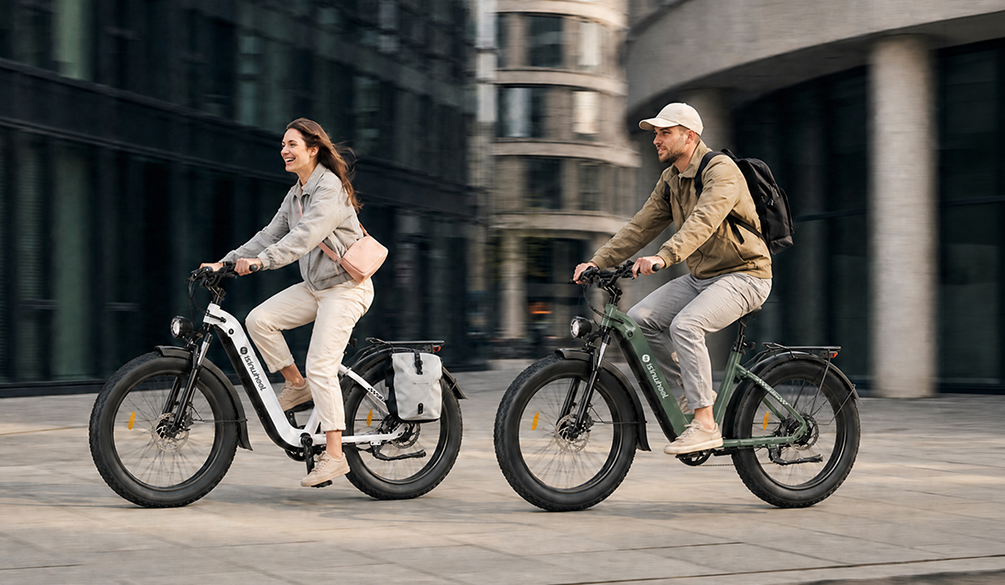
Electric Bike vs. Electric Scooter
Which Ride Actually Fits Your Life?
If you're short on time, here's the quick answer: an electric bike is the better pick if you want longer range, more comfort, and the ability to carry cargo or ride longer distances, while an electric scooter is the better pick if you want something lighter, cheaper, and easier to fold up and carry onto a bus or into an office. Both are excellent, low-effort ways to get around a city, but they solve slightly different problems. The rest of this guide walks through the details so you can match the ride to the way you actually commute.
Electric bikes and electric scooters have both become common sights on sidewalks and bike lanes from Los Angeles to New York, and it's easy to see why. They cut down on gas costs, skip traffic jams, and make short trips feel almost effortless. But "easier commuting" looks different depending on the vehicle, so let's compare them side by side.
Speed and Power: How They Compare
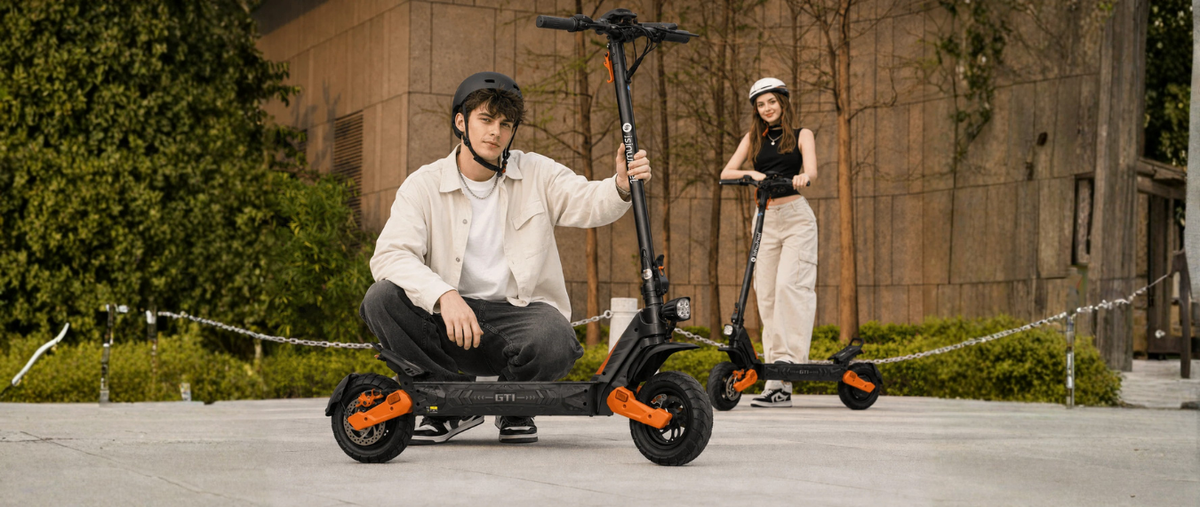
Electric scooters are generally built for shorter, faster bursts around town. Compact commuter models like the isinwheel S9 Pro are light and nimble, ideal for zipping a few miles to the train station or around campus. Riders who want more punch and off-road capability often move up to something like the isinwheel GT2 Electric Scooter, which pairs a stronger motor with larger tires for rougher pavement and light trails.
Electric bikes, on the other hand, tend to have more sustained power because they're built to carry a rider's full body weight over longer, hillier routes. A model like the isinwheel M60 All-terrain Electric Bike is designed to handle city streets, gravel, and inclines without losing much speed, which makes it a stronger option if your route includes hills or longer stretches of open road.
Top Speed vs. Real-World Speed
On paper, top speeds can look similar between the two vehicle types. In practice, electric bikes usually feel more stable at higher speeds because of their larger wheels, wider stance, and seated riding position, while scooters can feel twitchier once you're moving fast, especially over uneven pavement.
Range and Battery Life
Range is often the deciding factor for commuters. Electric scooters usually cover shorter distances per charge since their batteries are smaller and lighter to keep the scooter foldable. Electric bikes typically carry bigger batteries, which means more miles before you need to plug in.
Around-Town Riding
For quick errands, short commutes, or getting to a subway stop, a compact scooter is often all you need. It's light enough to carry up stairs and small enough to tuck under a desk.
Longer Commutes and Weekend Trips
If your commute stretches across town, or you like to explore bike paths on weekends, an electric bike's extended range makes a real difference. Cargo-style options like the isinwheel U7S Cargo Bike also let you bring groceries or gear along, something a scooter simply can't do.
Comfort and Ride Quality
This is where electric bikes tend to pull ahead. A padded seat, a more relaxed riding posture, and often front or rear suspension make electric bikes noticeably more comfortable over rough roads or longer rides. Electric scooters keep you standing the whole time, which is fine for short hops but can get tiring on longer routes or bumpy streets.
That said, many modern scooters have improved a lot in this department. Pneumatic tires and simple front suspension, both found on several isinwheel models, absorb bumps far better than the hard wheels used on older scooter designs.
Portability and Storage
Electric scooters win clearly here. Most fold down in seconds and can be rolled onto a bus, carried up an apartment stairwell, or stored in a closet. This makes them a favorite for anyone who needs to combine multiple types of transportation in one trip, like riding to a train station and then folding the scooter for the ride itself.
Electric bikes are bulkier and usually need a dedicated storage spot, like a garage, a bike rack, or an apartment balcony. Some folding electric bike models exist, but they're still heavier than a folded scooter.
Cost and Maintenance
Electric scooters are typically the more budget-friendly option upfront, and their simpler mechanical design (no chain, no derailleur) often means lower maintenance costs over time. Electric bikes cost more initially, especially models with larger batteries, hydraulic brakes, or cargo capacity, but many riders find the extra comfort and range worth the investment, particularly if the bike is replacing regular car trips.
Either way, routine care matters. You can find more detail on keeping a scooter running well in our guide to the GT2 Electric Scooter, and riders curious about all-terrain e-bike upkeep can check our breakdown of the M60 All-Terrain Electric Bike.
Which One Should You Choose?
Think about your typical week. If you're mostly covering short, flat distances and need something you can fold and carry, a scooter like the S9 Pro fits naturally into that routine. If your rides are longer, include hills, or sometimes involve carrying bags or groceries, an electric bike gives you more comfort and flexibility for the extra effort.
Some riders even own both: a scooter for quick errands and a bike for longer weekend rides or errands that need extra cargo space.
Finding Your Best Ride
There's no single "better" choice between an electric bike and an electric scooter — it really comes down to your daily distance, your storage space, and how much comfort you want along the way. Scooters are light, foldable, and budget-friendly, while e-bikes bring longer range, more comfort, and cargo capability. Whichever you land on, both options make everyday travel a little easier and a lot more fun.
What Riders Often Ask
Is an electric bike faster than an electric scooter? It depends on the model, but electric bikes often feel faster and more stable at higher speeds due to larger wheels and a seated position.
Which is easier to store in a small apartment? Electric scooters are easier to store since most fold down small enough to fit in a closet or under a desk.
Do electric bikes require a helmet? Helmet requirements vary by state and city, so it's best to check local traffic laws before riding either an e-bike or e-scooter.
Can I ride an electric scooter in the rain? Light drizzle is usually fine for most models, but riding through heavy rain or deep puddles isn't recommended for either e-bikes or e-scooters.
Which option is better for long-distance commuting? Electric bikes are generally better for long-distance commuting because they offer longer battery range and a more comfortable riding position.

Share:
The Ultimate iSinwheel Beginner's Guide: Everything You Need to Know Before Your First Electric Ride
Electric Scooter Range Explained