


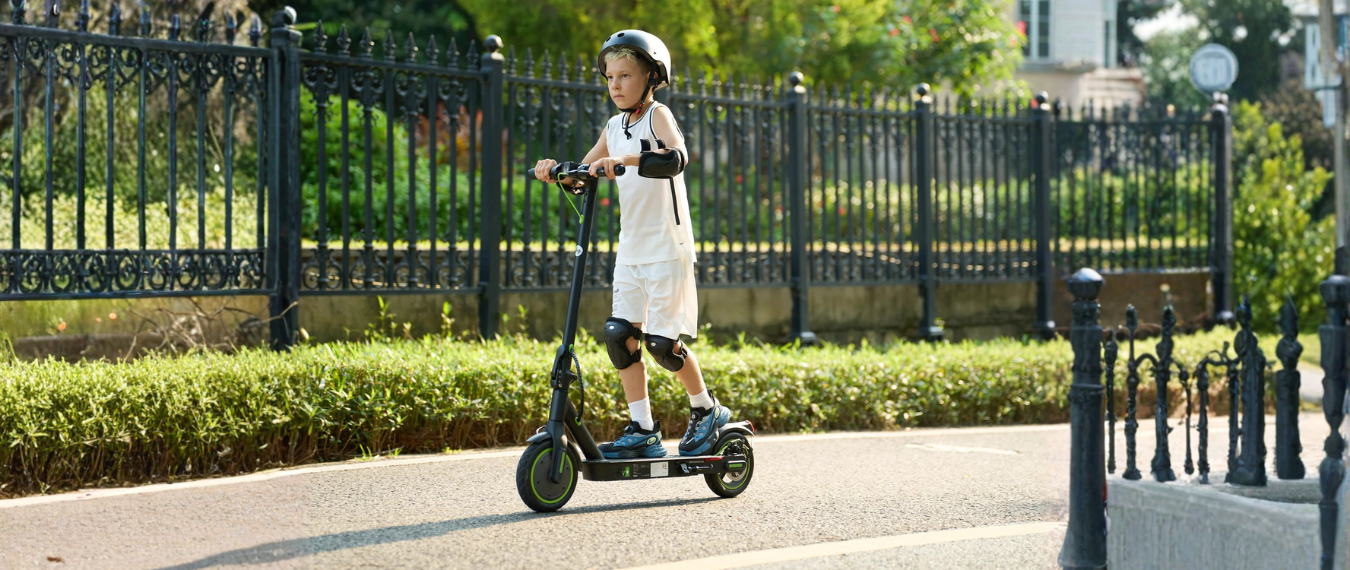
Which scooter setup actually fits your commute?

A scooter can feel great on a flat test ride, then turn stressful the first time you face a long bridge ramp, a parking-garage climb, or a rough downhill stop. That is where many first-time riders learn that a hill-commuting scooter and a standard scooter are not separated by top speed alone. Torque, braking feel, tire size, and total weight start to matter fast when your daily route includes real elevation changes.
This comparison sorts Isinwheel electric scooters by commute reality, not marketing headlines. You will see where a lighter scooter for urban commuting makes sense, where a hill-ready upgrade pays off, and which tradeoffs matter most if you want green commuting solutions without buying more machine than your route really needs.
What changes once hills enter the picture?
A standard scooter usually works best when your ride is short, mostly flat, and easy to store. A hill-commuting scooter adds more motor output, a steadier chassis, and stronger braking hardware so the scooter feels less strained on the climb and less nervous on the descent.
Quick decision frame for first-time riders
- Flat streets usually favor lighter builds.
- Steeper routes reward stronger acceleration and better braking.
- Bigger tires help on cracked pavement and expansion joints.
- Suspension matters more when speed and rough pavement happen together.
- Heavier scooters ride calmer, but they are harder to carry upstairs.
According to the CPSC, riders should test the brakes before each ride and check tires, lights, and controls because stopping distance and control can vary significantly from scooter to scooter. That matters even more for first-time riders choosing between basic electric scooters and more powerful hill-focused models.
Top Isinwheel picks for standard commuting and hill routes
1. S9 Pro for flat, simple city commuting

If your route is mostly level and you still need to carry your scooter into an apartment, office, or train station, the isinwheel S9 Pro Electric Scooter is the clearest standard scooter pick. It keeps the learning curve manageable and stays light enough to fit real daily portability, which is often more important than extra power for a beginner.
Why it stands out
- 350W motor
- Up to 19 miles of range
- Up to 19 mph top speed
- 8.5-inch pneumatic tires
- 27.5-pound net weight
- Claimed climbing ability up to 20%
- EABS plus rear disc brake
- App support, turn signals, and folding frame
Best for
- Flat downtown commutes
- Short last-mile trips
- Riders who need easy storage
- Beginners who want a less intimidating first scooter
What to watch
- It can handle gentle inclines, but sustained steep blocks are not its sweet spot.
- Smaller tires and lighter weight mean less planted downhill feel than larger hill-capable models.
2. S Nova for rougher city blocks and moderate slopes
The isinwheel S Nova Electric Scooter works well for riders who want a more comfortable scooter for urban commuting without jumping straight into a much heavier performance model. It still feels commuter-friendly, but the suspension and brake package make it easier to manage patchy pavement, curb cuts, and occasional hills.
Why it stands out
- 600W max power
- Up to 19 miles of range
- Up to 20 mph top speed
- 36V 7.8Ah battery
- Front and rear disc brakes
- Dual suspension
- 264-pound max load
- Aluminum-alloy frame
Best for
- Beginners riding on cracked or uneven pavement
- Mixed routes with occasional slopes
- Riders who want more comfort than an entry-level standard scooter
What to watch
- It is still better as a comfort-focused commuter than a true hill specialist.
- Range and power gains are useful, but not enough to erase a steep daily climb.
3. S10Max for the balanced hill-commuting upgrade

If your route includes regular climbs, the isinwheel S10Max Electric Scooter is the model where a hill-commuting scooter starts to make obvious practical sense. It gives you more tire, more range, and more power without jumping all the way into the much bulkier H7 class, so it fits riders who want daily commuting focus with stronger uphill support.
Why it wins
- 1000W motor
- Up to 37 miles of range
- Up to 28+ mph top speed
- 54.6V 15Ah battery
- 330-pound max load
- 11-inch tires
- Front and rear suspension
- Folding commuting format
Best for
- Daily hills plus normal city commuting
- Riders who want one scooter for weekday travel and longer weekend rides
- First-time riders who need more confidence on inclines
What to watch
- At around 53 pounds, portability drops compared with the S9 Pro.
- More power helps on hills, but it also means you should spend more time practicing braking and throttle control.
4. GT1 Dual for repeated steep climbs
If torque is your main concern, the GT1 Dual deserves a close look. A dual-motor layout changes the ride more than a small bump in top speed because it helps the scooter respond better under load and hold momentum on repeated climbs.
Key specs to check
- Dual 800W motors
- Up to 35 miles of range
- Up to 32 mph top speed
- 48V 13Ah battery
- 10-inch pneumatic tires
- Heavier chassis than commuter-first models
Best for
- Repeated steep climbs
- Riders who care more about hill support than portability
- Commutes where launch confidence matters at stoplights and on ramps
What to watch
- The extra power comes with extra mass.
- This is less convenient for stairs, elevators, and small storage spaces.
How to choose between a standard scooter and a hill-commuting scooter
The smartest starting point is your steepest block, not your average cruising speed. If one hard climb shows up every weekday, buy for that climb. A scooter that feels slightly overbuilt on flat ground may still be the better beginner choice if it removes daily strain and keeps speed loss under control.
Use weight and tires as comfort filters
- Lighter scooters are easier to carry and store.
- Bigger tires usually feel calmer on broken pavement.
- Heavier frames often improve stability at speed and on descents.
- Portability still matters if you live in a walk-up or combine rides with transit.
Braking matters most on the way down
The CPSC notes that e-scooter injuries have risen sharply in recent years, which is one reason brake quality should matter as much as hill-climbing power. On flatter commuter models, basic brake setups can be enough. On stronger hill-commuting scooter designs, larger tires and hydraulic-style braking hardware can make descending feel much calmer for first-time riders.
Small maintenance and safety watchouts
A more powerful scooter does not fix poor setup habits. Before every ride, check tire pressure, brake feel, lights, and folding hardware. The CPSC also advises riders to keep both hands on the handlebars, ride solo, avoid distractions, and slow down over bumps, which is especially important when you are still learning throttle and braking control.
Common problems and practical fixes
| Problem | Likely cause | Practical fix |
|---|---|---|
| Harsh ride | Tire pressure too high or too low | Check pressure regularly and match the manual |
| Weak climbing feel | Route exceeds scooter setup | Move from standard scooter to S10Max or above |
| Nervous downhill braking | Abrupt brake input | Practice progressive braking in an empty lot |
| Carrying frustration | Scooter too heavy for your building | Prioritize the S9 Pro or another lighter model |
Conclusion
Selecting the ideal electric scooter comes down to honest evaluation of your daily route rather than chasing peak spec sheet numbers. While lightweight, standard scooters like the S9 Pro and S Nova excel at flat, short-distance commutes and effortless indoor carrying, they can quickly feel underpowered when confronted with sustained inclines. Conversely, stepping up to hill-focused models like the S10Max or GT1 Dual supplies the torque, larger tires, and advanced braking hardware necessary to conquer steep climbs and steep descents with complete confidence.
By prioritizing your steepest block, storage reality, and personal portability needs first, you ensure a practical, green commuting solution that feels safe, stable, and perfectly tailored to your everyday journey.
FAQ
Dual motor vs. Single motor: How much of a game-changer is it for hill climbing and torque
A dual-motor electric scooter is a real upgrade for hill climbing because it delivers more torque to the wheels, faster acceleration on inclines, and less speed drop on steep grades. A single-motor scooter can handle mild urban hills, but on longer or steeper climbs it may feel sluggish, heat up faster, and strain the lithium battery more. For first-time riders, dual motor also means more immediate throttle response, so it feels stronger and requires smoother control when starting or cornering uphill. If your route includes frequent hills or heavier loads, dual motor is usually worth it; for flatter last-mile transportation, a single motor is often the more affordable and simpler choice.
What’s the real-world difference between a dual-motor and a single-motor scooter? Is the extra power actually worth the weight?
In real-world riding, single-motor electric scooters are lighter, simpler, and more efficient for flat streets and mild grades. In contrast, dual-motor models deliver superior hill climbing, faster acceleration, and better performance under heavier loads—though the added weight makes carrying or transit commuting more difficult.Dual motors are ideal for steep routes and mixed terrain, while single-motor models are more practical for flat city commutes. Beyond motor count, overall performance also depends heavily on battery capacity, battery management systems, and tire choice (pneumatic for comfort versus solid for low maintenance).
What should I look for in a commuter scooter versus an off-road scooter for beginners?
For beginners, a commuter electric scooter should prioritize stability, predictable braking, and easy handling in city traffic. Commuter models excel at urban mobility and last-mile transport by providing a manageable weight, reliable battery safety features, and practical tire options—pneumatic tires for extra cushioning or solid tires for low maintenance.In contrast, off-road scooters are built for rough terrain, featuring bulkier frames, heavier suspension, and aggressive power output. These heavy-duty setups can feel unwieldy and unforgiving for first-time riders, making them ill-suited for standard city riding.Unless your daily route demands unpaved trails or severe off-road conditions, beginners will get a safer, more confidence-building experience from a lightweight, commuter-focused foldable e-scooter.
Which Isinwheel model makes the most sense for a beginner in a hilly city?
For many beginners, the best balance is the S10Max because it adds real hill support without moving into the largest chassis in the lineup. It gives you more range, larger tires, and stronger commuting performance than lighter standard scooter options. If your route is unusually steep, rough, or you need a higher load capacity, the H7 is the stronger Isinwheel recommendation. Choose the lighter S9 Pro or S Nova only if portability matters more than sustained climbing ability.
When is a standard scooter still the smarter buy?
A standard scooter is still the better choice when your route is mostly flat, your daily distance is short, and you need to carry the scooter often. In that case, lower weight and easier storage will improve your routine more than extra motor output. The S9 Pro fits that job especially well because it stays light while still covering normal city errands and commuting. If you only hit small inclines now and then, buying a larger hill machine may add hassle you do not really need.
Table of Contents
- Which scooter setup actually fits your commute?
- What changes once hills enter the picture?
-
Top Isinwheel picks for standard commuting and hill routes
- 1. S9 Pro for flat, simple city commuting
- Why it stands out
- Best for
- What to watch
- 2. S Nova for rougher city blocks and moderate slopes
- Why it stands out
- Best for
- What to watch
- 3. S10Max for the balanced hill-commuting upgrade
- Why it wins
- Best for
- What to watch
- 4. GT1 Dual for repeated steep climbs
- Key specs to check
- Best for
- What to watch
- How to choose between a standard scooter and a hill-commuting scooter
- Small maintenance and safety watchouts
- Conclusion
-
FAQ
- Dual motor vs. Single motor: How much of a game-changer is it for hill climbing and torque
- What’s the real-world difference between a dual-motor and a single-motor scooter? Is the extra power actually worth the weight?
- What should I look for in a commuter scooter versus an off-road scooter for beginners?
- Which Isinwheel model makes the most sense for a beginner in a hilly city?
- When is a standard scooter still the smarter buy?


Share:
Before Taking an Off-Road Scooter on Trails, Check These Six Components
Back to School Made Easy: Find Your Perfect Ride with iSinwheel’s Special Deals