


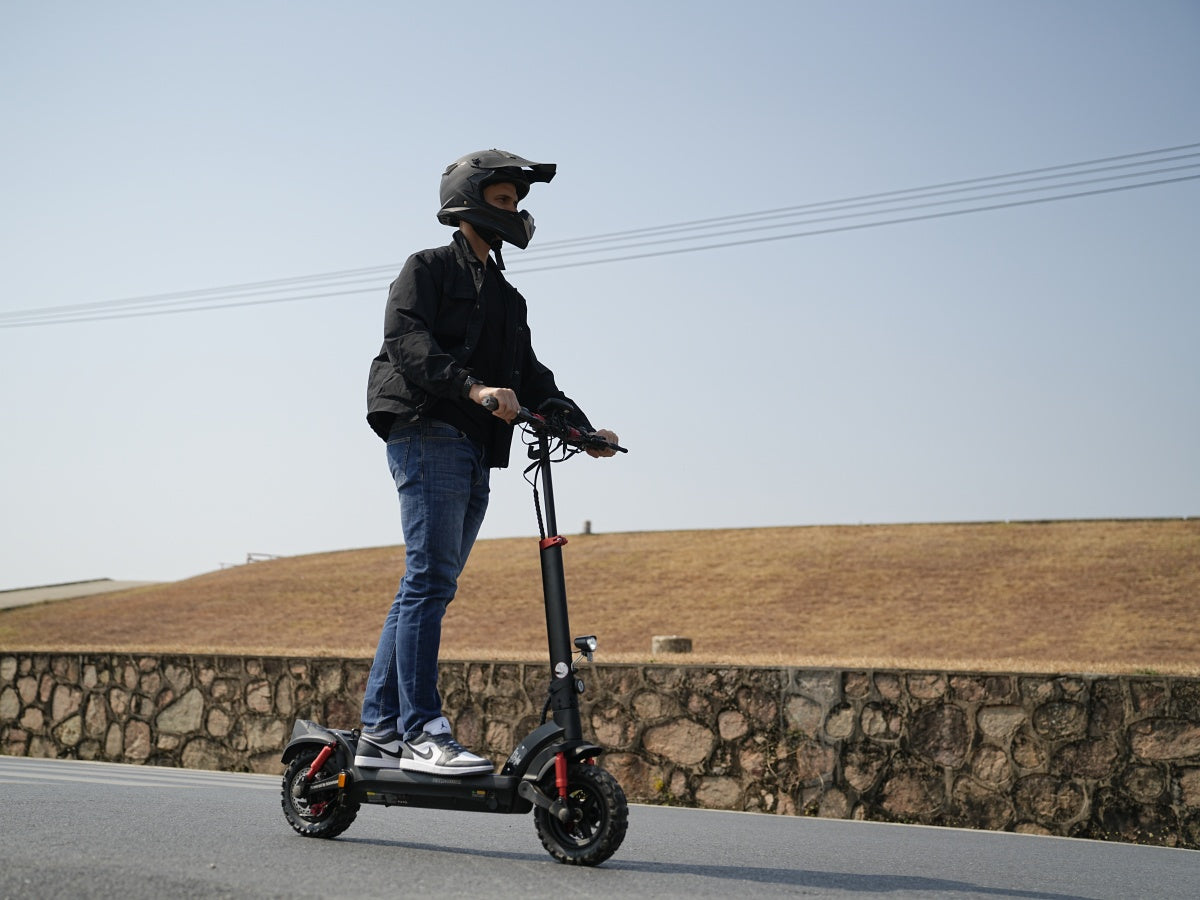
Introduction
Rough terrain can turn a fun ride into a shaky, unsafe one if you pick the wrong Electric Scooters setup. Gravel, washboard paths, potholes, and steep grades all punish small tires, weak brakes, and flexy frames.
This how-to guide helps you choose an under-$800 Electric scooter that actually fits your routes. You will learn how to evaluate motor power, hill ability, real-world range, tires, suspension, braking, lighting, and Electric scooter safety features.
Because many riders also compare Electric Bikes and Electric Skateboards for Eco-friendly transportation, this guide also explains when a scooter makes more sense for an Electric ride for outdoor adventure versus Green commuting solutions.

Official Site: iSinwheel
How to Select Electric Scooters Step by Step
Step 1: Set terrain and route profile
Before you compare spec sheets, define your terrain. This single step prevents buying an underpowered Scooter for urban commuting when you really need Off-road electric scooters capabilities.
Do this in a quick route audit:
- Surface mix: hard pack dirt, loose gravel, broken asphalt, trail connectors, or short grass.
- Grade: note the steepest hill you ride, even if it is only 200 to 400 feet long.
- Obstacles: potholes, curb cuts, speed bumps, drainage grates, and trail ruts.
- Ride length: typical miles per trip, plus your longest out-and-back.
Match the route to a stability goal:
- Loose gravel needs larger pneumatic tires and predictable braking.
- Repeated bumps need suspension to reduce fatigue and keep the front wheel planted.
- Long descents require consistent brakes and good lighting for line choice.
Step 2: Lock budget and total ownership
Set a hard cap for the full setup, not just the scooter. This keeps Affordable electric bikes and Isinwheel electric scooters comparisons honest, and it avoids blowing the budget on accessories you did not plan for.
Use a simple budget split:
- Scooter: 75% to 85% of total budget.
- Safety gear: helmet, gloves, and pads.
- Tools: tire pump and a compact multi-tool.
- Essentials: a lock and a phone mount.
Avoid two common traps:
- Buying the cheapest scooter, then spending heavily to fix comfort problems that should have been solved by tires and suspension.
- Ignoring long-term wear items like tubes and brake pads, which matter more off-road.
If you also shop Electric Bikes or Cargo e-bikes for Electric transportation for families, remember that e-bikes often require more storage space and may cost more to outfit. For solo Micro mobility on mixed terrain, a rugged scooter can be the simplest Eco-friendly transportation alternative.
Step 3: Choose motor and hill ability
For rough terrain, motor power is not just about speed. It is about maintaining control on climbs without overheating or bogging down.
Use these practical targets for Off-road electric scooters:
- Look for around 800W to 1000W rated power for frequent hills and uneven surfaces.
- Verify the listed climbing ability (often shown as a percent grade) when available.
- Check max load rating to make sure the scooter is not working at its limit.
On the iSinwheel GT2, the published spec is a 1000W rated motor, a 28 MPH top speed, and a 35% climbing ability. It also lists a 330 lb max load and an aluminum alloy frame. (isinwheel.com)
How that translates to real riding:
- A higher rated motor helps you keep momentum on loose surfaces, which reduces wobble.
- More hill margin means you can climb at lower throttle without stalling, which improves traction.
- A higher load rating usually pairs with a more stable deck and sturdier stem.

If Foldable e-scooters matter for your mixed commute, confirm the folded size and weight too. The GT2 lists 53 lbs and folded dimensions of 48 x 8.6 x 22 inches. (isinwheel.com)
Shop: isinwheel GT2 Off Road Electric Scooter 2025 Upgraded Version
Step 4: Verify range and charging
Range claims can be optimistic, especially off-road where rolling resistance is higher and speeds change constantly.
When you evaluate Electric Scooters range, confirm:
- Battery voltage and amp-hours (Ah).
- The brand-stated maximum range.
- Charge time and charger rating.
- Operating temperature range if you ride in cold weather.
The iSinwheel GT2 lists a 48V 15Ah battery, up to 37 miles of range, a 5 to 7 hour charge time, and an operating temperature of 14F to 104F. (isinwheel.com)
Practical range planning tips:
- Treat max range as a best-case number on smooth ground.
- Plan your longest ride at 50% to 70% of the advertised max range.
- If you ride in the cold, expect a noticeable drop and charge earlier.
2026 tech note (what to watch for, without overbuying):
- Solid-state batteries get discussed often, but most sub-$800 scooters still use conventional lithium-ion packs. Focus on safety certification and BMS behavior rather than buzzwords.
- Fast charging systems can be convenient, but they can also increase heat. For rough-terrain riders, steady and safe charging is usually the better priority.
Step 5: Prioritize tires and suspension
Tires and suspension decide whether a scooter feels confident off-road or sketchy.
For outdoor and rough terrain, prioritize:
- Larger pneumatic tires for grip and shock absorption.
- Tread that can clear light dirt and gravel.
- Suspension front and rear to keep contact and reduce arm fatigue.
The iSinwheel GT2 lists 11-inch off-road pneumatic tires and front and rear dual hydraulic suspension. (isinwheel.com)
How to evaluate quickly in a product listing:
- If you see 11-inch pneumatic tires, that usually means more comfort and better tracking over loose patches.
- Dual suspension matters most when your routes include repeated chatter bumps, not just occasional potholes.
- A wider deck helps stance stability when the surface shifts under you.
The GT2 also lists a 7.5-inch wide deck, which helps many riders maintain a stable stance on uneven ground. (isinwheel.com)

Shop: isinwheel GT2 Off Road Electric Scooter 2025 Upgraded Version
Step 6: Confirm braking and lighting
On rough terrain, braking is about control, not just stopping distance. You need predictable lever feel, stable traction, and lights that help you see surface changes.
Minimum braking and lighting checklist:
- Dual brakes (front and rear), preferably disc brakes.
- EABS or similar electronic assist if provided.
- A bright headlight for line choice.
- A real brake light, and ideally turn signals for mixed roads.
The iSinwheel GT2 lists front and rear disc brakes plus EABS. It also lists LED lighting that includes a front headlight, ambient lights, turn signals, and a brake light. (isinwheel.com)
Why this matters off-road:
- With loose gravel, the rear tire can break traction easily. A balanced front-rear system helps you modulate instead of skidding.
- On trail connectors at dusk, turn signals and a brake light reduce the chance of being overlooked.

Shop: isinwheel GT2 Off Road Electric Scooter 2025 Upgraded Version
Step 7: Confirm safety certification and locks
Battery and electrical safety should be non-negotiable for Sustainable electric vehicles in 2026, especially if you charge indoors.
Look for:
- A third-party safety certification callout.
- A clear mention of BMS protections.
- Locking and anti-theft basics that fit your use (app lock, NFC, and a physical lock).
The iSinwheel GT2 lists a 48V 15Ah battery and highlights. It also lists app or NFC card as the lock method, plus NFC unlock and app support. (isinwheel.com)
Connect certification to real buying decisions:
- If you are shopping Electric Skateboards for beginners or Electric mobility solutions across devices, apply the same rule: prioritize certified electrical systems over peak speed claims.
If you want GPS tracking, IoT integration, predictive maintenance, or other smart features, treat them as optional. In rough terrain, tires, suspension, and brakes deliver most of the safety benefit.
Shop: isinwheel GT2 Off Road Electric Scooter 2025 Upgraded Version
Scenario Variations
Different routes change what matters most in Electric Scooters selection. Use these quick adjustments so you do not overpay for the wrong strengths.
Wet trails and damp gravel
- Prioritize tread and predictable braking first.
- Slow down earlier because stopping distances grow fast on wet loose surfaces.
- If a scooter lists a water resistance rating, treat it as splash protection, not permission to ride through standing water.
Steep hills and long climbs
- Prioritize higher rated motor power and a published climbing ability.
- Keep your stance centered and avoid sudden throttle changes to prevent tire slip.
- Plan range with extra buffer because climbs consume battery quickly.
Mixed commute plus weekend trails
- Prioritize Foldable e-scooters features if you carry the scooter into an apartment or car trunk.
- Choose lighting and turn signals if your route includes roads.
- Consider a compact set of Electric scooter accessories: a phone mount, mini pump, and a tougher lock.
Prerequisites and Safety
Required Tools and Materials
These basics improve safety and reduce ride-ending issues on rough terrain:
- Certified helmet that fits snug and sits level.
- Full-finger gloves to protect palms and improve grip.
- Knee and elbow pads for gravel falls.
- Compact tire pump that can reach the tire valve easily.
- Multi-tool with common hex sizes used on scooter stems and controls.
- Spare tube or patch kit if your scooter uses inner tubes.
- A sturdy lock plus a cable or secondary lock for the wheel.
- Phone mount for navigation and trail reroutes.
A U.S. Consumer Product Safety Commission study found fewer than half of powered scooter injury victims were wearing helmets at the time of the incident, which makes helmet use one of the highest-impact safety steps you can take. (cpsc.gov)
Safety Considerations
Use these habits every ride, especially for Electric ride for outdoor adventure routes:
- Perform a 30-second pre-ride check: brakes bite, tires feel firm, and the stem latch is fully locked.
- Keep elbows slightly bent so your arms can absorb bumps instead of transferring shock to the handlebars.
- Brake early on gravel because traction changes mid-turn and mid-slope.
- Avoid riding two-up unless the scooter is explicitly designed for it, because it hurts balance and braking.
- Charge on a hard, non-flammable surface and unplug after charging completes.
Troubleshooting
Use this table to fix common off-road issues quickly, without turning every ride into a repair session.
| Problem | Likely cause | Solution |
|---|---|---|
| Wobbly feeling on gravel | Tire pressure too low or stance too narrow | Inflate to the tire sidewall guidance, widen stance, and reduce speed until the front tracks straight. |
| Braking feels weak or noisy | Dirty rotors or pads not bedded in | Clean rotors with isopropyl alcohol, then re-bed pads with 6 to 10 controlled stops on clean pavement. |
| Range drops faster than expected | Cold weather, hills, or high speed | Reduce cruising speed, avoid full-throttle starts, and plan to recharge at 50% remaining on cold days. |
| Stem or handle feels loose | Folding latch not fully seated or hardware loosening | Re-lock the folding mechanism, then tighten fasteners to the manual spec before riding again. |
| Tire loses air after a rough ride | Small puncture or pinch flat | Inspect tread, patch or replace the tube, and avoid curb hits at speed. |
Conclusion
Selecting Electric Scooters for rough terrain is easier when you follow a consistent order: terrain first, then motor and hill ability, then range, then tires and suspension, and finally brakes, lighting, and certification.
If you want one value-focused starting point from Isinwheel electric scooters, the GT2 stands out on paper for its 11-inch off-road pneumatic tires, dual hydraulic suspension, front and rear disc brakes with EABS, and a 48V 15Ah battery. (isinwheel.com)
After you buy, invest the rest of your budget in fit and safety. A great helmet, correct tire pressure, and brake checks will do more for confidence than chasing top-speed numbers.
Official Site: iSinwheel
FAQ
How do I select an electric scooter for outdoor adventures and rough terrain for $800 or less? Start by listing your surfaces (dirt, gravel, broken pavement) and the steepest hill you regularly ride. Next, prioritize large pneumatic tires and real suspension, because those features drive stability and comfort on rough terrain. Then pick a motor that is strong enough to climb without bogging down, and choose a battery that supports your longest ride with a 30% to 50% buffer. Finally, confirm dual brakes, strong lighting, and a certified electrical system before you spend money on extra features.
How do I ensure my off-road scooter is safe for rough terrains without spending too much? Focus on the safety basics that prevent the most common crashes: traction, braking, and visibility. Choose pneumatic tires with usable tread, plus brakes that feel consistent and do not fade on long descents. Add a helmet, gloves, and knee and elbow pads before you buy comfort upgrades. Then build a simple pre-ride checklist: stem lock, brake bite, tire firmness, and lights working.
What features should I prioritize when choosing a value-for-money off-road electric scooter? Prioritize tires and suspension first, because they determine whether the scooter tracks straight over loose surfaces and bumps. Next, prioritize braking hardware (front and rear brakes, ideally disc) and lighting that supports dusk or shaded trail riding. After that, prioritize a battery and motor combination that can handle hills and your longest route without constant low-battery anxiety. Treat smart features like GPS tracking, IoT integration, and predictive maintenance as nice-to-have unless you already met the stability and safety requirements.
Which electric scooter offers the best suspension for off-road riding while maintaining value for money? Look for a scooter that pairs front and rear suspension with large pneumatic tires, because the combination matters more than suspension marketing terms alone. A stable frame and a wide deck help you keep a consistent stance, which makes the suspension feel more controlled. Avoid paying extra for peak speed if the scooter does not also list the tire size and brake system clearly. If possible, choose a model that lists both tire size and suspension type so you can compare apples to apples.
What’s the best-value electric scooter for light off-road exploration under $800? The best value is usually the scooter that balances traction, braking, and range rather than the one with the highest claimed top speed. For light off-road use, prioritize 10-inch to 11-inch pneumatic tires, dependable brakes, and enough motor power to climb your local hills without struggling. Keep a budget for Electric scooter accessories like a pump and protective gear, because a flat or a fall can end a ride faster than a slightly smaller battery. When in doubt, choose the more stable platform and ride a bit slower on rough sections.



Share:
Is an E-bike Safer Than an Electric Scooter for Commuting? 6 Key Comparisons of Safety Features and Price
What’s the best Budget-Friendly electric scooter?