


Introduction
Urban Electric Scooters look simple, but first rides can feel twitchy in traffic. Meanwhile, real commuting adds friction because you have to fold, carry, store, and charge the scooter without making daily life harder.
So what should a beginner prioritize first when shopping for the best electric scooters for commuting? First, focus on control and electric scooter safety features (brakes, lights, and tested electrical systems). Next, prioritize comfort basics like tire type and a stable deck because rough pavement is the norm in most cities.
Finally, if you are buying for green commuting solutions or last-mile delivery, remember this: beginners stick with riding when the scooter feels easy to live with, not when the spec sheet looks extreme.
Official Site: iSinwheel
Product List: Top Picks for Urban Beginners
Because no competitor brands were authorized and only one brand product URL was provided, this listicle highlights iSinwheel-only picks and beginner decision logic. To keep the promise of a "Top 3" listicle, the additional picks below are beginner-focused use cases of the same scooter model (commuter, rainy-day commuter, and carry-and-store commuter), so you can match the configuration to your route.
Best electric scooters for commuting: the 3 best beginner picks
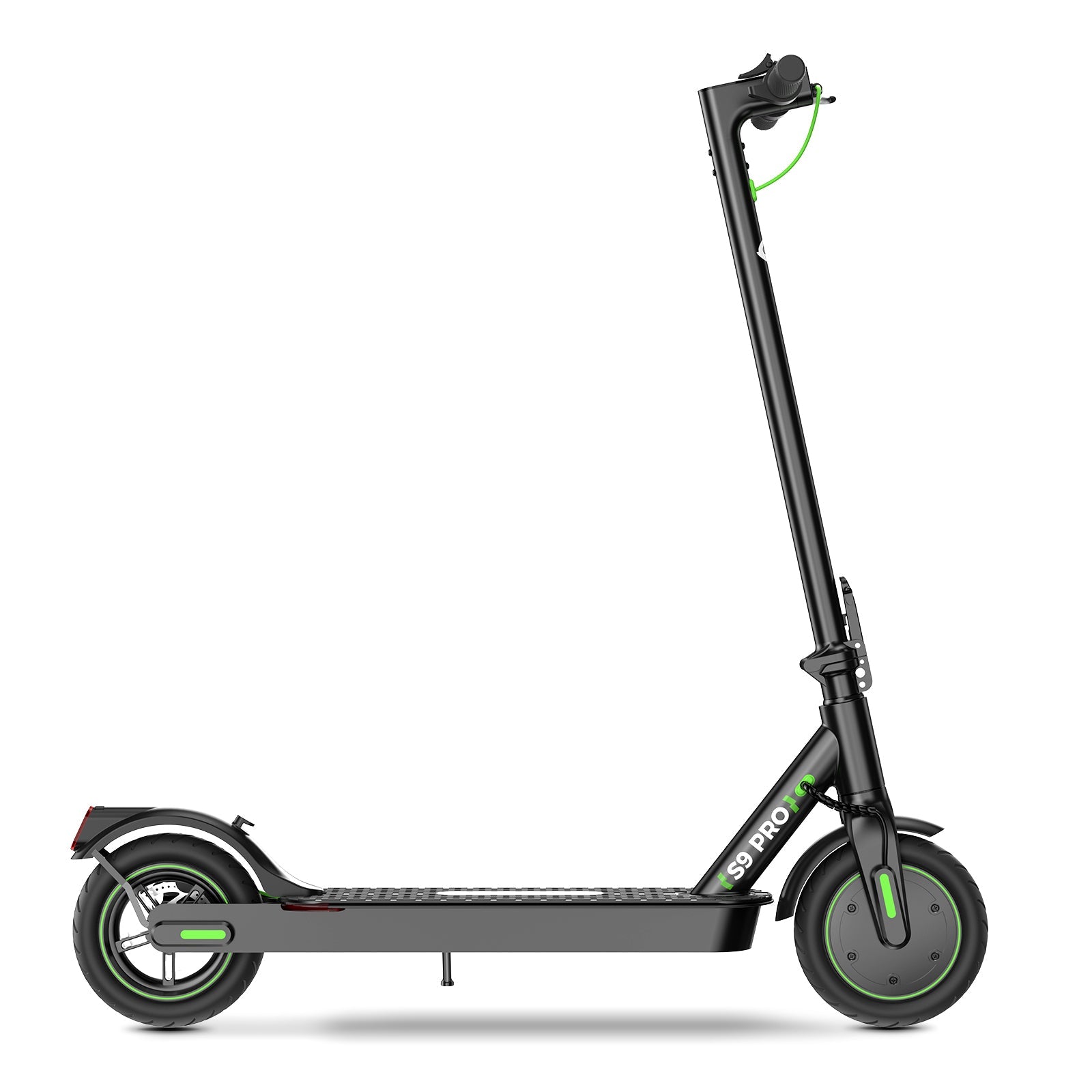
1. isinwheel S9 Pro Pneumatic Tire Electric Scooter (Everyday commuter pick)

- Best for: first-time riders who want one simple scooter for sidewalks, bike lanes, and short-to-mid city trips.
- Why beginners like it: a balanced top speed helps learning because you are not forced to ride at the limit to keep pace.
- Motor and speed: 350W motor with up to 19 MPH top speed.
- Range planning: up to 19 miles max range, which typically covers many round-trip commutes if you can charge at home.
- Battery type: 36V 7.5Ah Lithium-ion Battery
- Braking: EABS brake plus rear disc brake, which helps beginners stop more predictably in mixed conditions.
- Comfort: 8.5-inch pneumatic tires reduce vibration on seams and patched asphalt.
- Urban usability: 3-step folding and a 27.5 lb net weight for stairs and transit transfers.
- Visibility: headlight, rear brake light, and turn signals for better communication in traffic.
- Control support: isinwheel app support plus cruise control and zero-start listed in the specifications.
Shop: isinwheel S9 Pro Pneumatic Tire Electric Scooter
Why it wins: For scooter for urban commuting needs, this setup sits in a beginner-friendly zone because it mixes pneumatic comfort, clear lighting, and dual-mode braking. The practical carry weight also matters because beginners often underestimate stairs, elevators, and office storage. As a result, it supports electric mobility solutions that you can actually sustain daily.
2. isinwheel S9 Pro Pneumatic Tire Electric Scooter (Light-rain commuter pick)

- Best for: beginners commuting when roads are occasionally damp and you need a realistic water rating.
- Water resistance: IP54 rating listed in the specifications, which is helpful for light rain and splash, not deep puddles.
- Battery protection notes: the page lists battery protection including temperature, overload, and waterproof.
- Braking for wet days: EABS plus rear disc brake can feel more confidence-inspiring than a single brake system.
- Tire grip: pneumatic tires can improve contact patch compliance on imperfect surfaces, which helps stability.
- Temperature window: operating temperature listed as 14F to 104F, which helps you plan seasonal rides.
- Visibility for gray weather: headlight plus rear brake light and turn signals help reduce "I did not see you" moments.
Shop: isinwheel S9 Pro Pneumatic Tire Electric Scooter
Why it wins: Beginners often quit riding after one scary wet-day slide. This IP54-rated configuration plus strong lighting is a practical fit for eco-friendly transportation alternatives in cities where weather changes quickly. However, it still requires smart riding because IP ratings do not mean you should ride through standing water.
3. isinwheel S9 Pro Pneumatic Tire Electric Scooter (Carry-and-store commuter pick)
- Best for: apartment living, office storage, and mixed-mode commuting where folding and carrying happen every day.
- Carry weight: net weight is listed as 27.5 lbs, which is manageable for many riders but still heavy enough to matter on stairs.
- Folded size planning: folded dimensions are listed as 41.7 x 18.9 inches, so you can measure your closet or under-desk space.
- Unfolded footprint: unfolded dimensions are listed as 41.7 x 42.9 inches, which affects hallway maneuvering and elevator turns.
- Load and fit: max load is listed as 220 lbs and recommended height is 55.1 to 78.74 inches.
- Beginner control: zero-start and cruise control are listed as available, which can help reduce jerky throttle starts.
- Daily charging: charging time is listed as 4 to 5 hours, so overnight charging usually fits routine commuting.
Shop: isinwheel S9 Pro Pneumatic Tire Electric Scooter
Why it wins: For best electric scooters for commuting, real-life storage is the silent dealbreaker. A scooter that fits your doorway, elevator, and desk area is more likely to become your default green commuting solutions tool. Therefore, sizing and weight deserve the same attention as top speed.
Buying Guide: How beginners choose faster
Beginners typically search for Electric Scooters by speed and range. However, urban commuting success comes from braking feel, tire comfort, and battery safety. Use the questions below to narrow your choice quickly.
Key factors that matter for urban beginners
- Speed cap: Is 19 MPH too fast for your route?
- Many beginners learn faster with predictable modes and conservative throttle, not maximum speed.
- Range: Will 19 miles cover round trips?
- Short commutes are easier if you can recharge at work. Cold weather can reduce real range, so build a buffer.
- Tires: Pneumatic vs solid for cracked roads?
- Pneumatic tires usually ride smoother, but they need pressure checks.
- Brakes: How quickly can you stop safely?
- A combined system like EABS plus a disc brake can feel more controllable for new riders.
- Weight: Can you carry it up one flight of stairs?
- If you cannot lift it comfortably, you will eventually avoid riding.
- Lighting: Do you ride at dusk or early morning?
- Headlight plus rear brake light is the baseline. Turn signals help in traffic.
Q-and-A style selection guidance
- Do you want a scooter for urban commuting that feels calm at low speed?
- Choose a scooter that lists beginner-friendly control features like cruise control and predictable braking.
- Do you need fast charging for daily rides?
- A 4 to 5 hour charge window often works if you charge after work. If your schedule is tight, build habits around partial top-ups.
- Are you comparing scooters as eco-friendly transportation for mixed-mode travel?
- Prioritize fold steps, carry weight, and folded dimensions because you will touch these features daily.
Practical tips to ride and own confidently
- First, check tire pressure weekly.
- Low pressure makes steering feel vague and increases pinch-flat risk.
- Next, practice stops in an empty lot.
- Repeat 10 to 15 controlled stops from about 10 to 12 MPH before you ride in traffic.
- Then, treat wet paint and metal plates like ice.
- Slow down before crosswalk markings, manhole covers, and bridge joints.
- Finally, charge smart.
- Avoid charging when the battery is hot right after a long ride. Give it 20 to 30 minutes to cool if possible.
Common beginner mistakes to avoid
- Buying a heavy scooter you cannot carry, then leaving it at home.
- Over-focusing on speed instead of braking feel and visibility.
- Skipping routine checks like tire pressure and brake adjustment.
Comparison Table
Side-by-side specs beginners compare most
| Model | Top speed | Max range | Battery | Tires | Brakes | Weight | Water rating | Charge time |
|---|---|---|---|---|---|---|---|---|
| isinwheel S9 Pro Pneumatic Tire Electric Scooter | 19 MPH | 19 miles | 36V 7.5Ah | 8.5-inch pneumatic | EABS + rear disc | 27.5 lbs | IP54 | 4-5 hours |
Conclusion
A beginner commuter scooter should remove friction from your day, not add it. For Isinwheel electric scooters aimed at urban starters, the S9 Pro stands out as a practical baseline because it blends manageable speed, pneumatic comfort, and clear electric scooter safety features like EABS plus a rear disc brake.
If your goal is eco-friendly transportation and consistent green commuting solutions, choose the configuration that matches how you actually live: wet-day resilience, carry-and-store constraints, and the routes you ride most. That is how a scooter becomes a habit instead of a hobby.
FAQ
What’s the best scooter for a beginner commuting in an urban area?
A beginner commuter scooter should feel stable at low speeds and stop predictably from around 10 to 15 MPH without locking up. Look for a braking setup that combines electronic braking with a mechanical brake, because it can make deceleration feel more progressive. Pneumatic tires also help on cracked pavement by reducing vibration that can cause new riders to tense up. Finally, make sure the scooter has bright front and rear lights so you stay visible at intersections.
Are there any budget-friendly beginner scooters for commuting?
Yes, but budget value usually comes from choosing practical specs instead of chasing maximum speed or extreme range. For city trips, many riders do well with a moderate top speed and a range buffer that covers a round trip plus 20 to 30 percent. You should still insist on real safety basics like reliable brakes, a bright headlight, and a visible rear brake light. Also plan for add-ons like a helmet and a good lock, because commuting without them creates avoidable risk.
Can you recommend a beginner-friendly scooter for daily commuting?
A beginner-friendly daily commuter scooter should be easy to fold, light enough to carry up stairs, and comfortable over seams and patchwork asphalt. Pneumatic tires typically reduce fatigue on daily rides because they absorb small impacts that solid tires transmit to your arms. You should also look for turn signals or strong lighting if you ride near cars, because visibility problems are common in dusk traffic. For daily use, a charging time under about 5 hours fits most routines if you charge after work.
How to ensure safety while commuting on a beginner-friendly electric scooter?
Start by practicing turns and controlled stops in a parking lot until you can stop smoothly without leaning back aggressively. Keep tires properly inflated because low pressure makes handling less precise and increases the chance of pinch flats. Ride defensively at driveways and intersections, since most close calls happen when a car pulls out unexpectedly. Use lights even in daylight and wear a helmet every ride, because low-speed falls can still cause serious head injuries.
What is the best electric scooter for commuting in hilly cities for beginners?
For hills, beginners should prioritize steady climbing and confident braking on the way down, not just the top-speed number. A scooter with a moderate motor rating can still handle many city grades if you keep speed reasonable and avoid overheating by not forcing full throttle for long periods. Downhill, strong brakes matter because speed can creep above your comfort zone quickly. If your route has steep sections, test one short climb first and plan conservative descending speeds to avoid panic braking.
Should I buy an e-bike or an electric scooter for daily city use, depending on my commuting needs?
Choose an e-bike if you want a seated ride, higher stability at speed, and easier handling on rough roads over longer distances. Choose an electric scooter if you need compact storage in an apartment, quick folding for transit, and easy last-mile coverage from a station to your door. Scooters can feel harsher on broken pavement unless they use pneumatic tires, so comfort varies a lot by tire type. If you commute with a backpack, groceries, or a child seat, an e-bike often handles cargo needs better than a scooter.
Table of Contents
- Introduction
- Product List: Top Picks for Urban Beginners
- Best electric scooters for commuting: the 3 best beginner picks
- Buying Guide: How beginners choose faster
- Comparison Table
- Conclusion
- FAQ
- What’s the best scooter for a beginner commuting in an urban area?
- Are there any budget-friendly beginner scooters for commuting?
- Can you recommend a beginner-friendly scooter for daily commuting?
- How to ensure safety while commuting on a beginner-friendly electric scooter?
- What is the best electric scooter for commuting in hilly cities for beginners?
- Should I buy an e-bike or an electric scooter for daily city use, depending on my commuting needs?


Share:
5 Steps to Decide Between an E-Bike and an Electric Scooter for Daily City Commuting
Electric Scooter vs E-Bike: Which Is Easier to Store in the City?