


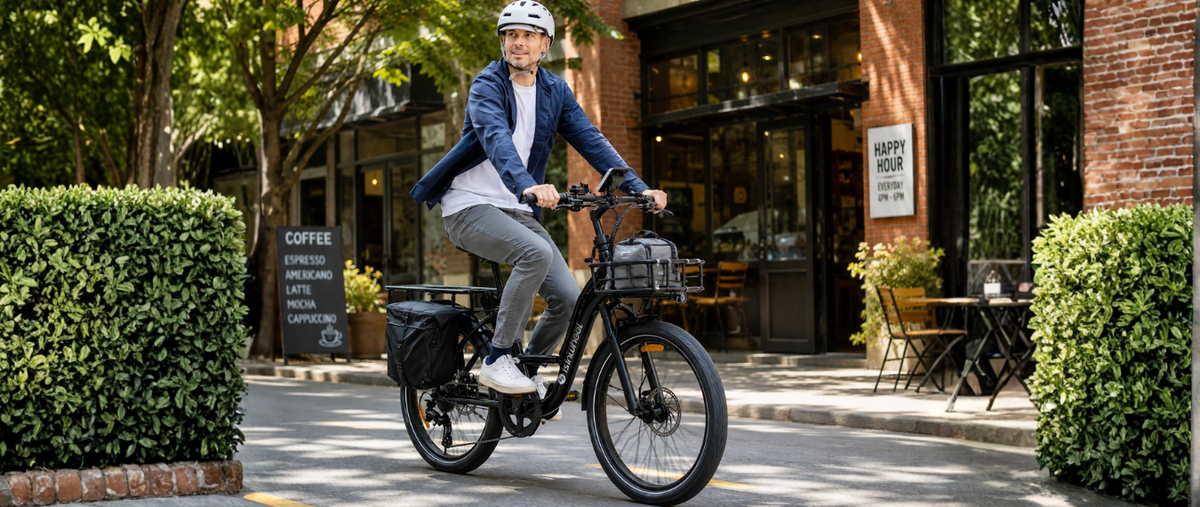
How to Choose the Right iSinwheel Electric Bike for Your Lifestyle
Pick the iSinwheel electric bike that fits the rides you actually do
Choosing the right iSinwheel electric bike gets harder once every model starts to look good on paper. One bike promises more range, another adds cargo space, and another seems ready for rougher roads. If you buy for the biggest spec instead of your real routine, you can end up with a bike that feels too heavy, too bulky, or simply mismatched to your week.
That is why it helps to start with your lifestyle instead of the feature list. In this guide, you will sort iSinwheel electric bike options by commute style, cargo needs, comfort, terrain, and daily convenience. By the end, you should be able to choose the right electric bike for commuting, errands, weekend riding, or your first electric bike purchase with much more confidence.
What kinds of iSinwheel electric bikes can you choose from?

The easiest way to read the lineup is to group bikes by use, not by marketing label. iSinwheel currently highlights models such as the M10Pro, U7S, M60, and U8 Ultra in its electric bike range, covering commuter, cargo, and all-terrain use cases. The collection also positions the brand around adult-focused urban and adventure riding rather than one single riding format.
The main categories in the lineup
A commuter-focused bike usually works best when your trips are short, repetitive, and mostly paved. You want easy starts, predictable handling, and a frame that does not fight you at every stop sign. A cargo e-bike shifts the priority toward carrying capacity, rack compatibility, and stability with bags or baskets. An all-terrain bike leans into larger tires, stronger power delivery, and more confidence when pavement quality gets worse.
That distinction matters because comfort-first and power-first bikes feel very different after a week of real use. If your goal is replacing quick neighborhood drives, utility matters more than aggressive styling. If your route mixes pavement, gravel, and rough patches, a fat tire electric bike often makes more sense than a lighter city-only setup.
How the product range is structured
Within the current range, iSinwheel separates urban and utility riding from more adventurous riding. The U7S sits in the cargo and daily-task lane, while the M10Pro works as a smaller-format fat tire option for everyday travel. The M60 and U8 Ultra push farther into higher-capability riding, with larger frames, 26-inch fat tires, and higher output for riders who need more headroom for distance, hills, or mixed surfaces.
A practical takeaway is this: not every electric bike for short trips should be judged by the same standard. Parking, carrying, lifting, and storage can matter just as much as speed or quoted maximum range. That is especially true if you live in an apartment, ride to work, or want a first electric bike that feels simple rather than intimidating.
Four models that anchor your decision
Here is the quick read on the models most relevant to this guide:
- M10Pro: compact fat tire format with 20 x 4 inch tires, up to 22 mph, and a listed 374 Wh battery; a useful budget-minded commuter candidate.
- U7S: cargo-oriented layout with front and rear rack compatibility, listed 330 lb max load, 20-inch wheels, and utility-focused everyday use.
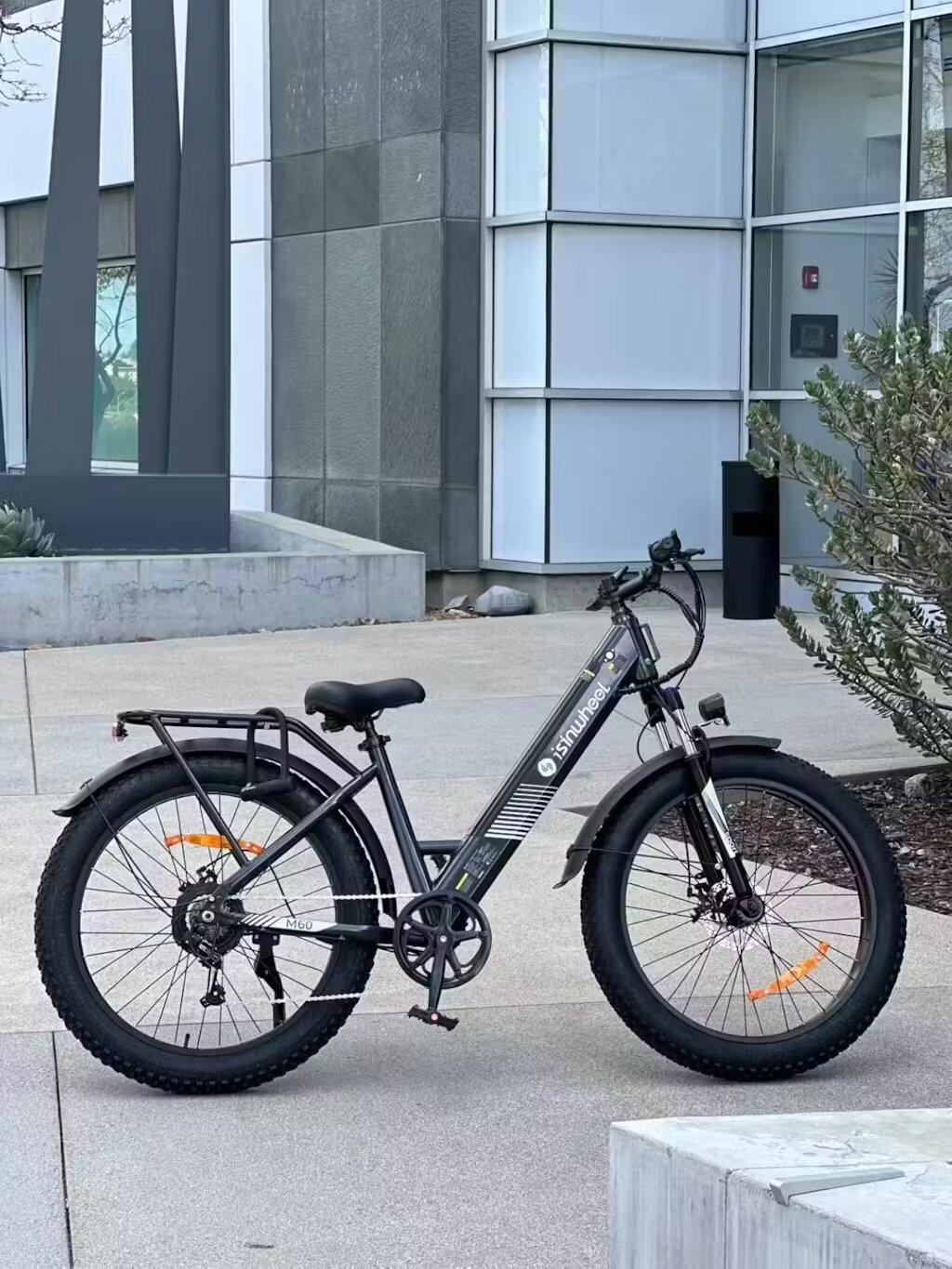
- M60: larger all-terrain profile with 26-inch tires, 1500W rated power, and a quoted 105-mile max range for riders who want broader versatility.
- U8 Ultra: higher-capability fat tire model with 1500W rated power, 864 Wh battery, hydraulic disc brakes, and IP65 water resistance.
How should you match an e-bike to your lifestyle?
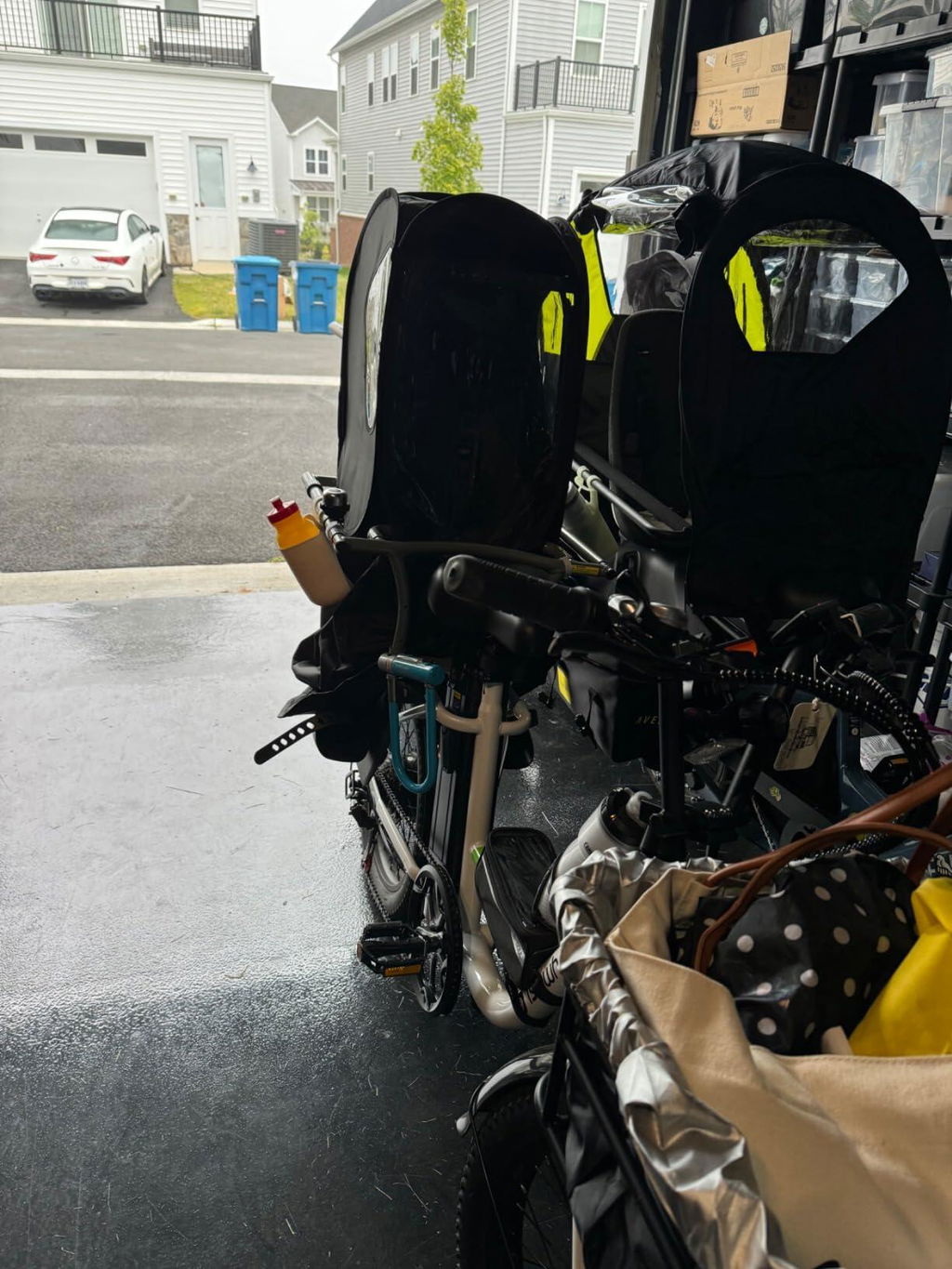
The right match usually appears when you look at one ordinary week, not your most ambitious weekend. Think about where you ride, how often you stop, what you carry, and whether the bike must live in a hallway, garage, or apartment corner.
If your priority is practical commuting
For commuting, you usually want the least complicated bike that still covers your route with margin. That means enough range for your normal round trip, stable handling in traffic, and a size you can live with at home and at work. If your route is mainly pavement and your cargo is limited to a backpack or small pannier, a commuter-style or compact fat tire setup is often the sweet spot.
The M10Pro fits this idea well because it pairs a smaller 20 x 4 inch format with a stated top speed of 22 mph and a 3 to 4 hour charge time. That combination can work well for riders who want a first electric bike that feels capable without jumping immediately to a larger, heavier platform.
Shop: isinwheel M10Pro Electric Bike for Adults
If you want to replace short car trips
Once your bike is handling grocery runs, school pickups, or regular errands, cargo layout starts to matter more than headline speed. A cargo e-bike gives you better utility because the frame and accessories are built around carrying real things, not just carrying a rider. That changes the experience more than many first-time buyers expect.
The U7S is the obvious fit here because iSinwheel describes it as built for cargo and utility, with front and rear rack compatibility for baskets and daily hauling. The product page also lists a 330 lb maximum load, 20 x 3 inch fat tires, and a compact overall length that can be easier to park than a full-size adventure frame.
Shop: isinwheel U7S Cargo Bike
If you ride mixed pavement and rougher paths
Broken pavement, loose gravel, and uneven shoulders can make a city bike feel nervous fast. In that case, wider tires and stronger motor support are not just fun extras. They directly affect confidence, traction, and how tired you feel after a longer ride.
The M60 and U8 Ultra both answer that need with 26 x 4 inch fat tires and 1500W rated power. The M60 lists a 48V 13Ah battery, 28 mph top speed, and 75.9 lb net weight, while the U8 Ultra steps up to an 864 Wh battery, hydraulic disc brakes, IP65 water resistance, and an 81.5 lb net weight. If your riding includes rougher paths often, that extra capability can be worth the tradeoff in footprint and carrying weight.
Shop: isinwheel M60 All-terrain Electric Bike
Shop: isinwheel U8 Ultra Electric Bike for Adults
If you are buying your first electric bike
Your first electric bike should make ordinary riding easier, not turn every purchase choice into a future-proofing exercise. Many new riders overbuy for a use case that happens twice a month, then deal with extra size and weight every single day.
A better approach is to map three things first:
- Your usual one-way trip distance
- Whether you carry gear more than twice a week
- Whether your route is smooth pavement or mixed surfaces
- Where the bike will be stored and charged
If most rides are short and predictable, start with the simplest setup that covers them comfortably. If your weekly pattern clearly includes hauling, choose cargo first. If surface quality is bad enough that you tense up on a narrower bike, a fat tire electric bike becomes easier to justify.
Which buying factors matter most before you decide?
Specs matter, but only when you translate them into ride feel. A motor number, range claim, or tire size is only useful if you understand what it changes in real life.
Range should match your routine
Range is best treated as a planning buffer, not a promise for every ride. iSinwheel currently lists up to 72 miles for the M10Pro, 50 miles for the U7S, and 105 miles for both the M60 and U8 Ultra, depending on model and conditions. Real-world range will move with rider weight, terrain, speed, stop frequency, wind, and cargo.
What to check before you buy:
- Add your typical weekly mileage, not your best-case ride
- Leave margin for hills, cold weather, and heavier loads
- Remember that cargo and throttle-heavy riding use more battery
- Prioritize charging convenience if you ride often
Motor output changes ride feel
Motor output changes more than acceleration. It shapes how easily the bike gets moving from a stop, how calm it feels on inclines, and how much strain you feel when carrying weight. Lower-output setups can be perfectly fine for calmer urban trips, while higher-output bikes help when you ride longer, heavier, or rougher routes.
In this lineup, the U7S product page still shows a base specification block with 500W and 20 mph, while the same page also describes an upgraded 1500W motor, 30 mph top speed, and 48V 20Ah battery. Because those details appear together on the current page, treat the official listing carefully and verify the selected configuration before ordering.
Frame style affects convenience
Frame style is where a bike either fits your day or keeps getting in your way. Cargo layouts help when you carry groceries, bags, or delivery items. Larger adventure frames often feel more planted outdoors but take up more indoor space. A step-through electric bike can be easier to mount when you stop often or ride in everyday clothes, although the four anchor models in this guide lean more toward cargo and fat tire formats than classic low-step city cruisers.
A simple rule works well here: if you stop often, choose convenience; if you carry often, choose utility; if you explore often, choose stability.
Tire size changes comfort and handling
Tires change the whole personality of the bike. Fat tires add cushioning and grip, especially on rough pavement, gravel, and patchy shoulders. Narrower or more city-oriented tires usually roll more efficiently and make the bike feel less bulky. On the iSinwheel side, the M10Pro uses 20 x 4 inch tires, the U7S uses 20 x 3 inch tires, and both the M60 and U8 Ultra use 26 x 4 inch tires.
If your biggest problem is road quality, larger fat tires often improve confidence fast. If your biggest problem is tight storage, stairs, or daily lifting, the same tires can become a drawback.
Common purchase paths for key rider types
This is where choosing the right electric bike becomes easier. Instead of comparing everything at once, start with the rider pattern that sounds most like your week.
| Rider type | Best fit | Why it works | Watch for |
|---|---|---|---|
| Budget-minded commuter | M10Pro | Compact fat tire setup, manageable speed, faster charging | Limited room advantage if you expected a very slim city bike |
| Errands and hauling | U7S | Cargo-friendly layout, rack compatibility, daily utility focus | Parking space and lifting weight |
| Mixed riding and weekend exploring | M60 | 26-inch fat tires, strong power, broader terrain range | Larger footprint indoors |
| Higher range and higher capability | U8 Ultra | Big battery, hydraulic brakes, strong all-around ceiling | More weight and possible feature overlap with M60 |
Budget-minded commuter
If you want an electric bike for commuting without jumping straight to the biggest frame, the M10Pro is the cleanest match. Its listed 374 Wh battery, 22 mph top speed, and 20-inch fat tire layout are practical for shorter urban runs and everyday comfort. It makes more sense for riders who value simplicity and lower entry friction than maximum long-range touring capability.
Errands, school runs, and gear hauling
The U7S suits riders trying to replace local car trips. Rack compatibility on both ends is the real decision-maker here because it affects groceries, work bags, and utility rides every week. If your routine includes carrying things more often than chasing speed, this is the smarter direction.
Weekend explorer with daily overlap
The M60 is the flexible middle ground for people who commute sometimes but also want more freedom on rougher surfaces. Its 26-inch fat tires and 1500W rated power point to a bike that can handle more varied conditions without moving all the way into dirt-bike territory. That makes it attractive when one bike has to cover both weekday and recreational use.
Rider seeking higher range and capability
The U8 Ultra is the better fit when you want more battery capacity and stronger feature depth from the start. The official page lists an 864 Wh battery, hydraulic disc brakes, IP65 water resistance, and a 330 lb max load. If your routes are longer, rougher, or simply less predictable, that extra ceiling can make daily use feel less limiting.
Best practices and mistakes that cost buyers the most
A good buying decision usually comes down to a few practical checks that people skip because they are too focused on top speed or range claims.
Best practices
Use these checks before you place an order:
- Match the bike to your weekly mileage, not one dream ride
- Measure your storage spot before choosing a larger fat tire frame
- Think through charging access, especially if the bike stays downstairs or in a shared garage
- Prioritize fit, stop and go ease, and comfort before extra capability
- Plan for lights, helmet use, and visibility from day one
Safety matters just as much as specs. NHTSA says bicyclists should ride with the flow of traffic, obey traffic signs and signals, and use a white front light and red rear light with reflectors when riding at night or in poor visibility; it also reports 1,103 bicyclists were killed in traffic crashes in 2024. CPSC also advises riders to wear a bicycle helmet when riding and highlights safe charging as a key micro mobility practice.
Common pitfalls to avoid
The most common mistake is buying only by top speed. A faster, heavier bike is not automatically better if your real trips are two to five miles on smooth streets. The second mistake is ignoring cargo and parking. A bike that fits your ride but not your apartment, workplace rack, or daily routine will get used less.
Another common issue is assuming listed maximum range equals your normal range. It usually does not. Finally, if a product page shows mixed specification blocks or multiple configurations, confirm the exact version you are buying so your expectations match the delivered bike. That matters especially with utility models where motor, battery, and accessory options may vary on the same listing.
Choose for the ride you actually live
The best iSinwheel electric bike is the one that fits your ordinary week with the least friction. If you mostly commute alone, keep your choice simple and manageable. If you regularly haul groceries or gear, choose cargo first. If your routes include rough pavement, gravel, or longer mixed rides, give more weight to tire size, battery capacity, and braking hardware.
In other words, lifestyle fit beats spec chasing almost every time. Shortlist your options by commute distance, cargo frequency, terrain, and storage reality, and the right electric bike usually becomes much easier to spot.
FAQ
What electric bike brands are best for practical commuting?
A practical commuting setup is usually a lighter, simpler bike that covers your daily route with some battery margin. For most riders, that means moderate speed, comfortable geometry, and a frame that is easy to park and store after work. Within this lineup, Isinwheel is a solid brand direction for commuting because the M10Pro gives you a more compact everyday option, while the U7S adds utility if your commute includes bags, groceries, or regular errands. If your one-way ride is short and mostly paved, avoid overbuying for rare off-road use.
Should I choose an e-scooter or an e-bike for commuting in the city, considering value for money?
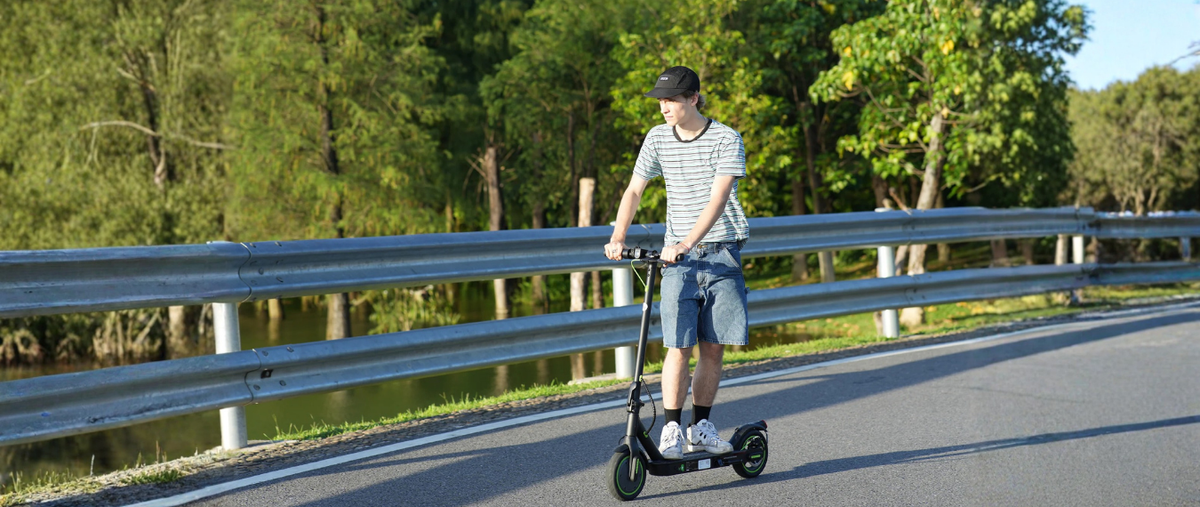
An e-bike is usually the better value if your commute includes longer distances, frequent stoplights, or carrying a backpack, laptop, or groceries. You get a seated riding position, better stability over rough pavement, and more flexibility when trips stretch beyond a quick hop. In Isinwheel's range, an electric bike makes more sense when you want commuting plus errands from the same vehicle, especially if you expect 3 to 10 mile trips several times a week. An e-scooter can still work for very short, lighter-duty rides, but it is usually less versatile once cargo and comfort matter.
Is an e-bike safer than an electric scooter for commuting in urban areas, considering safety features and price?
For most urban commuters, an e-bike is generally the safer choice than an electric scooter because its larger wheels, longer wheelbase, and seated riding position provide better balance, braking confidence, and stability on potholes, curbs, and rough pavement. In terms of safety features, e-bikes also more often offer stronger brakes, brighter integrated lights, and frames that feel more predictable in traffic. Price-wise, electric scooters are usually cheaper upfront, but many riders find the extra cost of an e-bike worthwhile for added control and comfort on daily city routes. If you are choosing between the two, pick based on your road conditions, commute distance, and whether stability or lowest price matters more to you.
How can you tell whether you need a cargo e-bike or a standard commuter model?
You need a cargo e-bike when carrying things is part of your weekly routine, not just an occasional extra. If you regularly haul groceries, school bags, work gear, or utility items more than once or twice a week, the cargo format usually pays off fast. A standard commuter model is the better choice when most rides are solo and your load stays under what a backpack or small pannier can handle comfortably. In practical terms, buy for the trips you repeat every week, not the one big hauling day you might have once a month.
What matters more for everyday riding: range, power, or comfort?
For everyday riding, comfort matters most because it decides whether you actually want to use the bike regularly. Range comes next, since you need enough battery to cover your normal week without constant charging stress, and power becomes more important when hills, cargo, or rough surfaces are involved. A good target is to choose a bike that covers your usual round trip with at least 20 to 30 percent buffer rather than chasing the biggest listed number. If two models seem close, pick the one that will feel easier at starts, stops, and parking.
Are fat tires a smart choice for city riding?
Yes, fat tires can be a smart city choice when your streets are cracked, patched, or mixed with gravel shoulders and rough pavement. They add comfort, grip, and confidence, which is why many riders feel more relaxed on them during imperfect urban rides. The tradeoff is extra bulk, more bike weight, and sometimes less convenience in tight storage spaces or walk-up apartments. If your city riding is smooth, short, and storage is your biggest problem, a smaller or less bulky setup may still be the better fit.
Table of Contents
-
How to Choose the Right iSinwheel Electric Bike for Your Lifestyle
- Pick the iSinwheel electric bike that fits the rides you actually do
- What kinds of iSinwheel electric bikes can you choose from?
- How should you match an e-bike to your lifestyle?
- Which buying factors matter most before you decide?
- Common purchase paths for key rider types
- Best practices and mistakes that cost buyers the most
- Choose for the ride you actually live
-
FAQ
- What electric bike brands are best for practical commuting?
- Should I choose an e-scooter or an e-bike for commuting in the city, considering value for money?
- Is an e-bike safer than an electric scooter for commuting in urban areas, considering safety features and price?
- How can you tell whether you need a cargo e-bike or a standard commuter model?
- What matters more for everyday riding: range, power, or comfort?
- Are fat tires a smart choice for city riding?


Share:
Best iSinwheel Electric Bikes for Commuting, Adventure, and Everyday Riding