




The Backyard Track Blueprint: Building a Safe Dirt Bike Course for Your Electric Ride
The Short Answer: Start With Space, Safety, and a Simple Loop
A safe backyard dirt bike course starts with three things: enough open space, a smooth and forgiving surface, and a simple loop with wide turns and clear run-off areas. You do not need big jumps or a huge property. A well-planned oval or figure-eight on flat ground is often the best and safest place to practice.
Electric dirt bikes are a good match for backyard tracks because they are quiet and clean, and they have no fuel to spill. But a quiet bike still needs a careful layout. This blueprint walks through how to choose the space, plan the shape, build the surface, and keep the track safe season after season.
Step 1: Check the Rules Before You Dig
Local Laws and Neighbors
Before moving any dirt, check your state and local laws, any homeowners association rules, and zoning limits on motorized vehicles. Some areas allow electric bikes on private land and others restrict them, so it pays to ask first. Let your neighbors know your plan, too. Because electric bikes are quiet, many people are happy to hear that they will not be dealing with a loud engine.
Insurance and Liability
Check with your insurance provider about what is covered on your property, especially if friends or family will ride. It is a short phone call that can save a lot of trouble later.
Step 2: Pick the Right Spot
Look for Flat, Open, and Well Drained
The best location is flat, open, and free of trees, rocks, wires, and buried utilities. Avoid low spots where water collects, since standing water turns a track into a mud pit. If you live in a place with heavy rain, this guide on how rain, mud, dust, and cold affect electric bikes is worth a read before you pick the final spot.
How Much Room You Need
For a beginner loop, aim for an area of at least 100 by 150 feet. Smaller spaces can work for slow skills practice, but they leave less room for mistakes. Whether you have a Midwest farm lot or a sandy yard in Florida, keep the track well away from fences, buildings, and property lines.
Step 3: Design a Safe Layout
Keep the Shape Simple
An oval or a gentle figure-eight is easy to ride and easy to supervise. Avoid sharp, tight corners and blind spots. Riders should always be able to see the whole track from where an adult stands.
Use Smart Dimensions
Good track dimensions give riders room to think. Use these as a starting point:
- Make the track about 8 to 10 feet wide.
- Keep straights at least 50 feet long so riders can build and shed speed smoothly.
- Make turns wide, with a radius of about 15 to 20 feet.
- Leave at least 10 feet of clear run-off space around the outside.
Ride One Direction at a Time
Set one direction of travel and keep it. Letting riders go both ways, or having two riders in opposite directions, is a recipe for collisions. If several people ride, send them out one at a time with a gap between them.
Step 4: Build a Surface That Works
Choose a Smooth, Forgiving Base
Packed dirt, fine gravel, and short grass are all common choices. Remove rocks, roots, and sharp objects, and fill holes before the first ride. A firm base with a thin layer of loose dirt on top usually gives good grip without feeling slippery.
Add Gentle Features Only
Small, rounded bumps and a low rolling hill can add fun without adding much risk. Skip big jumps until riders have strong skills, and build any feature with a gentle slope up and down. Features should always be visible from a distance.
Mark the Edges Clearly
Use cones, flags, or soft rope markers to show where the track starts and ends. Avoid hard stakes, rigid posts, or metal edging that could cause injuries in a fall. If you want to use barriers, soft options such as hay bales or straw work well at corners.
Step 5: Set Up Safety and Gear Stations
Safety should be part of the design, not an afterthought.
- Post a simple rules sign: helmets always, one rider at a time, and no riding alone.
- Keep a first aid kit and a phone near the track.
- Set up a spectator area at a safe distance outside the run-off zone.
- Create a gear station for helmets, gloves, boots, eye protection, and body armor.
- Keep pets and small children out of the riding area.
Step 6: Plan Your Charging and Maintenance Corner
One of the best parts of an electric track is the setup at the edge. Keep a covered, dry spot for charging, away from rain and extreme heat. Check the bike’s brakes, tires, chain, and bolts before each session, and wipe off dust and dirt afterward. For a closer look at what wears out first, this wear and maintenance guide for electric bikes is a helpful reference.
Inspect the track too. Rake out ruts, fill holes after rain, and remove new rocks or branches. A few minutes of upkeep keeps the course safe and fun.
Which Bikes Suit a Backyard Track?
For a small track, a compact bike with manageable speed is usually the best fit. Here are three isinwheel options:
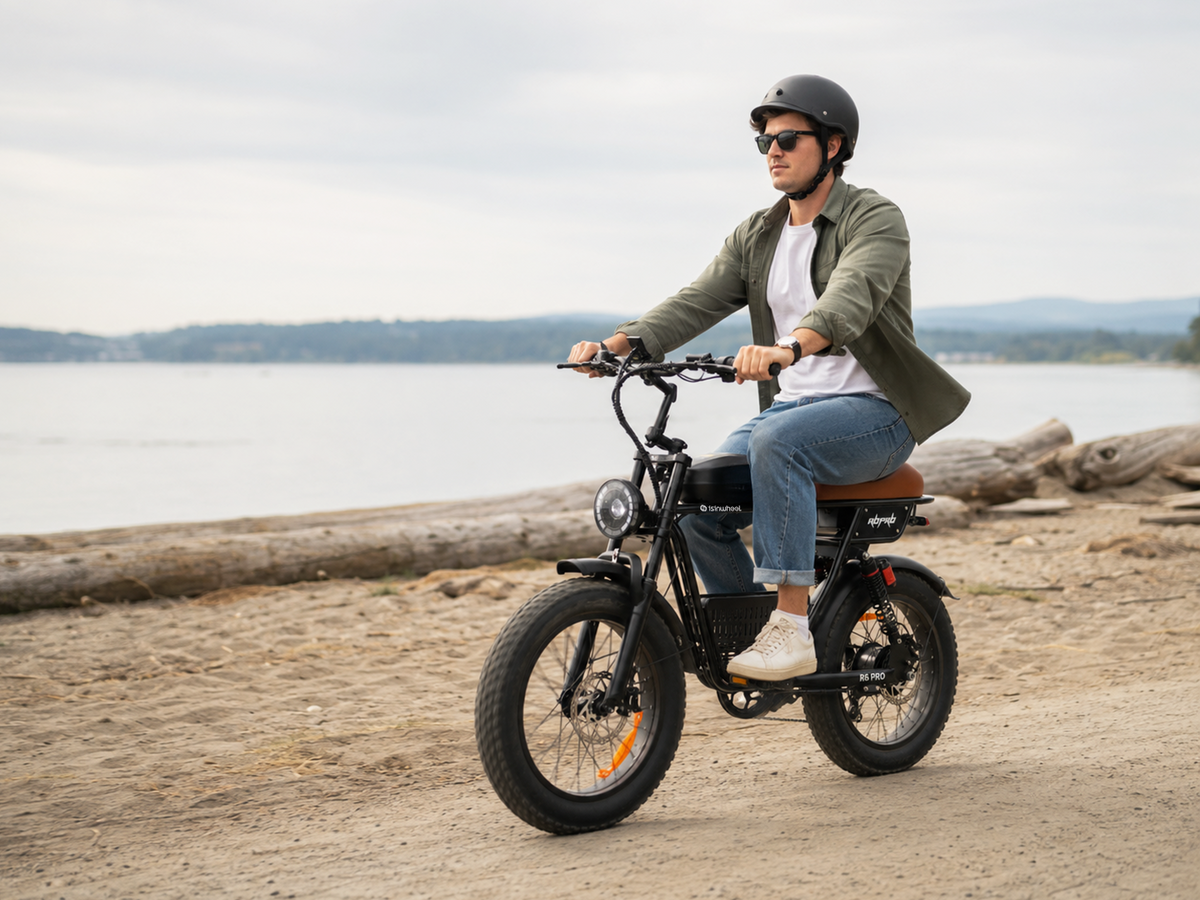
- The isinwheel R6 Mini Ebike has 1000W max power, a 32 mph top speed, and a 32-mile listed range. It is a compact pick for small tracks and newer riders.
- The isinwheel R6 Pro Electric Dirt Ebike Combo offers 1500W motor power, a 35 mph top speed, and 20 x 4 inch fat tires for added stability.
- The isinwheel R8 Electric Dirt Bike offers 3000W peak power and a 35 mph top speed, which suits larger tracks and more experienced riders.
A backyard track rarely needs top speed, so choose the bike that matches the rider’s skill and the size of your space.
Build Slowly, Ride Smart
The best backyard track is not the biggest one. It is the one that is safe, simple, and easy to improve over time. Start with a flat oval, add small features one at a time, and always keep safety gear and ground rules in place. Then enjoy the quiet, easy ride right at home.
Questions Riders Ask About Backyard Tracks
How big does a backyard dirt bike track need to be?
A beginner loop works best with about 100 by 150 feet, though smaller spaces can work for slow practice.
Do I need permission to build a backyard track?
Often yes, so check local laws, zoning, and any homeowners association rules before you start.
What surface is best for a backyard track?
A firm, smooth base of packed dirt or fine gravel with a thin layer of loose dirt usually works well.
Are electric dirt bikes good for small tracks?
Yes, their quiet, smooth power makes them a good fit, as long as the track layout and rider skill match.


Share:
Teaching Teens to Ride Off-Road: Why Electric Dirt Bikes Make Better First Teachers
Zero Fumes, Zero Fuss: The Hidden Maintenance Savings of Going Electric Off-Road