


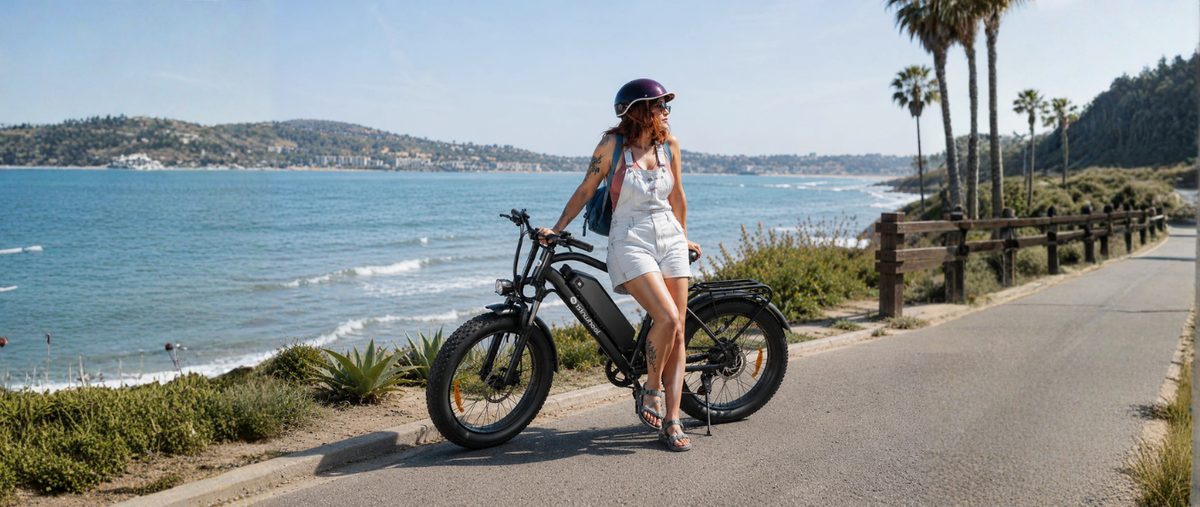
The Short Answer: Your E-Bike Is Just Getting Started
After 1,000 miles, an electric bike is usually just getting started, but a few parts will show real wear. Tires, brake pads, and the chain tend to need attention first, while the battery and motor usually hold up well with basic care.
Think of it like a car's first big service. Nothing is wrong, but the miles are starting to add up. In this guide, we'll walk through what changes on an e-bike after 1,000 miles, what to check, and how to stop small issues from turning into expensive repairs.
Why 1,000 Miles Is a Useful Checkpoint
Most new parts go through a break-in period early on. Cables stretch, spokes loosen, and bolts settle. By 1,000 miles, that break-in is done, so it's the perfect time to fix what shifted and learn what normal feels like on your bike. Keep a simple note of your tire changes, chain swaps, and service dates, so you can spot patterns and plan ahead for parts.
What Wears Out First on an E-Bike?
Not every part ages at the same speed. These are the ones that usually show it first.
Tires
Tires take the most abuse because they carry your weight and the motor's pulling power. After 1,000 miles, many riders notice a flatter center tread, small cuts, or more frequent flats. Check tread and pressure every couple of weeks, and replace tires before the tread is fully gone. Running tires at the pressure printed on the sidewall also reduces flats and helps range.
Brake Pads and Rotors
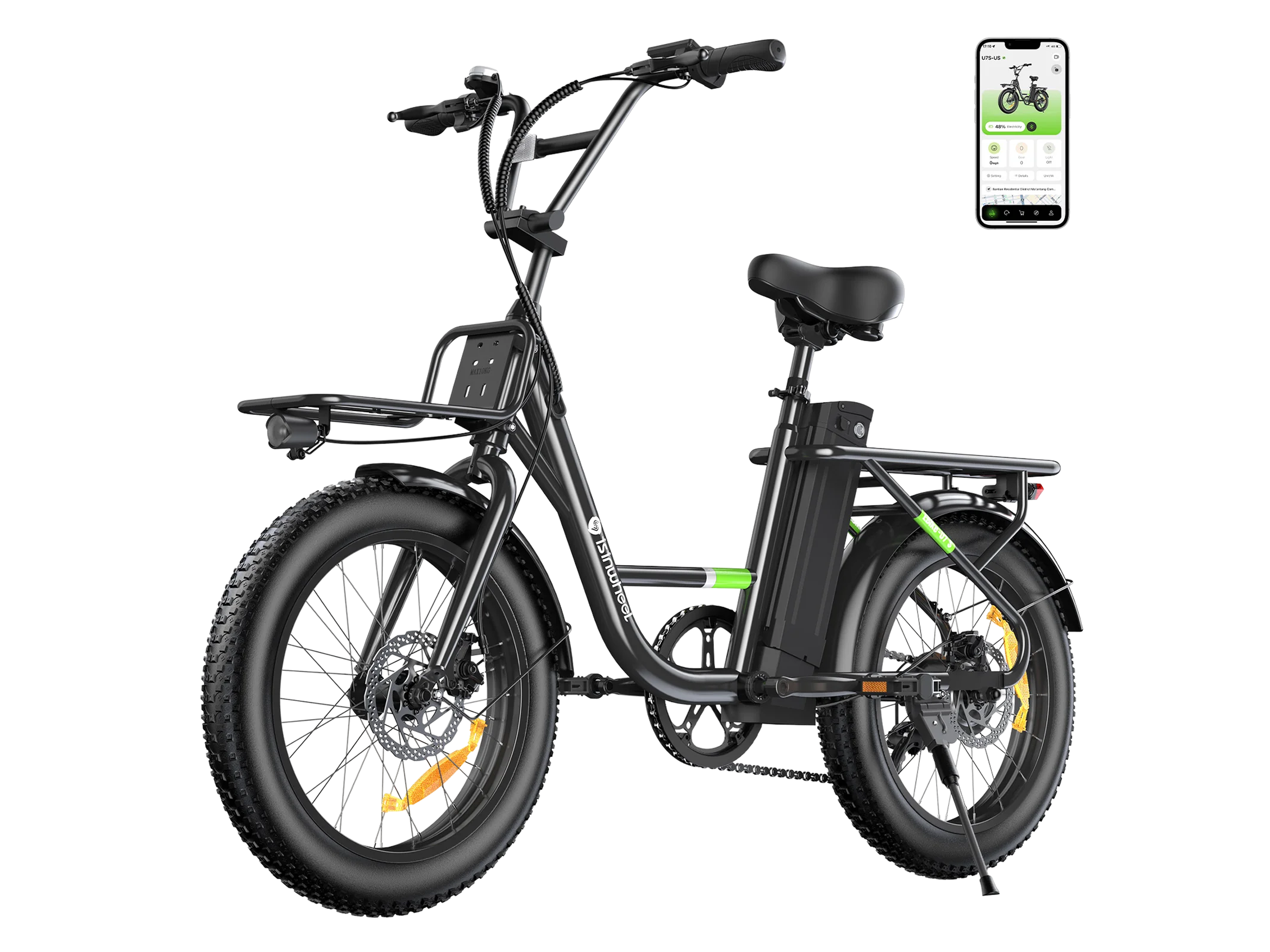
E-bikes are heavier and faster than regular bikes, so the brakes work harder. Pads can wear out before the 1,000-mile mark if you ride hills or stop-and-go traffic. Squealing, a weak squeeze, or a lever that pulls too close to the bar all mean it's time for a look. Cargo bikes like the iSinwheel U7S carry extra weight, so it's smart to check their brakes and tires more often.
Chain, Cassette, and Chainring
The drivetrain takes extra stress from motor assistance. Around this mileage, a chain often stretches, and a stretched chain wears down the gears faster. Cleaning and lubing the chain regularly, and swapping it on time, is far cheaper than replacing the whole drivetrain later.
How the Battery and Motor Hold Up
Battery Health
A good lithium-ion battery is built to handle hundreds of charge cycles. At 1,000 miles, you may notice a small drop in range, which is normal. Heat, deep discharges, and leaving the battery full for weeks all speed up that fade. Charging between roughly 20 and 80 percent for daily rides and storing it indoors helps a lot. Our electric bike battery guide shares more ways to protect your range.
Motor and Electronics
Motors are usually the toughest part of an e-bike and can run for thousands of miles. What fails more often are small things like loose connectors, worn cables, or water getting where it shouldn't. Check the wiring for cracks and make sure plugs are snug. An odd grinding or clicking sound is worth checking early, since small noises are easier to fix than big failures. Water resistance ratings help, such as IPX5 on the iSinwheel M60 and IP65 on the iSinwheel U8 Ultra, but it's still best to skip the pressure washer.
The Hidden Wear Most Riders Miss
Bolts and Frame
Vibration loosens bolts over time. Check the handlebar, stem, pedals, seat post, and wheel axle bolts, and tighten them to the maker's spec. Look over the frame and welds for cracks, especially near the rear rack if you carry loads.
Wheels, Bearings, and Cables
Spokes and wheel bearings settle in during the first 1,000 miles. A wobbly wheel or a notchy handlebar needs attention. Mechanical disc brakes, like those on the M60, can stretch cables and need a quick adjustment. Hydraulic brakes, like those on the U8 Ultra, keep a firmer feel but still need fresh fluid over time.
When to Fix It Yourself and When to Visit a Shop
Cleaning, lubing, tire pressure, and basic bolt checks are easy to handle at home with a few tools. Leave hydraulic brake bleeding, motor noises, battery swelling, or error codes to a qualified technician. Never open a battery pack yourself. If something feels unsafe, stop riding and get it checked first.
Your 1,000-Mile Checkup Checklist
Set aside an hour at the 1,000-mile mark and run through this list:
- Measure tire tread and set pressure to the sidewall range
- Check brake pads, rotors, and lever feel
- Clean and lube the chain, then check for stretch
- Wipe the battery contacts and inspect the charge port
- Tighten key bolts and look over the frame
- Test lights, display, and wiring
Many of these tips also apply to other iSinwheel rides, so our guide on how to maintain your iSinwheel electric scooter is a handy reference for battery, tire, and brake care.
How Riding Style and Weather Change the Numbers
Two riders can hit 1,000 miles and end up with very different bikes. A 10-mile commute through hilly, stop-and-go traffic wears parts faster than easy weekend rides on a flat bike path. Rider weight and cargo matter as well, since extra load adds strain to tires, brakes, and the motor. Weather matters too. Winter road salt in cities like Detroit or Minneapolis eats at chains, bolts, and connectors, so rinse your bike gently and dry it after wet rides. Cold below 32°F can also shrink battery range for a while, so keep the battery indoors when it's freezing. If you spend weekends on a scenic route like Chicago's Lakefront Trail, a quick wipe-down afterward goes a long way. And if you're still choosing a bike for long commutes, our guide to the best iSinwheel electric bikes for long commutes, cargo, adventure, and everyday riding can help.
Mile 1,000 Is a Tune-Up, Not a Warning Sign
After 1,000 miles, an e-bike should feel familiar, not worn out. Tires, pads, and chains are normal wear items, and the battery and motor usually stay strong with good care. A short checkup now, plus regular cleaning and charging habits, keeps your ride smooth and safe for the next 1,000 miles.



Share:
Are isinwheel Electric Bikes Good for Long-Distance Riding?