


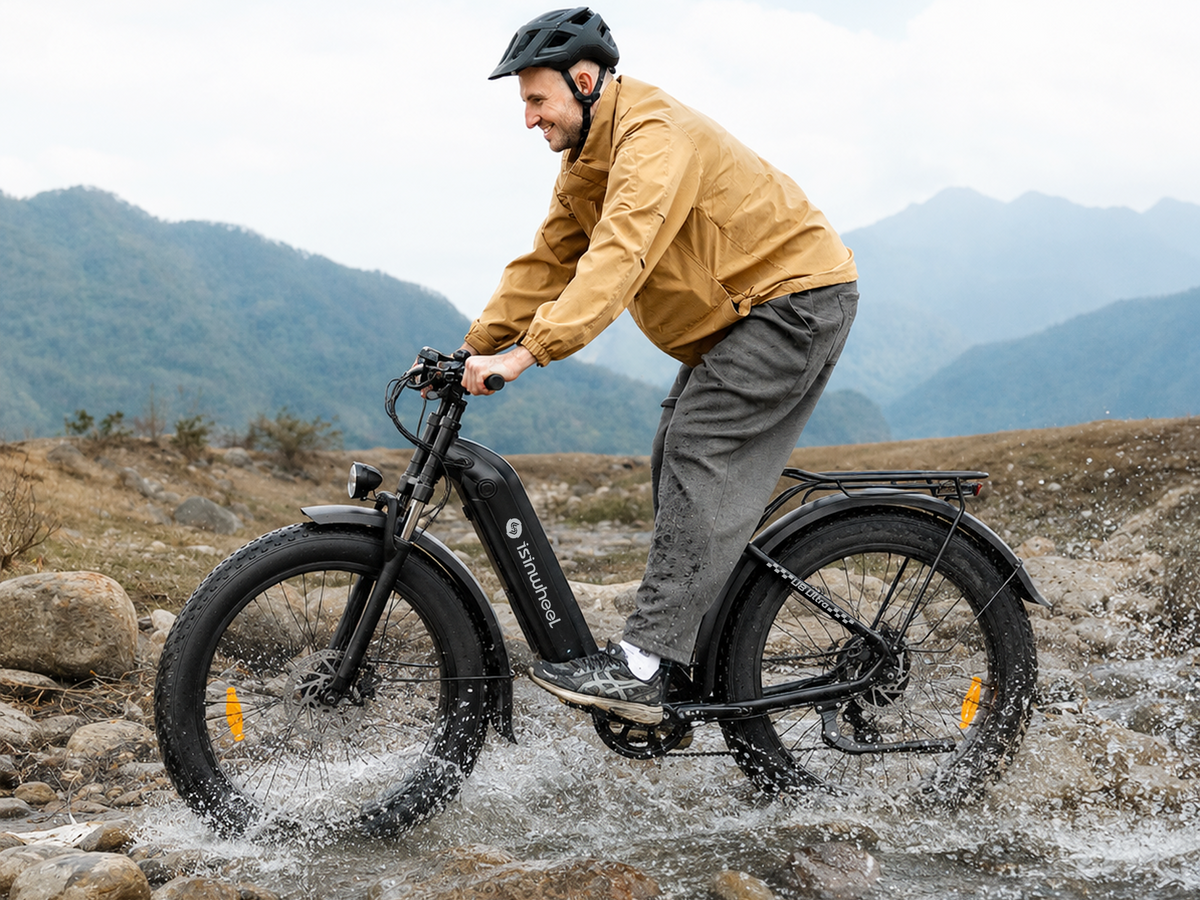
Electric Bike Battery Guide: How to Get More Range From Your E-Bike
Introduction
Nothing compares to the freedom of a long e-bike ride—whether you're exploring rugged trails on an off-road adventure or cruising through the city on your daily commute. But one common concern for riders is battery range.
The good news is that you can get more out of every charge with the right riding habits, battery care, and maintenance. iSinwheel offers electric bikes designed for different riding styles, including commuter models for everyday transportation and all-terrain e-bikes built for trails, gravel, and more demanding routes.
This guide explains how e-bike batteries work and shares practical ways to maximize your riding range.
Understanding E-Bike Battery Capacity
Before trying to increase your range, it helps to understand the numbers on an e-bike battery.
1. Battery Capacity
Battery capacity is commonly measured in watt-hours (Wh). In general, a higher Wh rating means the battery can store more energy, although actual range also depends on the rider, terrain, speed, weather, tires, and assist level.
For example, iSinwheel's current off-road collection includes models with different battery configurations and advertised ranges, allowing riders to select an e-bike according to their intended use.
2. Voltage and Amp-Hours
Voltage (V) and amp-hours (Ah) are also important battery specifications. A simple way to understand battery energy is:
Watt-hours (Wh) ≈ Voltage (V) × Amp-hours (Ah)
This helps explain why two batteries with different voltage and Ah ratings can offer different amounts of stored energy.
3. Battery Management System
A battery management system, or BMS, helps monitor important battery functions such as charging, temperature, and electrical protection. Following the manufacturer's charging and storage recommendations is an important part of maintaining battery performance.
10 Ways to Get More Range From Your E-Bike
1. Use Pedal Assist Wisely
Higher assistance levels can use more battery power. When conditions allow, use a lower or moderate assist level and contribute more pedaling effort. Save higher assistance for steep hills, strong headwinds, or situations where you need additional support.
2. Maintain a Steady Speed
Frequent acceleration can consume more energy than maintaining a consistent pace. Smooth acceleration and controlled braking can help you make better use of your battery throughout the ride.
3. Check Your Tire Pressure
Proper tire pressure can reduce rolling resistance and make your e-bike more efficient. Check your tires regularly and keep them within the pressure range recommended by the manufacturer.
This is particularly useful for fat-tire models designed for off-road riding, where tire setup can have a noticeable effect on how the bike feels across different surfaces.
4. Reduce Unnecessary Weight
Extra weight requires more energy, especially when climbing hills or accelerating. Carry only the equipment you actually need for your trip.
5. Plan Your Route
Terrain has a major effect on battery consumption. A route with steep climbs, loose surfaces, or frequent stops can require considerably more assistance than a relatively flat paved route.
For daily commuting, choosing a smoother and more efficient route can help extend usable range.
6. Keep Your E-Bike Clean
A clean drivetrain and properly maintained components can help the bike operate efficiently. Pay attention to the chain, gears, brakes, and other moving parts.
7. Charge the Battery Correctly
Follow the charging instructions supplied with your specific e-bike and charger. Avoid using incompatible chargers, and don't ignore unusual heat, swelling, damage, or other signs that a battery may need professional attention.
8. Store the Battery Properly
When your e-bike will not be used for an extended period, store the battery according to the manufacturer's recommendations. Avoid extreme temperatures and keep the battery in a suitable dry environment.
9. Perform Regular Maintenance
Brake drag, poorly adjusted components, underinflated tires, and drivetrain problems can all affect riding efficiency. Regular inspections help keep your e-bike operating as intended.
10. Match Assist Level to the Terrain
Think about where you're riding. Flat city streets generally require less assistance than steep hills or rough trails. On an off-road ride, use the assistance you need for climbs and challenging surfaces, then reduce assistance when the terrain becomes easier.
Off-Road vs. Commuter E-Bikes: What Does Range Mean?
Range expectations can vary significantly depending on how an e-bike is used.
Off-Road E-Bikes
Off-road riding often involves hills, uneven terrain, loose surfaces, heavier tires, and frequent changes in elevation. These conditions can increase energy consumption.
The iSinwheel off-road collection includes models such as the R6 Mini, R6 Pro, R8, U8 Ultra, and M60, with specifications designed around different adventure and all-terrain riding needs.
For example, the current collection lists the R6 Pro with an advertised maximum range of up to 105 miles, while the R8 is listed with up to 150 miles under stated conditions. Actual range will vary depending on riding conditions and usage.
Commuter E-Bikes
Commuter e-bikes are generally intended for everyday transportation, including work, school, errands, and city travel. Smooth roads and consistent speeds can make energy use more predictable.
iSinwheel's electric-bike lineup includes commuter-oriented options alongside cargo, folding, cruiser, and all-terrain models, giving riders choices based on how they plan to use their bike.
What Affects Your Real-World E-Bike Range?
Advertised maximum range should be treated as a reference rather than a guarantee. Your actual mileage can be affected by:
-
Rider weight
-
Cargo weight
-
Riding speed
-
Pedal-assist level
-
Terrain and elevation
-
Tire pressure
-
Wind conditions
-
Temperature
-
Stop-and-go riding
-
Battery age and condition
-
Bike maintenance
A rider traveling slowly on relatively flat pavement may achieve very different results from someone riding quickly over steep, rough trails.
Final Thoughts
Getting more range from your electric bike isn't only about buying a larger battery. Smart riding habits, correct tire pressure, route planning, regular maintenance, and proper battery care can all help you make better use of the energy available.
Whether you're choosing an iSinwheel commuter e-bike for everyday transportation or an all-terrain model for outdoor adventures, understanding your battery and adapting your riding style can help you enjoy more miles between charges. iSinwheel's current e-bike collections are designed to cover both urban commuting and more adventurous riding environments.
Ride smart. Ride farther. Enjoy every mile.

Share:
What Makes a Good All-Terrain Electric Bike? 7 Features to Look For
Best iSinwheel Electric Bikes for Commuting, Weekend Rides, and Off-Road Adventures