


One Scooter, Three Very Different Weeks
If you're trying to find one electric scooter that handles a weekday commute, a weekend trail ride, and the occasional spontaneous outing, the short answer is that no single spec matters more than matching motor power and tire type to how you actually plan to use it. A lightweight commuter model is great for pavement and short trips, while a scooter with a stronger motor, bigger battery, and off-road tires is built for longer weekend rides and rougher terrain. The good news is that iSinwheel's lineup covers both ends, so you don't have to compromise on either.
Choosing a scooter that only handles one type of ride is a common mistake. Some riders buy the flashiest, most powerful model available and then find it overkill and hard to store for a simple commute. Others go for the cheapest, lightest option and get frustrated the first time they hit a gravel path or a steep driveway. Matching the scooter to your actual week, not just your ideal weekend, makes the whole ownership experience better.
Price and battery size tend to track pretty closely with what a scooter is built for. Lighter commuter models are usually the most affordable and the easiest to carry, while scooters built for longer rides or rough terrain carry bigger batteries, sturdier frames, and a higher price tag to match. Neither approach is wrong, it just depends on which type of riding actually fills most of your week.
What to Look For in a Daily Commuter Scooter
For weekday trips to work, school, or the train station, portability and easy handling matter more than raw power. You want something that folds quickly, doesn't weigh you down on stairs, and gets you there without draining half the battery on a short ride.

The isinwheel S9 Pro is a solid entry point here. It's light, easy to maneuver through crowded sidewalks, and simple enough for a first-time rider to pick up quickly. If your commute involves a bit more distance or a few inclines along the way, the isinwheel S10Max offers a stronger motor and a longer range, so you're not watching the battery indicator during your ride home.

Both models are built around the idea that a commuter scooter should disappear into your routine, not complicate it. That means quick folding mechanisms, dependable brakes, and a ride that feels stable even when you're weaving through foot traffic.
Scooters Built for Weekend Trips and Longer Rides
Weekends usually mean longer distances, whether that's a ride along the waterfront, a trip to a farmers market across town, or just exploring a part of the city you don't normally get to. For that kind of riding, a bit more battery and a smoother ride quality go a long way.

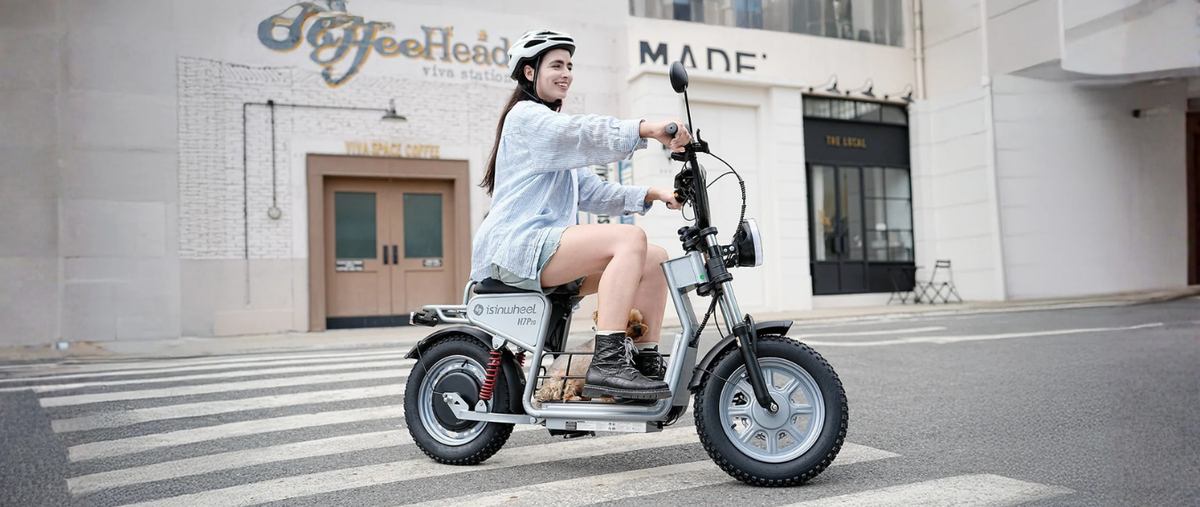
The isinwheel GT2 Pro fits well here, with a bigger battery and a motor that handles longer stretches without strain. If comfort on longer rides is your priority, the isinwheel H7 Pro comes with a seat option, which changes the whole experience on rides that stretch past 20 or 30 minutes. Sitting down for a longer ride reduces leg fatigue and makes the scooter feel more like a light vehicle than a stand-up gadget.

These models also tend to have larger tires, which smooths out the kind of bumps and cracked pavement you run into on longer routes that a short commuter ride might never encounter.
Scooters Made for Off-Road and Adventure Days
Some riders want their scooter to do more than handle city streets. Gravel trails, dirt paths, and uneven parks call for a different kind of build entirely, one with knobby tires, stronger suspension, and enough motor power to climb without slowing to a crawl.
The isinwheel GT4 Dual Motor is built for exactly this kind of riding, with dual motors and off-road tires that grip loose surfaces far better than a standard commuter scooter can. For riders who want strong off-road capability without stepping up to a dual-motor setup, the isinwheel GT1 offers a solid middle ground, with enough power for trails and enough range for a full afternoon out.
Before taking any scooter off pavement, it's worth checking the basics first. This guide on what to check before taking an off-road scooter on trails walks through the six components that matter most for control on rough ground, and it's a good five-minute read before your first trail ride.
How to Choose Based on Your Actual Week
The easiest way to pick is to think through a typical week rather than an ideal one. If most of your riding is short, flat, and paved, a lighter commuter scooter will serve you better than a heavier off-road model that's harder to carry and store. If your week includes a mix of commuting and longer weekend rides, a mid-range model with a bigger battery gives you flexibility without going overboard.
If hills are part of your regular route, it's worth reading how a hill-heavy commute changes what to look for in a scooter, since motor power and braking behave differently on inclines than they do on flat ground. And if you want to browse the full range side by side, the electric scooters collection page lets you compare specs like range, motor power, and tire type across every current model.
Finding the Scooter That Fits Your Whole Week, Not Just One Ride
The best electric scooter isn't necessarily the most powerful one on the shelf. It's the one that matches how you actually split your time between commuting, weekend trips, and the occasional adventure off the beaten path. A lightweight commuter model handles the daily grind well, a mid-range scooter with a bigger battery covers longer weekend rides, and an off-road build takes care of trails and rougher terrain. Once you're clear on which of those describes most of your riding, picking the right model gets a lot simpler.
What Riders Often Ask Before Buying
Can one scooter really handle both commuting and off-road trails?
Some mid-range models manage both reasonably well, but a scooter built specifically for off-road riding will always perform better on rough terrain.
How much range do I need for a daily commute?
Most riders are comfortable with a scooter that offers noticeably more range than their round-trip distance, so they're not cutting it close on a low battery.
Do off-road scooters work fine on regular city streets too?
Yes, off-road scooters ride perfectly well on pavement, though their larger tires and added weight can make them feel less nimble in tight city traffic.
Is a scooter with a seat worth it for weekend rides?
For rides longer than 20 to 30 minutes, a seat option noticeably reduces fatigue and makes the ride more comfortable overall.
How often should I check my scooter before a longer ride?
A quick check of tire pressure, brakes, and battery charge before any longer or off-road ride helps avoid surprises partway through.

Share:
Electric Scooter vs. Electric Bike: Which iSinwheel Ride Is Best for Your Daily Lifestyle?