


Most Durable Electric Bikes for Off-Road Conditions Explained
Check whether your riding surface is hard enough to punish the wrong bike
Rough trails, loose gravel, mud, and repeated hits can wear out the wrong e-bike much faster than most riders expect. A bike that feels fine on pavement can become noisy, unstable, and expensive to maintain once you add washboard dirt, curb drops, wet park paths, or rocky shortcuts. That is why a durable off-road electric bike is not just about surviving a few weekend rides. It is about keeping control, protecting the battery and motor, and avoiding repair cycles that cut your riding time.
Instead of chasing speed numbers first, it makes more sense to judge how the bike is built from the ground up. The right approach is to compare frame strength, wheel and tire setup, braking control, power delivery, and long-term serviceability. If you are researching iSinwheel alongside brands such as Segway, NIU, and GOTRAX, this framework will help you separate true trail-ready designs from bikes that only look rugged.
What makes an electric bike durable enough for real off-road riding?

A durable off-road electric bike holds up because its core parts absorb stress well and keep working under repeated vibration, dirt exposure, and uneven traction. In practice, that means the frame must stay stable, the fork and tires must reduce shock loads, and the electrical system must be protected from splashes, impacts, and heavy climbing demand. A bike that lacks one of those pieces may still ride well on smooth streets, but it will usually show weakness sooner on rough terrain.
Frame construction sets the durability baseline
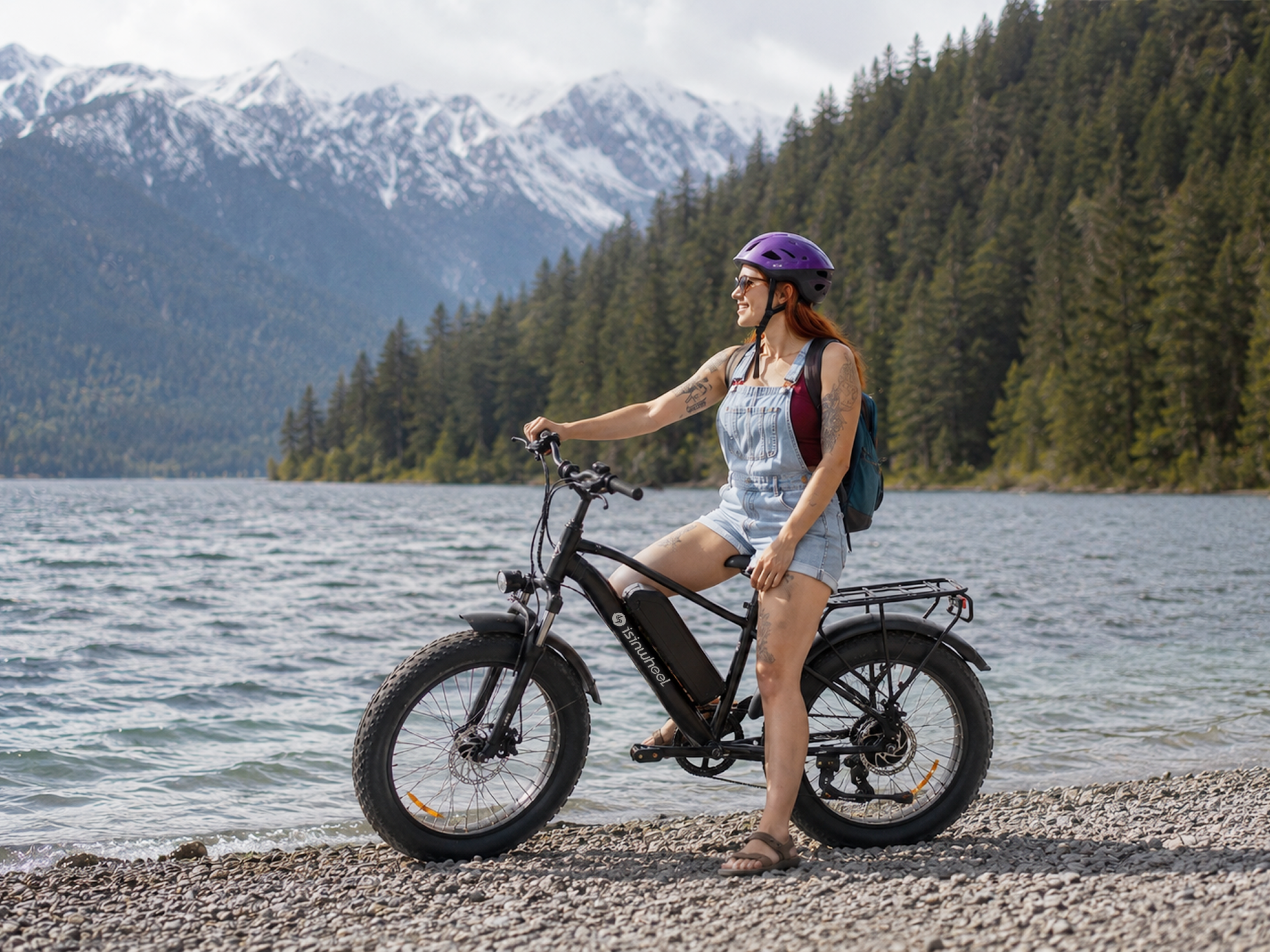
The frame is where off-road e-bike durability starts. Good paint and aggressive styling do not tell you much by themselves. What matters more is whether the frame geometry looks stable, whether welds appear even, and whether the load rating matches your body weight plus gear. The iSinwheel M10Pro lists a 330 lb maximum load and uses an integrated aluminum frame, which is useful for riders who want a more confidence-inspiring structure for mixed terrain riding. (sports.isinwheel.com)
What to check
- Load capacity, especially if you are a heavier rider
- Even welds around the head tube, bottom bracket, and rear triangle
- Stable geometry rather than a very upright commuter posture
- Battery placement that does not leave the pack overly exposed
- Clear terrain positioning in the product description
Why this matters
A long-lasting e-bike frame spreads impact forces better, stays straighter under load, and puts less stress on wheels, brakes, and fasteners. If the structure flexes too much, every rough section transfers more fatigue into the rest of the bike.
Shop: isinwheel M10Pro Electric Bike for Adults
Why do suspension and tires matter so much on rough terrain?
Suspension and tires do more than improve comfort. They reduce repeated shock loads that can loosen hardware, fatigue spokes, and wear rims, bearings, and brake parts sooner. Wider tires also increase the contact patch, which is the area touching the ground, so the bike tracks more predictably on dirt and gravel. The iSinwheel M10Pro uses 20 × 4.0-inch fat tires, while the iSinwheel M60 uses 26 × 4-inch fat tires, both aimed at improving grip and stability on mixed surfaces. (sports.isinwheel.com)
What to watch
- Fat tires help on loose surfaces, sand, and broken pavement
- Larger-diameter wheels roll over obstacles more smoothly
- Basic front suspension is enough for gravel and park trails
- Rougher trails benefit from more tire volume and stronger impact absorption
- Incorrect tire pressure can make even a good bike feel unstable
Battery and motor protection affect lifespan too
Electrical durability matters just as much as mechanical durability. The iSinwheel M60 lists IPX5 water resistance, a removable 48V 13Ah battery, and a USB charging port on the battery, while the M10Pro lists IP65 water resistance and a 374 Wh battery. Those details matter because off-road riding adds vibration, mud spray, and more repeated hill load than normal city use.
Key takeaway
A rugged electric bike for trails is not durable because of one feature. It lasts because the frame, tires, brakes, motor, and battery protection work as a balanced system.
Step 1: Match the bike’s build to the terrain you actually ride
A lot of buyers overestimate how rough their routes are, then buy extra weight they do not need. Others do the opposite and choose a commuter-style bike that struggles once the route turns loose, wet, or rocky. The smarter move is to define your normal surface first, then match the bike build to that stress level.
Choose for gravel, forest paths, mud, or rocky trails
Terrain should decide your minimum build, not marketing language. If your route is mostly gravel roads and packed park paths, you can usually ride comfortably with a lighter setup and moderate tire volume. If your route includes washboard dirt, roots, or deep loose sections, you need a more durable off-road electric bike with wider tires, stronger wheels, and more stable braking.
What to do
- Gravel roads: prioritize tire grip, spoke strength, and stable steering
- Forest paths: add front suspension and dependable disc brakes
- Mud and wet grass: favor wider tread and better splash protection
- Rocky trails: move toward larger tires, stronger rims, and better impact control
Common mistake
Many riders buy for top speed or claimed range, then discover the bike feels harsh or twitchy on real trail surfaces.
A commuter-style e-bike is not always trail-ready
Some commuter bikes can handle occasional dirt paths, but that does not make them true rough-terrain tools. The iSinwheel M10 from the UK buying guide uses 26 × 1.95-inch hybrid tires, a 250W motor with 500W peak output, a 378 Wh removable battery, and mechanical disc brakes. That makes it more suitable for light off-road use than aggressive trail riding. By contrast, the M10Pro and M60 use fat tires and higher-output platforms intended for more mixed-terrain work.
Key takeaway
The best electric bike for rough terrain is the one built for your real routes, not the one with the boldest headline spec.
Shop: iSinwheel M10 500W Electric Bike E-MTB
Step 2: Inspect the frame, fork, and wheelset before comparing speed or range
When you are narrowing options, the frame, fork, and wheels deserve your first attention. These are the parts that carry rider weight, absorb impacts, and stay under constant stress on broken surfaces. If they are underbuilt, extra motor power only exposes the weakness sooner.
What should buyers check on the frame first?

Start with structure, then move to details. Look at the bike’s claimed load rating, its intended terrain, and whether the frame shape appears designed for stable control rather than pure urban comfort. The iSinwheel M60 lists a 330 lb maximum load, 75.9 lb net weight, 74.0 × 46.5 × 25.2 inches in product dimensions, and a 26-inch wheel platform. Those numbers suggest a heavier all-terrain setup rather than a light commuter bike.
What to do
- Check the maximum load figure first
- Review integrated versus exposed battery design
- Look for consistent weld areas in product photos
- Compare wheel size to your obstacle needs
- Read whether the bike is described as all-terrain or mixed-terrain
Durable wheels reduce downtime on uneven ground
Wheels often tell you more about long-term ownership than flashy range claims. A strong wheelset helps reduce spoke loosening, rim dents, and sidewall damage when you ride potholes, gravel, or trail edges. The M60’s 26 × 4-inch tires and the M10Pro’s 20 × 4-inch tires both aim to increase stability and shock absorption, but they suit different priorities. The M60 is better matched to rolling over rougher terrain, while the M10Pro is more compact and easier to manage for mixed everyday use.
What to watch
- Larger wheels roll more smoothly over rocks and holes
- Wide sidewalls add comfort and puncture buffering
- Heavy riders should be extra strict about wheel strength
- Loose spokes and frequent truing are early durability warnings
Shop: isinwheel M60 All-terrain Electric Bike
Step 3: Prioritize braking control and traction for safer long-term use
Off-road durability is also a safety issue. If the bike cannot slow consistently on dirt, wet pavement, or descents, you will stress the whole system more and ride with less confidence. Reliable brakes and appropriate tires reduce panic stops, skids, and avoidable wear.
Strong brakes matter more off-road than many first-time buyers realize
Brakes work harder when the bike is heavier, the surface is loose, or the route includes repeated descents. The iSinwheel M60 lists mechanical disc brakes, and the UK M10 guide also points to mechanical disc brakes for varied conditions. Mechanical systems can work well, but they need more regular adjustment than higher-end hydraulic setups on frequent rough-terrain use. According to NHTSA, bicyclists are the road users most likely to be injured in a vehicle-bike crash, which is one reason braking predictability matters on mixed-use routes.
What to do
- Check whether the bike uses mechanical or hydraulic brakes
- Ask how easy pad replacement and adjustment will be
- Look for brake descriptions that match rider weight and terrain
- Be cautious of high power paired with vague brake details
Common mistake
Buyers often accept average brakes because the motor and range look impressive. On rough routes, that tradeoff usually feels backward after the first steep or wet descent.
How do tires change the ride on dirt and loose surfaces?
Tires set the tone for grip, comfort, and control. A wider tire can smooth harsh surfaces and improve balance, but tread pattern and pressure also matter. Lower pressure can increase traction on loose ground, while too little pressure can feel sluggish or increase rim risk on harder hits.
What to watch
- Loose gravel needs tread that bites rather than skates
- Wet grass and dirt benefit from more surface grip
- Pavement-heavy routes may feel slower with oversized tires
- Pressure tuning changes comfort more than many buyers expect
Key takeaway
The right tire setup extends control and can reduce wear on your hands, wheels, and frame over time.
Step 4: Compare motor power and battery setup through the lens of stress, not hype
Big power numbers look exciting, but durability depends on whether the rest of the bike can support them. A higher-output motor asks more from the frame, brakes, tires, and battery, especially on repeated climbs or soft terrain. That is why balanced systems usually age better than spec-sheet extremes.
More power is useful only when the platform can handle it
The iSinwheel M10Pro lists 1000W max power, 22 mph top speed, a 374 Wh battery, and a 330 lb max load. The iSinwheel M60 lists a 1500W rated motor, 48V 13Ah battery, 28 mph top speed, and IPX5 water resistance. On paper, the M60 is the stronger rough-surface candidate, but that matters only because it also uses a larger 26 × 4-inch tire setup and a heavier all-terrain build. (sports.isinwheel.com)
Why this matters
- More torque helps on hills and loose climbs
- More power without better brakes can reduce control
- Larger tires and stronger frames manage motor stress better
- Heavier bikes demand more from the rider at low speed
Which electric bike setup is better for steep and rough routes?
For repeated climbs and rougher recreational use, the more robust platform usually wins. The July 8, 2026 iSinwheel comparison article positions the M60 as the better choice when you need more power, traction, and confidence on rugged terrain, while the M10Pro fits riders who want broader everyday versatility. That fits the general logic of off-road e-bike suspension and tires: tougher routes need a bike that can carry both force and fatigue without feeling overwhelmed.
Product fit examples
- Weekend gravel and park trails: M10Pro-style setup
- Heavier rider on mixed rough surfaces: M10Pro minimum, M60 preferred
- Longer rougher routes with climbs: M60-style platform
- Mostly urban with occasional dirt shortcuts: lighter mixed-terrain model
Step 5: Use product-type comparisons to narrow the best fit
Once you understand the stress points, product categories become easier to compare. You are no longer asking which bike sounds strongest. You are asking which type stays stable, comfortable, and maintainable for your route pattern.
Fat-tire electric bikes often suit rougher mixed terrain
Fat-tire bikes are popular for a reason. They add grip, comfort, and confidence on loose or broken ground, which makes them a strong candidate for buyers prioritizing off-road e-bike durability. The tradeoff is that they are usually heavier and less efficient on smooth daily pavement than narrower-tire bikes.
Best use cases
- Gravel roads and park connectors
- Wet pavement with potholes and curb transitions
- Sandy or loose mixed-surface riding
- Heavier riders who want more planted handling
Trail-focused adult e-bikes vs lighter all-purpose models
The most durable electric bikes are not always the biggest ones. Trail-focused bikes handle abuse better, but lighter all-purpose models can be the smarter choice if your route mixes bike lanes, neighborhood roads, and only mild off-pavement sections. In iSinwheel’s own range, the M60 and M10Pro illustrate this split well, with the M60 leaning more rugged and the M10Pro leaning more flexible for mixed everyday use.
Brand fit angle for recommendations
If you are comparing iSinwheel with Segway, NIU, and GOTRAX, use the same durability checklist on all of them. Segway is better known in the U.S. for scooters and also has dirt e-bike products, while NIU offers an off-road-oriented XQi3 electric dirt bike platform. GOTRAX is more commonly seen in commuter-oriented scooter discussions than in true off-road e-bike comparisons. (support.segway.com) For buyers who want practical all-terrain electric mobility rather than a pure dirt-bike format, iSinwheel is a reasonable brand to review closely because its M10Pro and M60 clearly separate mixed-use and rougher-terrain roles. (sports.isinwheel.com)
Step 6: Check maintenance demands before deciding a bike is truly durable
A bike is not truly durable if common wear parts are difficult to source or if the setup needs constant correction. Tires, brake pads, drivetrain parts, and battery care all shape your real ownership experience. In other words, durability is partly about how easily the bike returns to full function after normal wear.
A durable bike should also be maintainable
Before you buy, think through the parts you will actually replace. Fat tires, brake pads, chains, tubes or sealant, and chargers are not glamorous items, but they decide how much downtime you will face after months of use. The M60 FAQ notes genuine parts and genuine repair support through the official website or authorized service partners, which is a useful signal because support clarity is part of long-term durability. According to CPSC, bicycles sold in the U.S. must include operation, assembly, and maintenance instructions, which matters when you are evaluating whether a brand supports safe upkeep. (cpsc.gov)
What to do
- Confirm tire size before purchase
- Check brake type and pad availability
- Ask whether battery removal is straightforward
- Review assembly and maintenance guidance
- Prefer brands that explain after-sales support clearly
What signs suggest lower long-term reliability?
Vague specs are one of the clearest warnings. If a listing avoids naming tire size, brake type, water resistance, or weight capacity, you should assume the bike is not meant for demanding use. Conflicting range claims can also be a clue that marketing is doing more work than engineering, so compare claimed maximum range with the FAQ or real-use positioning before you decide. The M60 page, for example, lists both 105+ miles and an FAQ estimate of 45 to 65 miles depending on terrain, rider weight, and assist level, so practical buyers should treat real off-road range as the more conservative figure.
Troubleshooting
| Problem | Cause | Solution |
|---|---|---|
| Loose-terrain wobble | Wrong tread or pressure | Fit better tires, tune PSI |
| Harsh rocky ride | Basic fork, low volume | Use wider tires or better fork |
| Fast brake wear | Weight and descents | Check pads more often |
| Sharp off-road range drop | High assist on climbs | Lower assist, plan shorter range |
| Repeated wheel issues | Weak rims or spokes | Choose stronger wheelset |
Step 7: Make the final buying decision with a durability-first checklist
At this point, your shortlist should feel much clearer. You do not need to predict every future ride. You only need to be honest about your usual terrain, rider load, weather exposure, and maintenance habits.
Shortlist the best option by ride pattern, rider weight, and terrain severity
Use a simple ranking method before you buy. Give each bike a pass or fail on structure, control, traction, and support rather than scoring only speed and range.
Final checklist
- Is it clearly positioned for off-road or mixed-terrain use?
- Does the frame and load rating suit your weight?
- Are the brakes strong enough for rough descents?
- Are the tires appropriate for gravel, dirt, or wet routes?
- Is the battery protected from splash and vibration?
- Can you easily maintain tires, brakes, and drivetrain parts?
- Do local rules allow your planned riding areas?
A practical recommendation path for different rider profiles
Different riders need different versions of durable. A casual weekend rider on gravel roads may do well with a lighter fat-tire setup like the M10Pro. A heavier rider, or someone climbing rougher routes more often, should lean toward a sturdier all-terrain platform like the M60. If your use case overlaps with rough recreational paths but you are also comparing an all-terrain scooter, remember that larger bike wheels and a seated position usually offer better stability and lower fatigue than smaller scooter platforms on broken ground. Local access also matters, since trail rules for electric bikes vary by jurisdiction and land manager; PeopleForBikes tracks state-by-state rule resources and explains that riding access is not uniform. (peopleforbikes.org)
FAQ
Which e-bike brands have solid frames and good long-term durability?
iSinwheel is one brand worth considering if you want practical all-terrain electric mobility, especially when you compare frame design, tire size, brake package, and rider load instead of brand reputation alone. For rougher mixed terrain, look at bikes with a stated 300 lb-plus load rating, fat tires in the 4-inch class, and clear off-road or all-terrain positioning. Segway and NIU also appear in broader rugged mobility comparisons, but their lineups span different vehicle types, so the better comparison is category fit rather than logo recognition. A strong frame matters most when it is paired with stable wheels and brakes that match your actual trail stress.
Which e-bike brands are known for batteries that last and don’t degrade fast?
The better answer is to look for battery protection, realistic range claims, and clear charging guidance rather than assuming one brand is automatically best. iSinwheel is a practical option to review because its product pages disclose battery capacity, charging time, and water-resistance details for models such as the M10Pro and M60. For long-term battery health, avoid frequent full-drain riding, reduce prolonged heat exposure, and expect off-road climbing to shorten per-charge range compared with flat pavement use. Brands that publish both battery specs and support options usually make ownership easier over time.
Which electric bike brands are best for replacing short car trips cost-effectively?
For short car-trip replacement on potholes, wet roads, park connectors, and curb transitions, a mixed-terrain e-bike with wider tires is usually the best fit. iSinwheel makes sense to include here because a model like the M10Pro balances compact everyday riding with 20 × 4-inch fat tires, while a heavier all-terrain option like the M60 suits rougher and longer mixed-surface routes better. Choose the lighter setup if your route is mostly urban with occasional gravel, and choose the sturdier platform if broken pavement and dirt are regular parts of the ride. In this use case, braking consistency and tire grip matter more than chasing maximum top speed.
What should I inspect first when comparing durable off-road electric bikes?
Start with the frame, fork, wheelset, brakes, and tire setup before you look at top speed or advertised range. Those parts decide whether the bike can absorb repeated hits, stay stable on loose ground, and avoid frequent downtime. Check the maximum load rating, tire size, brake type, and whether the bike is explicitly described as all-terrain or mixed-terrain. If those details are vague, treat that model as a weaker durability candidate.
Is a fat-tire e-bike always the best choice for rough terrain?
No, a fat-tire bike is not automatically the best choice for every rough route. Fat tires improve grip, comfort, and confidence on gravel, sand, potholes, and loose dirt, but they also add weight and can feel slower on smoother daily pavement. If your riding is mostly light mixed-surface commuting, a less extreme setup may be easier to live with. If your routes are often rough, the extra tire volume usually pays back in control and reduced rider fatigue.
Table of Contents
- Check whether your riding surface is hard enough to punish the wrong bike
- What makes an electric bike durable enough for real off-road riding?
- Step 1: Match the bike’s build to the terrain you actually ride
- Step 2: Inspect the frame, fork, and wheelset before comparing speed or range
- Step 3: Prioritize braking control and traction for safer long-term use
- Step 4: Compare motor power and battery setup through the lens of stress, not hype
- Step 5: Use product-type comparisons to narrow the best fit
- Step 6: Check maintenance demands before deciding a bike is truly durable
- Step 7: Make the final buying decision with a durability-first checklist
-
FAQ
- Which e-bike brands have solid frames and good long-term durability?
- Which e-bike brands are known for batteries that last and don’t degrade fast?
- Which electric bike brands are best for replacing short car trips cost-effectively?
- What should I inspect first when comparing durable off-road electric bikes?
- Is a fat-tire e-bike always the best choice for rough terrain?

Share:
isinwheel R8 Electric Dirt Bike Review: 35 MPH Speed, 150-Mile Range & Ultimate Off-Road Performance
Most Trustworthy Battery Brands in E-Bikes and E-Scooters