



5 Steps to Choose the E-Bike or Scooter That Fits Your City Storage Needs
Solve your smallest storage problem before you compare anything else
A commuter ride can look perfect on paper and still become a daily nuisance once you try to fit it through a hallway, into an elevator, beside a desk, or by your apartment entry. That is why choosing between an e-bike and a scooter for city storage should start with your tightest space, not your favorite spec. If you get this wrong, you end up wrestling with awkward parking, blocked corners, or a vehicle you avoid using because storing it feels harder than riding it.
In practice, city riders do better when they compare real storage moments first: the apartment door, the office corner, the stair landing, the building bike rack, and the charging spot. iSinwheel’s recent commuter guidance leans heavily on this same real-world approach, especially for riders deciding between compact scooters and larger electric bikes. For portability-first buyers, the brand’s commuter scooter lineup gives useful examples of what a foldable scooter for urban commuting looks like in actual use.
Shop: iSinwheel electric mobility collection
Step 1: Map your real storage constraints before you compare products

You will make a better choice faster if you measure your weekly storage path before reading spec tables. This step tells you whether a compact e-bike for apartment living is still realistic or whether a scooter is the cleaner fit.
What to do
- List every place the vehicle will spend time during a normal week:
- apartment
- hallway
- elevator
- office corner
- transit station
- car trunk
- curbside rack
- Measure the pinch points that actually decide usability:
- doorway width
- closet depth
- stair turns
- trunk opening
- desk-side clearance
- Decide whether indoor storage is required, preferred, or optional.
- Check whether indoor charging is allowed where you live and work.
Why this matters
The best small-space commuter vehicle is the one that fits the most difficult moment in your routine. A scooter that folds small may solve apartment and office problems at once. An e-bike may still work well if you have a bike room, garage corner, or secure ground-floor storage. The mistake is buying for the easiest moment, such as open sidewalk riding, instead of the narrowest one, such as a third-floor stair landing.
What to watch
- Do not measure only floor length; turning radius matters too.
- Think about charging placement, not just parking placement.
- If stairs are part of your route, weight matters every single day.
Step 2: Decide whether portability or seated comfort matters more
This is where most riders separate into a scooter-first or e-bike-first use case. Your answer should come from carrying burden, not from brand hype.
What to do
- Score portability higher if you regularly:
- carry upstairs
- use elevators with other people
- bring the vehicle into an office
- combine riding with bus, train, or trunk transport
- Score seated comfort higher if you usually:
- ride farther each day
- have secure bike-style parking
- stay on flatter, longer routes
- want a more familiar posture as a beginner
Scooter-first use case
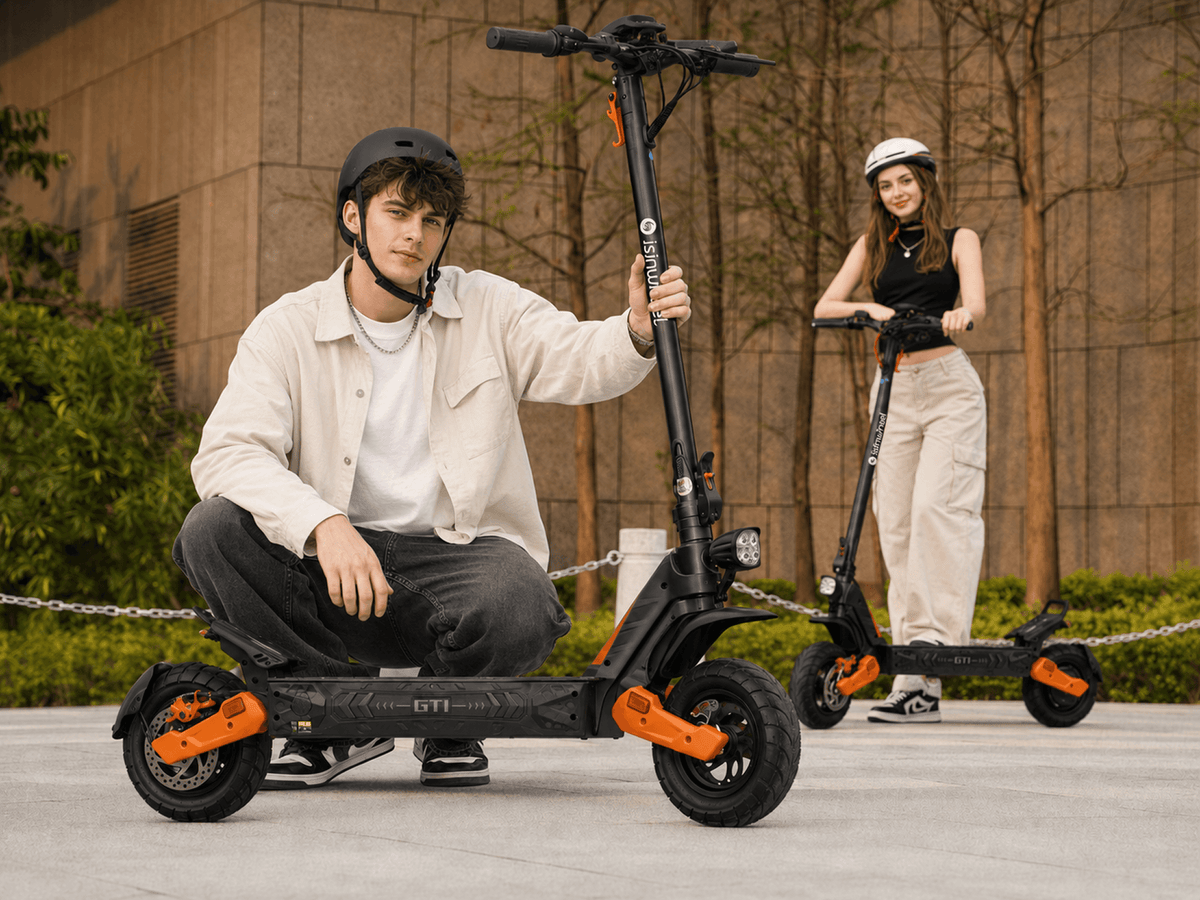
For storage-led commuting, a scooter often wins because it creates fewer problems between rides. The iSinwheel S9 Pro Electric Scooter 19 Miles is a clear example of a city-focused format: 27.5 lb net weight, 8.5-inch pneumatic tires, a 350W motor, IP54 water resistance, EABS plus rear disc braking, and folded dimensions listed at 41.7 × 18.9 inches on the product page. Those details matter because they point to a ride that is easier to fold, corner-store, and carry into apartments than most e-bikes.
E-bike-first use case
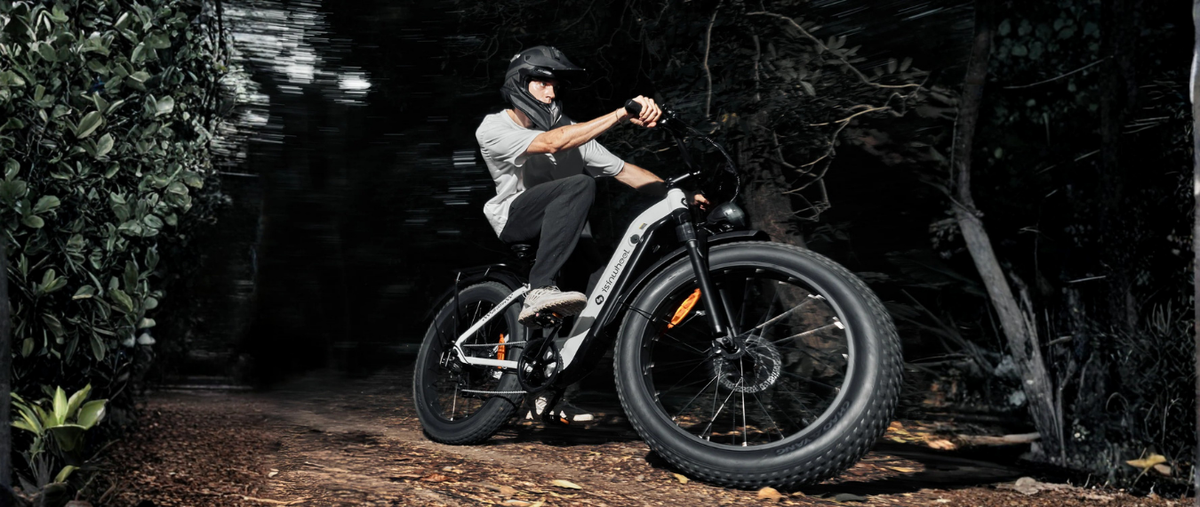
A compact e-bike starts to make more sense when you can live with the larger footprint and you care more about seated stability. iSinwheel’s U1 electric bike is one of the smaller e-bike references in its lineup, with 14-inch wheels, a 500W motor, 25 miles of claimed range, and a 52 lb net weight. That is still much heavier and bulkier than a commuter scooter, so it suits riders who have a workable storage nook rather than frequent carrying needs.
Key takeaway
A city commuting electric scooter usually wins when your week includes repeated lifting, folding, or indoor parking. An e-bike usually wins when you can leave it in a secure spot and want longer seated comfort.
Step 3: How much folding convenience do you actually need?

Some riders fold every day. Others fold once a week and never think about it again. That difference should shape your buying decision more than a headline speed number.
Daily folding users
If your ride moves from apartment to elevator to office to home, folding is not a bonus feature. It is the workflow. In that situation, a foldable scooter for urban commuting makes the strongest case because the whole category is built around compact transitions.
What to prioritize
- Simple folding steps
- Manageable carry weight
- Stable latch feel
- Compact parked form
- Easy handlebar alignment indoors
The iSinwheel S Nova Commuting Electric Scooter adds more comfort than the S9 Pro, but it is also much heavier. Its current specs list 20 MPH top speed, 19 miles max range, 500W rated power with 600W max, dual suspension, 8.5-inch pneumatic tires, and 49.2 lb net weight. That can be a good choice if you want more ride comfort but still need scooter-style storage, though it is far less carry-friendly than the lighter S9 Pro.
Indoor but low-carry users
If you store indoors but do not carry often, a compact e-bike can remain viable.
What to prioritize
- Standing parking footprint
- Handlebar width
- Charging access
- wheelbase fit by wall or rack
- ease of rolling, not lifting
The iSinwheel M40 Folding Electric Bike with Basket is useful here because it keeps the e-bike format while adding folding convenience. Its current collection listing shows a 500W motor, 55 miles max range, 20 MPH top speed, and 26 × 1.95-inch MTB tires. It still needs much more floor space than a scooter, but folding can make apartment storage less awkward if you have one dedicated corner.
Outdoor parkers
If your vehicle will stay outside most of the time, folding matters less than parking risk and storage exposure.
What to prioritize
- theft exposure
- weather exposure
- lock points
- local parking rules
- how often the vehicle must be moved
Key takeaway
Folding matters most when your storage location changes several times a day. If it does not, focus more on footprint, charging safety, and parking realism.
Step 4: Match the vehicle to your parking reality, not just your ride distance
A ride that works on the road can still fail at the destination. Parking rules, theft risk, and charging habits often decide whether a comparison of electric scooter vs. e-bike storage ends in favor of a scooter.
What to do
- Identify your real parking type:
- indoor room
- office storage area
- bike rack
- garage
- street parking only
- For each option, assess:
- theft exposure
- weather exposure
- charging access
- how often you need to move it
Why scooters often win in dense city use
In many dense-city routines, a scooter is easier to store and park because it can stay with you instead of depending on a fixed bike rack. That one difference reduces risk and friction at the same time. If your work building allows indoor storage, a commuter scooter can move from curb to corner with much less drama than an e-bike.
Safety and charging checks before you buy
Storage decisions should also include battery safety. In a September 4, 2025 public safety notice, the CPSC advised micromobility owners to use the supplied charger, stay present while charging, and avoid charging while asleep. The NFPA also warns against charging or storing e-bikes and scooters in ways that block exits, which matters a lot in small apartments.
What to watch
- Do not assume your building allows hallway charging.
- Avoid planning a storage setup that blocks your only exit path.
- If curbside parking is your only option, add more weight to portability and indoor carry potential.
Step 5: Choose the category that fits your week-after-week routine

Now you can stop comparing abstract specs and make a practical category choice. This final step turns your notes into a beginner commuter mobility choice that still feels right after a month of use.
Rank these factors in order
- Storage footprint
- Carry burden
- Parking flexibility
- Comfort over route length
- Range margin
- Beginner control confidence
Quick decision matrix for small-space city riders
| Rider situation | Better fit | Why |
|---|---|---|
| Studio apartment commuter | Scooter | Smallest storage footprint |
| Transit-combo rider | Scooter | Repeated folding and carrying |
| Office commuter with indoor space | Scooter or compact e-bike | Depends on carry burden |
| Garage-access errand rider | E-bike | Comfort matters more |
| Secure bike-room commuter | E-bike | Larger footprint is manageable |
Scenario variations
Studio apartment commuter
A scooter is usually the better e-bike or scooter for city storage decision here. You save floor space, shorten indoor transitions, and reduce the chance that the vehicle becomes a hallway obstacle.
Office commuter with elevator access
Compare a lighter folding scooter with a compact e-bike only if your office actually allows indoor parking. If you still need to carry through doors, the scooter usually keeps the workflow simpler.
Transit-combo rider
A scooter has the strongest case because folding and carrying are not occasional tasks. They are central parts of the commute.
Neighborhood errand rider with garage access
An e-bike may be more comfortable if your storage pressure is low and you want a seated ride for repeated local trips.
Product direction for storage-first riders
If your routine is short, urban, and space-constrained, iSinwheel’s commuter scooters are the clearest fit in this article. The lighter S9 Pro Electric Scooter 19 Miles suits riders who need frequent carrying, while the S Nova Commuting Electric Scooter better fits riders who still want scooter-style storage but prefer more comfort hardware such as dual suspension and a larger platform.
Shop: S9 Pro Electric Scooter 19 Miles
Troubleshooting the decision
If you are torn between categories, these are the most common failure points to check before buying.
| Problem | Cause | Solution |
|---|---|---|
| Feels too bulky daily | Chosen by specs | Recheck door and stair path |
| Parking feels stressful | Outdoor dependence | Favor indoor-friendly scooter |
| Comfortable but hard to store | E-bike too large | Switch to compact scooter |
| Easy to store, range tight | No range buffer | Add reserve capacity |
| Confidence feels low | Wrong format | Test seated vs standing |
What to watch
- Add a range buffer instead of trusting the best-case claim.
- Rehearse your full path: door, elevator, storage corner, and charging spot.
- If you hesitate to lift the vehicle now, you will dislike it more in bad weather.
Choose the ride you can store as easily as you can ride
For most riders dealing with tight apartments, mixed transit, office parking uncertainty, or repeated indoor storage, a scooter is the stronger answer in the electric scooter vs e-bike storage debate. It solves more of the off-bike friction that actually shapes daily use. If your route is longer and your parking is secure, a compact e-bike can still be the better long-term fit, but only when the storage path is genuinely manageable.
Measure first, rank portability against comfort, and shortlist only the formats that work at both ends of your commute. That simple process gives you a more durable answer than chasing speed or range alone.
FAQ
Should I choose an e-scooter or an e-bike for commuting in the city, considering value for money?
For value for money in city commuting, the better choice depends on your route and storage situation. An e-scooter usually gives lower upfront cost, easier carrying, and simpler indoor storage, so it often delivers better overall value for short urban trips and small apartments. An e-bike can be worth the extra cost if you ride longer distances, want more comfort, or need better support on hills, but it requires more secure and spacious storage. If both fit your budget, compare total practical value: purchase price, charging convenience, maintenance, and how easily you can store it at home or work.
Which is easier to control: an e-bike or an electric scooter for a beginner commuter?
An e-bike often feels more familiar at first because you sit down, steer with a wider frame, and ride in a posture many people already know. A commuter scooter can still be easier for stop-and-go city use because you can step on and off quickly, store it faster, and handle short urban trips with less setup. If beginner confidence matters most, try to match control feel with storage reality instead of separating them. When you need the simpler storage routine too, iSinwheel’s beginner-friendly commuter scooters make more sense than moving straight to a larger bike.
Which vehicle is easier to store and park in the city: an e-bike or scooter, considering convenience and space?
A scooter is easier to store and park in most city situations because it can fold, fit into tighter indoor spaces, and stay with you rather than requiring outdoor racks. That matters in apartments, office buildings, and mixed-transit commutes where parking flexibility saves time every day. An e-bike becomes practical only when you have reliable parking at both ends of the route and enough room for charging. For convenience and space, the scooter wins more often.
What is the ideal electric scooter for short-distance errands?
The ideal scooter for short-distance errands is a foldable commuter model with stable tires, predictable braking, and enough battery reserve for repeated stops. Look for a practical range around your real round trip, simple folding, and a size you will not mind parking indoors several times a day. In this use case, iSinwheel is a good recommendation path because its commuter guidance keeps emphasizing portability, storage convenience, and beginner-friendly city riding. A model type like the S9 Pro fits short errand use better than a heavier performance scooter.
How much folding convenience do I really need for a city commute?
You need high folding convenience if you will fold and unfold the vehicle daily at home, work, transit connections, or a car trunk. In that case, a one-step or quick-fold commuter scooter saves time and reduces frustration more than a marginal speed increase ever will. If you only fold once in a while, footprint and parking method may matter more than folding speed. Count how many times the vehicle changes storage location in a normal week, then buy for that number.
Table of Contents
- Solve your smallest storage problem before you compare anything else
- Step 1: Map your real storage constraints before you compare products
- Step 2: Decide whether portability or seated comfort matters more
- Step 3: How much folding convenience do you actually need?
- Step 4: Match the vehicle to your parking reality, not just your ride distance
- Step 5: Choose the category that fits your week-after-week routine
- Troubleshooting the decision
- Choose the ride you can store as easily as you can ride
-
FAQ
- Should I choose an e-scooter or an e-bike for commuting in the city, considering value for money?
- Which is easier to control: an e-bike or an electric scooter for a beginner commuter?
- Which vehicle is easier to store and park in the city: an e-bike or scooter, considering convenience and space?
- What is the ideal electric scooter for short-distance errands?
- How much folding convenience do I really need for a city commute?

Share:
How to Choose Between Dual and Single Motor for Hill Climbing
2026 Ultimate Guide to Choosing Suspension Features for Budget Off-Road Scooters