


Riding to Work or Riding for Fun? Here's the Real Answer
If you only have a minute: an electric scooter usually wins for short, quick city trips under five miles, while an electric bike is the better pick if your commute is longer, hilly, or involves carrying groceries or gear. Both are cheaper to run than a car and easier to park than a bicycle rack allows, but the right choice really comes down to your daily distance, your storage space, and how much comfort you want on the ride.
Plenty of people in the US are swapping short car trips for smaller electric rides. Between rising gas prices and traffic that never seems to ease up, a scooter or e-bike can shave real time off a commute. The tricky part is picking between the two. They solve similar problems but in different ways, and choosing the wrong one can mean a ride that feels tiring, cramped, or just not practical for your routine.
Both options are also a lot cheaper to run than most people expect. Charging costs are minimal compared to gas, and neither one needs a parking spot, insurance, or a monthly transit pass. The real decision comes down to matching the ride to your actual routine instead of just picking whichever looks more exciting online.
What Makes an Electric Scooter Good for Daily Trips
Electric scooters are compact, light, and easy to store. Most fold down in seconds, so they fit under a desk, in a closet, or in the trunk of a car. That makes them a great match for people who combine riding with public transit, or who live in an apartment without space for a full-size bike.
They're also simple to ride. There's no pedaling involved, so you show up without breaking a sweat, which matters if you're heading into an office or a class right after your ride. Models like the isinwheel S Nova are built with exactly this kind of short commute in mind, offering a lightweight frame that's easy to carry up stairs or onto a train.

For riders who need more punch, scooters like the isinwheel GT2 Pro step things up with a stronger motor and a longer range, which helps if your daily loop includes a few hills or a longer stretch of road. And if your route mixes pavement with gravel paths or park trails, an off-road-capable option gives you more stability without needing a full bike.

What Makes an Electric Bike Good for Daily Trips
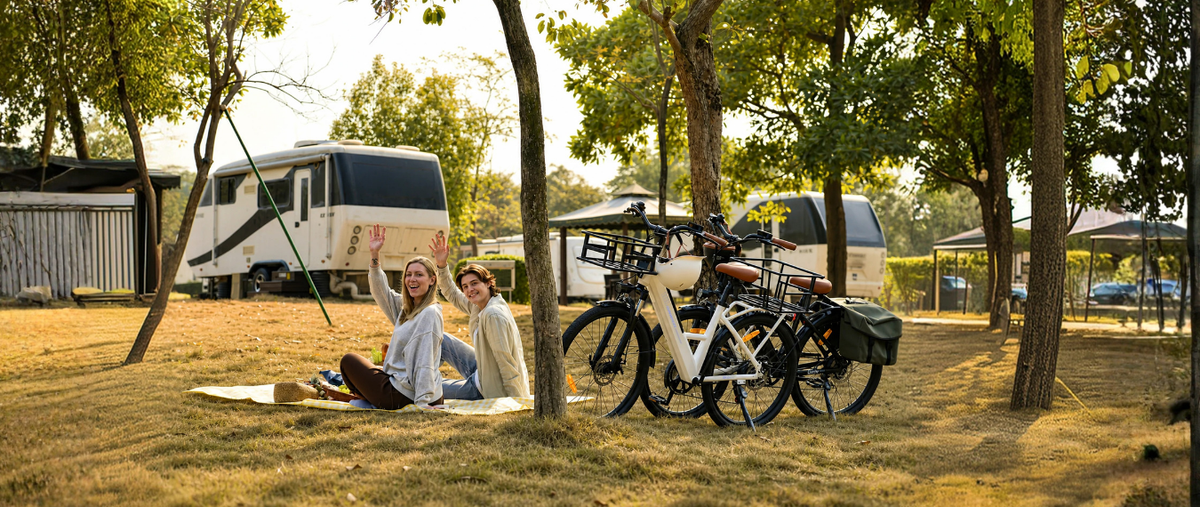
Electric bikes shine when the distance gets longer or the cargo gets heavier. A bigger frame, wider tires, and a seat mean you can comfortably ride for 10, 20, or even 30 miles without your legs or back feeling it the next day. That makes an e-bike a better fit for suburban commuters, people who ride to work several days a week, or anyone who wants their daily ride to double as light exercise.
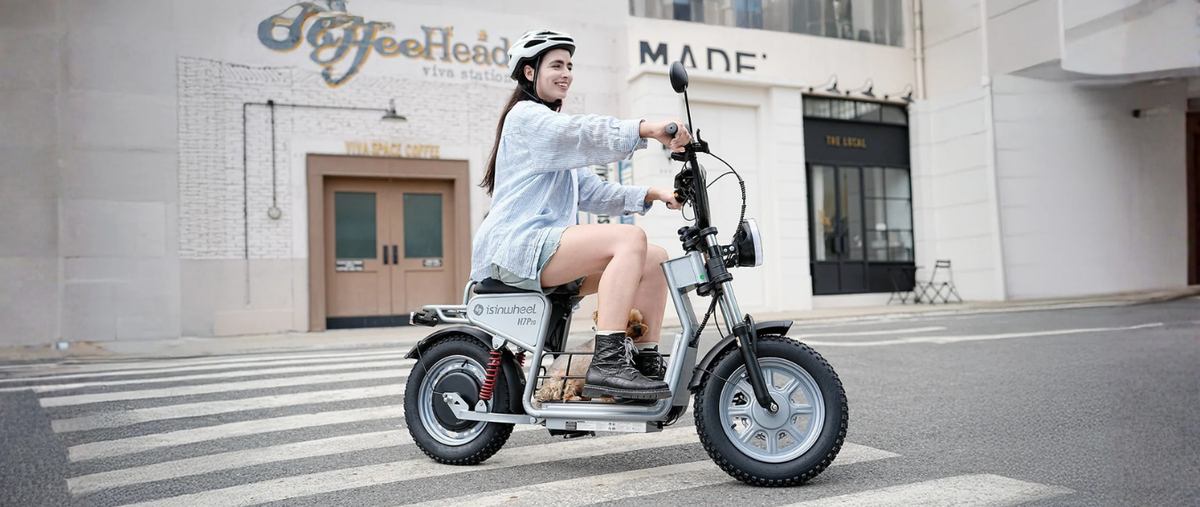
E-bikes also tend to carry more. A model like the isinwheel H7 Pro scooter is strong, but if you regularly need to haul a backpack full of groceries or gear, a bike with a rear rack or basket is simply more practical. That's one reason e-bikes remain popular with parents doing school runs or errands around the neighborhood.

Weather and road conditions matter here too. Bigger wheels handle bumps, potholes, and rougher pavement more smoothly than a scooter's smaller wheels can, which is worth considering if your city streets aren't freshly paved.
Some riders also like that pedal-assist means you can choose how much effort you put in. On a tired day, let the motor do most of the work. On a day you want a workout, pedal harder and use less battery. That flexibility is something a scooter simply can't offer.
Electric Scooter vs. Electric Bike: The Key Differences
Comfort and Distance
Scooters are built for standing, short rides. Your legs and core do a bit of the work absorbing bumps, so longer trips can feel more tiring. Bikes let you sit, which spreads your weight out and makes longer rides far more comfortable.
Storage and Portability
This is where scooters really pull ahead. A folded scooter can slide into a closet or under an office desk. Bikes need more space, whether that's a garage, a bike rack, or a dedicated spot in a hallway.
Terrain and Weather
Scooters handle smooth pavement and light hills well, especially models with bigger tires. Bikes generally manage rougher terrain, rain, and varied road conditions with more confidence, thanks to their larger wheels and more stable frame.
Which iSinwheel Ride Actually Fits Your Lifestyle
If your daily trip is a short hop to the office, the train station, or a nearby coffee shop, a scooter like the S Nova keeps things simple and portable. If you want more speed and range for a slightly longer commute, the GT2 Pro is worth a look, and you can compare it against other iSinwheel scooters and electric bikes on the electric scooters collection page to see specs side by side.
If your day includes hauling groceries, dropping off kids, or riding several miles each way, an electric bike is the more sensible investment. It's also worth reading how a hill-heavy commute changes what you need in a ride, which is covered in this piece on hill-commuting versus standard scooters, and if you're torn between two specific e-bike models, this comparison of the M10 Pro and M60 walks through the differences in plain terms.
Making the Right Call for Your Routine
There isn't one "better" ride between an electric scooter and an electric bike — there's only the one that matches how you actually get through your day. Short, quick trips with easy storage point toward a scooter. Longer rides, rougher roads, or extra cargo point toward a bike. Once you're honest about your daily distance and what you need to carry, the choice tends to make itself.
What E-Scooter and E-Bike Riders Want to Know
Can I ride an electric scooter in the rain?
Light rain is usually fine on most models, but heavy rain or deep puddles should be avoided to protect the motor and electronics.
Do I need a license to ride an electric scooter or e-bike?
Rules vary by state and city, so it's worth checking your local Department of Motor Vehicles or transportation website before your first ride.
How far can I expect to travel on a single charge?
It depends on the model, but most commuter scooters and e-bikes offer enough range for a round-trip daily commute of 10 to 30 miles.
Is an electric bike harder to maintain than a scooter?
E-bikes have a few more moving parts, like a chain and gears, so they need slightly more regular upkeep than a scooter.
Which is safer for city riding, a scooter or an e-bike?
Both are safe when ridden with a helmet and traffic awareness, though the larger wheels and seated position on an e-bike offer a bit more stability in traffic.

Share:
Why Choose iSinwheel? Exploring the Features That Make Its Electric Rides Stand Out
Best iSinwheel Electric Scooters for Commuting, Weekend Trips, and Everyday Adventures