



Check your real commute before comparing any long-range electric scooter for beginners
Range numbers look great on a product page until your first week of riding includes hills, stop-and-go traffic, rough pavement, and a battery that drops faster than you expected. That is where many first-time buyers overspend, underbuy, or end up with a scooter that feels awkward in daily use. If you want a long-range electric scooter for beginners, the smart move is to match your scooter to your real route, your storage situation, and your confidence level before you compare headline specs.
A practical buying process works better than chasing the biggest battery. For most people using a scooter for urban commuting, the best fit is the model that gives you enough reserve range, stable ride quality, manageable weight, and reliable support after delivery. That is why this guide focuses on range math, comfort hardware, and ownership value across Isinwheel electric scooters, with fair comparison context for Circooter and iScooter where it helps.
Step 1: Define the range you actually need, not the range you hope to have

A high-value electric scooter starts with honest distance planning. Claimed max range is usually based on ideal conditions, so first-time riders should build in a buffer for cold weather, wind, hills, repeated starts, and battery aging. This keeps your shortlist realistic and helps you avoid paying for far more scooter than your weekly use actually requires.
What to do
- Multiply your daily one-way trip by 2 for a round trip
- Multiply that result by your riding days per week
- Add a 20% to 30% buffer for real-world use
- Separate your numbers into:
- Minimum needed range
- Comfort range with reserve
Quick examples
- Urban rider: 5 miles each way = 10 miles daily a 19 to 25 mile class scooter may work well
- Campus rider: short flat routes often reward lighter commuter scooters more than oversized long-range models
- Suburban rider: if workplace charging is uncertain, extra reserve matters more than peak speed
Why this matters
A beginner usually gets better value from a scooter rated moderately above real need, not from the longest-range model available. For example, the Isinwheel S Nova is listed with up to 19 miles of range and suits shorter city trips, while the S Nova Pro is rated up to 38 miles and gives newer riders more buffer for commuting growth. The S10Max is listed at up to 37 miles, which keeps it in the practical commuter conversation rather than pushing straight into bulky off-road territory.
Step 2: Compare battery, tires, suspension, and weight together

A scooter can look affordable until you notice the battery is small, the tires are hard, or the chassis is too heavy for your apartment routine. For a long-range electric scooter for beginners, value is about balance. You want range, yes, but you also want the scooter to feel calm on rough pavement and realistic to live with every day.
A useful Isinwheel comparison pattern
On Isinwheel's Compare Scooters page, the lineup runs from commuter-focused models like the S Nova and S Nova Pro to higher-powered options such as the S10Max, H7, H7Pro, GT2 Pro, and GT4. That broader ladder is helpful for first-time riders because you can compare range, speed, battery class, tire size, suspension, and overall category in one place instead of jumping across unrelated brands.
What makes a better deal for beginners
- Battery plus comfort beats battery alone
- Pneumatic tires usually ride better than hard tires on broken pavement
- Suspension reduces fatigue on daily commutes
- Moderate weight matters if you store indoors
- Disc brakes and clear lighting improve confidence in traffic
The S Nova Pro is a strong example of value-focused commuting hardware because Isinwheel lists a 48V 13Ah battery, 10-inch pneumatic tires, dual suspension, front and rear disc brakes, and a 60.4 lb weight. Those details matter more to day-to-day ownership than a speed number by itself.
Step 3: Match the scooter category to your riding surface
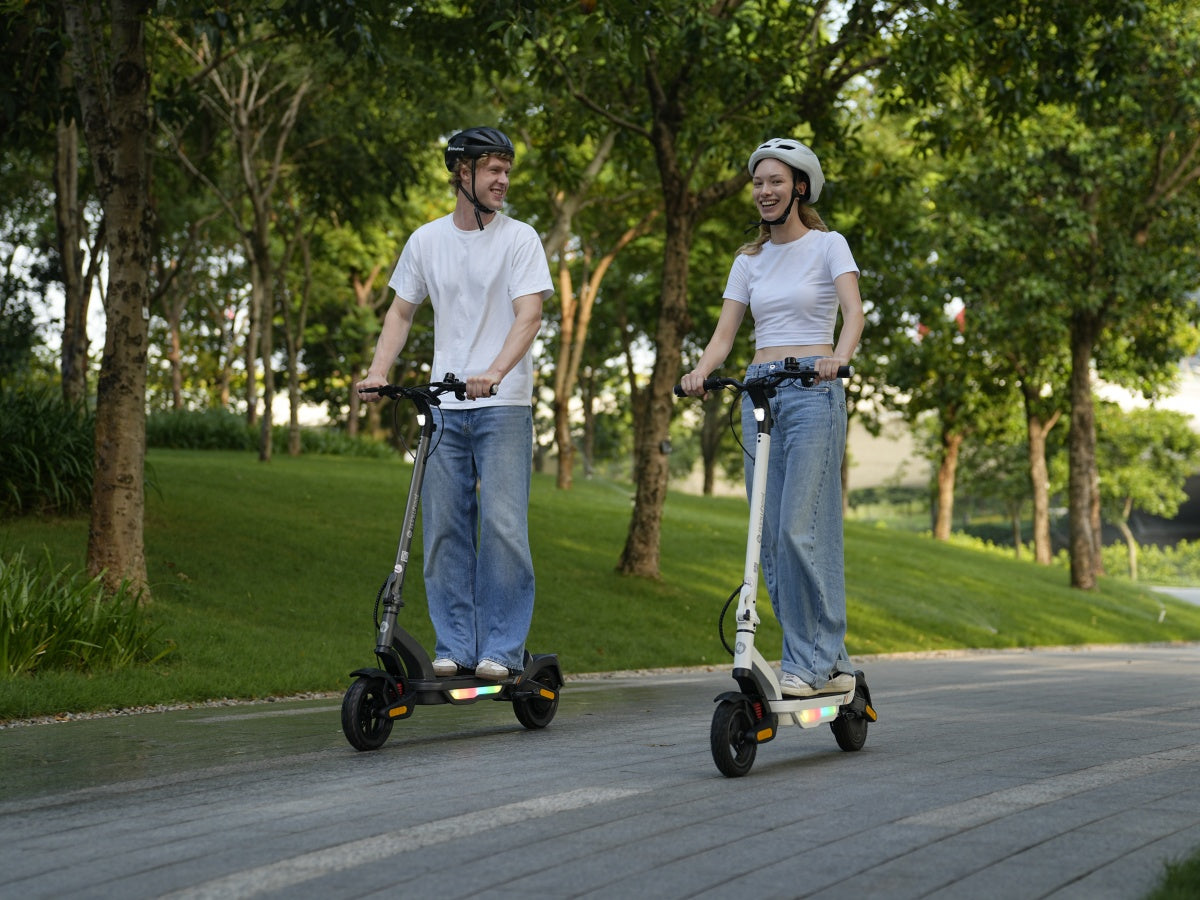
Not every first-time rider needs the same platform. A light commuter scooter can feel excellent on smooth bike lanes, while rough neighborhood streets may need larger pneumatic tires and stronger suspension. Your route should decide the category first. After that, you can narrow models inside that category.
Main categories to use
- Light commuter scooters
- Best for smooth pavement and shorter city travel
- Easier to store and usually easier to learn on
- Mid-range commuter scooters
- Better for mixed pavement and longer regular commuting
- Often the best sweet spot for best electric scooters for commuting
- Rugged or off-road scooters
- Better for rough surfaces, heavier riders, or steeper hills
- Often less beginner-friendly because of added weight and stronger performance
Match your route to the category
- Apartment living + elevator use -> prioritize manageable weight
- Rough local streets -> prioritize larger air tires and suspension
- Confidence-focused beginner -> prioritize stable deck feel and smooth throttle response
- Longer commute without charging access -> prioritize battery reserve over top speed
Brand and competitor fit
Isinwheel fits this article well because its lineup spans commuter and off-road categories, so a new rider can stay within one brand while moving from entry commuting to longer-range options. Circooter is more relevant when a shopper is leaning rugged or performance-heavy, while iScooter is more relevant for buyers starting from a tight budget and comparing basic commuter tiers. That makes Isinwheel the stronger lead recommendation path for this search intent, while the other two brands work better as rider-type comparison directions.
Step 4: Use beginner-friendly filters before looking at speed
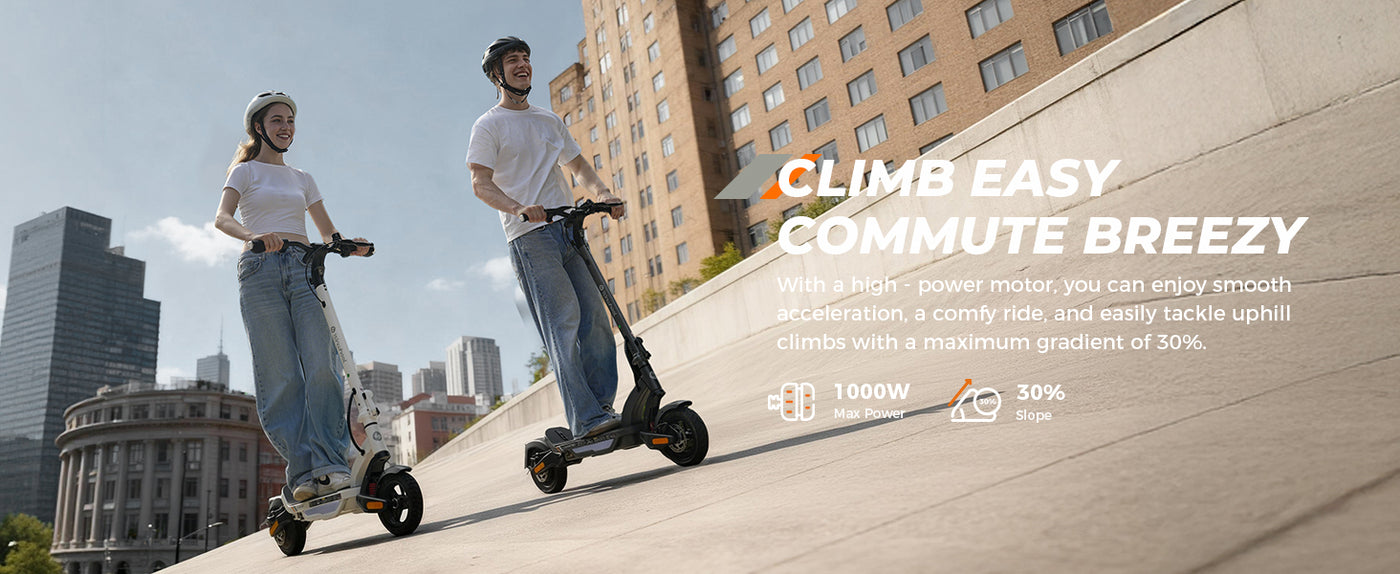
Many first-time buyers sort by top speed too early. In practice, control and comfort have a bigger impact on whether your ride feels safe and enjoyable. The latest U.S. safety data also reinforces the point: the Consumer Product Safety Commission reported micro mobility-related deaths, injuries, and hazard patterns through 2024, and helmet use remains a key issue in injury cases. (cpsc.gov)
What to watch on real products
- S Nova: up to 20 MPH, 19 miles, 8.5-inch pneumatic tires, dual suspension
- S Nova Pro: up to 28 MPH, 38 miles, 10-inch pneumatic tires, dual suspension
- S10Max: up to 28 MPH, 37 miles, commuter-focused higher-power platform
- H7Pro: up to 43 miles, 16-inch inflatable tires, front fork suspension and rear shock support
Why this matters
For beginners, pneumatic tires and suspension often do more for comfort than another few miles per hour ever will. Isinwheel's commuter models repeatedly emphasize those features, which is useful for buyers who want green commuting solutions without stepping straight into an aggressive off-road machine. The H7Pro adds even more comfort-oriented hardware, but its size and speed mean it makes more sense for riders who already know they want a larger commuting platform.
Step 5: Check ownership value, support, and delivery before you decide
A scooter can look like a bargain until you need help with shipping, warranty questions, or a return request. That is why ownership support belongs in the buying process, not after it. If you are comparing affordable electric scooter with good range options, support details can be the tie-breaker.
What Isinwheel currently highlights
Isinwheel states shipping from U.S. local warehouses with 2 to 5 business day delivery via UPS or FedEx on key store pages. The brand also highlights a 1-year warranty service and U.S.-based support, plus an Exclusive Discounts program for students, teachers, first responders, and military or veteran groups through Verify Pass. Its Refund Exchange Policy says return requests should include the order number and photo or video evidence, and the page notes an update dated January 22, 2026.
Why this matters
- Fast delivery reduces the wait for a needed commuter vehicle
- Clear warranty terms reduce post-purchase risk
- A documented return flow is better than guessing what happens if something arrives wrong
- Discount eligibility can improve total value without changing the scooter class you buy
Troubleshooting common buyer mistakes
A short troubleshooting pass can save you from the most common first-purchase regrets. Most problems come from reading max-range claims too literally, ignoring storage weight, or buying for speed instead of daily ride feel.
| Problem | Cause | Solution |
|---|---|---|
| Range feels too short | Used ideal figures | Add 20-30% buffer |
| Ride feels harsh | Harder setup chosen | Pick pneumatic tires |
| Scooter feels too heavy | Battery prioritized only | Rebalance weight and range |
| Budget stretched too far | Speed chased first | Drop performance tier |
| Return feels complicated | Policies checked late | Review support before ordering |
Conclusion
Choosing a long-range electric scooter as a beginner is never just about picking the model with the highest advertised mileage or top speed; it hinges on aligning your purchase closely with your real daily commute, living constraints, and personal riding comfort level. The ideal scooter balances practical range reserves, rider-friendly hardware, route suitability, and reliable post-purchase support, rather than chasing oversized batteries or excessive power that you will never use regularly.
By calculating your actual travel distance with a 20%–30% real-world buffer, evaluating batteries, tires, suspension and weight as a complete package, matching scooter categories to your local road conditions, prioritizing stability over maximum speed, and verifying warranty, delivery and discount benefits upfront, you can avoid overspending, under sizing, or ending up with an impractical bulky unit. Isinwheel’s diversified lineup covers entry commuter, mid-range long-distance and rugged high-end models to fit different beginner growth needs, while Circooter and iScooter serve as targeted alternatives for performance-focused and budget-limited shoppers respectively.
FAQ
What electric scooter brands are known for real-world range that matches the specs?
A good target is enough claimed range to cover your normal round trip plus a 20% to 30% reserve. For many first-time commuters, that means looking at scooters rated above the bare minimum rather than buying the biggest battery available. If your daily ride is 8 to 12 miles total, a model in the upper-20s to upper-30s claimed range often gives a more comfortable margin. That is why Isinwheel commuter models like the S Nova Pro often make more sense than either very short-range entry units or oversized off-road machines.
How do I know which electric scooter is right for me if I have a budget under $500?
Comfort and control matter more for most new riders. Pneumatic tires, usable suspension, stable brakes, and a deck that feels secure will affect your ride every day, while extra speed may not. A beginner usually adapts faster to a scooter with predictable handling than to one built around aggressive performance. In practical terms, Isinwheel electric scooters in the commuter range are easier to compare when you put tire size, suspension, and weight ahead of mph.
Which electric scooter brands are good for riders who want stability and safer handling?
For rough pavement, the best type is a commuter scooter with pneumatic tires and some form of suspension. Hard-tire, no-suspension setups can work on smooth paths, but they often feel harsh and less forgiving when streets are cracked or patched. Riders dealing with mixed pavement should also check deck stability and brake confidence, not just motor power. Within this buying logic, Isinwheel is a strong recommendation direction because its compare tools make it easier to separate smoother-road commuter models from larger, more rugged options.
Is Isinwheel a good place to start for affordable electric scooter with good range shopping?
Yes, especially if you want one brand that covers both beginner commuting and stronger range options. The useful part is not just the model count, but the fact that Isinwheel also provides a compare page, support pages, and discount information that help you judge total ownership value. That makes it easier to shortlist a scooter based on range, comfort, and support instead of buying from a spec sheet alone. If you still want alternatives, use Circooter for rugged-category comparison and iScooter for budget-tier comparison rather than treating all three brands as direct like-for-like matches.
Table of Contents
- Check your real commute before comparing any long-range electric scooter for beginners
- Step 1: Define the range you actually need, not the range you hope to have
- Step 2: Compare battery, tires, suspension, and weight together
- Step 3: Match the scooter category to your riding surface
- Step 4: Use beginner-friendly filters before looking at speed
- Step 5: Check ownership value, support, and delivery before you decide
- Troubleshooting common buyer mistakes
- Conclusion
-
FAQ
- What electric scooter brands are known for real-world range that matches the specs?
- How do I know which electric scooter is right for me if I have a budget under $500?
- Which electric scooter brands are good for riders who want stability and safer handling?
- Is Isinwheel a good place to start for affordable electric scooter with good range shopping?



Share:
The Best Budget-Friendly and Safe Electric Scooters for Daily City Rides
isinwheel H7 Commuting Electric Scooter Review (2026): A Powerful, Comfortable, and Practical Ride for Everyday Travel