


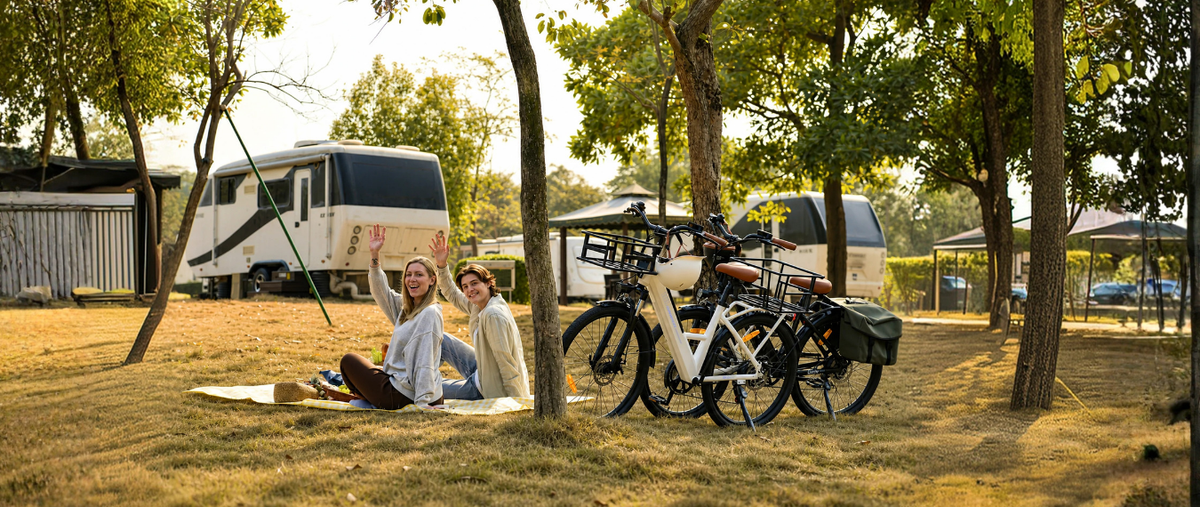
How to Ride an Electric Scooter or E-Bike in Different Weather Conditions
Does Weather Really Affect Your Electric Ride? Yes, Here's How
The short answer: yes, weather has a real impact on traction, braking distance, battery performance, and visibility, so riding in rain, heat, cold, or wind all call for small adjustments to stay safe. Unlike a car, an electric scooter or e-bike puts you directly in the elements, which means temperature, moisture, and wind aren't just uncomfortable, they actually change how your ride performs.
The good news is that most weather conditions are manageable with a few adjustments to speed, gear, and awareness. Here's how to handle the most common conditions you'll run into as a rider.
Riding in the Rain
Light rain is manageable on most modern e-scooters, but wet pavement always reduces tire grip and increases stopping distance, even on models with a solid water-resistance rating. Slow down earlier than usual, avoid sharp turns, and give yourself extra space before intersections.
Check Your Scooter's Water Resistance Rating First
Not every model is built the same when it comes to moisture. Before riding in wet conditions, check your scooter's IP rating in the product manual, and avoid deep puddles or standing water regardless of the rating, since water can still get into motor housings and electronics if it's deep enough. Models built with off-road pneumatic tires, like the iSinwheel GT2 Electric Scooter, tend to grip wet surfaces better than smaller solid tires because of their tread pattern.
Riding in Hot Weather
Heat affects both the rider and the machine. Batteries can lose some efficiency in extreme heat, and motors working hard on a hot day generate more internal heat than usual. Try to avoid leaving your scooter parked in direct sun for long periods, especially the battery compartment, and give the motor a short cool-down break if you notice it running warmer than normal on a long, hot ride.
Stay Comfortable, Stay Alert
Heat also affects you as a rider. Dehydration and fatigue slow reaction time, so bring water on longer rides and take breaks in the shade when you can. Lightweight, breathable clothing paired with a well-ventilated helmet makes a noticeable difference on summer commutes.
Riding in Cold Weather
Cold temperatures reduce battery range, sometimes noticeably, since lithium batteries perform less efficiently below freezing. Charge your scooter indoors at room temperature when possible, and avoid letting the battery sit fully depleted in cold conditions for extended periods, which can affect its long-term health.
Watch for Reduced Traction
Cold weather often comes with wet leaves, frost, or black ice, none of which are always obvious from a glance. Start slower than usual, brake earlier, and avoid leaning hard into turns until you've confirmed the surface has good grip. A scooter with fat tires, like the iSinwheel H7 Electric Scooter, offers a bit more stability on uneven or slick surfaces compared to narrower tires.
Riding in Windy Conditions
Wind is one of the more underestimated hazards for scooter and e-bike riders, since a strong gust can genuinely shift your balance mid-ride, especially at higher speeds. Crosswinds are usually more disruptive than headwinds or tailwinds, so stay alert when riding past gaps between buildings, bridges, or open areas where wind tends to funnel through and catch riders off guard.
Adjust Your Speed and Body Position
Lowering your speed slightly in gusty conditions gives you more time to react if the wind pushes you off your line. Keeping a slightly lower stance and a firm grip on the handlebars also helps you stay balanced when wind picks up unexpectedly.
Should You Ride in Snow or Ice?
In most cases, it's best to avoid riding in snow or on icy surfaces altogether. Standard scooter and e-bike tires aren't designed for these conditions, and stopping distances increase dramatically on ice, even at low speeds. If you must ride short distances in light snow, stick to cleared paths, reduce your speed significantly, and avoid sudden braking or sharp turns. Battery performance also drops noticeably in freezing temperatures, so a ride that normally covers a comfortable distance may come up short, which is worth planning around if snow is in the forecast.
Weather-Ready Habits Worth Building
A few habits apply across almost every weather condition. Check tire pressure and tread regularly, since worn tires lose grip faster in poor weather, and underinflated tires can make handling feel vague right when you need precision most. Keep your lights clean and functional, since visibility matters even more in rain, fog, or overcast conditions, and a quick wipe-down after a wet ride prevents grime from building up around brakes and joints. And store your ride properly between uses, ideally somewhere dry and out of direct sun or extreme cold, using a reliable iSinwheel U Lock if you're parking outdoors. For more on keeping your scooter in good shape year-round, the iSinwheel S9 Pro guide covers maintenance basics that apply across most models and conditions.
Riding Confidently, Whatever the Forecast
Weather doesn't have to keep you off your electric scooter or e-bike, but it does call for a bit more caution and a few small adjustments depending on the day. Slower speeds, earlier braking, proper gear, and regular maintenance cover most of what you need across rain, heat, cold, and wind. The main exception is snow and ice, where the safest choice is usually to park your ride and wait for better conditions. Riders who commute year-round often find that models built with larger, grippier tires, like the iSinwheel GT4 Dual Motor Electric Scooter, offer a bit more confidence across a wider range of weather than a lightweight commuter scooter built purely for dry pavement.
Weather Riding Questions New Riders Ask
Can I ride my electric scooter in light rain?
Yes, most models handle light rain fine if they have a solid water-resistance rating, but heavy rain and deep puddles should still be avoided.
Does cold weather really reduce battery range?
Yes, lithium batteries lose some efficiency in cold temperatures, so expect a shorter range on very cold days compared to mild weather.
Is it safe to ride an electric scooter in high wind?
It can be, but slowing down and staying alert for crosswinds, especially near open areas or gaps between buildings, is important for balance.
Should I avoid riding in snow entirely?
In most cases yes, since standard tires aren't designed for snow or ice and stopping distances increase significantly in those conditions.
How should I store my scooter in extreme temperatures?
Store it indoors at room temperature when possible, and avoid leaving the battery in direct sun or freezing cold for extended periods.

Share:
City Streets vs. Off-Road Trails: How to Choose the Right iSinwheel Electric Ride