


Fat-Tire vs. Standard-Tire Electric Bikes: Which iSinwheel E-Bike Should You Choose?
Wide Tires or Narrow Tires Which One Actually Fits Your Ride?
If you're trying to decide between a fat-tire and a standard-tire electric bike, the short answer is this: fat tires are better for comfort, stability, and rougher terrain, while standard tires are better for speed, efficiency, and longer paved commutes. Neither one is "better" overall it depends on the roads (or trails) you ride most often. Below, we'll break down what each tire type actually does, where it shines, and which iSinwheel e-bikes fit each style of riding.
What's the Real Difference Between Fat Tires and Standard Tires?
Tire width changes how a bike feels and handles, more than most riders expect.
Fat Tires
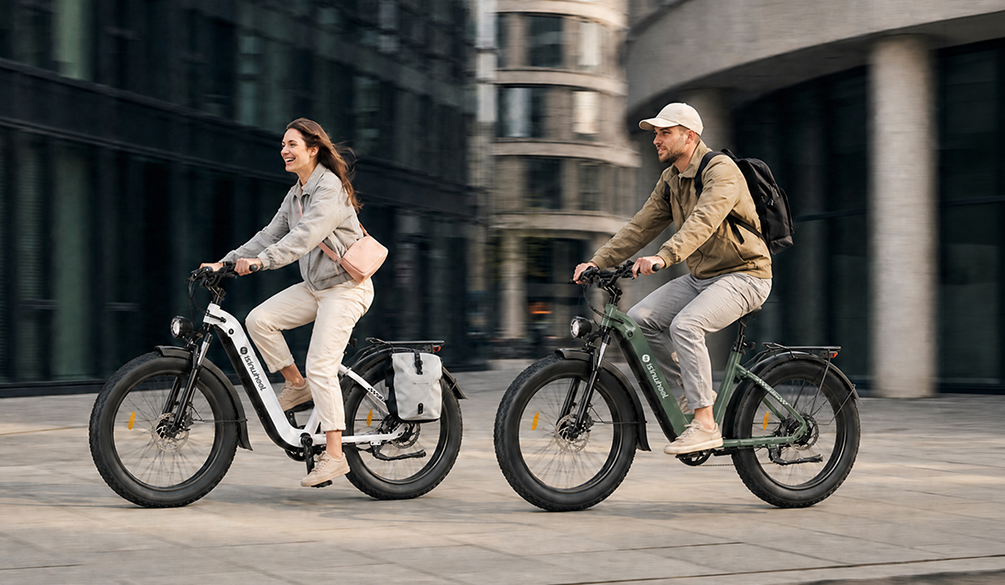
Fat tires usually measure around 4 inches wide, compared to the 1.5–2.5 inches you'll find on standard road or hybrid tires. That extra width does a few things:
- Adds more surface contact with the ground, which improves grip on sand, gravel, snow, and mud
- Absorbs bumps and vibrations, acting almost like natural suspension
- Adds a bit of extra rolling resistance, which can slightly reduce top speed and range
Standard Tires
Standard tires are narrower and lighter, which makes them a natural fit for paved roads and everyday commuting. They typically offer:
- Lower rolling resistance, so the motor doesn't have to work as hard
- A lighter overall bike, which is easier to carry, store, or pedal manually if the battery runs low
- A smoother, faster ride on pavement, bike lanes, and paved trails
Fat-Tire E-Bikes: Comfort and Confidence on Rough Ground
Fat-tire e-bikes are built for riders who don't want to think twice about the surface ahead gravel, dirt, wet grass, light snow, or a pothole-filled side street.
Where Fat Tires Make the Biggest Difference
If your rides often include unpaved trails, campgrounds, backroads, or mixed terrain around your neighborhood, fat tires give you noticeably more stability. They also help on wet pavement, since the wider footprint reduces the chance of slipping.

iSinwheel Fat-Tire Options Worth Considering
The iSinwheel M10Pro Electric Bike is a solid example of a fat-tire commuter build. It rolls on 20*4" tires, has a 1000W motor, and is rated for up to 75 miles of range making it just as capable on paved streets as it is on gravel shortcuts. If you want to see how it performs in daily use, this M10 Pro fat-tire review walks through real riding conditions.
For riders who want something built specifically for mixed terrain and outdoor exploring, the iSinwheel M60 All-Terrain Electric Bike is worth a look. It's designed with a sturdier frame and stronger grip for trails, dirt paths, and weekend adventures outside the city.

Standard-Tire E-Bikes: Built for Speed and Everyday Efficiency
Standard-tire e-bikes are usually the better pick for riders whose routine is mostly paved roads, bike lanes, and city commuting.
Where Standard Tires Make the Biggest Difference
If most of your riding happens on smooth pavement commuting to work, running errands, or riding along a paved trail a narrower tire setup will generally feel faster and require less effort from the motor and your legs. The lighter overall weight also makes the bike easier to store in an apartment, garage, or bike rack.
An iSinwheel Standard-Tire Option
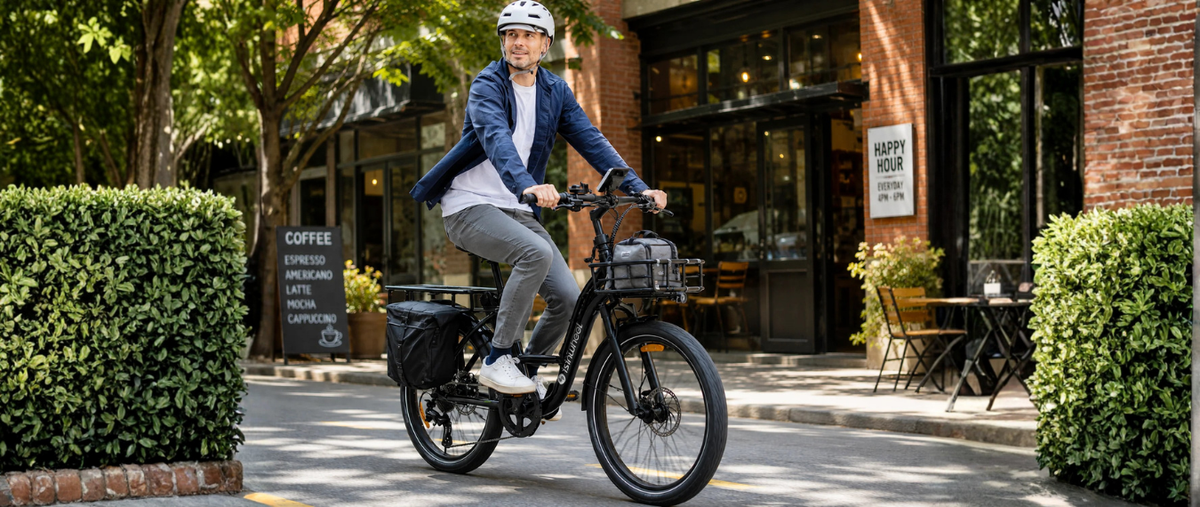
The iSinwheel U8 Ultra Electric Bike is built more like a traditional road-friendly e-bike, with 7-speed Shimano gears and hydraulic disc brakes for reliable stopping power at higher speeds. It's a good match for riders who want a fast, efficient daily ride without the extra rolling resistance of fat tires.
Fat-Tire vs. Standard-Tire: A Quick Side-by-Side Look
| Feature | Fat-Tire E-Bikes | Standard-Tire E-Bikes |
|---|---|---|
| Best terrain | Gravel, dirt, sand, snow, uneven pavement | Paved roads, bike lanes, smooth trails |
| Comfort | Softer ride, more shock absorption | Firmer ride, more responsive |
| Speed & efficiency | Slightly lower due to rolling resistance | Generally faster and more efficient |
| Weight | Heavier | Lighter |
| Best for | Weekend adventures, mixed terrain, all-season riding | Daily commuting, longer paved rides |
How to Choose the Right iSinwheel E-Bike for You
A few honest questions can make this decision much easier:
- Where do you ride most often? Mostly paved streets means standard tires. Mixed or unpaved terrain means fat tires.
- How important is comfort over speed? Fat tires soften bumps but add some resistance. Standard tires feel quicker but transmit more road vibration.
- Do you ride through different seasons? Fat tires tend to handle light snow, mud, and wet grass more confidently.
- How and where will you store the bike? Standard-tire e-bikes are usually lighter and a bit easier to carry up stairs or fit into tighter storage spaces.
If you're still torn between two specific models, this comparison of the M10 Pro vs. M60 All-Terrain Electric Bike breaks down how two fat-tire builds differ from each other, which can help narrow things down even further.
Riding Smart: Matching the Bike to the Road Ahead
There's no universal "best" e-bike only the one that fits how and where you actually ride. If your weekends involve trails, gravel roads, or unpredictable weather, a fat-tire iSinwheel model like the M10Pro or M60 will likely feel more stable and forgiving. If your riding is mostly commuting on paved city streets, a standard-tire option like the U8 Ultra will probably feel faster and lighter to manage day to day. Either way, thinking about your typical route first before the specs is the easiest way to land on the right bike.
What E-Bike Riders Want to Know
Are fat-tire e-bikes harder to pedal than standard-tire e-bikes?
Yes, fat tires create more rolling resistance, so pedaling without motor assistance takes a bit more effort.
Can fat-tire e-bikes still be used for daily commuting?
Yes, many riders use fat-tire e-bikes like the M10Pro for daily commuting, especially if their route includes rougher pavement or gravel shortcuts.
Do standard-tire e-bikes have less range than fat-tire e-bikes?
Not necessarily standard tires often help improve range slightly because they create less resistance for the motor to overcome.
Is one tire type safer than the other?
Fat tires generally offer more grip and stability on loose or wet surfaces, while standard tires perform well on dry pavement at higher speeds.
Can I switch tire types on the same e-bike later?
It depends on the frame and fork design, so it's best to choose the tire style that already matches your riding needs from the start.

Share:
Electric Bike Buying Guide: 10 Features to Check Before Choosing an iSinwheel E-Bike