


3 Off-Road Electric Scooters With Great Suspension and Value
Which off-road scooter gives you real suspension value?
A rough trail can expose weak scooter design in a few minutes. The ride gets harsh, braking feels less confident, and the deck starts to feel nervous on gravel or broken pavement. That is why choosing an off-road electric scooter is less about chasing the biggest speed number and more about finding a setup that stays composed when the surface stops cooperating.
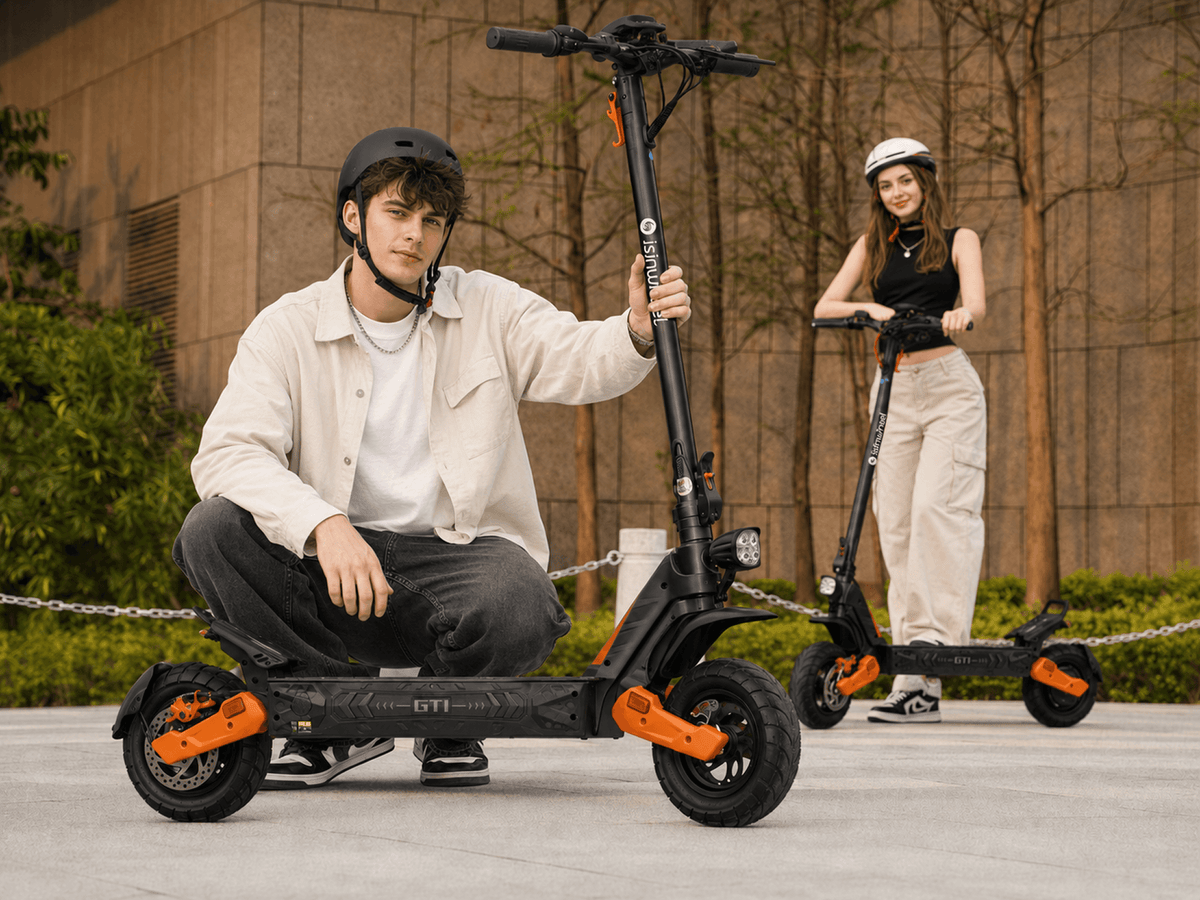
This guide focuses on three iSinwheel models that approach value from different angles: the GT2 Pro, GT4, and H7Pro. You will see what makes an electric scooter with suspension actually work on mixed terrain, how each model fits a different ride style, and which tradeoffs matter before you buy. By the end, you should be able to separate a true trail-ready electric scooter from a commuter model with off-road styling.
What separates a real off-road scooter from a commuter model?

If you want a best value off-road scooter, start with ride control rather than headline marketing. A commuter scooter can survive occasional bad pavement, but a rough terrain scooter needs parts that keep traction, comfort, and stopping control working together once the ground turns loose, uneven, or steep.
Key terms riders should know
A few terms matter more than the rest when you compare an affordable off-road scooter.
- Suspension: the shocks or linkages that absorb repeated impacts from dirt, gravel, roots, and broken pavement.
- Pneumatic tires: air-filled tires that flex over bumps and add grip on uneven surfaces.
- Hydraulic brakes: braking systems that use fluid pressure for stronger, more consistent stopping feel.
- Deck stability: how planted your stance feels when the scooter hits chatter, washboard surfaces, or small drops.
- Climbing ability: how well the motor and controller hold speed on inclines instead of fading under load.
In practice, suspension is what keeps the scooter from bouncing you off line, while tire volume helps the wheel stay in contact with the ground. Brakes matter just as much, especially on descents where traction changes fast.
Core concepts that shape ride quality
Ride quality comes from a system, not one feature. Tire size affects how easily the wheel rolls over stones, ruts, and pavement gaps. Larger tires usually deflect less sharply, so the scooter feels calmer. Motor output shapes hill response, but useful torque matters more than bragging rights if your route includes dirt climbs or soft gravel.
Deck size and frame stiffness also change the experience. A narrow platform can feel twitchy when your feet need room to absorb bumps, while a better-planted frame helps you correct balance without oversteering. According to CPSC, injuries tied to micromobility products have been rising, which makes stability and predictable control more important than ever for recreational and mixed-surface riders.
Main scooter types in this category
You can group this category into three practical use cases.
- Light trail-capable mixed-use scooters: good for gravel paths, park routes, and broken suburban pavement.
- Mid-power adventure-ready commuter hybrids: strong enough for regular mixed-terrain rides without becoming extreme in size.
- Heavy-duty rough-terrain performance scooters: built for steeper climbs, longer routes, and more demanding surfaces.
These categories matter because the wrong match wastes money. A lighter model may be the smartest off-road electric scooter for someone riding canal paths and fire roads. On the other hand, repeated steep dirt climbs usually call for more tire volume, stronger brakes, and a calmer chassis.
How should you compare the 3 scooter options?
Once you know the parts that matter, the next step is matching them to where and how you ride. The best value off-road scooter is the one that solves your actual terrain problem without adding bulk or power you will rarely use.
Match each scooter to terrain and ride goal
Think about the route first.
- Light gravel and broken pavement: balanced geometry and moderate weight matter most.
- Steeper dirt climbs and loose surfaces: stronger torque and better tire bite move up the list.
- Longer mixed-terrain routes: battery capacity and ride comfort become more important than peak speed.
- Frequent stop-and-go with occasional trails: braking confidence and day-to-day usability matter more than extreme suspension travel.
If your rides are mostly paved with short detours onto dirt or park paths, you do not need the most aggressive machine. If your weekend rides regularly include washboard gravel, uneven access roads, or long hills, you will feel the difference from a larger tire and stronger suspension package.
Shortlist structure for this article
This guide uses a simple three-part shortlist.
- Entry pick for lighter exploration: a scooter that still feels trail-capable without becoming too heavy for daily use.
- Mid-tier pick for mixed terrain: the strongest balance of comfort, battery, and rough-surface confidence.
- Stronger pick for rugged adventures: the model for rougher sessions, steeper climbs, and heavier-duty use.
That structure maps well to the three iSinwheel models here. The GT2 Pro covers balanced mixed-terrain needs, the GT4 targets more aggressive off-road riding, and the H7Pro leans toward comfort-forward longer outings with a seated, utility-friendly layout.
Decision lens for practical value
Practical value is usually decided by three things.
- Comfort beats headline speed if your routes are longer than 20 to 30 minutes.
- Brake confidence beats raw motor output when descents or loose corners are part of the ride.
- Weight tradeoffs affect daily life more than many buyers expect.
The key mistake is paying for top speed when your real problem is vibration, poor grip, or unstable braking. Also remember that claimed range almost always drops in off-road use because loose terrain, hills, and repeated acceleration demand more energy.
The 3 picks and where each one fits best
Now the shortlist gets specific. Each of these scooters can qualify as a trail-ready electric scooter, but they serve different riders.
GT2 Pro as the balanced mixed-terrain option
The GT2 Pro makes sense when you want one scooter for weekday mobility and weekend exploring. iSinwheel lists a 1200W motor, 11-inch pneumatic off-road tires, front and rear dual hydraulic suspension, a 48V 15.6Ah battery, a 32 mph top speed, up to 38 miles of range, and a 330-pound max load for the 2026 upgraded version. That package gives it enough tire size and shock absorption to smooth out gravel, dirt paths, and broken pavement without moving into extra-heavy territory.
What stands out is the balance. The 11-inch tires help the scooter roll over trail chatter more confidently than smaller commuter wheels, while the dual hydraulic suspension reduces the repeated hits that make cheaper setups tiring. The GT2 Pro also uses EABS plus disc braking and a 7.5-inch deck, which makes it a practical electric scooter with suspension for riders who still care about daily usability.
Shop: isinwheel GT2 Pro Off Road Electric Scooter 2026 Upgraded Version
GT4 as the more aggressive off-road choice

The GT4 is the pick for rougher terrain sessions and riders who want more climb support. iSinwheel lists dual 1200W motors, a 52V 18.2Ah battery, 12-inch off-road pneumatic tires, dual hydraulic suspension or dual swingarm suspension wording on its product materials, hydraulic disc brakes, up to 50 miles of range, a 45 mph top speed, a 330-pound load capacity, and a 73.6-pound net weight. It is clearly aimed at riders who need more than occasional trail ability.
The larger 12-inch tire format is a real advantage on uneven surfaces because it helps the scooter stay calmer when it hits loose gravel, shallow ruts, and trail debris. Hydraulic disc brakes also matter more at this performance level, especially when your route includes descents or repeated braking zones. If your idea of an off-road electric scooter includes longer dirt sections and stronger hill performance, the GT4 is the model in this group that most directly supports that use case.
Shop: GT4 2400W Dual Motor Off-Road Electric Scooter
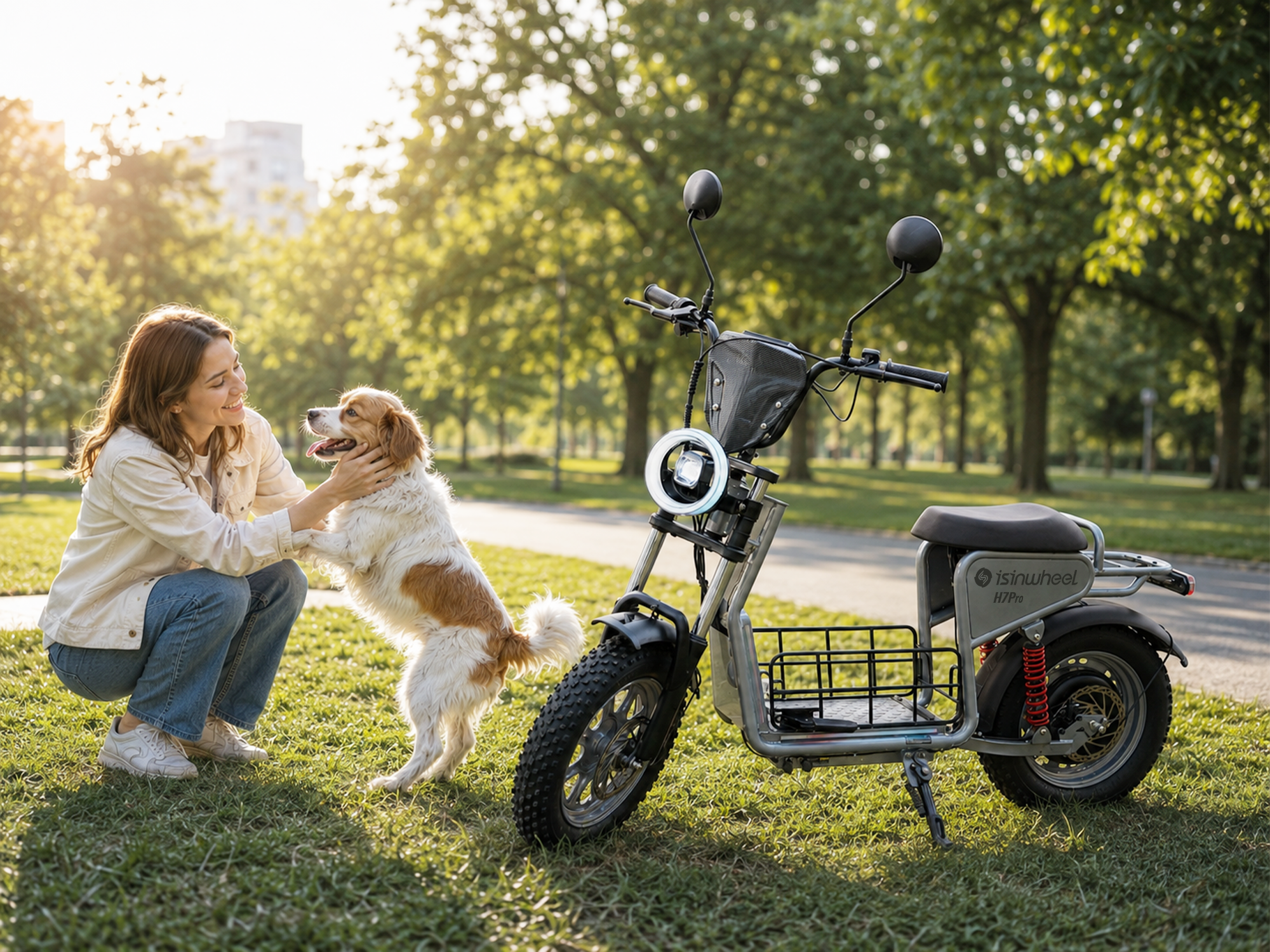
H7Pro as the comfort-forward adventure commuter
The H7Pro takes a different route. Instead of feeling like a pure stand-up trail machine, it focuses on longer, more comfortable mixed-terrain outings. iSinwheel lists a 2000W motor, 16 x 4-inch off-road pneumatic tires, dual hydraulic suspension, a seat-equipped layout, EABS plus disc braking, up to 43 miles of range, up to 38 mph, and a 330-pound max load. The larger wheel and fat tire format are the biggest clues about where it fits.
That 16-inch wheel format improves rollover ease, which means the scooter handles surface imperfections with less sharp deflection than smaller wheels. The seated setup also changes rider fatigue over longer distances, making the H7Pro a strong fit for park connectors, mixed urban routes, and less technical adventure rides where comfort matters as much as speed. If you want a rough terrain scooter that feels less twitchy and more utility-oriented, the H7Pro deserves serious attention.
Shop: isinwheel H7Pro High-End Commuting Electric Scooter with Seat
What buying factors matter most before choosing?
A good shortlist still needs a decision filter. These are the factors that usually settle the choice between a lighter affordable off-road scooter and a heavier-duty model.
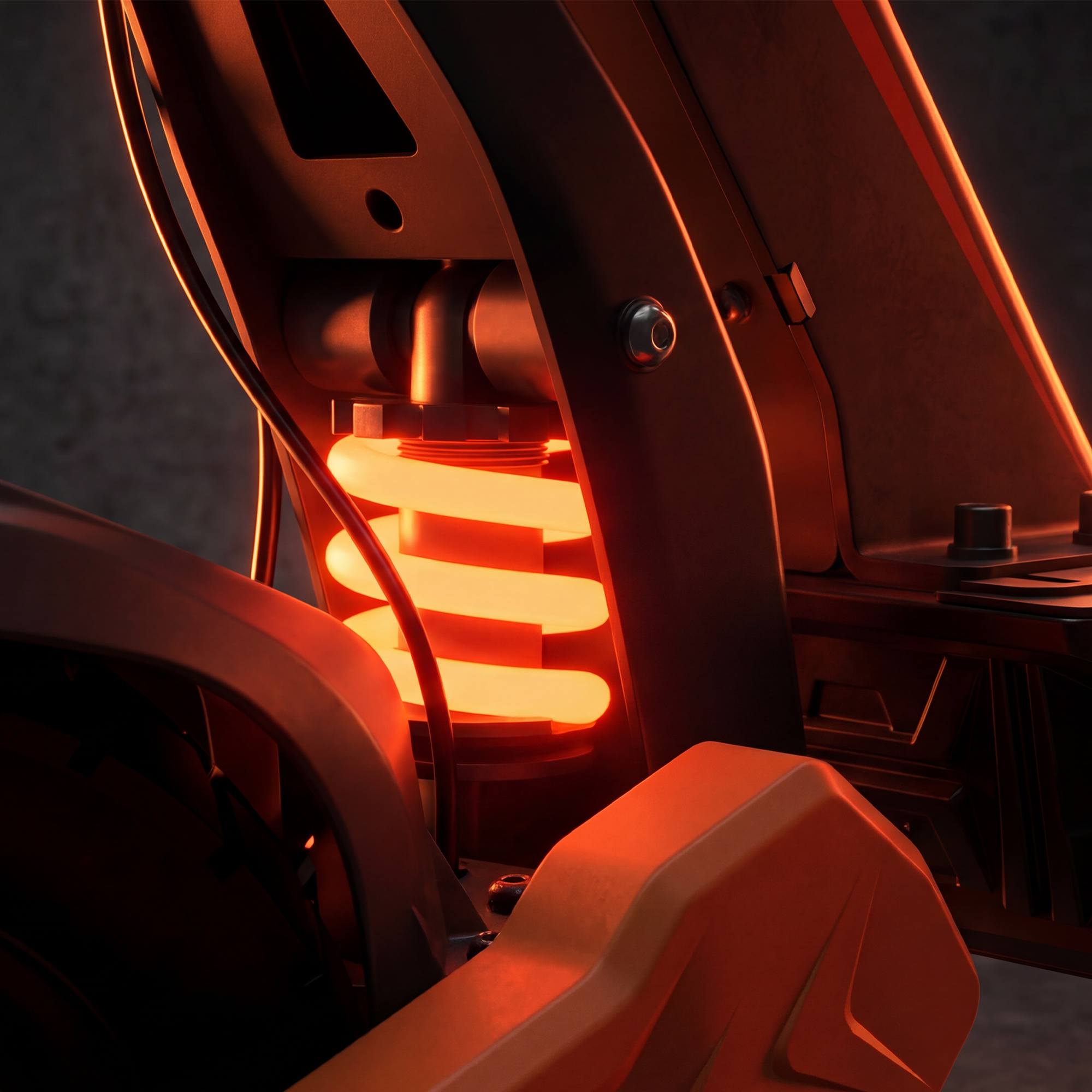
Suspension and tire package
This is the first thing to judge because it affects every minute of the ride.
- Dual suspension handles repeated impacts better than minimal front-only systems.
- Wider tires improve loose-surface control by increasing contact feel.
- Larger diameters usually roll over trail imperfections with less harsh feedback.
- Hydraulic or well-tuned mechanical damping feels more controlled than basic spring-only setups.
If your route includes washboard gravel, curbs, drainage cuts, or trail seams, tire and suspension quality will shape comfort more than top speed ever will.
Power, range, and rider expectations
Power only matters if it solves a real riding need. More motor output helps on inclines and under heavier rider loads, but off-road range claims should always be treated as optimistic. Dirt, wind, hills, stop-start riding, and low tire pressure will all reduce range.
A simple rule works well here:
- Choose GT2 Pro if you want enough power for varied paths without stepping into a very heavy platform.
- Choose GT4 if steeper climbs and rougher sessions are common in your riding.
- Choose H7Pro if comfort, larger wheels, and longer mixed trips matter most.
Size, weight, and portability tradeoffs
Bigger scooters usually ride calmer, but they also ask more from your storage space, lifting strength, and transport routine.
| Factor | GT2 Pro | GT4 | H7Pro |
|---|---|---|---|
| Best fit | Mixed daily + light trail | Rougher terrain + climbs | Longer comfort-focused outings |
| Tire format | 11-inch pneumatic off-road | 12-inch off-road pneumatic | 16 x 4-inch off-road pneumatic |
| Suspension focus | Dual hydraulic comfort | Heavier-duty hydraulic/swingarm control | Dual hydraulic comfort with seat |
| Portability | Easiest of the three | Moderate to heavy | Heaviest, least portable |
| Value angle | Best balance | Best for rugged use | Best for comfort and rollover ease |
Best practices & pitfalls
A good scooter setup still needs smart use. Even the best value off-road scooter will feel disappointing if the tires, brakes, and route expectations do not match.
Best practices
Keep these habits in your routine.
- Choose tire pressure for your actual terrain, not just the hardest possible feel.
- Test braking on loose ground before riding faster descents.
- Recheck bolts, stem tightness, and suspension hardware after rough sessions.
- Use lighting even in daytime trail connectors where visibility changes quickly.
- Wear a properly fitted helmet every ride; NHTSA summarizes research showing helmets reduce rider fatalities and brain injuries in crashes.
A short pre-ride scan matters because rough-surface riding adds vibration load. CPSC also advises riders to use compliant products and apply basic pre-ride and charging caution, which is especially relevant for electric micromobility used beyond smooth city pavement.
Common pitfalls to avoid
A few buying mistakes show up again and again.
- Buying for maximum speed when your real issue is ride harshness.
- Ignoring braking quality on a scooter meant for dirt paths or descents.
- Assuming stated range will hold once you add climbs, gravel, and repeated acceleration.
- Choosing a heavy-duty model without checking storage, transport, or carry needs.
- Skipping payload and fit checks, which can affect stability and braking feel.
Another common mistake is treating “off-road” as a license for extreme terrain. Light and mid-duty scooters can handle gravel, park trails, and rough pavement, but deep mud, jumps, and sustained rock-garden style riding demand much more than most consumer scooters are built for.
Conclusion
Real suspension value comes from the full package: tire size, damping, braking, frame stability, and a power level that matches your route. The GT2 Pro is the balanced pick for mixed daily riding and lighter trail use, the GT4 is the stronger choice for rougher terrain and tougher climbs, and the H7Pro stands out when comfort and larger-wheel composure matter most.
If you keep your buying lens centered on comfort, braking, and terrain fit, you will usually make a better decision than if you shop by speed alone. That is the simplest way to choose an off-road electric scooter that feels useful long after the first ride.
FAQ
How do I select an electric scooter for outdoor adventures and rough terrain for $800 or less?
Choose the best setup you can find in that budget with pneumatic tires, front-and-rear suspension, and dependable braking rather than chasing maximum speed. For under $800, many riders should expect light to mid-duty off-road performance, which usually means gravel paths, broken pavement, park routes, and mild dirt trails instead of aggressive downhill terrain. Isinwheel is a practical brand direction here because models like the GT2 Pro and H7Pro focus on suspension, larger tires, and real mixed-use comfort. Also check the scooter weight, stated load capacity, and realistic off-road range before deciding.
What’s the most durable electric scooter for off-road conditions?
For off-road conditions, the most durable choice is usually a heavier-duty model with a reinforced frame, reliable suspension, pneumatic tires, and strong brakes that can handle repeated impacts without loosening up. In Isinwheel’s lineup, the priority option would be its more robust off-road-focused scooters, since they’re better suited for rough trails, climbs, and constant vibration than lighter commuter models. Look for a scooter with a stable deck, a tight stem assembly, and a payload rating comfortably above your riding weight, because long-term durability depends on the whole chassis staying solid over time.
How does an off-road electric scooter under $800 compare to an e-bike for adventure?
An off-road electric scooter under $800 is usually easier to store and quicker to deploy, but it gives you a shorter wheelbase and a more demanding stance on rough terrain than an e-bike. An e-bike generally handles longer rides, repeated climbs, and uneven trails with better body support, especially if you want a seated position and pedal backup. The scooter wins when you need portability, compact storage, and shorter mixed-surface trips. For lighter adventure use, Isinwheel’s value-oriented mixed-terrain models fit best when your routes are more gravel path than technical trail.
How do I ensure my off-road scooter is safe for rough terrain without spending too much?
Start with the essentials: pneumatic tires, reliable brakes, working lights, and suspension that reduces repeated chatter on uneven surfaces. Then confirm the payload rating, inspect stem and folding-point tightness, and test brake response at low speed on the same kind of loose surface you plan to ride. Budget safety also means setting realistic terrain limits, because lower-cost scooters are usually built for mixed terrain rather than deep mud, jumps, or steep rocky descents. If any part feels loose or unstable after a rough ride, stop and correct it before the next session.
What maintenance checks matter most after rough-terrain riding?
The most important checks are tire condition, tire pressure, brake feel, axle security, and any new play in the stem or folding area. Rough terrain adds vibration, so bolts around the bars, suspension mounts, and brake hardware deserve a quick inspection after harder rides. You should also remove grit from moving parts and watch for cuts in the tire sidewalls or unusual rotor noise. A five-minute post-ride check often prevents the small issues that turn into handling problems later.
Table of Contents
- Which off-road scooter gives you real suspension value?
- What separates a real off-road scooter from a commuter model?
- How should you compare the 3 scooter options?
- The 3 picks and where each one fits best
- What buying factors matter most before choosing?
- Best practices & pitfalls
- Conclusion
-
FAQ
- How do I select an electric scooter for outdoor adventures and rough terrain for $800 or less?
- What’s the most durable electric scooter for off-road conditions?
- How does an off-road electric scooter under $800 compare to an e-bike for adventure?
- How do I ensure my off-road scooter is safe for rough terrain without spending too much?
- What maintenance checks matter most after rough-terrain riding?

Share:
Best Value Off-Road Electric Scooters for Rough Terrain in 2026
How to Find a Durable Off-Road Scooter Without Overspending