


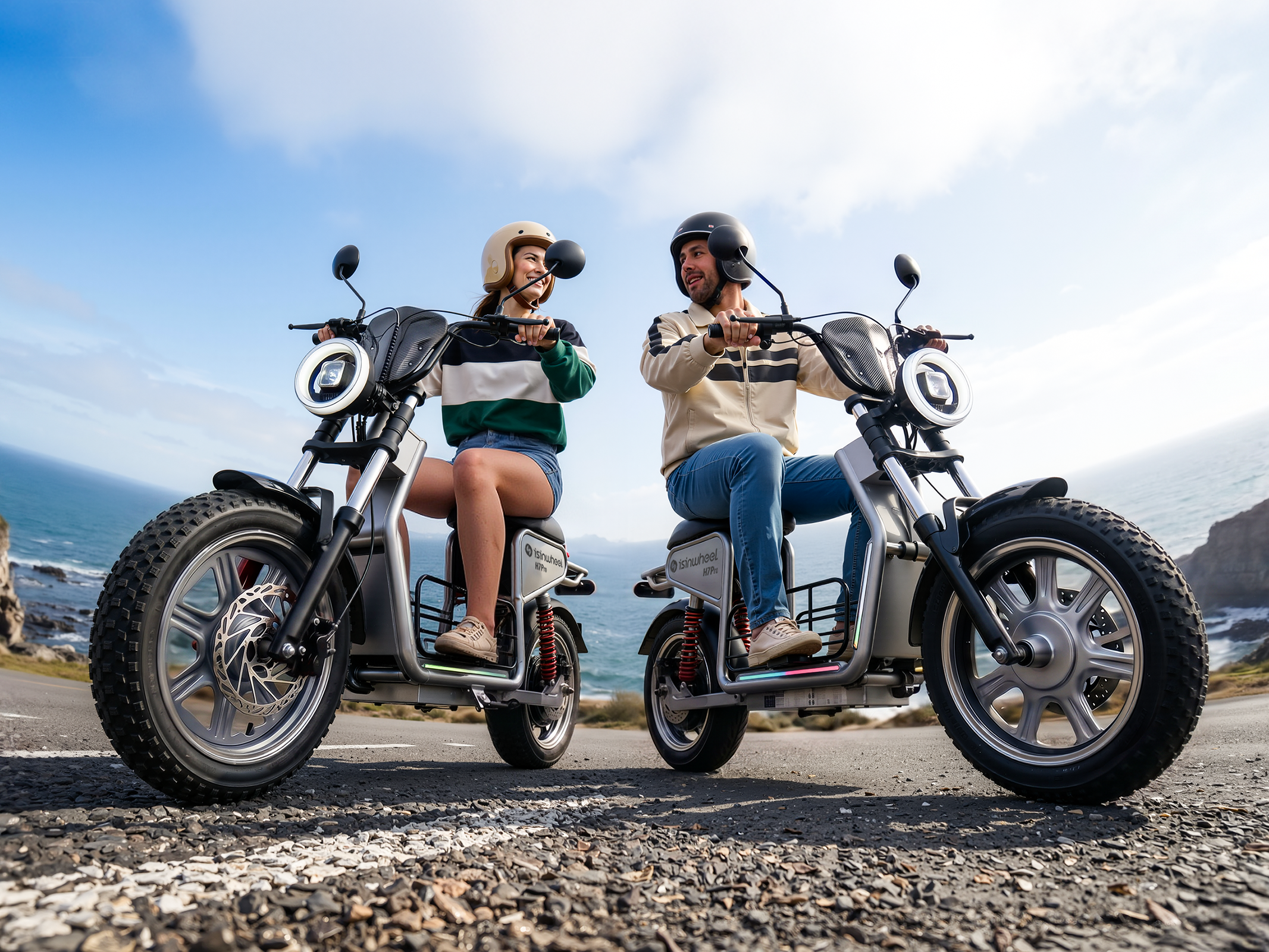
Understanding Your First Commuter Ride
Choosing between an electric scooter and an e-bike comes down to your actual commute, not what looks cooler online. Scooters are often easier for short city trips, office storage, and mixed bus or train rides, while e-bikes are better for longer distances, rough roads, or less rider fatigue.
You’re not just buying a motor and battery—you’re choosing how to carry it, store it, and how comfortable you’ll feel after a ride. The right choice makes daily commuting simple; the wrong one can cost you time and energy.
Safety matters. In 2022, CPSC reported a 21% rise in e-scooter and e-bike injuries, reminding riders to treat them like real vehicles: wear a helmet, check brakes, use lights, and choose realistic speeds.
Quick comparison before you decide
| Dimension | Isinwheel S Nova | Isinwheel U8 Plus |
|---|---|---|
| Vehicle type | Folding electric scooter | Fat tire electric bike |
| Best commute length | Short urban trips | Longer mixed routes |
| Top speed | 20 MPH | 28 MPH |
| Claimed range | 19 miles | 75 miles |
| Battery | 36V 7.8Ah | 48V 13Ah / 624Wh |
| Motor | 500W rated, 600W max | 1500W rated power |
| Tires | 8.5 in pneumatic | 26 x 4.0 in fat tires |
| Suspension | Dual suspension | Front full suspension |
| Water resistance | IPX4 | IP65 |
| Weight | 49.2 lbs | 80.58 lbs |
| Max load | 264 lbs | 330 lbs |
| Portability | Foldable, compact | Large, bulky |
| Comfort style | Stand-up riding | Seated riding |
| Storage fit | Apartment friendly | Needs more space |
| Limitations | Shorter range, less seated comfort | Heavier, harder to store |
Isinwheel S Nova For Urban Simplicity
If your commute is short, flat, and full of doorways, elevators, or transit transfers, the Isinwheel electric scooters lineup starts to make a lot of sense. The S Nova Commuting Electric Scooter is built around convenience first. It uses a 500W rated motor with 600W max output, reaches 20 MPH, and pairs that with a 36V 7.8Ah battery rated for up to 19 miles. For a beginner rider, those numbers point to a clear use case: daily city mileage without the extra size and weight of a full bike.
The setup also supports practical starter-friendly features. You get 8.5-inch pneumatic tires, front and rear disc brakes, dual suspensions, smart turn signals, a headlight, ambient lighting, cruise control, zero-start support, and app-based locking. That package matters because a commuter scooter succeeds when it reduces friction in your day. Instead of asking whether it can do everything, ask whether it makes your most common trip easier. For many apartment dwellers and multimodal riders, that answer is yes.
Where the S Nova works best
- Short office commutes under about 5 to 8 miles each way
- Last-mile trips from parking lots or train stations
- Small apartments with limited floor space
- Riders who want a simpler learning curve than a larger bike
Where it gives up ground
The tradeoff is comfort over time. A 19-mile claimed range is enough for short commuting, but it is not built for long seated travel or all-day errands. The 49.2-pound weight is manageable compared with many e-bikes, yet it is still heavy if you must carry it up multiple flights of stairs often. Its IPX4 rating also means light rain resistance, not a bike-like all-weather setup.
Shop: S Nova Commuting Electric Scooter
Why Choose The Isinwheel U8 Plus Instead?
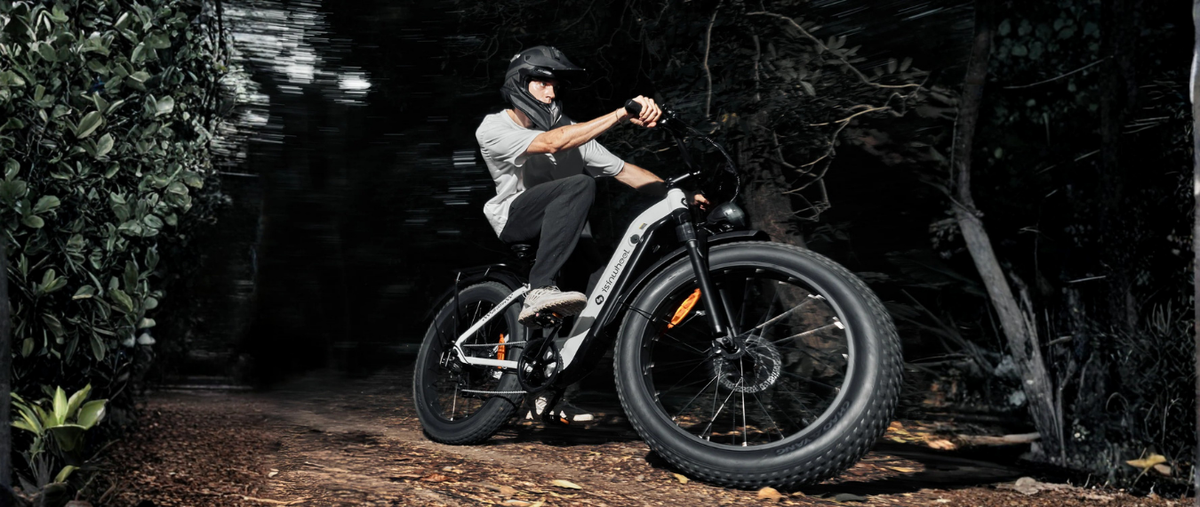
If your ride is longer, rougher, or simply more tiring, the isinwheel U8 Plus Electric Bike for Adults is the stronger fit. This is one of the more capable Affordable electric bikes in the brand's lineup because it focuses on range, seated comfort, and stability. It is a Class 3 e-bike with a 1500W rated motor, 28 MPH top speed, a 48V 13Ah battery rated at 624Wh, and up to 75 miles per charge. It also uses Shimano 7-speed gearing, front full suspension, a removable integrated battery, and 26 x 4.0-inch fat tires.
Those specs shift the riding experience immediately. Bigger tires and a seated frame help absorb broken pavement, curb transitions, and longer route fatigue. The step-thru aluminum integrated body also makes mounting easier than many taller frame designs. If your commute includes grocery stops, detours, or weekend recreation, the U8 Plus is the more versatile electric mobility solutions choice. It is not just a commuter; it can cover errands, family rides, and light outdoor use more comfortably than a compact scooter.
Why beginners may prefer it
- Seated posture reduces fatigue on longer trips
- 26 x 4.0-inch fat tires feel more planted on rough roads
- 330-pound max load gives more flexibility for rider size and gear
- Removable battery makes charging easier when outdoor outlets are not available
The main drawback
Portability is where the U8 Plus clearly loses ground. At 80.58 pounds and 78.0 x 28.7 x 46.9 inches, it needs real storage space and is far less convenient for stairs, elevators, and daily lifting. In other words, it solves distance and comfort, but not compact storage.
Shop: isinwheel U8 Plus Electric Bike for Adults
What Matters Most For Beginners?
For beginners, the answer usually comes down to four things: learning curve, portability, comfort, and day-to-day practicality. That sounds obvious, but it is where many people overbuy. A commuter ride should match your route reality. If you mostly travel short city blocks and need to bring your vehicle indoors, a scooter gives you fewer daily hassles. If you ride farther and want one machine for commuting plus errands, an e-bike usually feels easier to keep using.
There is also a safety angle here. The CPSC advises helmet use and smooth-surface riding for scooters, while data summarized by Columbia University Mailman School of Public Health found helmet use was reported less often among injured powered scooter riders than among injured bicycle and e-bike users. That does not mean scooters are a bad choice. It means beginners should think seriously about visibility, braking, tire pressure, and protective gear before the first ride.
Which option feels easier to learn?
S Nova: For many first-time riders, the S Nova feels intuitive because throttle, braking, and steering are straightforward. The stand-up format gives you quick step-on, step-off control in dense city riding. However, some beginners need a few rides to feel relaxed balancing over smaller wheels.
U8 Plus: The U8 Plus usually feels more stable at first because you ride seated and get larger 26 x 4.0-inch tires. That planted feel can lower stress on rough pavement or longer routes. On the other hand, its larger size can feel more intimidating when parking, walking, or storing it.
Best Fit: Choose the S Nova if simple controls and short city trips matter most. Choose the U8 Plus if you value planted handling and seated confidence more.
Portability changes daily commuting
S Nova: This is where the scooter wins clearly. Its foldable design and 49.2-pound weight make it far easier to store near a desk, in a hallway corner, or in a car trunk. If your routine includes stairs, elevators, or transit transfers, that convenience adds up fast.
U8 Plus: The U8 Plus is portable only in the broad sense that it is still a personal vehicle. In daily life, 80.58 pounds and a full-size frame mean you need bike parking, garage space, or a generous indoor storage area. It is much less suited to tight apartments and frequent lifting.
Best Fit: Small-space commuters and multimodal riders should lean toward the S Nova. Riders with secure storage and fewer carrying demands will tolerate the U8 Plus more easily.
Comfort on longer rides
S Nova: The scooter uses dual suspension and pneumatic tires, which help on cracks and minor bumps. Still, stand-up riding places more strain on your legs, feet, and posture over time, especially once rides stretch beyond short urban sessions.
U8 Plus: The U8 Plus is the better comfort machine. A seated position, front full suspension, and fat tires reduce fatigue and help the bike feel calmer over distance. If you expect commutes above a few miles each way, that difference is not minor; it shapes whether the ride still feels good on day ten.
Best Fit: For quick urban hops, the S Nova is enough. For sustained daily travel, the U8 Plus is the more forgiving choice.
What about daily practicality?
S Nova: The scooter is best when your route is predictable and short. It fits office entry, hallway storage, and true last-mile use very well. Its lower range ceiling means you need a tighter charging routine if you ride often.
U8 Plus: The e-bike handles mixed errands better because it has longer range, higher load capacity, and better all-around ride stability. It also has a removable battery, which makes charging easier when your bike is parked far from an outlet.
Best Fit: If your day mixes commuting, errands, and weekend use, the U8 Plus covers more scenarios. If your goal is pure urban efficiency, the S Nova stays simpler.
Best Fit By Commuter Scenario
You will make the better choice faster by picturing your actual week. Forget ideal conditions for a minute. Think about your building entrance, your storage space, whether you ever take transit, and how your body feels after 20 minutes on rough pavement. That daily context usually answers the question better than any spec sheet.
Scenario 1: Small apartment, elevator, office storage
The S Nova is the better fit here. A folding scooter for urban commuting is simply easier to live with when floor space is limited and indoor storage matters every day. The U8 Plus can still work, but only if you already have reliable bike parking or a garage-like setup.
Scenario 2: Longer route with rough streets
The U8 Plus fits this commute better. Its 75-mile claimed range, fat tires, front suspension, and seated position all support a longer and calmer ride. If you are trying to replace more car trips with sustainable electric vehicles, this broader capability matters.
Scenario 3: Multimodal commuting and last-mile travel
The S Nova wins this one because it is easier to fold, carry, and tuck away. If your routine includes parking garages, train stations, or switching vehicles during the trip, scooters are usually the cleaner solution for Last-mile Delivery style movement and commuter transfers.
Scenario 4: Mixed errands, weekend rides, and utility
The U8 Plus is the stronger all-rounder. A 330-pound max load and full-size bike format make it easier to carry gear, ride farther, and keep using the vehicle beyond weekday commuting. For riders who want one machine to do more than one job, the e-bike is the better electric ride for outdoor adventure and daily utility option.
Conclusion
For most beginners, there is no single universal winner between Electric Scooters and E-bikes. The better answer is a best-fit decision based on your commute. Choose the S Nova if you want compact city convenience, easy indoor storage, and a practical tool for short trips. Choose the U8 Plus if you need longer-range comfort, more stability, and a vehicle that can handle commuting plus errands with less rider fatigue.
So here is the shortest version. The S Nova is the better fit for portable city use, and the U8 Plus is the better fit for comfort and range. If you are still deciding, map your usual route in miles, count how many times you must lift or store the vehicle, and then choose the model that removes the most friction from your day. If portability matters first, explore the S Nova Commuting Electric Scooter. If comfort and distance matter first, start with the isinwheel U8 Plus Electric Bike for Adults.
FAQ
Is An E-bike Or Electric Scooter Better For Beginners?
An e-bike or electric scooter is better for beginners depending on commute length, storage, and riding confidence. Electric scooters usually work better for short urban trips because they are easier to store, easier to fold, and simpler to combine with transit. E-bikes often feel more stable on longer rides because you ride seated and use larger wheels. If your route is under about 5 to 8 miles each way and space is tight, start with a scooter; if your route is longer, an e-bike is usually the easier daily ride.
What Factors Matter Most In A Daily Commuter Electric Ride?
The most important factors are distance, comfort, portability, charging access, and road surface. A scooter makes more sense when you deal with stairs, office storage, or frequent transfers, while an e-bike makes more sense on rough roads and longer routes. You should also check top speed, weight, max load, and battery size because those numbers shape real daily usability. For beginners, storage and route length usually matter more than peak motor power.
Are Electric Scooters More Affordable Than E-bikes?
Electric scooters are often more affordable in overall ownership burden because they take less space and usually have a simpler commuter role. E-bikes tend to ask more from you in storage and handling, but they often deliver greater comfort, longer range, and broader utility. That means the better value depends on how you will use it five or six days each week.
Which Option Is Better For Last-Mile Delivery Or Multimodal Commuting?
An electric scooter is usually better for last-mile delivery or multimodal commuting. A foldable scooter is easier to move through hallways, onto elevators, and into offices or car trunks, which keeps transitions fast. E-bikes are stronger when the ride is the full trip rather than only the last segment. If your commute includes trains, rideshares, or parking transfers, a scooter usually creates fewer daily obstacles.
How Do Safety Features Affect The Decision?
Safety features affect the decision because they change braking confidence, visibility, and rider control. On a scooter, you should pay close attention to brake setup, tire type, lighting, turn signals, and deck stability because small-wheel vehicles react quickly to pavement changes. On an e-bike, larger tires, a seated position, and suspension often improve comfort and control over distance, especially at higher commuting speeds.
What Makes A Commuter Vehicle More Sustainable Over Time?
A commuter vehicle becomes more sustainable over time when it matches your real route and gets used consistently. Battery care, dry storage, regular brake checks, and tire maintenance all extend usable life and reduce waste from early replacement. A scooter that is easy to store may be more sustainable for an apartment commuter, while an e-bike that replaces longer car trips may create a bigger practical impact for another rider.
Table of Contents
- Understanding Your First Commuter Ride
- Isinwheel S Nova For Urban Simplicity
- Why Choose The Isinwheel U8 Plus Instead?
- What Matters Most For Beginners?
- Best Fit By Commuter Scenario
- Conclusion
-
FAQ
- Is An E-bike Or Electric Scooter Better For Beginners?
- What Factors Matter Most In A Daily Commuter Electric Ride?
- Are Electric Scooters More Affordable Than E-bikes?
- Which Option Is Better For Last-Mile Delivery Or Multimodal Commuting?
- How Do Safety Features Affect The Decision?
- What Makes A Commuter Vehicle More Sustainable Over Time?


Share:
Commuting vs Off-Road Scooters: A Beginner’s Buying Guide in 2026
Best Suspension Electric Scooters for Off-Road Value in 2026