


Introduction
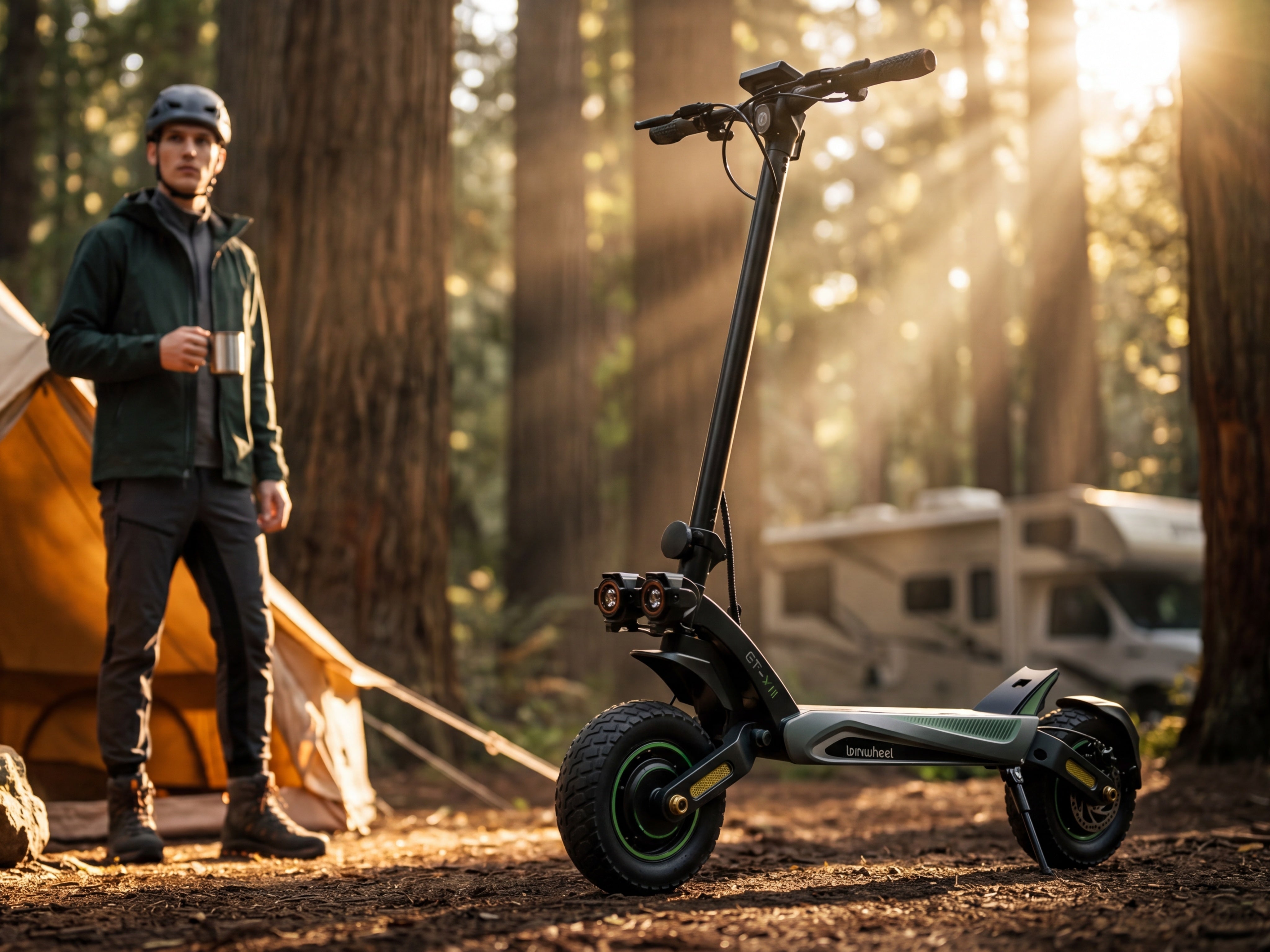
Still torn between a scooter that feels easy on your weekday route and one that looks ready for gravel, hills, and weekend fun? That confusion is common, and buying the wrong Electric Scooters setup usually hurts fast. A heavy off-road model can feel awkward in apartments and bike lanes, while a commuter model can feel overwhelmed on rough paths, loose ground, or steep climbs.
This guide helps you sort that out before your first week becomes an expensive trial and error. You will learn how commuting and off-road Electric Scooters differ, which features actually matter for beginners, and where E-bikes or other eco-friendly transportation options fit into the same decision. Start with ride type first, then use the sections below to match terrain, comfort, control, and storage to the scooter that suits your real routine.
Electric Scooters Fundamentals
The confidence features beginners should not ignore
Beginners often focus on motor wattage first, but battery, brakes, suspension, and lighting shape confidence just as much. Brakes affect how calm you feel when traffic changes. Suspension affects whether your hands and knees tense up on rough ground. Tire size changes how the scooter reacts to cracks, seams, and loose stones. Battery capacity matters because range estimates drop when hills, rider weight, cold weather, or stop-and-go riding increase demand.
Safety context also matters in 2026. A 2024 JAMA Network Open study on U.S. micromobility injuries found that electric scooter injuries increased by more than 45 percent annually from 2017 to 2022, while hospitalizations also rose with electric vehicles compared with conventional ones. Research published in 2024 also reported alcohol use in 8.6 percent of U.S. e-scooter injury-related emergency visits, and a 2025 PubMed analysis of 2014 to 2023 data found powered scooters accounted for about 80 percent of micromobility craniofacial injuries. Those findings do not mean you should avoid scooters; they mean setup choice, practice, and safety features deserve real attention. (pmc.ncbi.nlm.nih.gov)
Use Case Snapshot
Urban commuting
If your rides are short, repeated, and mostly paved, keep your selection simple. Urban riders usually benefit most from:
- Enough range for a full round trip plus buffer
- Good lighting and turn visibility
- Stable braking in traffic
- A frame that fits storage reality
- Comfort that stays acceptable after repeated rides
This is where scooter for urban commuting decisions often overlap with Electric Bikes. If you want more portability than many E-bikes offer, a commuter scooter can be the better fit. If you need cargo, longer seated support, or family transport, Electric Bikes may still be stronger green commuting solutions.
Outdoor adventure
If your route includes hills, broken pavement, gravel, or mixed recreational paths, you need more than speed. You need control on imperfect ground. Outdoor-focused riders should prioritize:
- Stronger torque for climbing
- Pneumatic tires with useful width
- Suspension that actually absorbs impacts
- Braking that stays composed on descents
- A frame and deck that feel planted
That is why many Electric Scooters for adventure start to resemble small electric mobility solutions rather than simple last-mile tools. They become less portable, but more capable where the surface is less predictable.
Commuting Scooter Basics

What commuting scooters solve
Before choosing a commuter scooter, think about what problem you are trying to remove from your day. Usually, it is not boredom. It is friction. You want smoother errands, less parking hassle, easier station-to-office travel, or a more comfortable alternative to walking longer city segments. Commuter Electric Scooters work best when your route is consistent enough that comfort, visibility, and convenience matter more than extreme power.
For many new riders, a seated setup lowers mental load. You do not have to manage standing fatigue on every trip, and you can settle into a more relaxed posture for longer rides. That can matter if you are using eco-friendly transportation alternatives several times each week. A commuter scooter also fits better than some Electric Skateboards when surfaces are imperfect and better than some E-bikes when storage space is tight.
Product fit: isinwheel H7Pro
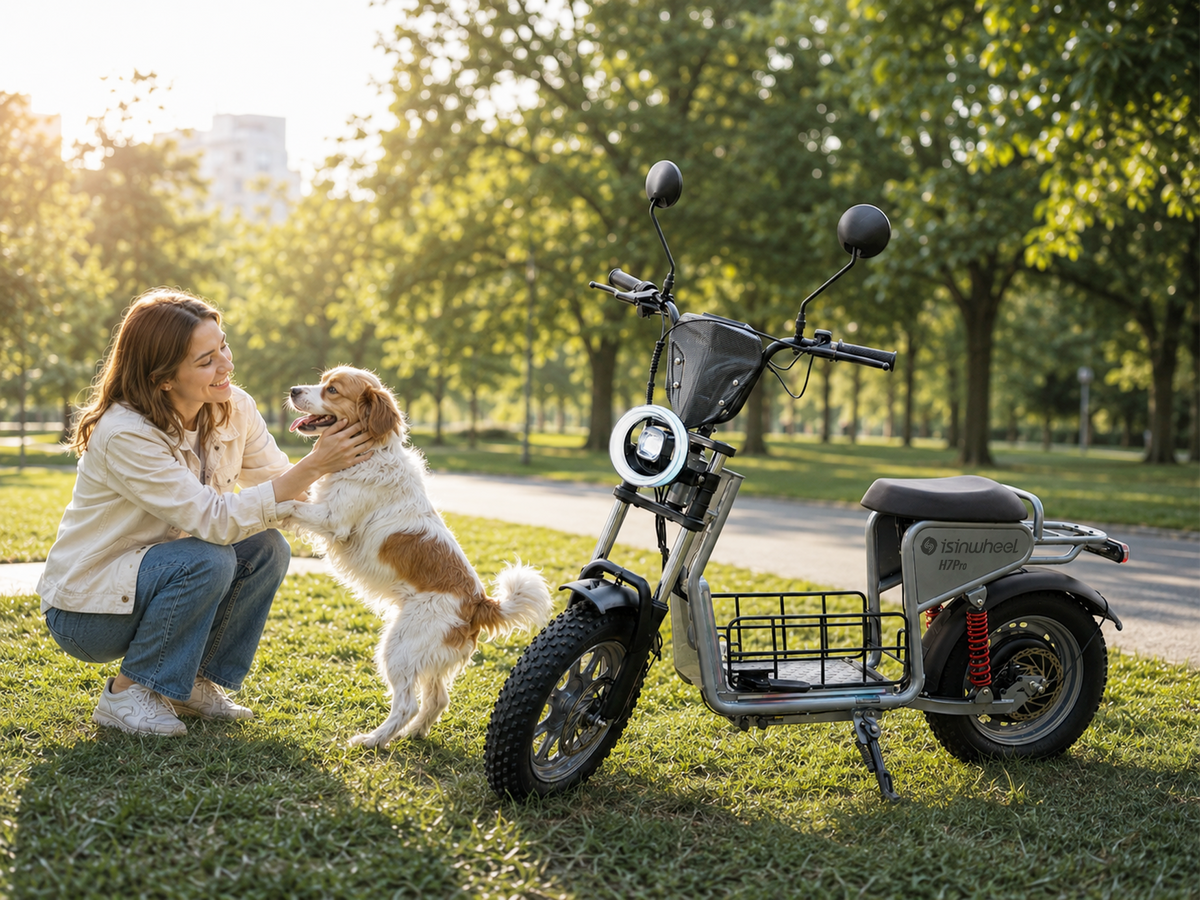
The isinwheel H7Pro 1200W High-End Commuting Electric Scooter with Seat fits the commuter side of this guide well because its design clearly favors comfort-focused urban riding. On the official product page, iSinwheel lists a 1200W motor, up to 43 miles of max range, a 38 MPH top speed, 16 x 4 inch fat tires, and a 48V 18.2Ah battery. The page also lists EABS plus disc braking, dual hydraulic suspensions, aluminum alloy frame construction, LED lighting with headlight, turn light, and ambient light, app and NFC card locking, a 330 lb max load, and a listed product weight of 102 lbs. Those features point to a commuter model for riders who want a more substantial, comfort-oriented machine rather than a tiny carry-first scooter. ([isinwheel.com])
In practical terms, the H7Pro makes sense if your priority is longer seated comfort on repeat paved routes. The 16 x 4-inch tire format should help smooth cracks and expansion joints, while the hydraulic suspension setup should reduce the harshness that makes many new riders tense up. It is less about minimalist portability and more about relaxed city travel, errands, and daily green commuting solutions with stronger ride support.
Shop: isinwheel H7Pro 1200W High-End Commuting Electric Scooter with Seat
Off-Road Scooter Basics

What to prioritize first
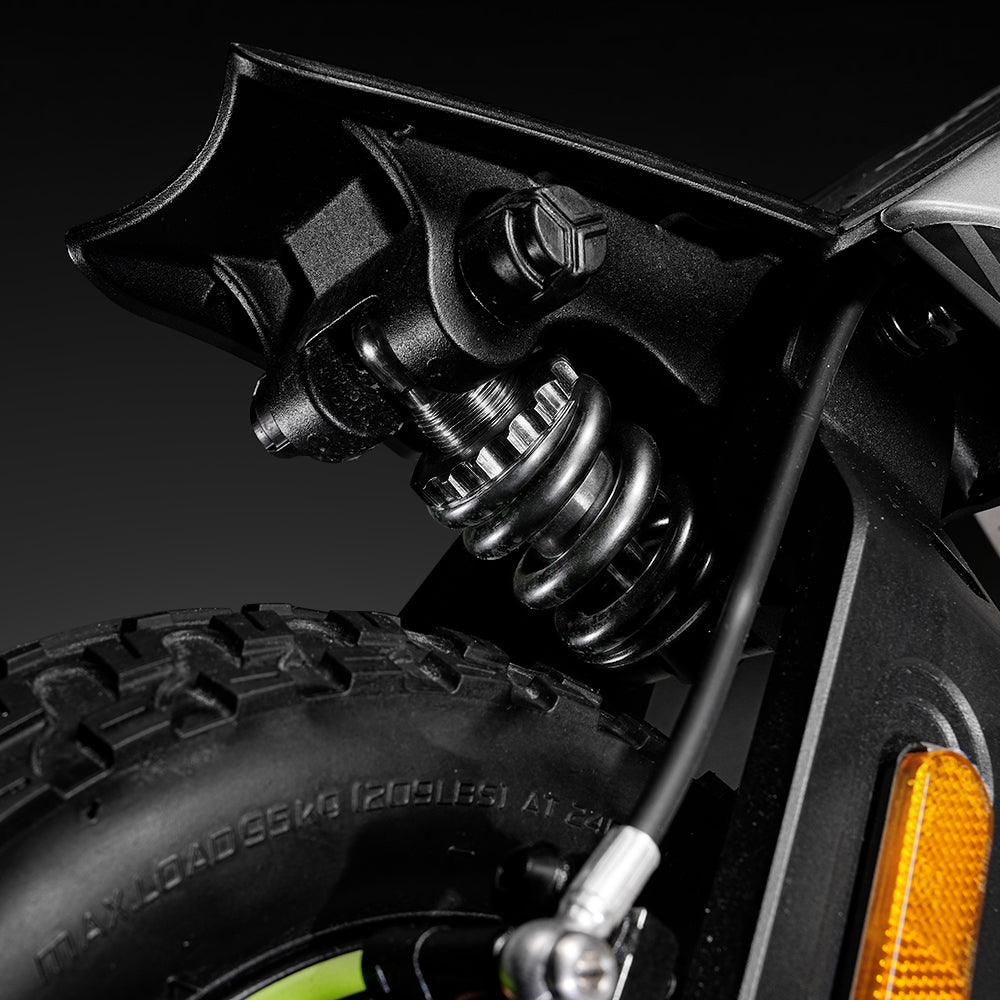
Start with motors, suspension, and tires. If your rides include steep grades, dual motors can make starts and climbs feel more predictable because the scooter has more reserve instead of working near its limit. Suspension and tire width matter just as much, because grip without bump control still feels harsh and unsettled.
Check these items first:
- Dual-motor or single-motor layout
- Tire width and intended surface
- Suspension type and travel
- Brake system confidence
- Weight and folding realism
- Lighting for low-visibility conditions
Heavier scooters usually ride more planted off-road, but they also ask more from you in storage and transport.
Product fit: isinwheel GT4
The GT4 2400W Dual Motor Off-Road Electric Scooter is the stronger trail-biased choice in this lineup. The official page lists dual 1200W motors, up to 50 miles of max range, a 45 MPH top speed, 12 x 2.75 inch off-road tires, a 52V 18.2Ah battery, and a 330 lb max load. The same page highlights hydraulic disc brakes, dual swing arm suspension, a 360 degree lighting system, colorful ambient light, app support, and an aluminum alloy frame. iSinwheel also states up to 50 percent climbing capability and eight selectable riding modes on the current product page. Those specs position the GT4 as the flagship option for riders dealing with hills, mixed surfaces, and more demanding weekend use. ([isinwheel.com])
For a beginner, the real value is not the headline speed. It is the extra control margin. Dual motors can help the scooter feel less strained on climbs, while hydraulic disc brakes and swing arm suspension improve control when pace and terrain both rise. If your main goal is an electric ride for outdoor adventure rather than apartment-friendly commuting, the GT4 is the clear fit.
Shop: GT4 2400W Dual Motor Off-Road Electric Scooter
Product fit: isinwheel GT1
The GT1 Dual Motor Off-Road Electric Scooter is the more approachable step-up option for beginners who want off-road capability without jumping straight to the heaviest, fastest configuration. On the official page, iSinwheel lists 800W x 2 motor capacity, up to 35 miles of max range, 32 MPH top speed, a 48V 13Ah battery, 6 to 7 hour charging time, and a 330 lb max load. The page also highlights a triple braking system with electronic, disc, and mechanical braking, 130 mm disc brakes, dual swing arm suspension with 45 mm suspension travel, smart turn signals, ambient lighting, an aluminum frame, a 624 Wh battery, BMS 3.0 battery protection, and a total weight of 73 lbs. ([isinwheel.com])
That mix makes the GT1 appealing for riders who want dual-motor traction and stronger hill ability, but still care about handling a scooter that is less intimidating than a bigger flagship model. It offers enough performance for gravel paths, park connectors, and hilly mixed routes, yet its lower top end and lighter total weight should be easier for a new rider to manage. In beginner terms, it lowers the barrier to off-road Electric Scooters without removing the features that matter most.
Shop: GT1 Dual Motor Off-Road Electric Scooter
Decision Guide for Beginners
Choose commuting first if
Choose the commuter path if your rides stay mostly paved and your life includes storage limits, errands, and routine daily travel. This is usually the lower-stress option for beginners because the goal is comfort and repeatability, not terrain conquest. A seated commuter can also overlap nicely with the needs of riders comparing Electric Scooters with Affordable electric bikes or even Lightweight electric bikes, especially if they want a smaller vehicle but still care about posture support.
Choose off-road first if
Choose off-road first if dirt, gravel, broken pavement, or hills are a real part of your normal week. This category asks you to accept more weight and a bigger footprint, but it gives back better traction, stronger climbing, and more bump control. If your route is mixed and rough enough to unsettle a city scooter, this trade is worth it.
Choose between featured models
Use this quick framework:
| Scenario | Best fit | Why it fits | Trade-off |
|---|---|---|---|
| Paved daily routes | H7Pro | Seated comfort, long range | Heavy for stairs |
| Mixed paths, beginner off-road | GT1 | Dual motors, lower barrier | Less extreme capability |
| Tougher hills and terrain | GT4 | More torque, stronger braking | Bigger handling demand |
A simple buying rule helps here. If your route is 80 percent pavement, buy for commuting. If your route regularly includes loose or steep sections that change how you ride, buy for off-road control instead.
Conclusion
Terrain decides more than marketing. If your week is mostly city streets, repeated errands, and paved connectors, a commuter model usually gives the easier learning curve. If your route regularly includes hills, gravel, or rough surfaces, an off-road scooter gives you the traction, torque, and control margin that make beginner riding safer and less stressful.
Start with your weekly route map, then compare comfort, weight, braking, suspension, and storage reality. In this iSinwheel lineup, the H7Pro suits comfort-focused commuting, the GT1 suits lighter off-road entry, and the GT4 suits riders with tougher terrain demands. That is the simplest way to choose Electric Scooters with more confidence in 2026.
Official Site: iSinwheel
FAQ
What should I look for in a commuter scooter versus an off-road scooter for beginners?
Look at terrain first, then comfort and control features. Commuter scooters should emphasize visibility, predictable braking, practical range, and storage-friendly design for repeated paved trips. Off-road scooters need stronger motors, better suspension, and tires that can handle loose or uneven ground without feeling nervous. Beginners should also pay close attention to total weight, because heavy scooters affect both handling and storage.
How do I choose a beginner-friendly electric scooter for commuting versus off-road use?
Choose the scooter that supports your most common route, not your occasional dream route. If you ride mostly pavement, bike lanes, and neighborhood streets, start with a commuter model that feels calm and practical. If gravel, hills, broken pavement, or park trails are regular parts of your week, start with an off-road layout that has better traction and suspension. Beginners should value stability, braking feel, and weight balance over raw top speed.
What are the pros and cons of using an e-scooter versus an e-bike for commuting in the city?
E-scooters are often easier to store, quicker to fold, and more convenient for short last-mile trips. They work well when your route is compact, and you need a vehicle that fits apartments, offices, or mixed transit routines. E-bikes usually offer more seated comfort, larger wheels, and better options for carrying bags or groceries. That makes them easier for longer daily distances or riders who prefer a more familiar posture.
How do I decide if an electric scooter or e-bike is right for me as a beginner?
Start by checking route length, terrain, storage space, and your comfort preference. If your rides are short, urban, and repeated, a scooter can be a smart choice because it is compact and efficient for quick travel. If you need more seated support, better cargo options, or a more familiar ride feel, an e-bike may be the better first vehicle. You should also think about where the vehicle will live when not in use, because size and carrying weight affect daily satisfaction. The better option is the one that fits both your ride and your home routine.
Table of Contents
- Introduction
- Electric Scooters Fundamentals
- Use Case Snapshot
- Commuting Scooter Basics
- Off-Road Scooter Basics
- Decision Guide for Beginners
- Conclusion
-
FAQ
- What should I look for in a commuter scooter versus an off-road scooter for beginners?
- How do I choose a beginner-friendly electric scooter for commuting versus off-road use?
- What are the pros and cons of using an e-scooter versus an e-bike for commuting in the city?
- How do I decide if an electric scooter or e-bike is right for me as a beginner?


Share:
Dual Motor Electric Scooter: Why More Riders Are Upgrading to the isinwheel GT1 Dual
Beginner Commuter Guide: E-Bike vs Electric Scooter