


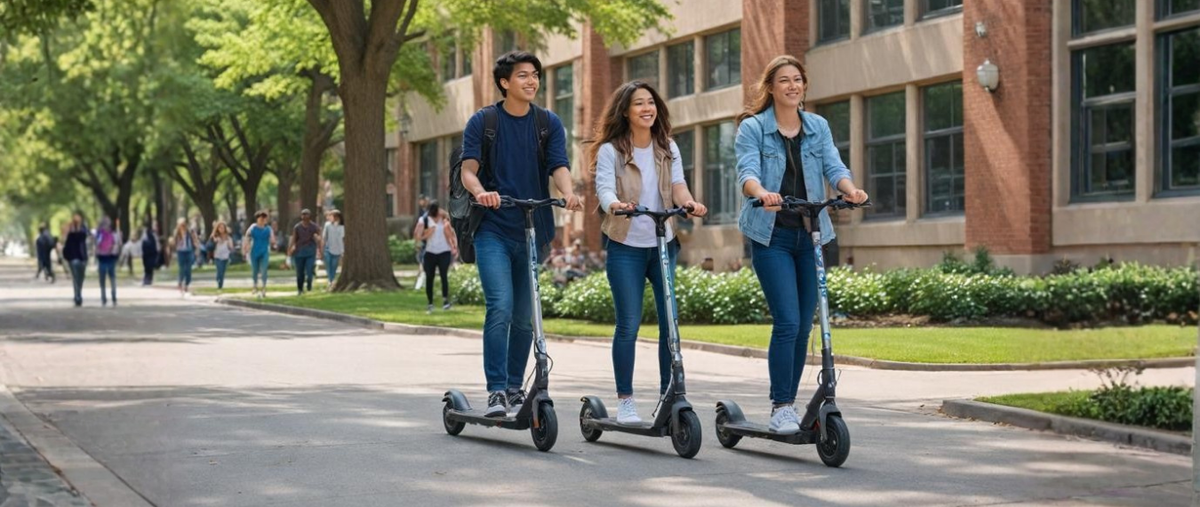
Which electric scooter for beginners fits your first ride best?
Choosing between electric scooters for beginners gets expensive when you buy for speed instead of your real route. A city commuting scooter that feels great on smooth pavement can become frustrating on gravel, steep driveways, or park trails. On the other hand, an off-road electric scooter may give you the traction and power you want, but it can also be heavier, bulkier, and harder to carry upstairs.
That is why the smarter first step is to match the scooter to how you actually ride. Below, you will compare commuter and off-road setups, see where the tradeoffs show up in daily use, and learn which Isinwheel electric scooters fit paved commuting, mixed terrain, or a beginner upgrade path.
Commuter and off-road electric scooters solve different beginner problems

The biggest difference is not just speed. It is how the scooter behaves in your normal environment, how easy it is to store, and how forgiving it feels when you are still learning.
What defines a commuter scooter

A commuter electric scooter is built for paved streets, bike lanes, campus paths, and short-to-medium daily trips. For beginners, that usually means easier handling, simpler storage, and less fatigue over repeated weekday rides.
- Best for: smooth asphalt, sidewalks where legal, and predictable urban routes
- What you feel: lighter steering, easier folding, and smoother stop-and-go use
- What matters most: range consistency, braking feel, lights, and portability
The Isinwheel S Nova Pro is a strong example of this category. Its official specs list a 38-mile maximum range, 600W rated motor with 1000W max power, 10-inch pneumatic tires, dual suspension, front and rear disc brakes, and a 60.4-pound net weight.
What defines an off-road scooter
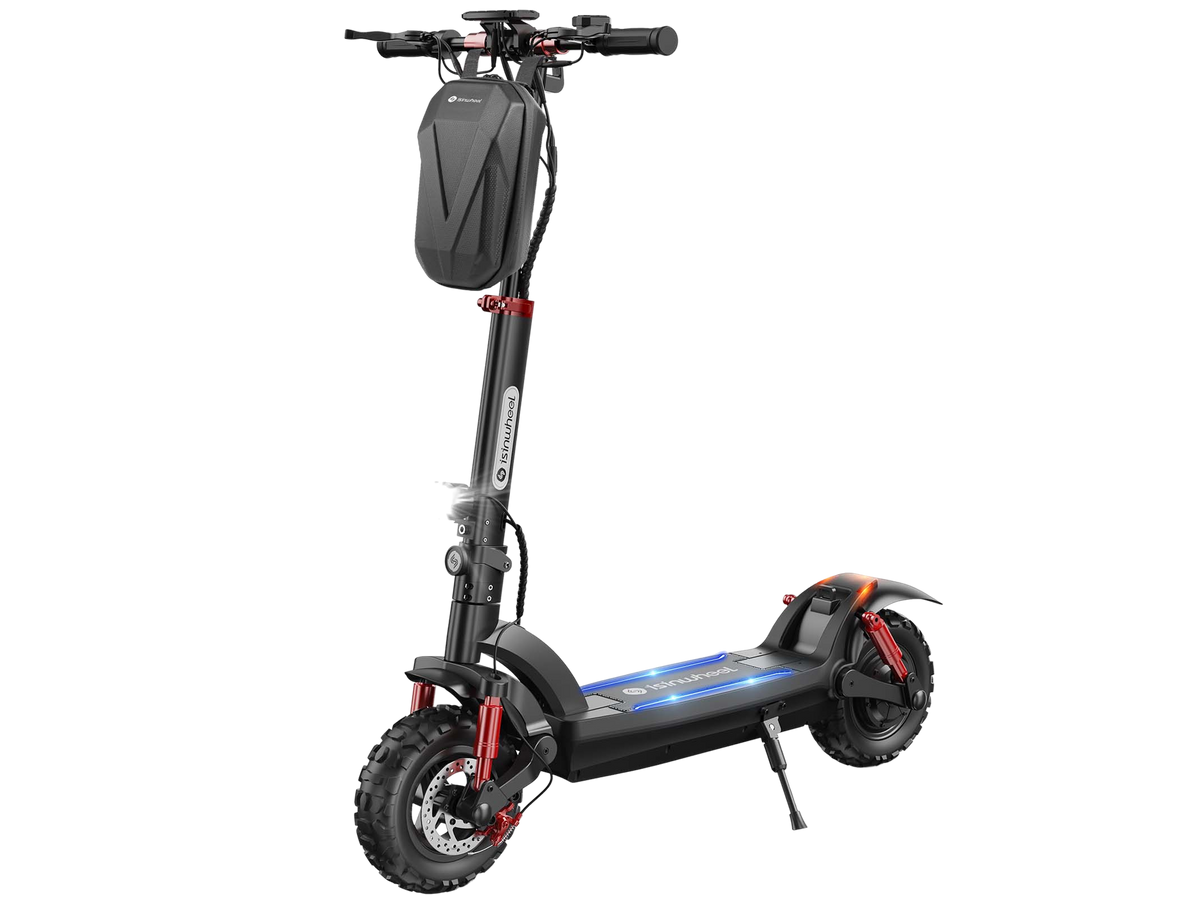
An off-road electric scooter is designed for rougher surfaces, looser traction, and more demanding climbs. For a beginner, that does not always mean extreme trail riding. It often means cracked pavement, gravel connectors, park roads, dirt paths, and hilly routes where a basic commuter setup may feel underpowered.
- Best for: mixed surfaces, uneven ground, and steeper grades
- What you feel: more planted handling, stronger acceleration, and more bump control
- What matters most: tire size, suspension, brakes, and hill confidence
The Isinwheel GT2 fits this middle ground well. The official product page lists a 1000W motor, 48V 15Ah battery, 37-mile maximum range, 11-inch off-road pneumatic tires, front and rear disc brakes with EABS, 35% climbing ability, and a 53-pound net weight.
Where the tradeoff shows up in real life
This is where many first-time buyers get it wrong. A commuter model usually rewards convenience, while an off-road setup rewards stability and grip.
- Weight: lighter scooters are easier for apartment stairs and trunk loading; heavier scooters usually feel steadier at speed
- Tires: smaller urban tires feel quicker on pavement; larger off-road tires smooth out broken ground
- Power: higher output helps on hills, but too much acceleration can feel intimidating when you are new
The GT1 2026 New Urban Commuter Electric Scooter sits between pure commuting and aggressive off-road use. Its official page highlights an 800W motor, 28 mph top speed, 48V 10.4Ah battery, and upgraded swingarm suspension for smoother city riding.
How should a beginner choose between daily commuting and weekend adventure?
You do not need a perfect spec sheet. You need a scooter that matches the surface, distance, and storage reality you deal with most weeks.

Start with your real riding surface
Look at the route you ride 80% of the time, not the route you imagine riding once a month.
- Smooth streets and bike-lane commuting favor commuter models
- Gravel shortcuts, uneven park roads, and rough shoulders favor off-road tires and stronger suspension
- Steep hills increase the value of higher motor output and better braking
If your riding is mostly pavement with occasional rough patches, a model like the S Nova Pro or urban GT1 usually makes more sense than jumping straight to a heavier outdoor adventure scooter. If loose surfaces are routine, the GT2 or GT1 Dual is the safer fit.
Decide how often you carry it
Storage and carrying effort matter more than many beginners expect.
- Apartment stairs punish heavy frames quickly
- Car trunks favor folding simplicity over maximum power
- Garage-stored scooters can tolerate more weight and size
The S Nova Pro weighs 60.4 pounds, while the GT2 is listed at 53 pounds. That does not automatically make one better; it tells you to think honestly about your stairs, doorway clearance, and daily lifting routine.
Key buying factors that matter more than marketing hype
Once you narrow the use case, a few practical signals tell you much more than flashy claims.
Range, battery, and charging reality
Battery size affects how relaxed your ownership feels. The S Nova Pro uses a 48V 13Ah battery and lists 6 to 7 hours of charging time, while the GT2 uses a 48V 15Ah battery with a 5 to 7 hour charge time.
What to check:
- Keep a 20% to 30% buffer beyond your normal trip
- Choose more battery if your route includes hills or frequent full-throttle riding
- Faster recharging matters if you ride twice in one day
Power and control for new riders
More power is useful, but smooth control matters more for first rides. The S Nova Pro pairs commuter-friendly features with a 600W rated motor, while the GT2 and GT1 Dual move toward stronger hill and mixed-surface performance. The GT1 Dual page specifically highlights dual 800W motors and dual-motor mode support.
Weight limit and frame practicality
Load rating affects performance, not just safety margin. The S Nova Pro lists a 264-pound max load, while the GT2 lists 330 pounds. Heavier riders, backpacks, and rougher terrain all make that number more important.
A simple product path for beginners using Isinwheel options
If you want a clear internal comparison set, think in terms of route first and performance second.
Best fit for rougher recreational riding

Pick the GT2 if you want an off-road electric scooter that still feels realistic for mixed daily use. Its 11-inch tires, 1000W motor, and 37-mile claimed range make it a sensible beginner upgrade for gravel paths, broken pavement, and hills. Move to the GT1 Dual when rough terrain and stronger acceleration are bigger priorities, since the official page emphasizes dual 800W motors, dual suspension, and 10-inch off-road tires.
Smart riding habits and setup checks matter more than extra speed
The safest beginner move is building repeatable habits before chasing performance. The CPSC advises wearing a helmet, riding one person per scooter, and checking weight and age limits, while its 2017-2024 micromobility report says only 18% of injured riders in reviewed cases reported wearing a helmet.
Best practices for first-time ownership
- Wear a properly certified helmet every ride
- Practice braking in an empty parking lot before traffic use
- Check lights, tire condition, and battery before leaving
- Recheck tires and visible fasteners weekly
- Start on low-traffic routes until stopping and turning feel automatic
Common mistakes to avoid early
- Buying for top speed instead of route type
- Ignoring weight before ordering
- Using a trail-oriented scooter for stair-heavy daily storage
- Riding wet, unknown surfaces too aggressively
Fire safety matters too. The CPSC warns that lithium-ion batteries can become hazardous if damaged, improperly charged, or used with the wrong equipment, so stick with the charger supplied for your scooter and stop using any pack that overheats, swells, or smells unusual.
Conclusion
For most electric scooters for beginners, the right answer is not the most powerful model. It is the one that fits your weekly route, your storage situation, and your confidence level on day one. Commuter scooters reward convenience and repeatability, while off-road models reward grip, stability, and hill confidence.
If you mainly ride paved streets, stay on the commuter side with the S Nova Pro or urban GT1. If your routine includes rougher surfaces and climbing, the GT2 or GT1 Dual will usually be the smarter match. That is the simplest path to affordable electric scooter ownership that still supports eco-friendly transportation and green commuting solutions.
FAQ
Should I choose an e-scooter or an e-bike for commuting in the city, considering value for money?
An e-scooter offers better value for short, last-mile city commutes and tight storage space. An e-bike is a smarter investment for longer daily rides, greater comfort, or carrying cargo. If you are seeking practical, budget-friendly choices, Isinwheel provides affordable electric scooters and e-bikes for green urban travel. However, for quick daily trips in dense city settings, a commuter scooter remains the most cost-effective solution.
How do I select an electric scooter for outdoor adventures and rough terrain for $800 or less?
Start with tire size, braking system, motor output, and total weight before you look at styling. For rougher riding, you should look for at least 10-inch tires, strong suspension, and enough motor power to avoid bogging down on climbs or loose ground. In Isinwheel’s current range, the GT1 Dual is the clearest value-oriented off-road recommendation because it is positioned around dual 800W performance and 10-inch off-road tires. If your terrain is only moderately rough, the GT2 may be the easier all-around step up.
How does an off-road electric scooter under $800 compare to an e-bike for adventure?
An off-road electric scooter under $800 is usually lighter, more compact, and easier to carry, making it a fun electric ride for outdoor adventure on light trails, gravel, and mixed urban paths. An e-bike in the same price range typically gives you better range, more climbing support, and a more stable ride on rough terrain, so it often suits longer weekend routes and beginners who want extra confidence. If your adventure means portability and lower cost, an off-road electric scooter is a practical micro-mobility choice; if you want comfort, endurance, and stronger all-terrain ability, an affordable electric bike is often the better fit. For either option, focus on battery range, tire size, suspension, braking, and electric scooter safety features before choosing.
How often should a beginner maintain an electric scooter?
A quick pre-ride check should happen every single ride. You should confirm brake response, tire condition, battery level, and lighting in under two minutes before heading out. Once a week, inspect tire pressure, folding hardware, visible bolts, and any new noises after riding. If you ride on gravel or dirt, clean and inspect the scooter more often because dust and impacts can hide wear.
Which scooter type is best for short-distance commuting for beginners?
A commuter scooter is usually best for short-distance city travel because it is easier to store, easier to carry, and more comfortable in stop-and-go settings. Look for a setup with pneumatic tires, dependable brakes, and enough range to avoid frequent charging even if your ride is only a few miles each way. In Isinwheel’s lineup, the S Nova Pro and the urban GT1 are the most natural starting points for paved commuting. If stairs and daily carrying are part of your routine, avoid moving into the heavier off-road category too early.
How do I know when an off-road scooter is worth it?
An off-road scooter is worth it when rough surfaces are a regular part of your week, not just an occasional idea. If your route includes gravel, broken pavement, steep grades, park roads, or dirt connectors, larger tires, stronger suspension, and more motor output make a real difference. You will also notice the benefit if you want a more planted feel at speed or under a heavier rider load. If 80% of your riding is smooth pavement, though, a commuter model will usually be easier to live with.
Table of Contents
- Which electric scooter for beginners fits your first ride best?
- Commuter and off-road electric scooters solve different beginner problems
- How should a beginner choose between daily commuting and weekend adventure?
- Key buying factors that matter more than marketing hype
- A simple product path for beginners using Isinwheel options
- Smart riding habits and setup checks matter more than extra speed
- Conclusion
-
FAQ
- Should I choose an e-scooter or an e-bike for commuting in the city, considering value for money?
- How do I select an electric scooter for outdoor adventures and rough terrain for $800 or less?
- How does an off-road electric scooter under $800 compare to an e-bike for adventure?
- How often should a beginner maintain an electric scooter?
- Which scooter type is best for short-distance commuting for beginners?
- How do I know when an off-road scooter is worth it?



Share:
GT1 vs GT2: Which Electric Scooter Should Riders Choose?
2026 Beginner-Friendly Electric Scooter Picks: Commuting vs. Off-Road Use