


Introduction
Tired of watching your battery meter nosedive halfway to work, then spending the rest of the ride hunting for an outlet? When you pick the wrong Electric Scooters setup, you do not just lose range. You lose time, arrive sweaty from slow hill climbs, and start treating your scooter like a weekend toy instead of a real scooter for urban commuting.
This list narrows the best electric scooters for commuting down to three beginner-friendly choices that balance long battery range, usable power, and everyday safety. You will see which one fits short, flat loops, which one is built for longer rides and rougher streets, and which one keeps things simple with a familiar ecosystem. Then we will walk through the quick buying logic so you can choose fast and ride confidently.
3 Beginner-Friendly Commuter Picks (Range + Power)
1: S Nova Commuting Electric Scooter (iSinwheel)

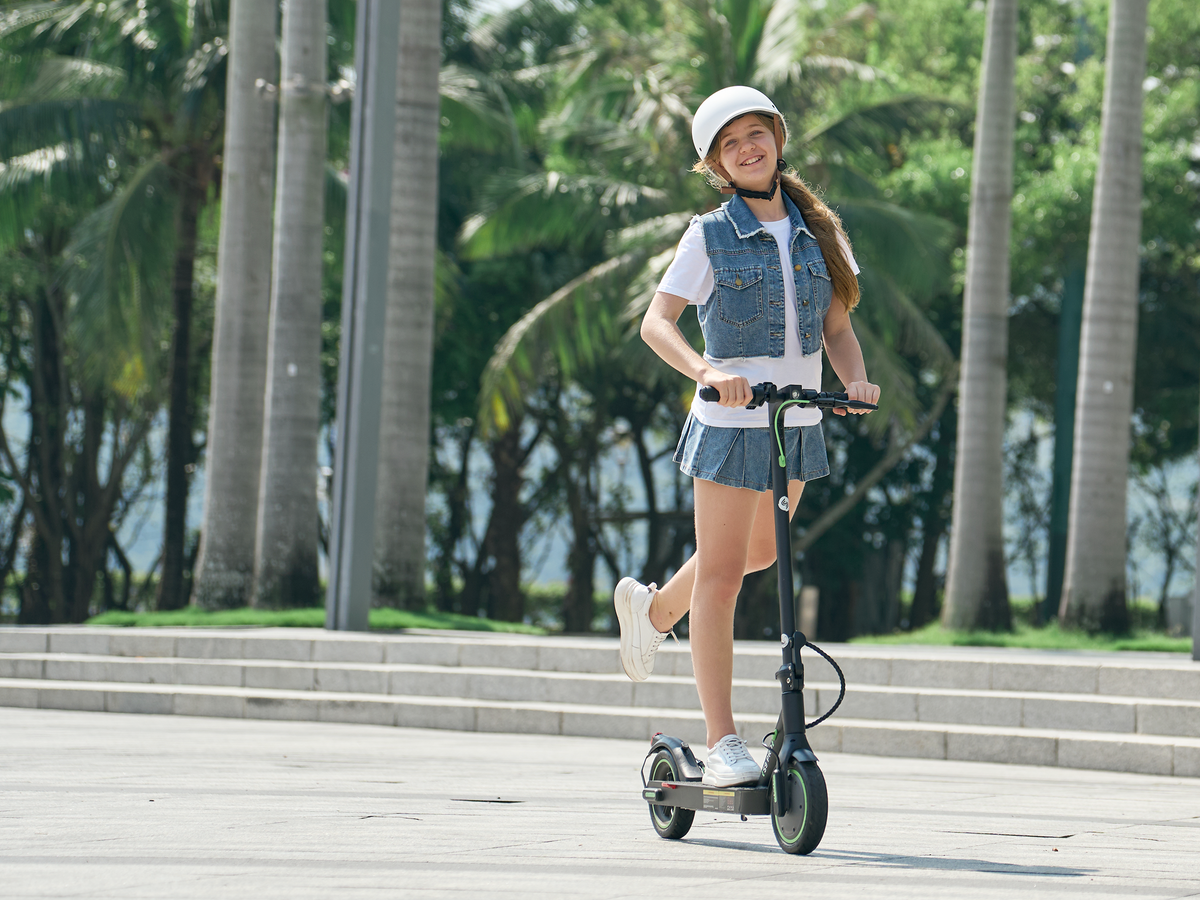
If you are new to Electric Scooters and you want a predictable daily rider for city streets, the S Nova is the straightforward pick. It targets short commuter loops where foldability, stable braking, and simple app control matter more than chasing maximum speed. For eco-friendly transportation alternatives, this is the kind of scooter you can keep by the door and actually use.
- Best for: first-time riders, short daily commuting, campus rides
- Max range: 19 miles
- Top speed: 20 MPH
- Battery: 36V 7.8Ah lithium-ion battery
- Charging time: 4 to 5 hours
- Motor: 500W rated (600W max power)
- Tires and comfort: 8.5-inch pneumatic tire plus front and rear dual suspension
- Braking and visibility: front and rear disc brake, bright headlight, ambient light, smart turn signals
- Practical note: IPX4 water resistance; plan to avoid heavy rain
Why it wins: For green commuting solutions, you want a scooter that feels calm at real commuting speeds. The S Nova leans into that with manageable power, pneumatic tires for grip, and dual suspension to reduce fatigue on rough pavement. It is also an easy entry point into Isinwheel electric scooters if you are reading Isinwheel reviews and want a lower-commitment first step.
Shop: S Nova Commuting Electric Scooter
2: iSinwheel H7Pro 1200W High-End Commuting Electric Scooter with Seat (iSinwheel)

If you are worried about range anxiety, heavier loads (backpack, groceries), or routes that include steep sections, the H7Pro is the power-and-comfort move. It is closer to what many people imagine when they think of electric mobility solutions for real transportation, not just last-mile fun. The seat, basket, and mirror kit also make it feel more like an electric transportation for families tool when errands are part of your routine.
- Best for: longer commutes, hillier routes, comfort-first riders
- Motor: 1200W
- Top speed: 38 MPH; four-speed modes (L 9 MPH, E 19 MPH, S 28 MPH, S+ 38 MPH)
- Hill ability: up to 25 degrees
- Max range: 43 miles
- Battery: 48V 18.2Ah lithium-ion battery
- Charging time: 8 to 9 hours with one charger; 4 to 5 hours with two chargers
- Tires and ride: 16 x 4-inch all-terrain pneumatic tire, dual hydraulic suspensions
- Braking: EABS brake plus disc brake
- Security and controls: app and NFC card unlock; turn signals and multi-color ambient lights
- Load limit: 330 lbs; frame material: aluminum alloy
Why it wins: Beginners often overbuy top speed, but underbuy stability and comfort. The H7Pro flips that by pairing real battery capacity with big tires and hydraulic suspension, so rough streets and longer distances feel less punishing. For sustainable electric vehicles in 2026, it is also a practical bridge product if you are considering E-bikes or electric mopeds later and want a stable platform now.
Shop: iSinwheel H7Pro 1200W High-End Commuting Electric Scooter with Seat
3: Ninebot eKickScooter E2 Plus II (Segway)
If you want the simplest path to a predictable starter scooter, Segway Ninebot is a common default because the product ecosystem is familiar and the specs are intentionally conservative. That makes the E2 Plus II a reasonable beginner choice for short, mostly flat commutes where you value steady handling over raw power.
- Best for: lighter-duty commuting, flatter cities, “set it and forget it” riding
- Max speed: approx. 15.5 mph
- Range at max speed: approx. 12.4 miles
- Rider limit: 198 lbs (90 kg)
- Water resistance: IPX4
Why it wins: In the real world, beginner confidence often comes from smooth acceleration and predictable braking, not higher watt numbers. This scooter stays inside a controlled performance envelope, which can be a plus if you are learning traffic scanning, braking distance, and wet-pavement habits.
Shop: Ninebot KickScooter E2 Plus II
Buying Guide: How to Choose for Range and Power
How much real-world range do you need?
Advertised max range is a best-case number, so build a buffer into your plan. A simple commuting rule is to size your Electric Scooters range to at least 2x your one-way miles, because wind, colder mornings, and stop-and-go intersections all cut efficiency.
Use this quick checklist: - One-way distance: multiply by 2 for round trip - Add 20% to 40% buffer for cold, hills, headwind - If you cannot charge at work, add another 10% to 20%
What power is enough for hills and headwinds?
Motor watts matter, but hill performance depends on system tuning and the load you carry. For a scooter for urban commuting, you want enough torque to avoid slow, wobbly uphill riding. As a starting point:
- Flat routes: moderate power feels smoother for beginners
- Mixed terrain: look for clear hill rating (percent or degrees)
- Frequent hills with a backpack: pick higher power and larger tires
On the H7Pro, the 25 degree climbing claim and the larger 16 x 4-inch tires are designed for this kind of “real commute” use case. (isinwheel.com)
What makes an e-scooter feel safe for beginners?
Safety is not one feature. It is the stack: predictable braking, visibility, and stability at the speeds you actually ride. In March 2026, Oregon Health Authority reported e-scooter injuries more than doubled between 2021 and 2025 in Oregon, which is a reminder that beginner-friendly control matters as much as speed. (oregon.gov)
Prioritize these Electric scooter safety features: - Dual braking (electronic plus mechanical, or dual mechanical) - Front lighting and a bright rear light - Turn signals if you will ride in traffic - Suspension or larger tires if your pavement is rough
Battery basics: why lithium-ion matters
Nearly all modern Electric Scooters use lithium-ion battery packs because they can store more energy per pound than many alternatives. The practical takeaway is simple: higher voltage and higher amp-hours generally support better hill performance and longer rides, but they also increase weight and charging time.
For commuting comfort, match battery size to your routine: - Short rides: smaller packs recharge faster - Long rides: larger packs reduce daily charging stress - Portable charging: plan your outlet access at home and work, because scooters rarely support true “fast charging” like EVs
Practical commuting tips (so range stays consistent)
If your range feels inconsistent week to week, it is usually maintenance and riding style, not a defective battery. Use these habits to keep best electric scooters for commuting performing like they should:
- Keep tire pressure in spec (low pressure = drag)
- Accelerate smoothly; avoid full-throttle launches
- Use lower speed modes when range matters
- Store indoors when possible; cold reduces battery output
Common beginner mistakes to avoid
Most first-time buyers miss one of these, then regret the purchase within two weeks.
- Buying for top speed instead of controllable acceleration
- Ignoring net weight if you must carry it upstairs
- Skipping a lock plan and basic electric scooter accessories
- Underestimating hills and headwinds on the commute
Comparison Table
Quick side-by-side: which one fits your commute?
| Model | Max range | Top speed | Battery | Tires | Suspension | Brakes | Water rating | Best for | Trade-offs | Accessories to add |
|---|---|---|---|---|---|---|---|---|---|---|
| S Nova Commuting Electric Scooter | 19 mi | 20 MPH | 36V 7.8Ah | 8.5 in pneumatic | Dual suspension | Dual disc | IPX4 | Short city commutes | Heavier than expected | Lock, helmet, pump |
| iSinwheel H7Pro with Seat | 43 mi | 38 MPH | 48V 18.2Ah | 16 x 4 in pneumatic | Dual hydraulic | EABS + disc | IPX4 | Long rides, hills | Very heavy (102 lbs) | Lock, mirrors, gloves |
| Ninebot E2 Plus II | 12.4 mi | 15.5 MPH | 220 Wh | Hollow tires | Front suspension | E-brake + drum | IPX4 | Flat, short commutes | Limited hills, shorter range | Lock, rear light |
Conclusion
If you want a beginner-friendly, practical commuter scooter and your route is mostly flat to mildly mixed, the S Nova is the simple, budget-aware start for eco-friendly transportation. If you want maximum range and real power for hills, longer miles, or rougher streets, the iSinwheel H7Pro is the strongest “commute-first” choice in this shortlist. If you want conservative speed and a familiar ecosystem for short, flatter rides, the Ninebot E2 Plus II is a reasonable pick.
Official Site: iSinwheel
FAQ
What is a realistic commuter range versus advertised max range?
A realistic commuter range is usually 60% to 80% of the advertised max range because temperature, hills, frequent stops, and higher speeds all increase power draw. If your city has rough pavement or you ride into headwinds, expect the lower end of that window. For commuting reliability, choose a scooter with at least 2x your one-way distance so you still have a buffer when conditions get worse. If you can charge at work, you can size closer, but you should still keep at least a 20% cushion.
How do I choose power for hills without buying too much scooter?
Choose power based on your steepest hill and your total riding load (you plus backpack), not on the highest top-speed number. On sustained climbs, a scooter with too little torque will slow down sharply, which can feel unstable for beginners and increase risk in traffic. If your route is mostly flat, moderate power is often easier to control and can extend battery life. If your route includes real hills, prioritize a model that states its climbing ability and pairs it with larger tires for traction.
Which braking setup is safest for a beginner commuter?
The safest beginner setup is one that stops predictably and does not rely on perfect hand control under stress. A dual system (electronic plus mechanical, or two mechanical brakes) gives you redundancy if one system fades or loses grip. You should also look for a strong headlight and a bright rear light so drivers see you earlier in dawn and dusk commutes. Before your first week of commuting, practice 10 to 15 hard stops on a quiet street to learn how the scooter behaves at different speeds.
Do I need suspension and pneumatic tires for city commuting?
You do not strictly need suspension and pneumatic tires, but they make commuting safer and less tiring on cracked pavement, sidewalk seams, and rough bike lanes. Pneumatic tires usually improve grip and comfort, while suspension reduces how much the bars and deck kick back into your arms and knees. The trade-off is maintenance because pneumatic tires need pressure checks and can puncture. If you commute on smoother asphalt and want low maintenance, solid or hollow tires can work, but expect a harsher ride.
What accessories actually help range and safety day to day?
A quality lock and a properly fitted helmet provide the biggest safety improvement per dollar for daily commuting. A bright supplemental rear light and reflective gear help most in low-light traffic, where you are otherwise easy to miss. A phone mount can help navigation, but you should position it so you can glance without staring down and drifting. If your scooter uses pneumatic tires, a compact pump and a tire repair kit are the two accessories most likely to save your commute.
How should I charge and store a lithium-ion scooter battery?
Charge in a dry, temperate indoor space and avoid leaving the battery at 0% for long periods because deep discharge can accelerate long-term capacity loss. If you will not ride for a few weeks, storing the scooter around 40% to 70% charge is generally easier on battery health than storing it fully full or fully empty. Let the scooter cool for 20 to 30 minutes after a hard ride before charging if the battery area feels warm. Use the provided charger and keep the charging port clean and dry to reduce corrosion and intermittent charging issues.
Table of Contents
- Introduction
- 3 Beginner-Friendly Commuter Picks (Range + Power)
- Buying Guide: How to Choose for Range and Power
- Comparison Table
- Conclusion
-
FAQ
- What is a realistic commuter range versus advertised max range?
- How do I choose power for hills without buying too much scooter?
- Which braking setup is safest for a beginner commuter?
- Do I need suspension and pneumatic tires for city commuting?
- What accessories actually help range and safety day to day?
- How should I charge and store a lithium-ion scooter battery?

Share:
3 Easy-to-Ride Family Scooters for Neighborhood Errands Under $500
Dual Motor Electric Scooter: Why More Riders Are Upgrading to the isinwheel GT1 Dual