


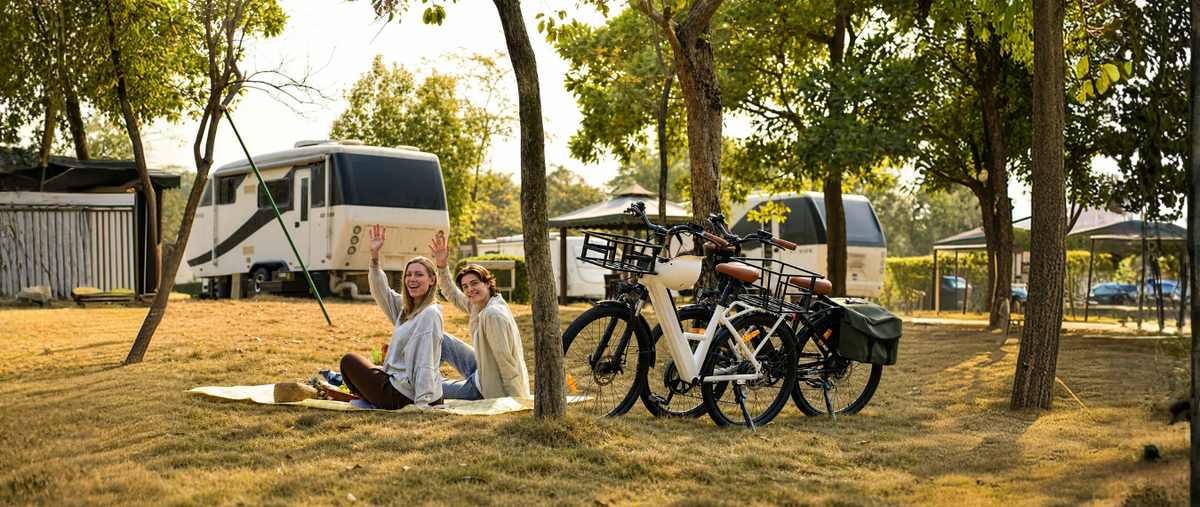
Electric Scooters or Electric Bikes: Make the Wet-Route Decision
For a four-mile trip on wet city streets, control depends on tire condition, predictable braking, lighting, and a route free of standing water. isinwheel commuter electric scooters suit riders who need compact indoor storage, while electric bikes may feel more familiar because of their seated posture and larger wheels. Neither is designed for flooded streets, and heavy rain is a reason to choose another ride.
Electric scooters are usually the better scooter for urban commuting when you can fold or store the vehicle indoors at both ends. Electric bikes can be a stronger fit for hillier routes, riders carrying a bag, or anyone who wants pedal assistance. In either case, reduce speed well before painted lines, metal covers, wet leaves, and crosswalk markings.
Top Electric Scooters for a Four-Mile Rainy Commute
1. isinwheel S Nova Electric Scooter

The isinwheel S Nova Electric Scooter fits a rider whose four-mile route includes cracked pavement, driveway transitions, and uneven sidewalk ramps. Its pneumatic tires and dual suspension can soften everyday bumps, but the trade-off is regular tire-pressure checks and a heavier 49.2-pound scooter to carry upstairs. Its IPX4 rating helps with splashes, not deep water or prolonged rain exposure.
- Wet-route strengths: 8.5-inch pneumatic tires, front-and-rear disc brakes, turn lights, and headlight support controlled, visible city riding.
- What to watch: Air-filled tires need inspection before riding; slow down rather than relying on suspension to solve slick-road traction.
2. S9 Pro Electric Scooter 19 Miles

S9 Pro Electric Scooter 19 Miles is the compact choice for a mostly flat commute where folding and low tire maintenance matter more than maximum ride cushioning. Its solid honeycomb tires eliminate inflation checks and reduce flat-tire risk, although they transmit sharper bumps and do not create extra grip on wet surfaces. The 27.5-pound listed weight also makes indoor storage more manageable.
- Commuter equipment: 350W motor, EABS, rear disc brake, turn signals, headlight, and rear brake light.
- Range planning: Stated range is up to 19 miles; leave a battery buffer instead of routinely arriving nearly empty.
- What to watch: Brake early and ride gently over wet paint, leaves, utility covers, and slick lane markings.
3. isinwheel S10Max Electric Scooter
isinwheel S10Max Electric Scooter is for riders who combine a short weekday commute with longer errands or an electric ride for outdoor adventure. Its larger tires, enhanced suspension, wider deck, and higher stated capacity improve comfort on rougher pavement. However, stronger acceleration does not improve wet-road traction; smooth throttle inputs and extra stopping distance still matter.
- Capacity: 1000W motor, 48V 15Ah battery, and stated range up to 37 miles.
- Surface support: 10-inch pneumatic tires, dual suspension, and a 7.5-inch deck offer more room for foot placement.
- What to watch: A 7–8 hour stated charge time requires overnight planning only in a dry, attended charging area.
Compare Electric Scooters and Electric Bikes for Rain
Focus on the actual route
Electric bikes may feel steadier to riders who prefer a saddle, pedal assistance, and larger wheels. Electric scooters can be simpler to park and carry indoors, which supports green commuting solutions in apartments and offices with limited bike storage. The safer choice is the one you can control confidently at reduced speed, maintain properly, and keep out of heavy rain.
Build visibility into every ride
Rain makes you harder for drivers to see and makes hazards harder for you to spot. NHTSA emphasizes defensive, predictable riding and properly fitted helmets for bicycle safety; those habits also apply to scooters sharing urban streets.
Keep water and charging separate
Do not ride through standing water, flooded intersections, or puddles that could conceal potholes. The isinwheel limited warranty excludes damage caused by prolonged exposure to rain and water submersion, so dry storage is part of responsible ownership.
After a wet ride, wipe the deck, tires, lights, and charging-port area dry. CPSC advises using the supplied charger, staying present while charging, and never charging a micromobility device while asleep.
A Four-Point Pre-Ride Check for Wet Streets
Check before leaving
- Test each brake at walking speed before entering traffic.
- Inspect tires for cuts, embedded debris, and proper inflation where applicable.
- Confirm headlight, brake light, turn signals, and battery level.
- Check the forecast and select transit, a carpool, or another option during heavy rain.
Fix common rainy-commute problems
| Problem | Likely cause | Practical response |
|---|---|---|
| Longer stopping distance | Wet pavement or worn brakes | Slow earlier; inspect brake response before the next ride. |
| Wandering steering | Low tire pressure or debris | Check the tires and avoid puddles that hide debris. |
| Weak visibility | Rain, dusk, or dirty lights | Clean lights and use reflective clothing. |
| Charging concern | Moisture around the scooter | Dry it fully; do not charge damaged equipment. |
Conclusion
For occasional light rain, a foldable scooter is practical when indoor storage is your priority, while an e-bike may feel more natural on hills or longer routes. The S Nova favors suspension comfort, the S9 Pro favors compact, low-maintenance commuting, and the S10Max adds range and a wider riding platform. Check state and local rules before riding; electric mobility solutions are regulated differently by location.
FAQ
Should I choose an e-scooter or an e-bike for commuting in the city, considering value for money?
For a 4-mile city commute, an e-bike usually offers better value for money if you want more comfort, stability, and versatility in wet conditions. Its larger wheels, seated riding position, and ability to pedal home if the battery runs low can make it a practical choice for regular green commuting solutions. Choose an e-scooter if portability, easy storage, and short-distance convenience matter most; look for reliable brakes, LED lighting systems, appropriate water-resistance ratings, and tires suited to wet streets. Isinwheel electric scooters and affordable electric bikes can be worth comparing based on your route, storage space, and local rain conditions.
Is an e-bike safer than an electric scooter for commuting in urban areas, considering safety features and price?
For most urban commuters, an e-bike is generally safer than an electric scooter because its larger wheels, more stable riding position, and stronger braking performance handle potholes, wet streets, and longer rides more confidently. Electric scooters can still be a practical, lower-cost scooter for urban commuting when they include electric scooter safety features such as reliable brakes, bright LED lighting systems, pneumatic tires, and a wide deck, but riders need to slow down significantly on rain-slick pavement. Affordable electric bikes may cost more upfront, yet they can offer better control and comfort for daily green commuting solutions, especially when carrying a backpack or traveling on uneven roads. Choose based on route conditions: prioritize an e-bike for frequent rain, rough pavement, or higher-speed traffic, and choose a scooter for shorter, flatter commutes with secure storage and careful wet-weather riding.
Which is easier to control: an e-bike or an electric scooter for a beginner commuter?
For most beginner commuters, an e-bike is easier to control because its larger wheels, seated position, and familiar bicycle-style steering feel more stable on wet streets. Electric scooters are compact and convenient for a short urban commute, but their smaller tires and standing stance require more balance, especially when braking or turning in rain. Choose an e-bike if confidence and stability are your priorities; choose a scooter for urban commuting if portability matters most and you are comfortable practicing on dry pavement first. In either case, use low speed, smooth braking, and reliable electric scooter safety features such as bright LED lighting systems.
What should I do after riding an electric scooter in light rain?
Wipe down the deck, tires, lights, stem, and charging-port area, then store the scooter in a dry indoor space. Let any moisture around electrical areas dry completely before connecting the charger. Inspect the brakes and tire surfaces before the next ride, especially if the route included grit, leaves, or road debris.
Do solid tires or pneumatic tires work better on wet streets?
Neither tire type eliminates wet-road risk. Pneumatic tires can improve comfort over cracks and joints, while solid tires avoid pressure checks and flat-tire maintenance. For either type, clean tread, conservative speed, smooth braking, and avoiding painted or metal surfaces matter more than the tire construction alone.
Table of Contents
- Electric Scooters or Electric Bikes: Make the Wet-Route Decision
- Top Electric Scooters for a Four-Mile Rainy Commute
- Compare Electric Scooters and Electric Bikes for Rain
- A Four-Point Pre-Ride Check for Wet Streets
- Conclusion
-
FAQ
- Should I choose an e-scooter or an e-bike for commuting in the city, considering value for money?
- Is an e-bike safer than an electric scooter for commuting in urban areas, considering safety features and price?
- Which is easier to control: an e-bike or an electric scooter for a beginner commuter?
- What should I do after riding an electric scooter in light rain?
- Do solid tires or pneumatic tires work better on wet streets?

Share:
One Shared Family Scooter for Two Adults vs. Two Entry-Level Models: Cost, Fit, and Safety Trade-offs
Buying Your First Electric Scooter on a Tight Budget: How to Spot a Sketchy Brand in Under 5 Minutes