


Introduction
Missed a green light because you could not hop off the curb fast enough, then wasted 10 minutes hunting a place to stash your ride without it getting clipped or stolen? That is the daily-city reality, and the wrong choice between Electric Scooters and Electric Bikes turns small annoyances into real costs: late arrivals, sweaty commutes, sketchy braking in the rain, and a ride you stop using after a week.
This guide helps you pick the right setup quickly by matching your route, storage, and safety needs to the strengths of Electric Scooters versus E-bikes. You will walk through five practical steps, then sanity-check your decision with scenario variations, a prep-and-safety checklist, and a troubleshooting table. Along the way, you will see where Isinwheel electric scooters and Affordable electric bikes from iScooter fit naturally into green commuting solutions.
How to Decide Between an E-Bike and an Electric Scooter Step by Step
Step 1: Map your commute reality
Start with what your week actually looks like, not what you wish it looked like. Measure your door-to-door distance (including the last half-mile), note the steepest hill you have to climb, and circle the roughest road section. Then add a buffer for detours and bad weather. This is the fastest way to avoid range regret when comparing Electric Scooters and Electric Bikes.
Next, set a simple margin rule: plan to arrive with 20-30% battery remaining on an average day. That buffer matters because cold temps, headwinds, heavy backpacks, and stop-and-go traffic all reduce real-world range. If your commute includes broken pavement or frequent curb cuts, lean toward bigger pneumatic tires and suspension, because ride comfort is what keeps green commuting solutions consistent.
A practical fit check with iScooter options:
- If you are under about 10 miles round trip on smoother paths, an Electric Scooter for urban commuting can be the simplest.
- If you are closer to 10-20+ miles round trip or you want a seated backup when you are tired, Electric Bikes tend to win on daily consistency.
Step 2: Choose speed and stability needs
Pick your riding posture first, because it decides your stability and fatigue. A standing stance on Electric Scooters can feel nimble in tight bike-lane traffic, but it is less forgiving when you hit potholes or need to shoulder-check fast. A seated posture on Electric Bikes spreads your weight, helps you stay steady at higher speeds, and can be easier on your legs and lower back over repeated days.
To make the decision in a real way, do this: imagine the worst 60 seconds of your route. Maybe it is a downhill stretch into a busy junction, or a narrow cycle lane with drain covers. If you want the most stability and controlled cornering, an e-bike with pneumatic tires and a familiar bicycle stance usually feels more natural.
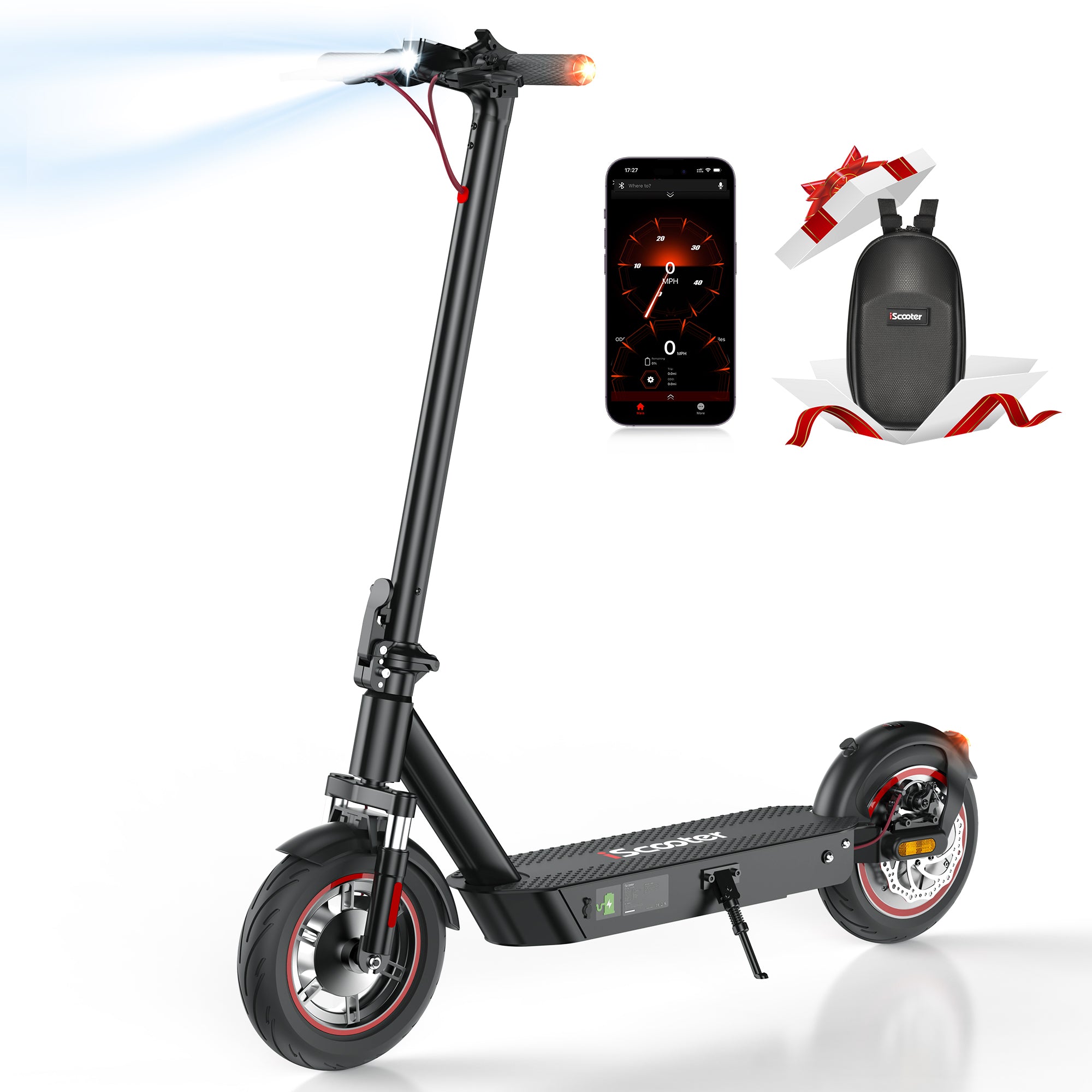
Where the iScooter i10Plus fits: its product page positions it as a commuter scooter, and the listing shows an i10Plus variant SKU ("i10plus-1") along with a 2000x2000 main image. For short-to-mid commutes, that is the style of "fast delivery electric vehicles" people like because you can roll it out, ride, and park it without dealing with chain oil or a bulky frame.
Shop: iScooter i10Plus 800W Electric Scooter
Step 3: Decide storage and portability
Lock this step first; otherwise the rest of the workflow becomes rework. Your storage constraints decide whether your ride becomes a daily habit or an occasional headache. Check three places: your home entryway, your workplace storage, and any stairs or lifts you must use. A ride that is hard to carry, fold, or secure gets skipped, and that defeats the point of eco-friendly transportation alternatives.
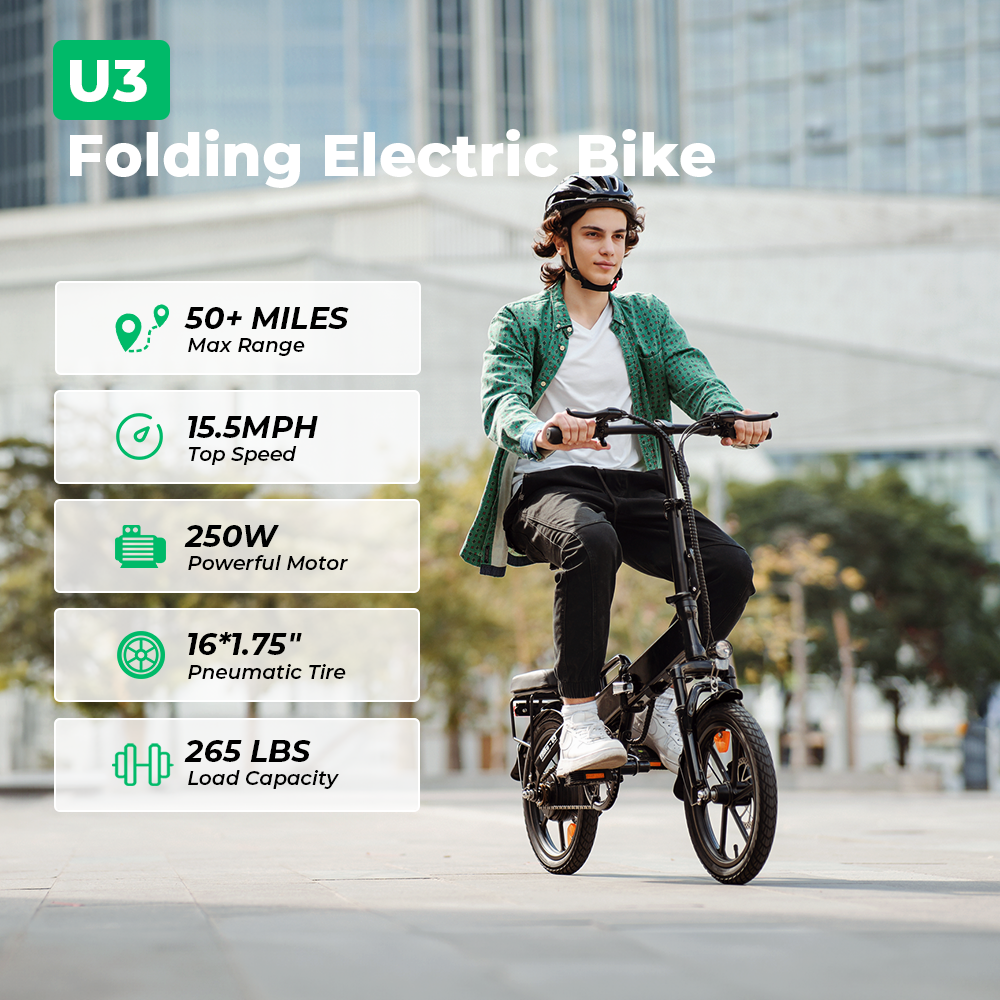
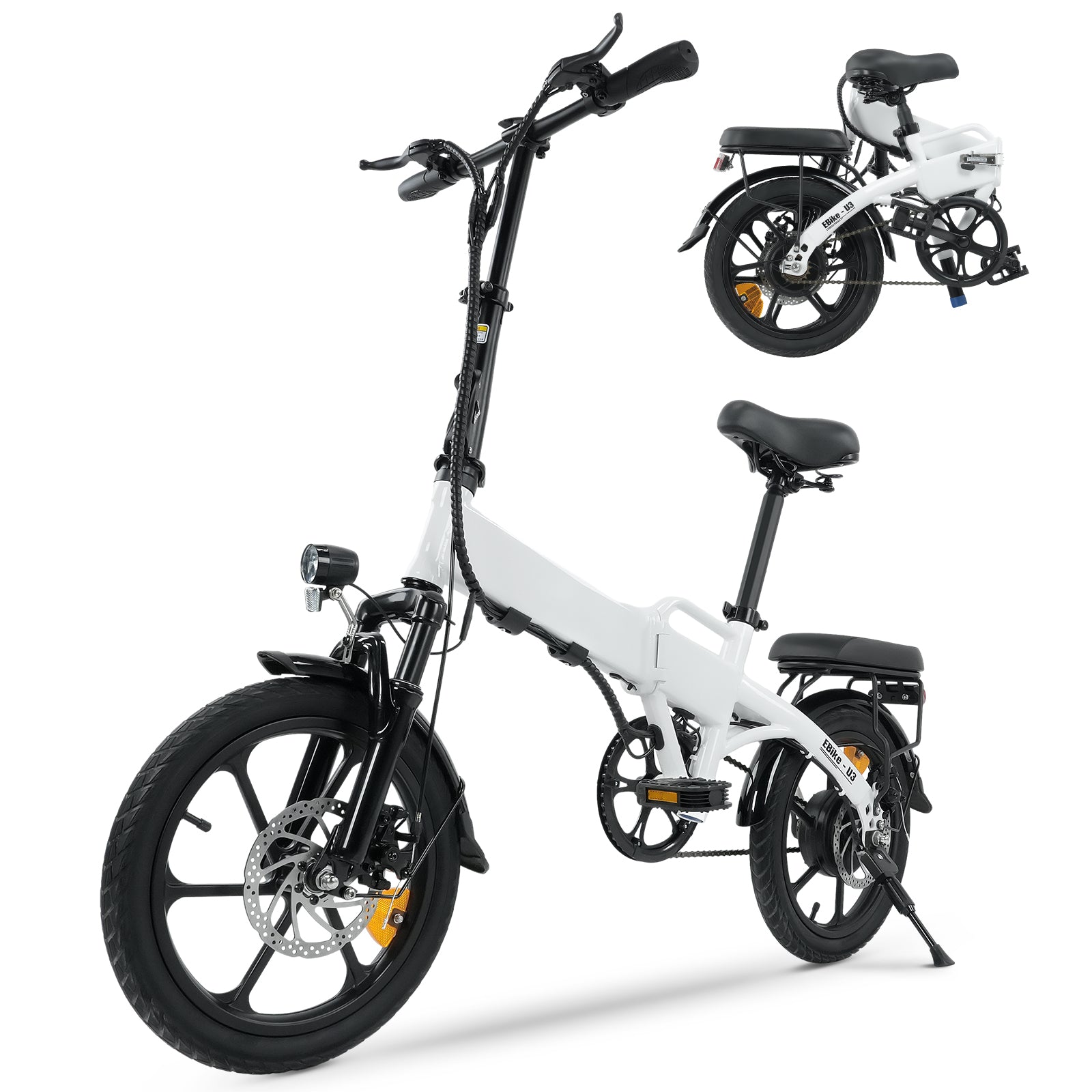
If you live in a flat with narrow stairs or you must bring your ride indoors, portability matters as much as range. The iScooter U3 technical specs page lists a bike weight of 51.4 lb (23.3 kg) and a folding alloy steel frame. It also lists a max load of 264 lb (120 kg) and a stated IP65 rating for the 36 V, 7.8 Ah battery, which is relevant if you sometimes roll through wet streets.
Quick decision rules for storage:
- If you must store under a desk: Electric Scooters often win.
- If you can park in a secure bike room: Electric Bikes become easier.
- If theft is a constant worry: pick what you can reliably bring inside.
Shop: Folding Electric Bike U3
Step 4: Check safety and braking setup
Do your safety setup before you obsess over top speed. In city traffic, stopping predictably matters more than going fast. Start by confirming you have a bright front light, a rear light that stays visible through spray, and brakes you can modulate smoothly (meaning you can add braking force in small, controlled amounts).
On paper, the iScooter U3 spec page calls out hydraulic 160 mm disc brakes front and rear, plus a suspension fork with adjustment and a 111-lumen LED front light. Hydraulic disc brakes are valuable on daily green commuting solutions because they maintain consistent lever feel in wet conditions compared with simpler braking systems. If you are regularly braking hard at intersections, this is the kind of detail that reduces the "surprise" factor.
Two quick safety checks you can do in under 3 minutes:
- Brake test: from a slow roll, squeeze both brakes gradually; you want smooth bite, not a grab.
- Visibility test: stand 50 feet behind the vehicle in dusk lighting; confirm the rear light is obvious.
Industry context that supports the bigger picture: the International Energy Agency notes that to align with a net zero pathway, CO2 emissions from transport must fall by more than 3% per year to 2030, which is why sustainable electric vehicles that people actually use daily matter.
Step 5: Match budget, upkeep, and value
Make your final call by comparing weekly upkeep friction, not just specs. Electric Scooters typically have fewer exposed drivetrain parts, so your routine may center on tire pressure, brake checks, and folding hinge inspection. Electric Bikes add bike-like maintenance, but they also give you a human-powered fallback. That matters when you forget to charge or you want an Electric ride for outdoor adventure after work.
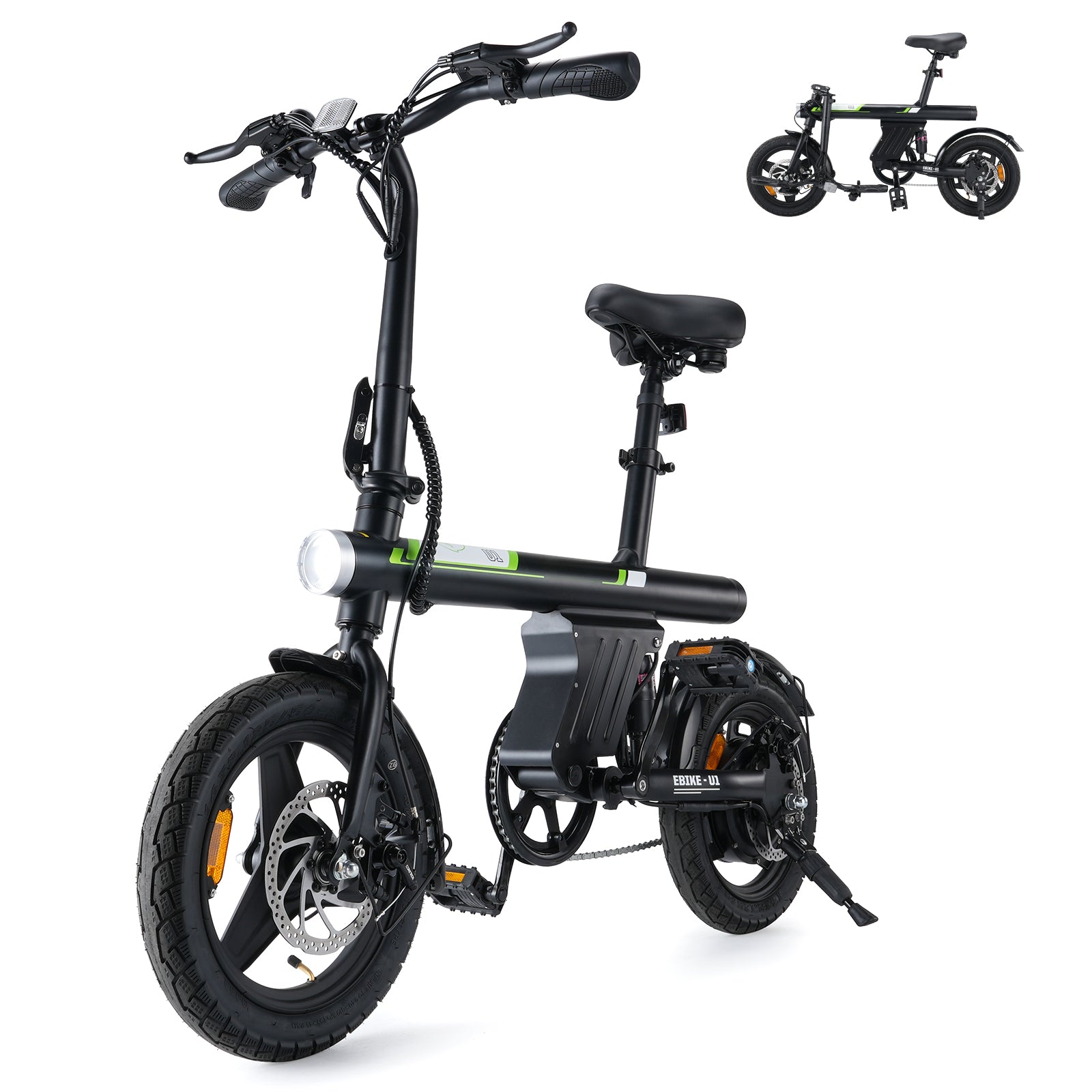
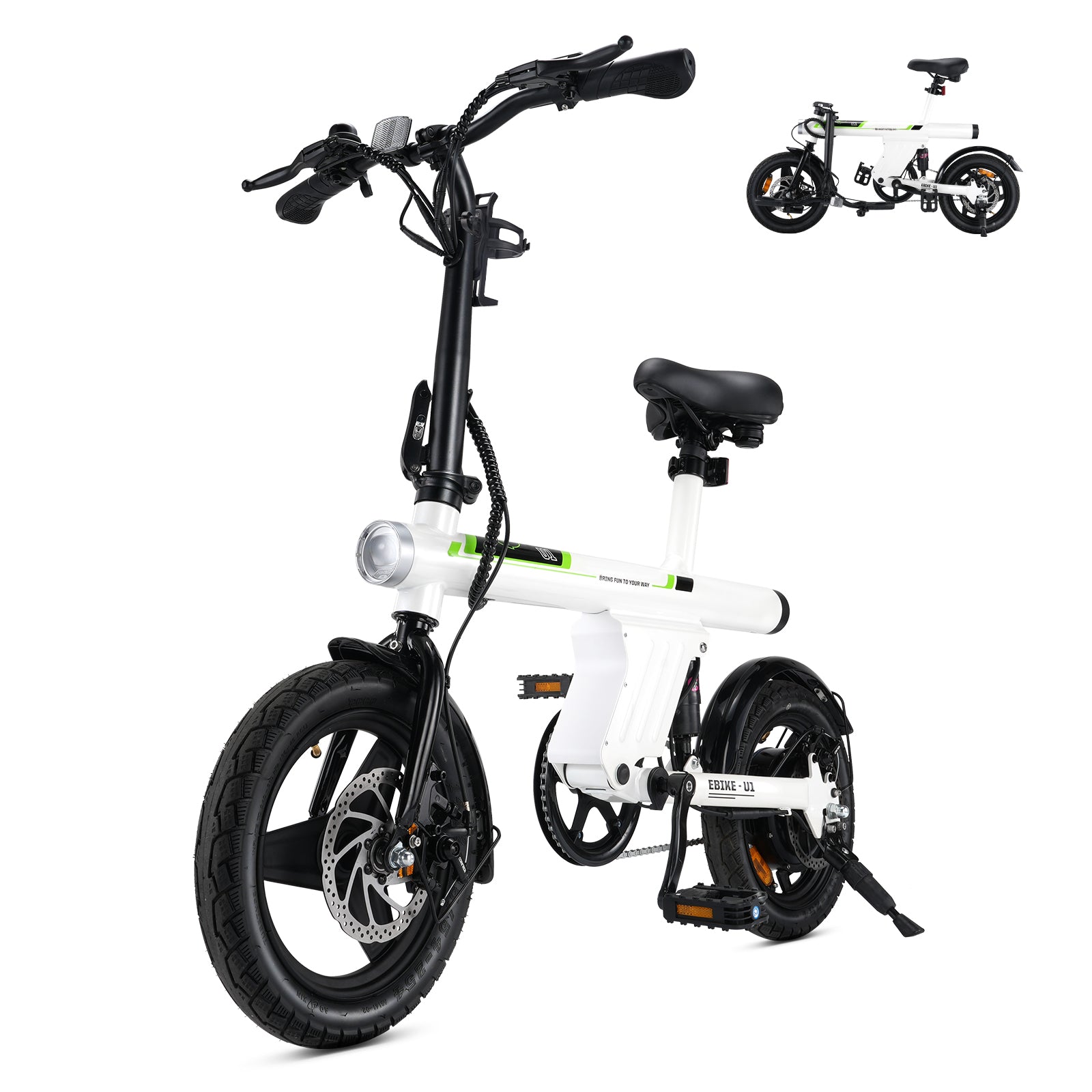
If you want an affordable, simple e-bike baseline, the iScooter U1 page highlights a 36 V 7.8 Ah battery and states up to 40 miles range, with a 3-4 hour recharge time. It also describes integrated lighting (headlight and taillight with brake-light indicator) and a folding design. That combination is a practical "Affordable electric bikes" pattern for people who want seated stability without turning commuting into a hobby.
Use this value checklist to avoid hidden frustration:
- Battery routine: can you charge at home or work reliably?
- Wear items: tires, brake pads, and grips are your real maintenance cycle.
- Weather plan: if it rains often, prioritize fenders, lights, and predictable braking.
Shop: U1 Foldable Electric Bike 500W
Adapting Electric Scooters and Electric Bikes to Different Scenarios
When you are close to a decision, run these quick scenario tests. They keep you from buying the right ride for the wrong day.
- Mixed transit days (bus or rail plus ride): prioritize foldability and fast carry. A Scooter for urban commuting often fits better because it can be handled in tight stations.
- Rough roads or frequent curb cuts: prioritize pneumatic tires and suspension. The U3 spec lists a suspension fork with adjustment, which helps reduce hand fatigue over broken pavement.
- Longer miles or strong headwinds: prioritize seated pedaling support. E-bikes let you add effort when the battery dips, which can be the difference between arriving calm or arriving cooked.
- Family errands: prioritize stability and payload. The U3 spec lists a 264 lb (120 kg) max load, which is useful when you add a backpack, lock, and groceries.
If your city rules allow it and your storage is tight, Electric Skateboards can be an eco-friendly transportation alternative for very short routes. For electric skateboards for beginners, choose conservative speed habits and prioritize protective gear because the smaller wheels amplify road defects.
What You Will Need Before You Start
Required Tools and Materials
Treat this as your "day-one" kit for Electric mobility solutions. It prevents the common failures that make people abandon otherwise good sustainable electric vehicles.
- Helmet: choose a correct fit and tighten the straps
- Front and rear lights: even if your ride includes lights
- Lock: match it to your theft risk
- Mini pump or inflator: keep tire pressure consistent
- Basic multi-tool: tighten folding hardware and controls
- Charging plan: outlet access at home or work
- Weather layer: windproof shell and gloves
Safety considerations
Make these habits automatic because city riding is repetitive, and repetition is where mistakes happen.
- Ride like you are invisible: assume cars do not see you
- Brake earlier in the wet: leave extra distance
- Keep tires inflated: low pressure causes wobble
- Avoid headphones in traffic: keep situational awareness
- Do a 20-second pre-ride check: brakes, lights, tire feel
On the sustainability side, use your daily trips as your primary impact lever. The International Energy Agency shows transport needs steep emissions reductions this decade, and practical green commuting solutions are the ones you will use consistently.
Troubleshooting Guide for Daily Commuting
| Problem | Likely cause | Fix |
|---|---|---|
| Range feels too short | Cold air, high speed | Lower mode, add 30% buffer |
| Wobble at speed | Low tire pressure | Inflate, inspect tire bead |
| Brakes feel weak | Pad wear, wet rotors | Dry rotors, replace pads |
| Folding feels loose | Hinge bolts settling | Retorque, recheck weekly |
| Headlight seems dim | Low battery state | Charge fully, check wiring |
If you see repeat brake fade or you must pull the lever to the bar, stop riding until you fix it. For daily Electric Scooters and Electric Bikes, braking is the single system you do not "ride through".
Conclusion
Deciding between Electric Scooters and Electric Bikes gets easy when you work in order: route reality, posture and stability, storage, braking and visibility, then upkeep. That sequence prevents the most common buyer mistake, which is picking the fastest spec instead of the easiest daily workflow.
Once you choose, do a short test loop for braking feel, turning confidence, and carry comfort. Then add the boring essentials (helmet, lock, pump, lights) because those are what keep your eco-friendly transportation habits consistent.
FAQ
Are there electric scooters that can be used for both work commutes and leisure? Yes, many Electric Scooters can cover both use cases if you size the scooter to your weekday route first. Make sure your real-world range comfortably exceeds your round-trip commute by 20-30% so weekend detours do not push you into low-battery stress. For leisure comfort, prioritize pneumatic tires and a stable deck stance so rough pavement does not wear you out. Finally, confirm you can store or lock it safely at both your workplace and your usual leisure stops.
How do I choose a reliable electric scooter for my daily office commute? Start by matching the scooter to your route surfaces, because comfort and control decide reliability more than headline speed. Look for consistent braking feel, strong lighting, and a folding mechanism that does not develop play over time. Plan your charging routine so you are not arriving at 5% battery every day, which accelerates frustration and reduces usable flexibility. Before committing, do a test that includes a few hard stops and a slow-speed weave, because that reveals wobble and brake modulation issues.
How do I choose an electric bike with the best battery for commuting? Choose based on your worst week, not your best day. Calculate your longest likely round trip, then add 20-30% for headwinds, cold, and stop-and-go traffic. If your commute includes hills, assume higher consumption and prioritize a battery that lets you finish without hitting the last bar. Also check whether the battery is easy to remove for indoor charging, because that single convenience often determines whether you charge consistently.
What is the most cost-effective scooter setup for urban daily use? The most cost-effective setup is the one that avoids repeated small failures like flats, weak lights, and inconsistent braking. Keep tire pressure in the recommended range and check it at least weekly, because under-inflation causes wobble and faster wear. Use a lock that matches your theft risk, since replacement costs come from loss more than maintenance. Plan a simple monthly check for bolts, brakes, and tire condition so your Scooter for urban commuting stays dependable.
What is the best value-for-money approach for everyday urban commuting? Pick the vehicle type that fits your storage and route first, then compare models on braking confidence, realistic range, and how easy they are to carry or park. Value comes from fewer compromises in your daily routine, not from chasing the biggest motor number. If you often ride when tired or dressed for work, a seated option can deliver better long-term consistency. If you frequently combine transit and riding, portability may matter more than everything else.
How do I choose an eco-friendly transportation alternative for city trips? Choose the option you will actually use at least 4-5 days per week, because consistency is what creates real impact. For very short, dense routes with limited storage, Electric Scooters often become the easiest green commuting solution. For longer routes or frequent headwinds, Electric Bikes give you seated stability and a human-powered backup. If you are considering Electric Skateboards, keep the route smooth and start with conservative speed habits until your balance and braking feel automatic.

Share:
Step by step guide to pick off-road e-scooters
Top 3 Electric Scooters for a Beginner Commuting in an Urban Area