


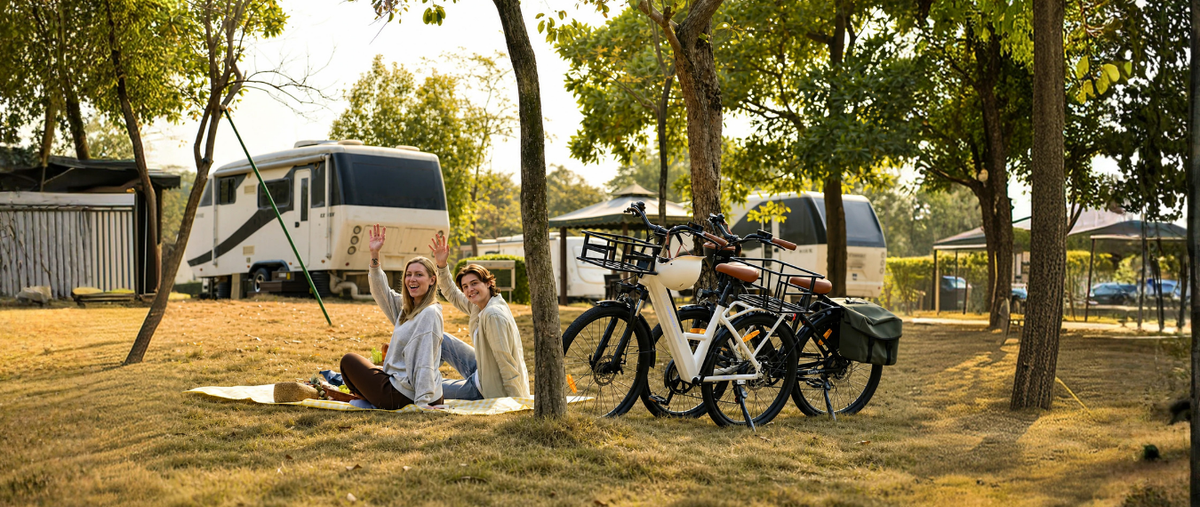
Electric Bike vs. Electric Scooter: Which Is Better for City Commuting?
The Real Answer: It Depends on Your Commute, Not the Hype
There's no universal winner here an electric bike is generally better for longer commutes, hilly routes, and riders who want more comfort and cargo space, while an electric scooter wins on portability, price, and quick trips under a few miles. The right choice comes down to your distance, where you'll store the vehicle, and how much weather you're willing to deal with.
Both options have exploded in popularity in cities across the country, and it's easy to see why. Gas prices, parking headaches, and slow public transit have pushed a lot of commuters toward smaller electric vehicles. But e-bikes and e-scooters solve the commuting problem in pretty different ways, and picking the wrong one for your situation can turn a convenient ride into a daily annoyance.
How E-Bikes and E-Scooters Actually Compare
Comfort Over Distance
This is probably the biggest difference. E-bikes have a seat, pedals, and a frame designed for sitting through a longer ride. Scooters have you standing the whole time, which is fine for a mile or two but starts to wear on your legs and lower back past that. If your commute is more than 3-4 miles each way, an e-bike is usually the more comfortable option.
Storage and Portability
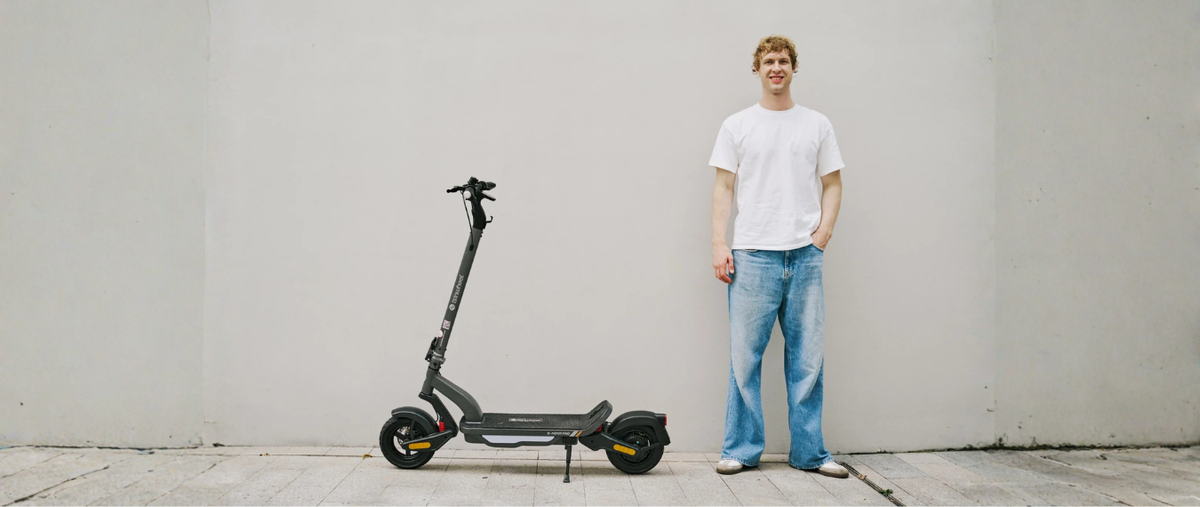
Scooters win here, no contest. Most fold down small enough to slide under a desk or tuck into a closet, which matters a lot if you live in a small apartment or need to bring it inside your office. E-bikes take up real space you're looking at a bike rack, a garage, or a dedicated storage spot, since most don't fold down nearly as compactly.
Speed and Range
Higher-end scooters like the iSinwheel S10Max can hit around 28 MPH with roughly 37 miles of range, which honestly rivals a lot of commuter e-bikes. But e-bikes tend to hold their speed more comfortably over longer, hillier routes since pedal assist works with you rather than relying purely on the motor.

Handling Rough Streets
Small scooter wheels don't love potholes, cracked pavement, or gravel. E-bikes, especially fat-tire models, absorb bumps far better and feel more stable at speed. If your commute includes anything besides smooth pavement, that difference becomes obvious fast.
When an Electric Bike Makes More Sense
If your commute is longer than a few miles, involves hills, or you sometimes need to carry a bag, groceries, or work gear, an e-bike is usually the smarter pick. Cargo-style options like the U7 Series Cargo Bike are built specifically for that kind of everyday hauling, with rack compatibility front and back. We cover how that plays out in daily use in this U7S cargo bike review, which is worth a look if you're weighing utility against a scooter's simplicity.

Fat-tire commuter bikes, like the M10Pro, also make sense if your route includes uneven streets or bike paths that aren't perfectly maintained. The wider tires and more stable frame make a noticeable difference over a scooter's small wheels.

When an Electric Scooter Makes More Sense
Scooters shine for short, simple trips think under 3 miles, mostly flat, and mostly on decent pavement. If you're commuting from a train station to your office, or your apartment doesn't have anywhere to store a bike, a scooter solves that problem without much hassle. The S9Max 500W is a good example of a scooter built around exactly that kind of commute: light enough to carry, quick to fold, and fast enough for city streets without being overkill. You can see how the S10Max's larger battery and motor stack up for longer scooter commutes in this S10Max breakdown.
Other Things Worth Considering
Weather Exposure
Neither option fully protects you from rain or cold, but e-bikes generally handle wet roads a bit better thanks to wider tires and a more stable ride. Scooters can feel twitchy on wet pavement, especially with smaller wheels.
Cost Over Time
Scooters are usually cheaper upfront, but e-bikes often hold up better under daily, heavy use since they're built with a sturdier frame and larger battery from the start. If you're commuting five days a week, factor in long-term durability, not just the sticker price.
Local Rules
Some cities treat e-bikes and e-scooters differently when it comes to bike lanes, sidewalks, and speed limits. It's worth a quick check of your city's regulations before committing to either one.
Picking the Right Ride for Your Commute
At the end of the day, this isn't really an e-bike vs. e-scooter battle it's about matching the vehicle to your actual commute. Long distance, hills, or cargo needs point toward an e-bike. Short, simple trips with limited storage space point toward a scooter. Both get you out of traffic and off public transit schedules, so the "better" choice really just comes down to what your daily route looks like.
What Commuters Usually Ask
Are electric bikes faster than electric scooters?
Not always some high-power scooters match or beat mid-range e-bikes in top speed, though e-bikes tend to feel steadier at speed.
Which is easier to store in a small apartment?
Electric scooters, since most fold down compactly enough to fit in a closet or under a desk.
Can I ride an e-bike or e-scooter in the rain?
Both can handle light rain if they have a decent water-resistance rating, but neither is meant for heavy storms or deep puddles.
Do I need a license for an electric scooter or e-bike?
In most U.S. states, neither requires a license, but rules vary, so check your local laws before commuting daily.
Which option is better for carrying groceries or a bag?
E-bikes, especially cargo-style models, since they support racks and baskets that scooters generally can't handle.

Share:
Electric Bike & Scooter Buying Mistakes: 10 Things to Check Before You Buy