


How Much Does It Cost to Own an iSinwheel Electric Bike or Scooter?
The Quick Breakdown Before the Details
Upfront prices for iSinwheel electric bikes and scooters typically range from around $299 for an entry-level scooter to $1,200+ for a higher-end all-terrain e-bike, with most commuter-friendly models landing somewhere in the $550-$900 range. Beyond that initial purchase, ongoing costs are surprisingly low a few dollars a month in electricity, occasional tire or brake pad replacements, and an optional extended warranty if you want extra peace of mind. Compared to a car or even public transit over a year, it's a pretty small number.
That said, "how much does it cost" isn't just about the price tag on the product page. Charging, maintenance, accessories, and repairs all add up over time, and knowing what to expect makes it a lot easier to budget properly instead of getting surprised a few months in.
H2: The Upfront Purchase Price
Electric Scooters
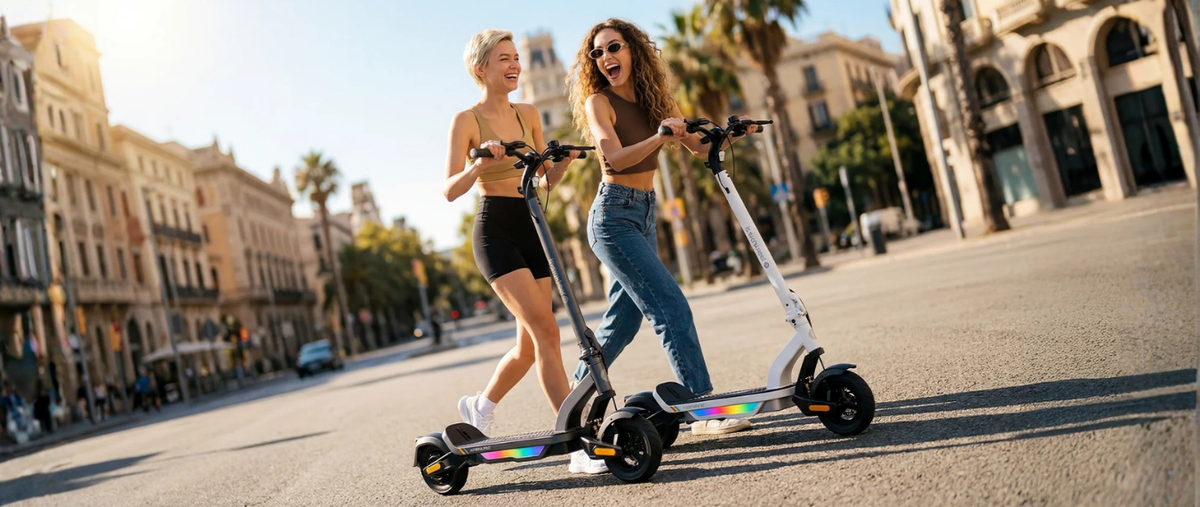
Entry-level scooters like the S9Max 500W start around $299.99, making them one of the more affordable ways to get into electric commuting. Stepping up to something like the S10Max, which offers a bigger battery and a 1000W motor, runs closer to $619.99. The price jump generally reflects more range, more power, and sturdier build quality.

Electric Bikes
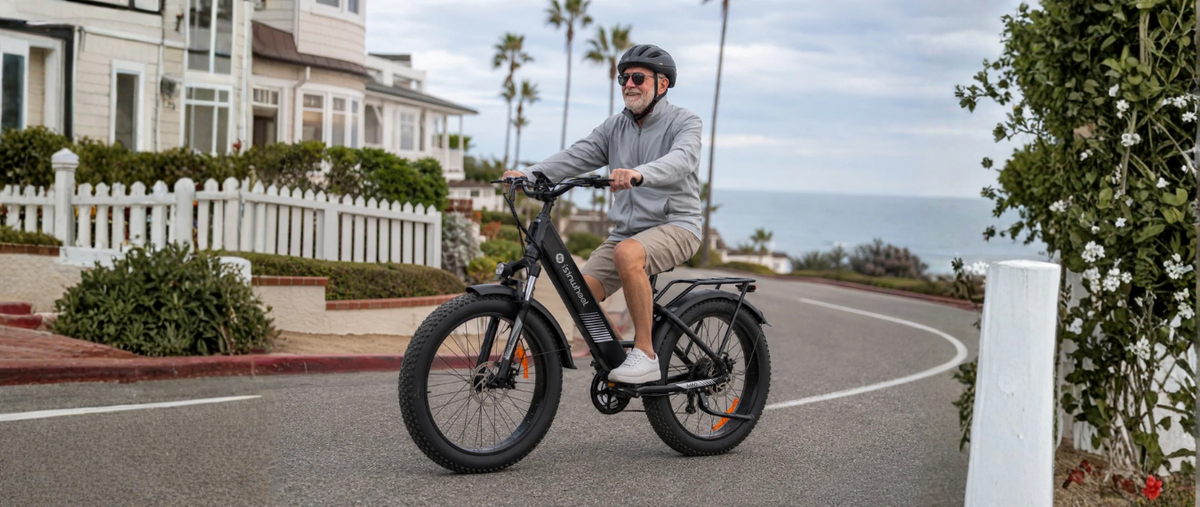
E-bikes cost more upfront simply because there's more bike a frame, pedals, drivetrain, and usually a bigger battery. The M10Pro starts around $549.99, while cargo-focused options like the U7 Series Cargo Bike start closer to $589.99 depending on configuration. Higher-power, longer-range models like the U8 Ultra push closer to $899.99. It's worth reading a full spec breakdown, like this U7S cargo bike review, before deciding which tier actually fits your commute.

The Cost of Charging
This is where e-bikes and scooters really shine compared to gas-powered transportation. Charging a typical e-bike or scooter battery costs somewhere between $0.05 and $0.20 per full charge, depending on your local electricity rates and battery size. Even charging daily, that adds up to just a few dollars a month a fraction of what most people spend on gas or transit fares.
Maintenance and Replacement Parts
Routine Upkeep
Both e-bikes and scooters need occasional attention: tire pressure checks, brake pad wear, and the usual bolt-tightening that comes with regular riding. E-bikes have a few more moving parts thanks to the chain and gears, so they typically need slightly more frequent tune-ups than scooters.
Battery Lifespan
Batteries are the most expensive part to eventually replace, but with reasonable care avoiding full discharges, storing in moderate temperatures most riders get several years of solid use before performance noticeably drops. It's one of those costs worth planning for down the road rather than something you'll deal with right away.
Weather-Related Wear
Riding through rain or winter grime tends to speed up wear on brakes, chains, and moving parts. If you're a year-round commuter, budgeting a little extra for maintenance is smart, especially heading into wetter months.
Warranty and Protection Plans
iSinwheel backs its bikes and scooters with standard coverage, but for daily commuters, an extended plan can be worth the cost. The Protect+ extended warranty option covers mechanical and electrical issues, accidental damage, and wear and tear which matters more if you're riding five days a week rather than occasionally on weekends. It's a relatively small added cost that can save a lot of money if something breaks down the road.
Accessories That Add to the Total Cost
Most riders end up spending a bit more beyond the base price on things like a phone mount, a lock, a helmet, or a rear rack. None of these are required, but they're common enough additions that it's worth factoring a small buffer usually $50-$150 into your total budget if you want a fully outfitted commuter setup from day one.
What the Real Cost Looks Like Over Time
When you add it all up the upfront price, a few dollars a month in electricity, occasional part replacements, and maybe an extended warranty owning an iSinwheel electric bike or scooter is genuinely one of the cheaper ways to commute. The bulk of the cost happens once, at purchase, and everything after that is minor compared to fuel, parking, or transit passes. The right model for your budget really depends on how far you're riding and how much power or range you actually need, not just which one looks cheapest on the shelf.
Common Questions About E-Bike and Scooter Costs
Is it expensive to charge an electric bike or scooter every day?
No daily charging typically costs just a few dollars a month depending on local electricity rates.
Do I need to budget for a new battery every year?
Not usually; most batteries last several years with normal care before performance starts to noticeably decline.
Is an extended warranty worth it for daily commuting?
For riders using their e-bike or scooter five or more days a week, it's often worth the extra cost for the added protection.
Are e-bikes more expensive to maintain than scooters?
Slightly, mainly due to the chain and gear system, which need occasional adjustment that scooters don't require.
What's a realistic total budget beyond the purchase price?
Plan for roughly $50-$150 a year in accessories and minor upkeep, plus a few dollars a month in charging costs.


Share:
Electric Bike vs. Electric Scooter: Which Is Better for City Commuting?
How Far Can an iSinwheel Electric Bike Really Travel on a Single Charge?