


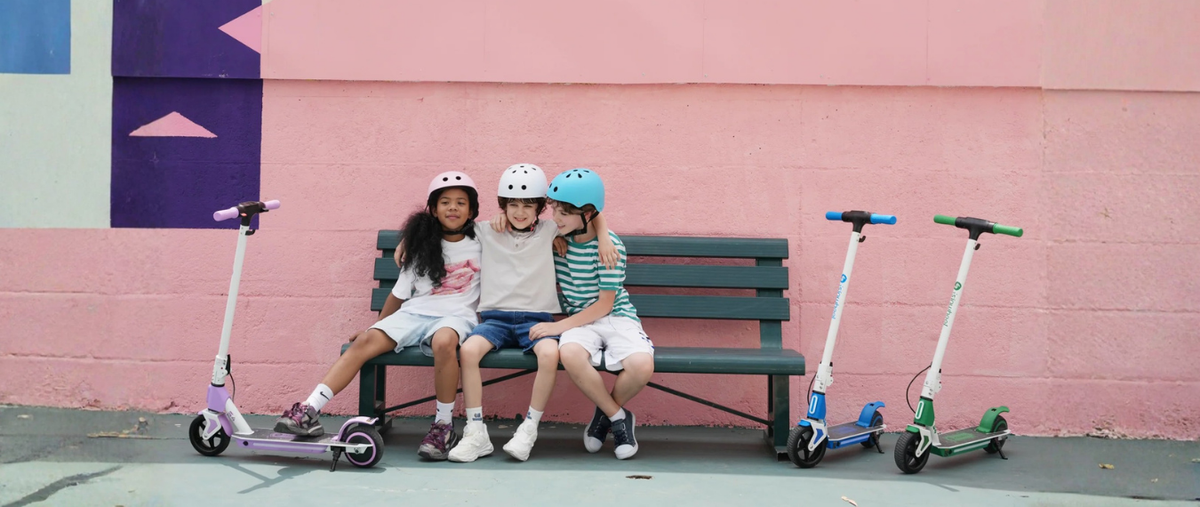
Start with Readiness and Control, Not Maximum Speed
When you bring Electric Scooters into a family routine, the first decision is not speed or style. It is rider readiness, brake control, and a scooter that feels manageable at walking pace. For supervised older kids and teens, the isinwheel S9 Pro fits that starting point because it keeps weight low at 27.5 lbs, limits top speed to 19 mph, and adds practical electric scooter safety features like EABS, a rear disc brake, lights, and smart app integration.
Electric mobility solutions can support green commuting solutions for short errands, school-area practice, and family transportation habits, but only when the first weeks stay highly controlled. According to CPSC, micromobility injuries rose nearly 21% in 2022, and children 14 and younger accounted for about 36% of injuries from 2017 to 2022. That is why your setup, rules, and practice sequence matter more than range or looks.
Start With the Right Rider and the Right Scooter

A family scooter should match the rider before it matches the trip. The goal is a calm first experience, not a fast one, so fit, balance, and maturity should lead every decision.
Match size, weight, and power to the rider
A safe electric scooter setup starts with physical manageability. If a rider cannot steady the scooter while unfolding, parking, or turning at low speed, the model is too much scooter for the moment.
The isinwheel S9 Pro is often the easier family entry point because its 350W motor, 19-mile claimed range, 8.5-inch pneumatic tires, 220-lb max load, and 55.1 to 78.74 inch recommended height range support supervised starter use without pushing into advanced commuter territory. Its foldable frame also makes storage simpler for apartments and garages.
Set Non-Negotiable Safety Rules Before the First Ride
Electric scooter safety for kids works best when rules are settled before the throttle ever moves. If you negotiate after a close call, you are already late.
Build a repeatable pre-ride check
A 60-second routine prevents many early mistakes. CPSC also advises one person per scooter and helmet use for e-scooter riding.
- Check tire condition and visible damage
- Test brake response in a driveway
- Confirm battery charge for the short route
- Turn on headlight and rear light if dusk is possible
- Verify the folding latch is fully locked
- Review local age and helmet rules for your area
Teach Control Skills in a Low-Risk Practice Sequence

Early family sessions should feel boring in a good way. The safest learning curve starts with balance and braking, then adds turning, scanning, and surface changes in small steps.
Session 1: Learn the scooter at walking speed
Start with no power. Let the rider learn deck position, hand placement, and how the scooter feels beside them.
What to do
- Walk the scooter by hand
- Practice mounting and stepping off
- Roll it a few feet without throttle
- Rehearse where both feet should stand
Why this matters
A rider who knows where to stand is less likely to jerk the bars or step off awkwardly during a stop.
Session 2: Practice smooth starts and smooth stops
This is the most important step in electric scooter safety for kids. The rider should learn that gentle throttle and early braking beat fast corrections every time.
What to do
- Start in an empty parking lot
- Practice straight 20- to 30-foot runs
- Use light throttle only
- Stop well before a marked line
- Repeat until braking looks calm
Session 3: Add turning, scanning, and signaling
Once straight-line control looks consistent, add awareness skills. These matter just as much as steering because beginner riders often focus only on the front wheel.
What to do
- Make wide left and right turns
- Scan left, right, then forward
- Practice hand or built-in signal use
- Slow before every turn
For older supervised riders, the S9 Pro’s turn signals, brake light, and app support help reinforce predictable riding habits during short neighborhood loops. Smart app integration is useful here because adults can monitor settings and keep the scooter in a controlled learning role instead of treating it like a high-speed toy.
Create Family Riding Boundaries That Scale With Experience
Permissions should expand by behavior, not by excitement. A rider who wants more distance should first show calm stops, steady line control, and consistent rule-following.
Use staged permissions
- Driveway or cul-de-sac only
- One-block loops
- Short neighborhood routes
- Practical destination riding for older experienced teens only
Choose the right scooter for the stage
The S9 Pro makes more sense as a shared family starter scooter because it is lighter and easier to handle off the road as well as on it. The isinwheel S Nova Pro fits a later stage for older teens because it adds 10-inch pneumatic tires, dual suspension, front and rear disc brakes, and up to 38 miles of claimed range, but it is substantially heavier than the S9 Pro and better suited to riders who already show discipline.
Choose Safety Features Before Extra Speed
Families often compare Electric Bikes, Electric Skateboards, commuter scooters. For first-time scooter use, the most important features are the ones that reduce surprises.
Prioritize these electric scooter safety features
- Stable deck feel
- Predictable acceleration
- Clear height and load fit
- Warranty support and replacement parts access
Keep advanced models in the right lane
The GT1 shows why more power is not automatically better for youth introduction. The isinwheel GT1 is listed with 800W rated power, up to 28 mph, 10-inch off-road tires, app support, and a 330-lb max load, which places it closer to advanced adult-oriented off-road electric scooters than to a first family learning platform. It can suit an electric ride for outdoor adventure later, but not as a beginner default.
Keep Charging, Storage, and Maintenance Under Adult Control
A scooter that starts safe can become unpredictable if nobody checks it. Adult oversight is especially important during the first month, when families are still learning charging habits and maintenance rhythm.
Weekly ownership habits
- Assign one adult to handle charging
- Check bolts and folding latch security
- Test brake feel before rides
isinwheel’s current product pages for the S9 Pro and S Nova Pro state a 1-year warranty with U.S.-based support, and the company’s shipping pages state delivery from U.S. warehouses typically arrives within 2 to 5 business days in the contiguous United States. The support FAQ also says the brand recommends riders be at least 12 years old before riding an adult electric scooter.
Common Beginner Problems and Fixes
| Problem | Cause | Solution |
|---|---|---|
| Wobbly starts | Too much throttle | Practice push-off first |
| Hard braking jerks | Brake grab panic | Repeat slow stop drills |
| Fear on bumps | Stance too stiff | Bend knees, slow down |
| Scooter feels heavy | Poor size match | Adult-assisted handling only |
| Riding too far | Skill below confidence | Return to short loops |
Conclusion
Introducing an electric scooter into your family routine works best when safety, physical manageability, and rider readiness guide every decision. By starting with a lightweight, controlled model like the isinwheel S9 Pro and establishing clear rules, pre-ride checks, and structured practice sessions, you build true rider confidence before adding speed or distance. With adult-supervised maintenance and staged permissions, your family can enjoy a safe, reliable, and sustainable mobility option that grows alongside your rider’s experience.
FAQ
Is an e-bike safer than an electric scooter for commuting in urban areas, considering safety features and price?
For urban commutes, e-bikes are often safer than e-scooters. Their larger wheels, seated position, and superior brakes offer greater stability on uneven roads. While e-scooters are more affordable and ideal for short last-mile trips, their smaller wheels require more balance and alertness. Look for essential safety features like reliable brakes, bright lighting, and app controls. When choosing between an e-bike and an e-scooter, base your decision on route distance, traffic, rider experience, and safety—not just the upfront price.
Which is easier to control: an e-bike or an electric scooter for a beginner commuter?
For most beginner commuters, an e-bike is usually easier to control because the larger wheels, seated position, and familiar bicycle-style handling feel more stable at low speeds. An electric scooter can still be beginner-friendly, but it demands better balance, smoother throttle control, and more attention to road bumps and braking. If a new rider prefers a scooter for urban commuting, prioritize electric scooter safety features like dependable brakes, pneumatic tires, bright lights, and a manageable overall weight. In short, e-bikes tend to be easier first, while electric scooters suit beginners best when safety and stability features come first.
What are the key safety features I should look for in a family scooter under $500?
For a family scooter under $500, prioritize reliable brakes on both wheels, a clear front light and rear reflector or brake light, grippy tires, and a wide non-slip deck for better balance. Look for a moderate top speed, stable handlebars, and a weight limit that comfortably fits the intended rider, since control matters more than extra power for beginners. A strong frame, simple folding lock, and basic water resistance also add everyday safety for school runs or scooter for urban commuting. If you are comparing models, Isinwheel electric scooters are worth checking for practical electric scooter safety features and affordable entry-level options.
How far should teens be allowed to ride during the first few weeks?
Teens should start with very short loops close to home, not full destination rides. A good progression is driveway practice, then one-block loops, then short neighborhood routes after several consistent sessions with smooth braking and no rule violations. Distance should only increase after the rider shows the same control on every ride. Claimed range is not a permission slip.
Is an electric scooter or an e-bike easier for a beginner to control?
An e-bike often feels more familiar because the seated position and larger wheels can smooth out balance inputs. A scooter is still easier for storage, short last-mile delivery style errands, and quick family practice sessions, but it asks for more attention to stance and road texture. If your household is choosing between E-bikes and scooters for a teen, scooters need a stricter learning plan. That is why a lighter commuter model works better than jumping into a larger platform.
Table of Contents
- Start with Readiness and Control, Not Maximum Speed
- Start With the Right Rider and the Right Scooter
- Set Non-Negotiable Safety Rules Before the First Ride
- Teach Control Skills in a Low-Risk Practice Sequence
- Create Family Riding Boundaries That Scale With Experience
- Choose Safety Features Before Extra Speed
- Keep Charging, Storage, and Maintenance Under Adult Control
- Common Beginner Problems and Fixes
- Conclusion
-
FAQ
- Is an e-bike safer than an electric scooter for commuting in urban areas, considering safety features and price?
- Which is easier to control: an e-bike or an electric scooter for a beginner commuter?
- What are the key safety features I should look for in a family scooter under $500?
- How far should teens be allowed to ride during the first few weeks?
- Is an electric scooter or an e-bike easier for a beginner to control?


Share:
Budget vs. Mid-Range Electric Scooters for Daily Commuting: Where Does Build Quality Start to Improve?