


Introduction
Still comparing off-road e-bikes by top speed alone? That shortcut usually goes wrong the first time your route adds loose gravel, a steep climb, or a long return ride with a low battery. Weak brakes, undersized batteries, and poor tire choices can waste money fast, while a bad fit can quietly ruin comfort and confidence on every ride. In this guide, e-bikes are treated as systems, not spec sheets, so you can judge real value instead of marketing noise.
You will learn which features matter most for off-road e-bike value, how fat tires, motor output, battery size, and braking control work together, and where daily versatility changes the buying decision. Along the way, this guide connects those principles to practical examples from Isinwheel electric bikes, including the U8 Ultra and R6. First, start with the fundamentals that decide performance, safety, and ownership value.
Off-Road E-Bike Fundamentals
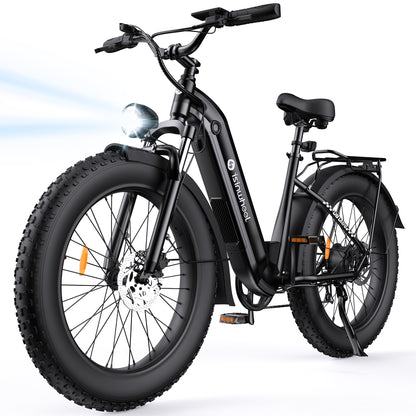
Before you compare models, focus on the handful of features that change your ride the most. For off-road e-bikes, the real question is not whether a bike looks rugged. The real question is whether its motor, battery, tire setup, suspension, brakes, and frame fit match the terrain you actually ride. A bike with one standout number and three weak supporting parts often feels worse than a balanced build. That matters even more if you want one machine for weekend trail use and weekday green commuting solutions.
Value also means looking beyond purchase excitement. A stronger battery can save you from range anxiety on long dirt routes. Better brakes can reduce fatigue on descents. A better frame shape can make repeated starts, stops, and loading much easier. Because of that, smart buyers compare usable performance, safety, and versatility together rather than chasing one headline spec.
Motor output shapes climbing confidence
Motor power decides how calm or stressful a climb feels once the trail turns loose or uneven. Wattage is the easy number to spot, but what you really feel is how the motor holds speed under load. Rider weight, gear, slope, and surface resistance all matter. On dirt, sand, and broken gravel, stronger output helps the bike keep momentum instead of bogging down when traction drops.
For example, the isinwheel U8 Ultra is listed with 1500W rated power and a Class 3 top speed of 28 MPH, while the isinwheel R6 uses a 1000W motor and is also rated up to 28 MPH. That difference matters less on flat pavement than on repeated climbs, soft ground, or rides with cargo. If your routes include hills and rough surfaces, motor headroom usually adds more value than a small speed gain.
Tires, suspension, and brakes control traction
Fat tires can improve comfort and grip, but they are not magic. Their wider contact patch helps on sand, gravel, and uneven dirt, especially when tire pressure is adjusted for the surface. The tradeoff is extra weight and a slower steering feel. That is why tire width must be matched to terrain, not assumed to be better in every case.
Suspension and brakes complete the picture. Front suspension helps the front wheel track better over bumps and reduces hand fatigue. Better braking lets you manage speed without panic on descents. At the same time, the CPSC reports that U.S. emergency departments treated an estimated 448,600 micro mobility-related injuries from 2017 through 2023, which is why braking control and equipment quality deserve serious attention.
Frame fit balances comfort and handling
A powerful bike is still a poor value if it does not fit your body or use case. Fit affects control in slow turns, comfort over distance, and your ability to put a foot down quickly on rough ground. Step-thru and lower-entry designs can also make heavier e-bikes easier to live with, especially for riders who use them for both trail riding and eco-friendly transportation around town.
Helmet choice matters here, too, because confidence and control depend on the full riding setup, not only the bike. The NHTSA emphasizes choosing a bicycle helmet that fits correctly and sits level on the head, which is a simple step that supports safer riding on both dirt routes and daily streets.
Motor and Hill Performance
If your route includes climbs, loose surfaces, or heavier loads, motor strength has one job: reduce struggle. The more demanding the terrain, the more valuable steady power delivery becomes. On an off-road e-bike, climbing is not only about reaching the top. It is about maintaining momentum without forcing the rider to overwork, weave, or lose line choice on unstable ground. That is why buyers should compare motor output in the context of hills, traction, and payload rather than top speed alone.
Loose gravel and dirt amplify this issue. A bike that feels quick on flat pavement may hesitate once the grade steepens and the rear tire starts working harder for grip. In practical terms, stronger output helps you recover speed after corners, restart on inclines, and carry bags or extra gear with less drama. Riders who want an electric ride for outdoor adventure usually notice this benefit long before they notice any small difference in peak speed.
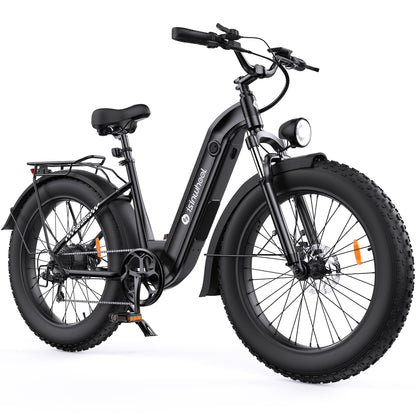
The isinwheel U8 Ultra fits this module well because its listed 1500W rated motor, 26 x 4.0-inch fat tires, Shimano 7-speed drivetrain, and 330 lb max load give it better headroom for steep or mixed-terrain riding than lighter-duty builds. The larger wheel format also helps smooth trail chatter at speed. For riders who split time between weekend exploration and green commuting solutions, that extra hill confidence can feel like a better value than a bike that only looks aggressive in photos.
Shop: isinwheel U8 Ultra Electric Bike for Adults
Battery and Real-World Range
Range value starts with one rule: compare stored energy, not optimistic distance claims. Watt-hours tell you far more than a headline range number because they show how much battery capacity you can actually draw from. Terrain, rider input, tire pressure, wind, and assist level all shape the final result. On off-road routes, range drops faster because dirt, rocks, and climbing raise rolling resistance and force the motor to work harder. That means a battery that seems generous on paper can feel average in the real world.
Charging design and removability matter too. A removable battery is easier to charge indoors, easier to secure, and often easier to manage in apartment or garage setups. Charging time also affects ownership value, especially if you ride frequently. A bike with good battery capacity but a painful charging routine can become less useful than a slightly smaller pack that fits your daily habit better.
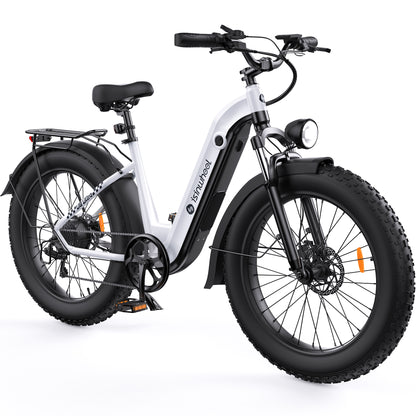
The isinwheel U8 Ultra uses a 48V 18Ah battery, or 864Wh, with a claimed range up to 105 miles and a 7-8 hour charging time. That combination makes sense for riders who want longer loops, fewer charging interruptions, and more reserve for hills. The integrated removable battery and IP65 water resistance also improve practicality for electric mobility solutions used across changing weather and mixed surfaces. If your priority is fewer recharge limits and more freedom in route planning, battery size is often where value is won or lost.
Shop: isinwheel U8 Ultra Electric Bike for Adults
Tires, Suspension, and Comfort
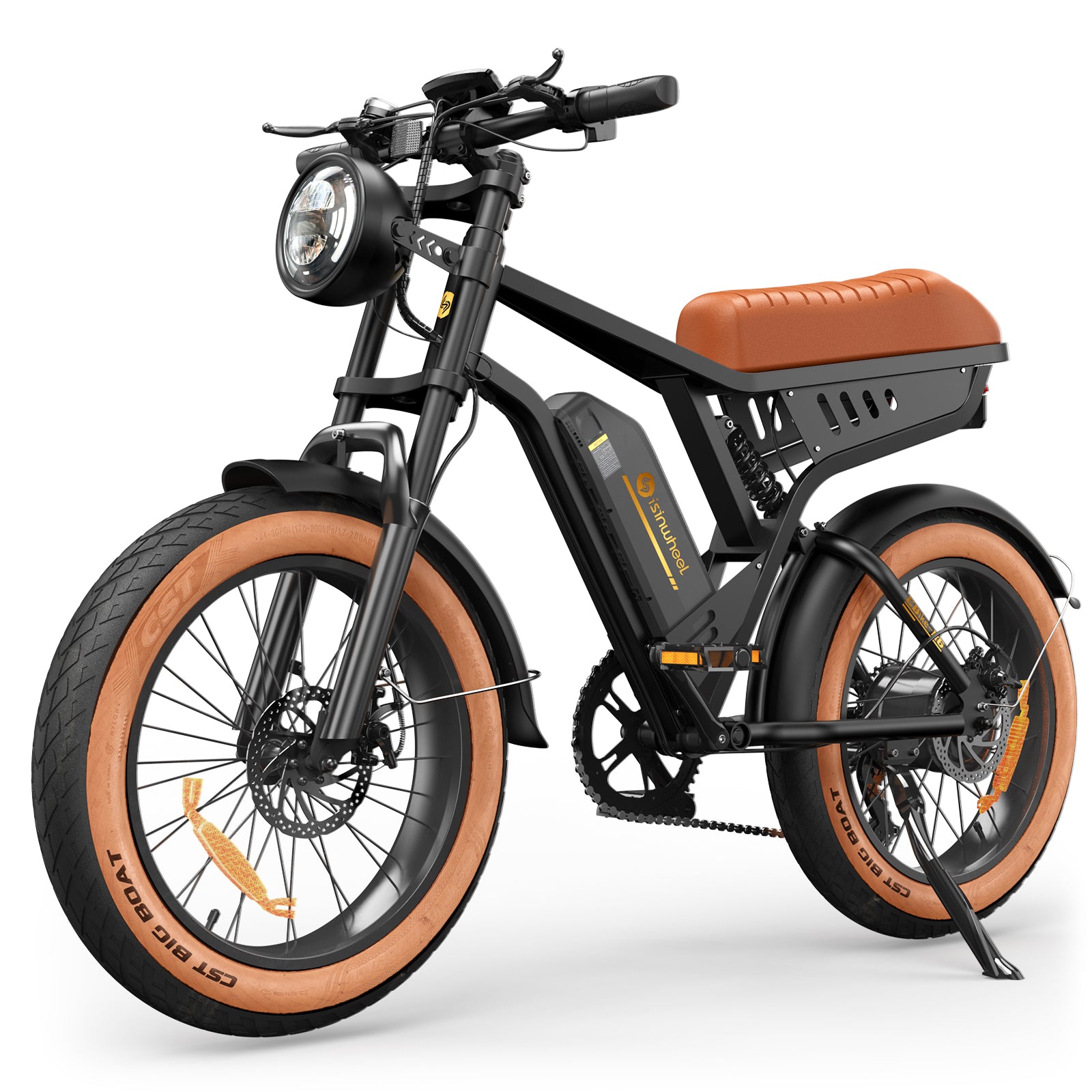
When off-road comfort feels bad, riders often blame the trail. In reality, tire size, pressure, and suspension design are usually the bigger issues. Fat tires help by spreading the load across a wider contact patch, which can improve float on soft ground and reduce sharp impacts from roots, washboard, and broken pavement. That matters for Fat Tire E-bikes because comfort is not a luxury feature. It directly affects traction, steering confidence, and how long you want to stay in the saddle.
Suspension does the rest. A front suspension setup improves control over repeated impacts and keeps the front wheel from skipping across rough surfaces. Rear support can add even more comfort, especially for urban edges, gravel connectors, and rough trail entrances where surfaces keep changing. Riders who use one bike for both eco-friendly transportation alternatives and casual off-road trips usually benefit from a setup that softens vibration without becoming overly heavy or vague in steering.
The isinwheel R6 shows how comfort features can increase ownership value even when motor output is not the highest in the lineup. It pairs 20 x 4.0-inch fat tires with front and rear suspension, a 1000W motor, and a compact retro-style frame. That gives it a different kind of appeal than a larger trail-oriented build. For riders who want a comfortable electric bike for short dirt paths, mixed pavement, and neighborhood cruising, the R6 can feel easier to manage while still offering the wider tire support many people want.
Shop: isinwheel R6 1000W Retro Electric Bike
Brakes, Lighting, and Safety
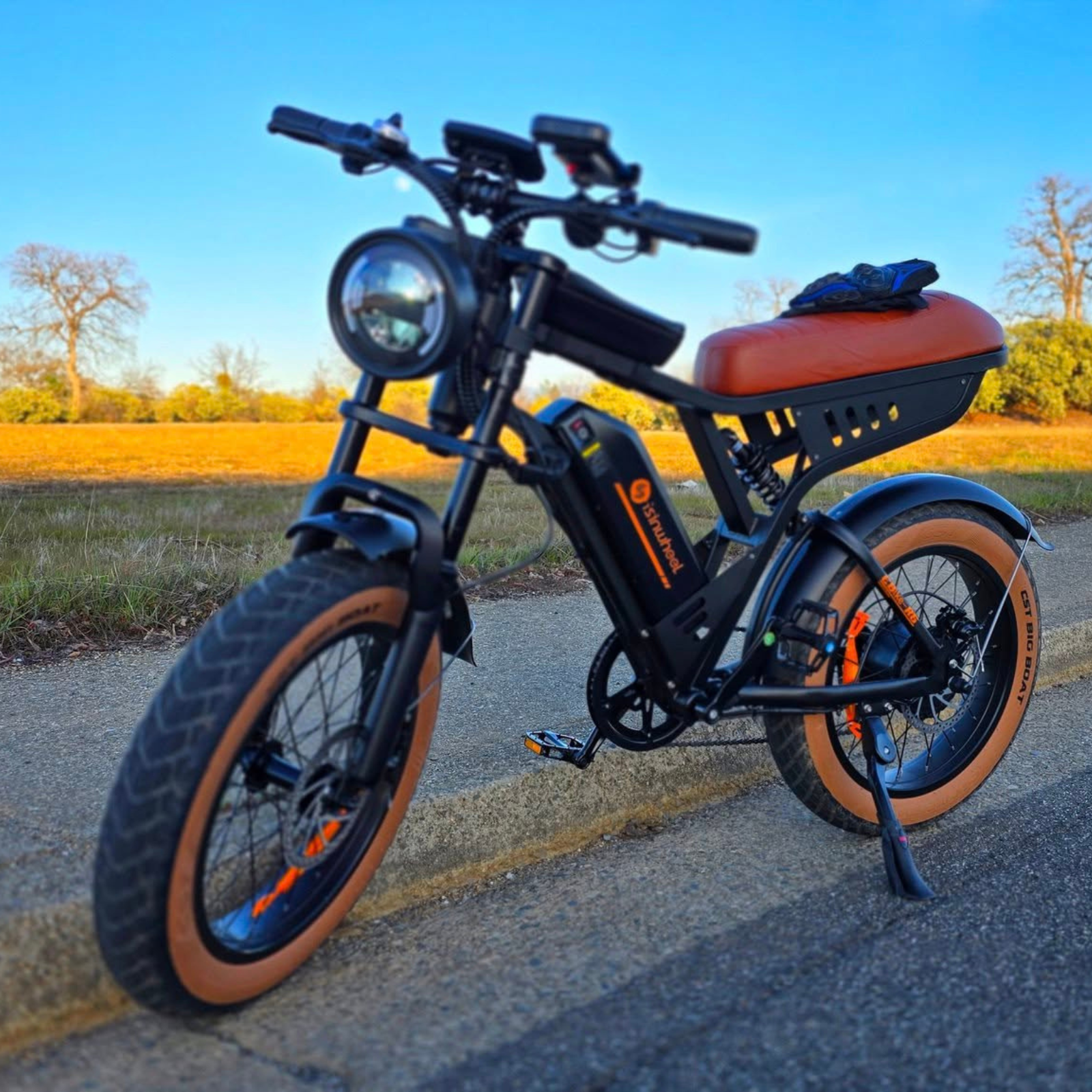
Before you buy for speed, buy for control. Off-road value falls apart fast if the bike accelerates well but feels uncertain when you need to slow down on dirt, descend a hill, or cross from trail to street traffic. Brakes are a confidence feature as much as a safety feature. On rough surfaces, stable stopping lets you choose lines better, preserve traction, and reduce the panic that causes over-braking or skidding.
Lighting matters for more than night riding. If your routes include dusk returns, shaded trails, roadside crossings, or neighborhood commutes, visibility becomes part of the value equation. Good lights and clear signals improve communication with drivers and other riders, especially when a bike doubles as a sustainable electric vehicle for everyday transportation. Safety is not one part. It is the whole system working together: bike handling, rider visibility, helmet fit, and electrical quality.
The isinwheel R6 adds useful practical details here. Its product page lists retro headlights, turn signals, front and rear suspension, and a BMS battery management system. It is also rated Class 3 up to 28 MPH and supports up to 330 lbs, so the control package matters. For riders who want one bike that can handle urban commuting, park paths, and light adventure riding, visible lighting and balanced stopping confidence add more value than raw speed claims alone.
Shop: isinwheel R6 1000W Retro Electric Bike
Fit, Cargo, and Daily Versatility
A bike delivers better value when it works well outside the trail, too. Many buyers want e-bikes that can handle dirt on Saturday and errands on Monday. That means frame access, load support, battery removability, wheel size, and total bike weight all matter. A powerful off-road build can become annoying if it is awkward to mount, hard to store, or too heavy for your routine. Daily usability is where good specs either become useful or become dead weight.
Cargo and accessory potential also shape long-term satisfaction. If you carry a backpack, lock, groceries, tools, or work gear, the bike must remain stable and comfortable under extra load. A machine with a high max load and relaxed geometry often feels more useful across more scenarios, which raises its overall value. This is especially important for buyers exploring affordable electric bikes that support both recreation and practical green commuting solutions.
The isinwheel U8 Ultra offers a step-thru frame, removable integrated battery, 330 lbs max load, and large 26 x 4.0-inch tires. Those features make it easier to use as a crossover option between off-road riding and everyday electric transportation for families or solo riders with gear. The R6, by contrast, brings a more compact 20-inch fat-tire format and distinctive retro shape that may suit riders who prioritize shorter-distance versatility and style. The better choice depends less on appearance and more on how often you will actually use the bike beyond the trail.
How to Choose the Right Off-Road E-Bike for Value
The best value e-bikes are not the ones with the biggest single number. They are the ones whose features stay aligned with your terrain, body size, storage setup, and weekly riding pattern. Start by deciding where the bike will do its hardest work. That question usually narrows the field faster than any brand comparison.
Match motor to hills, payload, and surface
Choose motor output based on resistance, not ego. If you ride steep grades, soft ground, or carry gear, stronger output usually pays off. If your routes are flatter and shorter, a moderate motor may already feel strong enough.
Compare battery by watt-hours, not marketing miles
Use battery capacity as your range anchor. A larger watt-hour figure gives more buffer for hills, cold weather, and higher assist use. Removable batteries also improve daily convenience and charging flexibility.
Match tires and suspension to the ground you ride on
Wider tires help on sand, gravel, and rough mixed surfaces, but they add weight and can slow steering. Front suspension is often enough for light to moderate off-road use, while rougher terrain benefits more from added shock control.
| Factor | Best to Compare | Why It Matters |
|---|---|---|
| Motor | Hills, load, surface | Uphill confidence |
| Battery | Watt-hours | Real usable range |
| Tires | Width and diameter | Grip and comfort |
| Suspension | Front vs dual | Fatigue control |
| Brakes | Descending control | Safer stopping |
| Weight | Carry and storage | Daily usability |
Think about the full ownership routine
Ask yourself practical questions. Can you carry the bike up the steps? Can you charge the battery indoors? Will you use lights, cargo space, or mixed-surface tires during the week? A bike that fits your routine usually delivers more value than a more powerful model that becomes difficult to use regularly.
Conclusion
Off-road e-bike value comes from balance, not hype. Motor output helps on climbs, but battery size, fat tires, suspension, braking control, and frame fit decide whether the bike stays useful and comfortable over time. If you compare those systems together, you will make better choices and avoid paying for features that do not improve your real rides.
For buyers weighing practical adventure use against everyday utility, the isinwheel U8 Ultra and isinwheel R6 show two different ways value can work. One leans toward longer range, bigger wheels, and stronger trail headroom. The other leans toward compact fat-tire comfort and mixed-use versatility. The right pick is the one that matches your terrain and routine most honestly.
FAQ
What matters most for off-road e-bike value?
Battery capacity, tire setup, braking control, and fit usually matter more than headline top speed alone. Those features shape whether the bike feels stable, comfortable, and useful after the first few rides. A strong motor helps, especially on climbs, but it only delivers full value when the tires can hold traction and the brakes can manage speed safely. In most real buying decisions, a balanced bike outperforms a bike built around one flashy spec.
Are fat tires always better off-road?
No, fat tires are not always better for every off-road rider. They usually improve comfort, flotation, and traction on loose gravel, sand, or rough mixed surfaces, but they also add weight and can slow steering response. If your routes are mostly hard-packed dirt and pavement, an oversized tire may feel less efficient than you expect. The best choice depends on surface type, tire pressure, and how much comfort versus agility you want.
How should I compare e-bike range claims?
Start with watt-hours because that number tells you how much energy the battery stores. Then adjust your expectations for rider weight, speed, terrain, wind, assist level, and tire pressure. Off-road riding usually reduces range more than smooth paved riding because the motor faces more rolling resistance and more climbing. If two bikes list similar mileage but one has a much larger battery, the larger pack is usually the safer bet for real-world consistency.
Is full suspension necessary for every rider?
No, full suspension is not necessary for every rider. Front suspension is often enough for light trails, gravel connectors, broken pavement, and casual mixed-surface use. Riders who spend more time on rough terrain, repeated bumps, and longer off-road loops usually benefit more from added rear shock support. The right setup depends on how rough your routes are and how much comfort you need over distance.
Why does electrical certification matter?
Electrical certification matters because it helps you judge system safety, not just performance. An e-bike electrical system includes the battery, charger, wiring, and control components working together, so safety is bigger than one battery label. Certification gives buyers another way to evaluate whether the system has been tested against recognized requirements. That is especially important when you compare powerful bikes that may be used in garages, apartments, or for frequent charging routines.
Can an off-road e-bike also handle commuting?
Yes, one off-road e-bike can also work well for commuting if the overall build is balanced. The key features are manageable weight, comfortable fit, useful lighting, removable charging, and enough cargo practicality for your daily routine. A bike with fat tires and decent suspension can handle rough city edges, potholes, and park connectors very well. The tradeoff is that a more trail-focused model may feel heavier or bulkier than a pure commuter, so routine matters.
How much motor power do I really need for hills?
The answer depends on rider weight, slope, surface, and how much gear you carry. A moderate setup can handle gentle paved hills, but steeper dirt climbs, and soft surfaces usually reward higher output because the bike loses traction and momentum more easily. If you regularly ride with cargo or tackle loose inclines, extra power can reduce strain and make starts much smoother. The best way to judge need is to think about your hardest route, not your easiest one.
What should I check before buying an off-road e-bike online?
First, confirm the core specs: motor rating, battery watt-hours, tire size, suspension type, water resistance, max load, and bike weight. Next, look at frame style, battery removability, charging time, and whether the bike fits your height and storage setup. After that, review braking confidence, lighting, and whether the bike supports your mix of off-road riding and daily travel. If those basics line up with your actual routine, the bike is far more likely to deliver strong long-term value.
Table of Contents
- Introduction
- Off-Road E-Bike Fundamentals
- Motor and Hill Performance
- Battery and Real-World Range
- Tires, Suspension, and Comfort
- Brakes, Lighting, and Safety
- Fit, Cargo, and Daily Versatility
- How to Choose the Right Off-Road E-Bike for Value
- Conclusion
-
FAQ
- What matters most for off-road e-bike value?
- Are fat tires always better off-road?
- How should I compare e-bike range claims?
- Is full suspension necessary for every rider?
- Why does electrical certification matter?
- Can an off-road e-bike also handle commuting?
- How much motor power do I really need for hills?
- What should I check before buying an off-road e-bike online?


Share:
Best Suspension for Value Off-Road Scooters: What Matters on Rough Paths
Is an E-Bike Safer Than an Electric Scooter for Urban Commuting?