


Introduction
Choosing between Electric Bikes and Electric Scooters sounds easy until you picture your actual commute. A route that looks short on a map can hide potholes, slick paint, door-zone traffic, and fast turns around parked cars. If you pick the wrong format for your streets, you do not just lose comfort. You raise your crash exposure, braking stress, and fatigue over time.
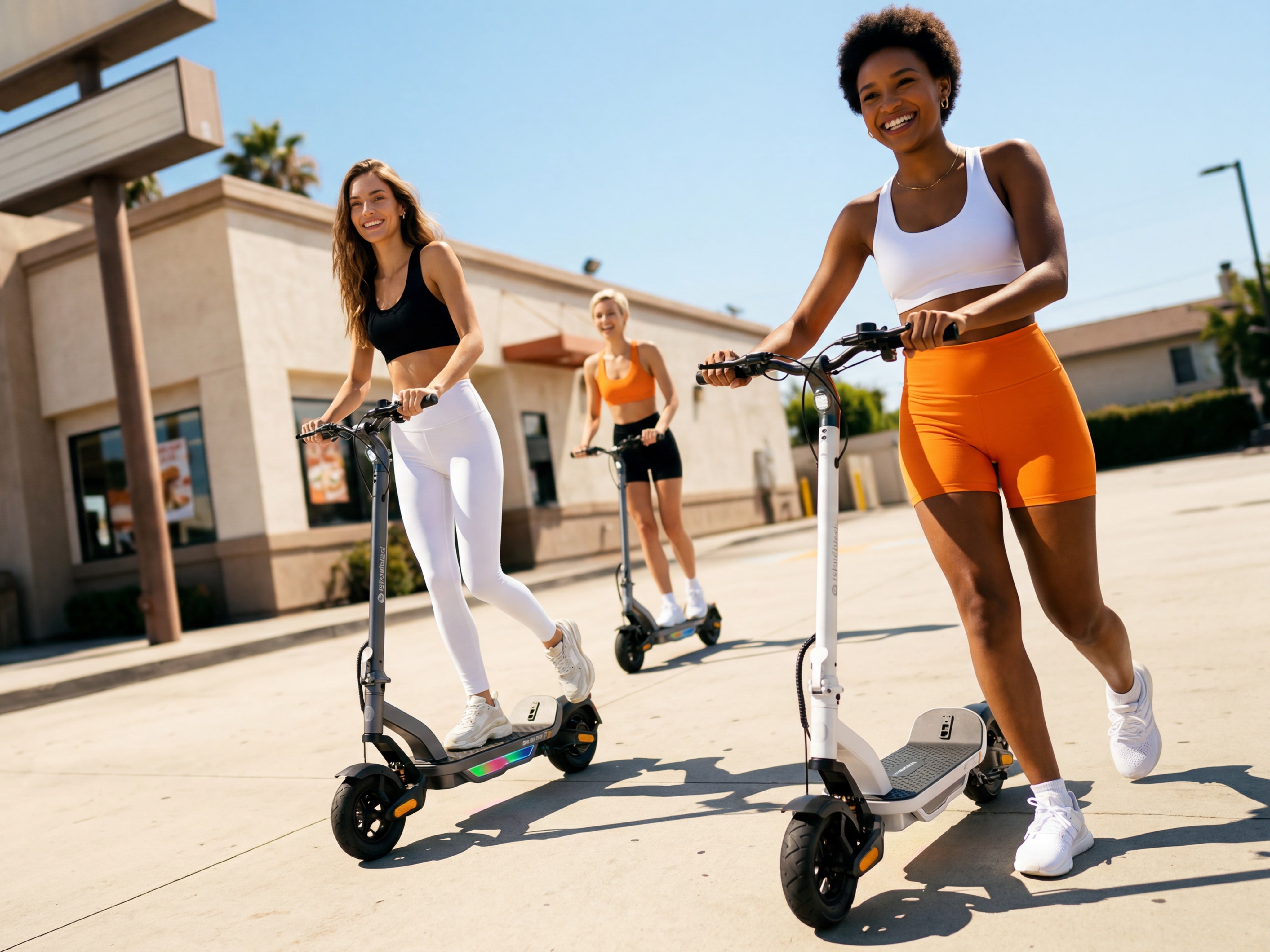
This guide compares control, stability, visibility, and road tolerance so you can judge which option fits your city, not just a spec sheet. You will also see where compact Electric Scooters still make sense, especially for storage-heavy routines, and where Electric Bikes create a wider safety margin for green commuting solutions and eco-friendly transportation alternatives.
E-bike and scooter safety fundamentals
When people ask whether an e-bike is safer, the real answer is usually about margin for error. In urban riding, that margin comes from wheel size, posture, braking composure, and how well your vehicle matches local bike lanes and rough pavement. The U.S. Consumer Product Safety Commission reported that micro mobility injuries rose nearly 21 percent in 2022, which shows why vehicle choice matters before speed even enters the conversation. The CDC also notes that most bicyclist deaths happen in urban areas, where traffic conflict points pile up fast. (cpsc.gov)
What this means
- Larger wheels usually roll over cracks and pothole edges more calmly.
- A seated riding position gives many commuters better balance recovery.
- Smaller platforms react faster to steering input, but also to road defects.
- Speed only matters in context with lane width, traffic, and rider skill.
Why does infrastructure change the answer
The same rider can feel safe on one route and exposed on another. IIHS found that bike lanes strongly shape where scooter riders choose to ride, and riders overwhelmingly preferred bike lanes when they were available. That matters because safety is not only about machine design. It is also about where the machine naturally fits in traffic. (iihs.org)
Stability and rider posture
For most beginner and intermediate commuters, Electric Bikes feel safer because the frame gives your body more support when the road gets messy. A bike lets you squeeze the saddle with your legs, shift your hips back under braking, and pedal lightly to stabilize low-speed movement. That extra support is useful at intersections, driveway cuts, and uneven asphalt patches.
Key specs or signals
- A bigger tire contact patch usually improves calm handling.
- Seated posture helps many riders recover from small wobbles.
- A longer wheelbase often feels steadier at commuting speed.
- Compact scooter decks leave less room to reposition your body.
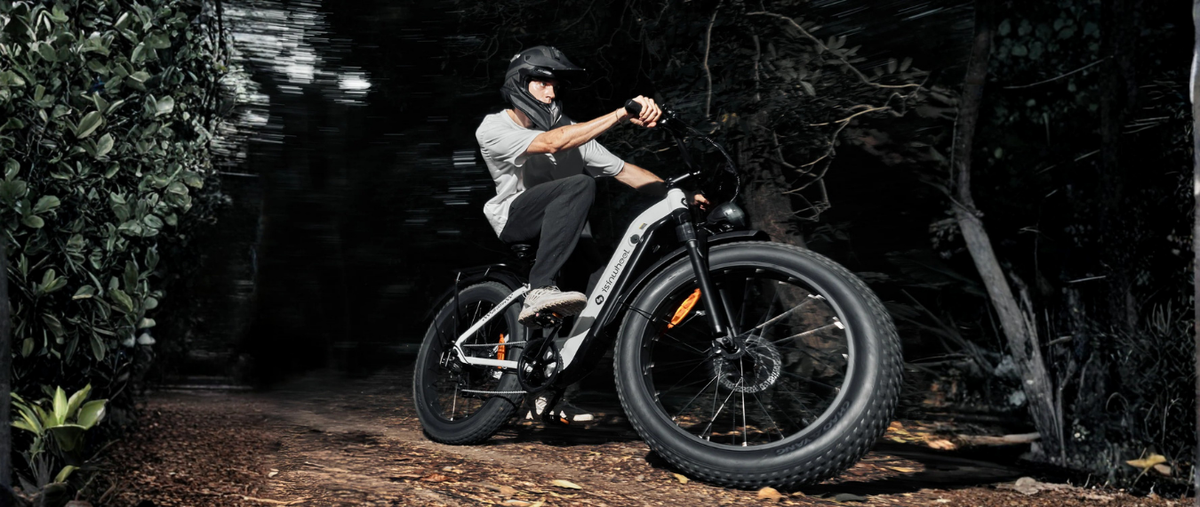
The isinwheel U8 Electric Bike for Adults is a good example of why many riders prefer an e-bike for scooter for urban commuting alternatives. Its Class 3 setup reaches 28 MPH, uses a 48V 13Ah battery, supports 45-65 miles per charge, and pairs that with a step-thru frame and fat tires for more urban forgiveness. The page highlights 20x3 tires in the quick features and 26-inch wheel size in the specification block, but in either case the bike format gives you more road tolerance than a small standing deck. That makes it easier to use as affordable electric bikes for daily green commuting solutions.
Shop: isinwheel U8 Electric Bike for Adults
Braking and emergency maneuvers
Emergency braking exposes the biggest difference between the two formats. On an e-bike, your hands are wider apart, your feet stay separated front to rear through the frame geometry, and you usually have more room to shift weight. That often makes a panic stop feel calmer. On a scooter, especially a fast one, a short deck can make sudden body repositioning harder when a car turns across your path.
Common mistake
- Judging safety by top speed alone.
- Waiting too long to slow before intersections.
- Riding without testing the brake feel in a quiet area.
- Assuming a seat automatically makes a scooter bike-like.
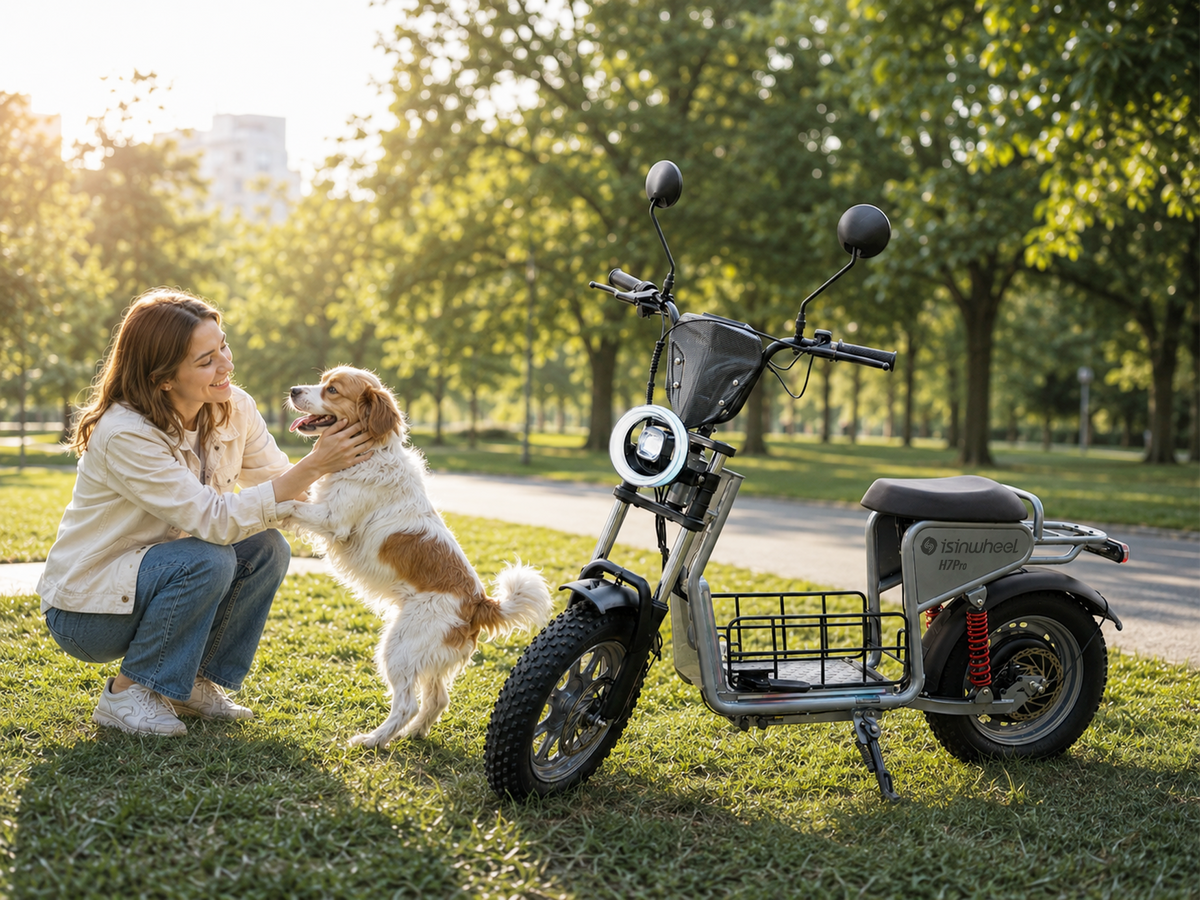
The isinwheel H7Pro 1200W High-End Commuting Electric Scooter with Seat brings strong hardware for Electric scooter safety features: a 1200W motor, 48V 18.2Ah battery, 43-mile max range, 16x4-inch pneumatic tires, dual hydraulic suspension, and EABS plus disc braking. Those features help compared with lighter, smaller Electric Scooters, and the added seat can reduce fatigue. Still, the scooter format remains more sensitive to sudden defects and abrupt stops than most Electric Bikes.
Shop: isinwheel H7Pro 1200W High-End Commuting Electric Scooter with Seat
Road surface and weather tolerance
Surface quality decides a surprising amount of real-world safety. Wet paint, steel plates, broken asphalt, and patched concrete all punish small wheels faster. That is why many commuters who start with Electric Scooters move toward Electric Bikes once routes get longer or rougher. More tire volume usually means better grip feel and more time to react.
Best fit
- Rough streets: Electric Bikes
- Tight storage: Electric Scooters
- Longer commutes: Electric Bikes
- Short smooth hops: Electric Scooters
For bad pavement, the U8 bike format generally gives you more confidence. For compact apartments or office carry-in routines, the H7Pro still makes sense if you prioritize portability over maximum safety margin. If you also compare wider mobility categories like Electric Skateboards, those usually demand even more surface quality and rider skill than either bikes or scooters.
How to choose for your commute
If safety is your first filter, start with route conditions instead of marketing claims. Then use storage, distance, and rider confidence as your tie-breakers.
| Factor | Safer lean |
|---|---|
| Longer commute | E-bike |
| Tight storage | Scooter |
| Rough pavement | E-bike |
| Mixed fast traffic | E-bike |
| Protected bike lanes | Both |
| Quick indoor parking | Scooter |
Best Practices & Pitfalls
A safer commute depends more on habits than horsepower. Certified helmets, lower approach speeds, and basic checks often matter more than whether you bought one of the best electric scooters for commuting or one of the more lightweight electric bikes.
Best Practices
- Wear a certified helmet every ride.
- Slow before intersections and driveway crossings.
- Check tire pressure, brakes, and lights weekly.
- Use bright front and rear lighting, even at dusk.
Common Pitfalls to Avoid
- Overvaluing top speed marketing.
- Riding worn tires in rain.
- Ignoring local lane rules.
- Treating the first week like you already know the vehicle.
Conclusion
So, is an e-bike safer than an electric scooter for urban commuting? For most people, yes. Electric Bikes usually provide a wider safety margin because they are steadier on rough streets, easier to control under braking, and easier for traffic to see. Electric Scooters still have a clear role when compact storage dominates your decision, but they ask more from your balance and your route quality. If your goal is eco-friendly transportation with the best everyday urban stability, an e-bike is usually the safer pick.
FAQ
Which is easier to control: an e-bike or an electric scooter for a beginner commuter?
For most beginner commuters, an e-bike is easier to control. Larger wheels, a longer frame, and a seated position usually create more stability at low and medium speeds. You also get more room to shift your weight during turns and stops. That gives you a bigger margin for small mistakes.
How do electric scooters compare to e-bikes for range and speed, and which offers better value?
Electric Scooters can offer strong speed and useful range in a compact package. E-bikes often deliver a better comfort-to-range balance for daily commuting, especially on rough pavement. In this comparison, the U8 is listed at 28 MPH and 45-65 miles per charge, while the H7Pro is listed at 38 MPH and 43 miles max range. Value depends on whether you need storage efficiency or day-to-day riding confidence.
Which vehicle is easier to store and park in the city: an e-bike or scooter, considering convenience and space?
An electric scooter is usually easier to store in the city. It takes less floor space, is simpler to bring into an office, and fits better in apartments with limited entry space. That matters if your commute includes stairs, elevators, or transit transfers. If storage is your biggest pain point, a scooter often wins.
What are the pros and cons of using an e-scooter versus an e-bike for commuting in the city?
E-scooters are compact, convenient, and well suited to short urban trips. E-bikes usually feel steadier, more visible, and more forgiving on broken pavement. Scooters can save space, but they react faster to potholes and painted slick spots. Bikes use more space, but they usually reduce rider stress over longer commutes.
Should I buy an e-bike or an electric scooter for daily city use, depending on my commuting needs?
Choose an e-bike if you care most about stability, comfort, and rough-road confidence. Choose a scooter if portability, easy storage, and short-distance convenience matter more. Think first about your street quality, commute length, and parking reality. Then pick the format that lowers risk in your real routine.
Is an e-bike safer than an electric scooter for commuting in urban areas, considering safety features and storage?
In many real urban conditions, an e-bike is safer for most riders. Wheel size, posture, and braking composure usually create a wider margin for error. A scooter can still be the right choice when storage limits are severe or your route is short and smooth. Safety features help both, but basic vehicle geometry still matters most.
Table of Contents
- Introduction
- E-bike and scooter safety fundamentals
- Stability and rider posture
- Braking and emergency maneuvers
- Road surface and weather tolerance
- How to choose for your commute
- Best Practices & Pitfalls
- Conclusion
-
FAQ
- Which is easier to control: an e-bike or an electric scooter for a beginner commuter?
- How do electric scooters compare to e-bikes for range and speed, and which offers better value?
- Which vehicle is easier to store and park in the city: an e-bike or scooter, considering convenience and space?
- What are the pros and cons of using an e-scooter versus an e-bike for commuting in the city?
- Should I buy an e-bike or an electric scooter for daily city use, depending on my commuting needs?
- Is an e-bike safer than an electric scooter for commuting in urban areas, considering safety features and storage?


Share:
An Useful Guide: Key Off-Road E-Bike Features to Maximize Value
3 Easy-to-Ride Family Scooters for Neighborhood Errands Under $500