


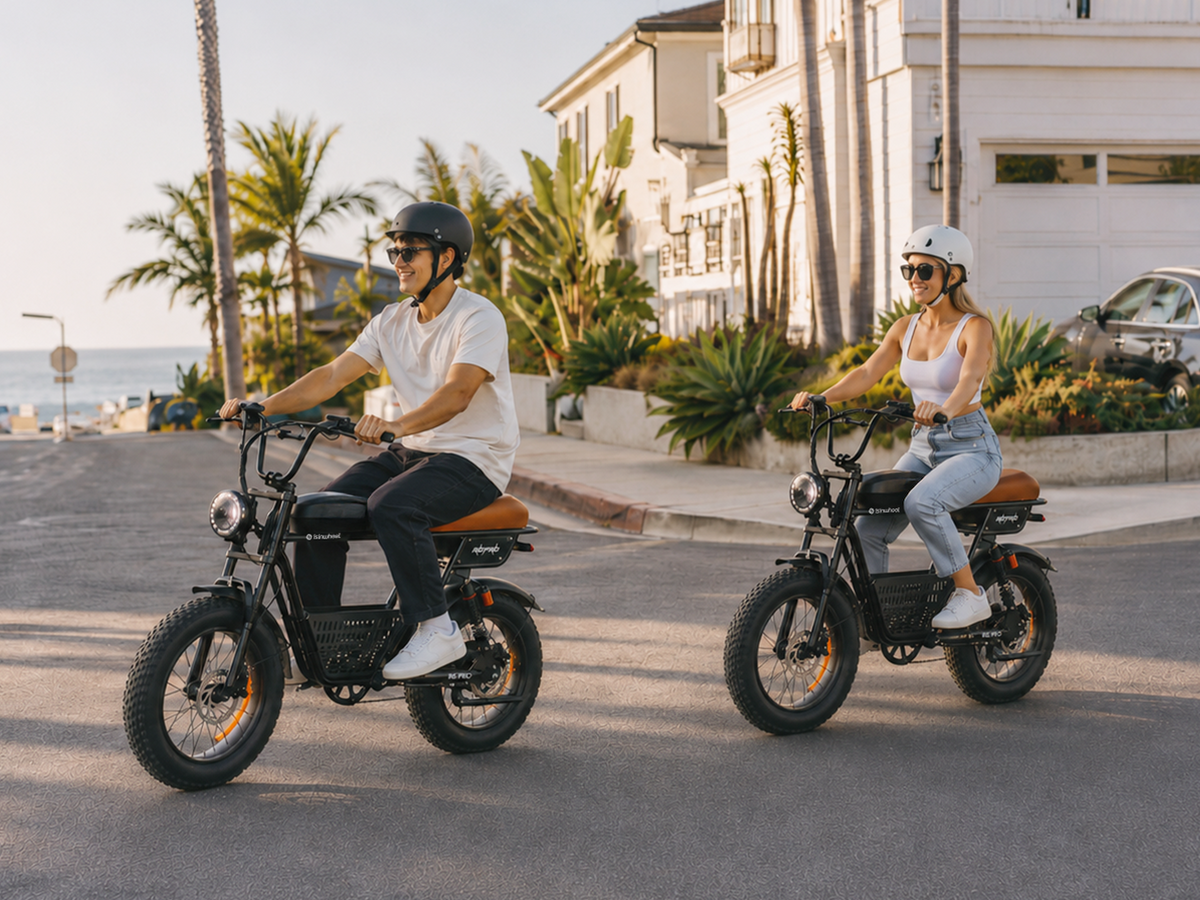

Mud, Sand, or Gravel: Which Terrain Drains an Electric Dirt Bike Battery Fastest?
The Short Answer: Soft Sand Usually Wins (or Loses)
Soft, deep sand usually drains an electric dirt bike battery fastest. Deep, sticky mud comes in a close second, and gravel is typically the easiest on the battery. The rule is simple: the softer the ground, the harder the motor has to work just to keep the bike moving.
That said, the real answer depends on how deep, how wet, and how steep the terrain is. A loose, rocky gravel climb can use more power than a firm, flat patch of sand. Below, we break down how each surface affects your range and what you can do to get more distance out of every charge.
Why Terrain Changes Battery Life
Your battery does two main jobs. It pushes the bike forward, and it fights whatever is slowing you down. On pavement, the main drag is wind and tire friction. Off-road, the ground itself pushes back.
On soft surfaces, the tires sink in and have to climb out over and over. Every time the wheel digs a little, the motor needs more power to keep up speed. More power means more battery, which is why two riders on the same bike can see very different range in the same afternoon.
Rider weight, speed, and throttle habits matter too. This article on how rider weight, cargo, and terrain change real-world range is a helpful companion if you want to estimate your own numbers.
Sand: The Biggest Battery Drain
Why Sand Is So Tough
Sand gives way under the tire, so the bike never gets a firm grip. The wheels spin, the front end can wander, and you often need extra throttle just to stay upright and moving. All of that costs energy.
Where You Will Feel It
Riders in places like the Oregon Dunes or the Glamis dunes in California know that sand days feel different from forest days. Even a short loop can use a surprising amount of battery.
How to Save Power in Sand
- Keep your speed steady and use momentum instead of repeated hard acceleration.
- Look for the firmer, damp sand and avoid deep, dry patches when you can.
- Lower your tire pressure slightly for better float, and check your bike’s manual first.
- Turn back earlier than usual, since range can drop fast.
Mud: Heavy, Sticky, and Unpredictable
Why Mud Drains the Battery
Thin, wet mud on firm ground is manageable. Deep, thick mud is another story. Tires sink, grip comes and goes, and mud packs onto the wheels, fender, and frame, adding weight. Wheelspin is the real battery killer here, because spinning tires use power without moving you forward.
Where You Will Feel It
After a few rainy days, forest trails across the Pacific Northwest can turn into long stretches of soft mud. If you ride there, expect your range to shrink noticeably.
How to Save Power in Mud
- Choose the smoothest, firmest line, and avoid deep ruts.
- Use a light throttle to prevent wheelspin.
- Rinse off caked mud when you stop, since it adds weight.
- Dry the bike and check connectors after the ride. For more on wet trails, read this guide to how rain, mud, dust, and cold affect electric bikes.
Gravel: The Gentlest of the Three
Why Gravel Is Easier
Compacted gravel gives the tires something solid to push against, so rolling resistance stays fairly low. Forest service roads and packed gravel paths are some of the most battery-friendly surfaces you can ride off pavement.
When Gravel Gets Harder
Loose, deep gravel behaves more like a thin layer of marbles. The tires slip, the bike moves around, and the motor works harder. Steep gravel climbs also use more power than flat ones, no matter how firm the surface is. National Forest roads in the Rockies, for example, often mix smooth stretches with loose, steep sections.
Quick Comparison: How the Three Terrains Stack Up
| Terrain | Battery Drain | Main Reason |
|---|---|---|
| Soft sand | Highest | Tires sink and grip is poor |
| Deep mud | High | Sinking, wheelspin, and added weight |
| Packed gravel | Lowest | Firm surface, low resistance |
| Loose, steep gravel | Medium to high | Slipping and climbing |
Tips to Stretch Your Range on Any Terrain
Good habits help on every surface, and most of them cost nothing.
- Start with a full charge and check your battery level often.
- Use a lower power mode on soft ground if your bike offers one.
- Keep your tires in good shape and at the right pressure.
- Ride smoothly. Sudden throttle bursts drain the battery quickly.
- Plan a turnaround point at about half your battery on soft terrain. For a typical 10-mile trail loop, that means checking your battery by the 5-mile mark.
Which Bike Handles Tough Terrain Best?
No bike is immune to soft ground, but more power and a bigger battery give you a bigger safety buffer. Here are three isinwheel options to compare:
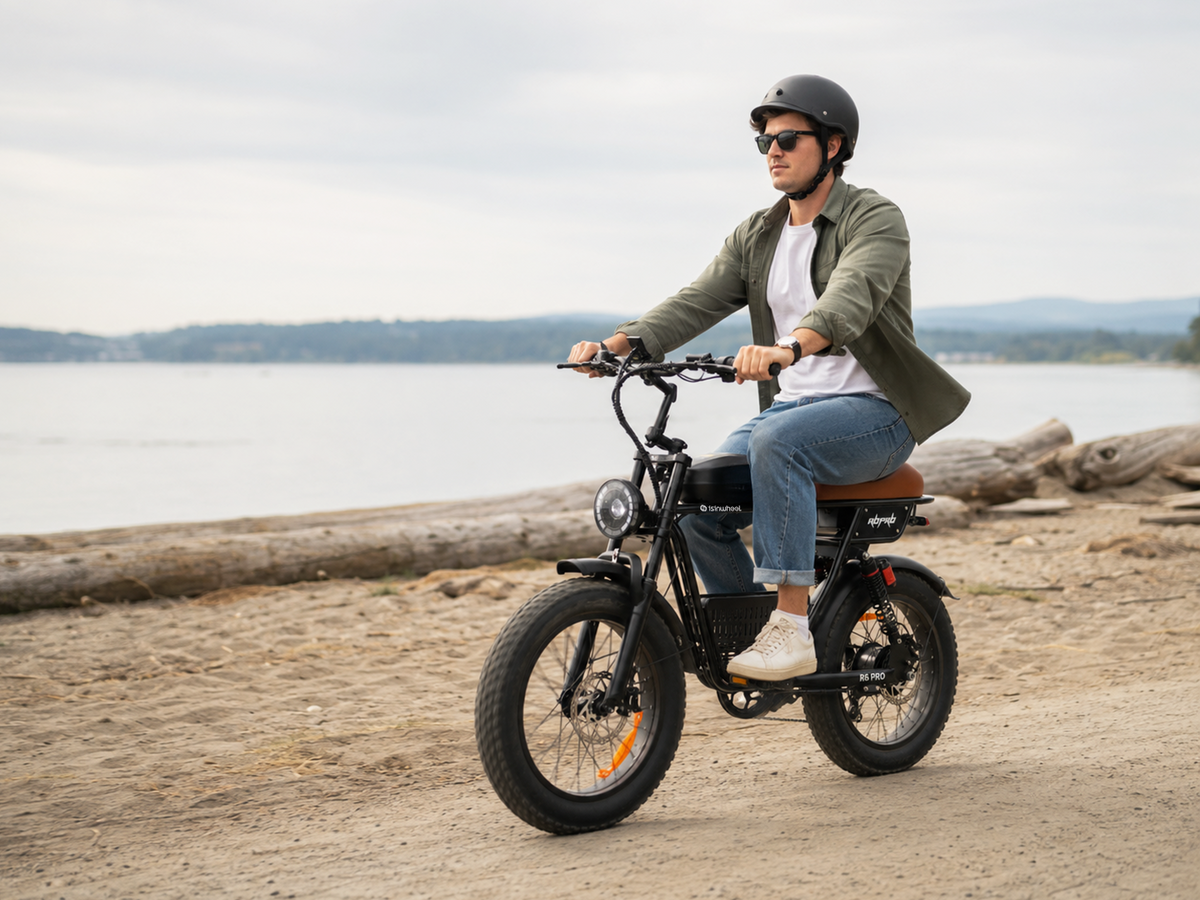
- The isinwheel R6 Pro Electric Dirt Ebike Combo has 1500W motor power, a 35 mph top speed, and a 51-mile listed range, with 20 x 4 inch fat tires that can help on soft ground.
- The isinwheel R8 Electric Dirt Bike offers 3000W peak power, a 35 mph top speed, and an 80-mile listed range, a good all-around pick for mixed terrain.
- The isinwheel Monster Pro Mid-Drive Electric Dirt Bike has 5000W max power, a 50 mph top speed, a 70-mile listed range, and a 60V 27Ah battery for riders tackling tougher ground.
Remember that listed range comes from ideal conditions, so expect less on sand and mud.
Plan for the Ground You Ride On
Sand drains an electric dirt bike battery fastest, deep mud follows closely, and firm gravel is the kindest of the three. But no terrain rule is perfect, because depth, moisture, hills, and your riding style all shift the numbers. The smartest move is to treat soft ground as a range-cutting zone, keep a healthy battery buffer, and ride smoothly. Do that, and you will make it back with charge to spare.
Questions Riders Ask About Terrain and Battery Life
Which terrain uses the most battery on an electric dirt bike?
Soft, deep sand usually uses the most, followed closely by deep mud.
Does mud ruin an electric dirt bike battery?
No, mud itself does not ruin a battery, but you should clean and dry the bike afterward and avoid deep water.
Can fat tires improve range on soft terrain?
Wider tires can help the bike float and grip better, which may reduce wasted power.
How much range should I expect on sand compared with gravel?
Expect noticeably less on sand, so plan your ride around the lower number rather than the listed range.


Share:
The Quiet Trail Advantage: What You Hear (and Don’t) on an Electric Dirt Bike
Teaching Teens to Ride Off-Road: Why Electric Dirt Bikes Make Better First Teachers