


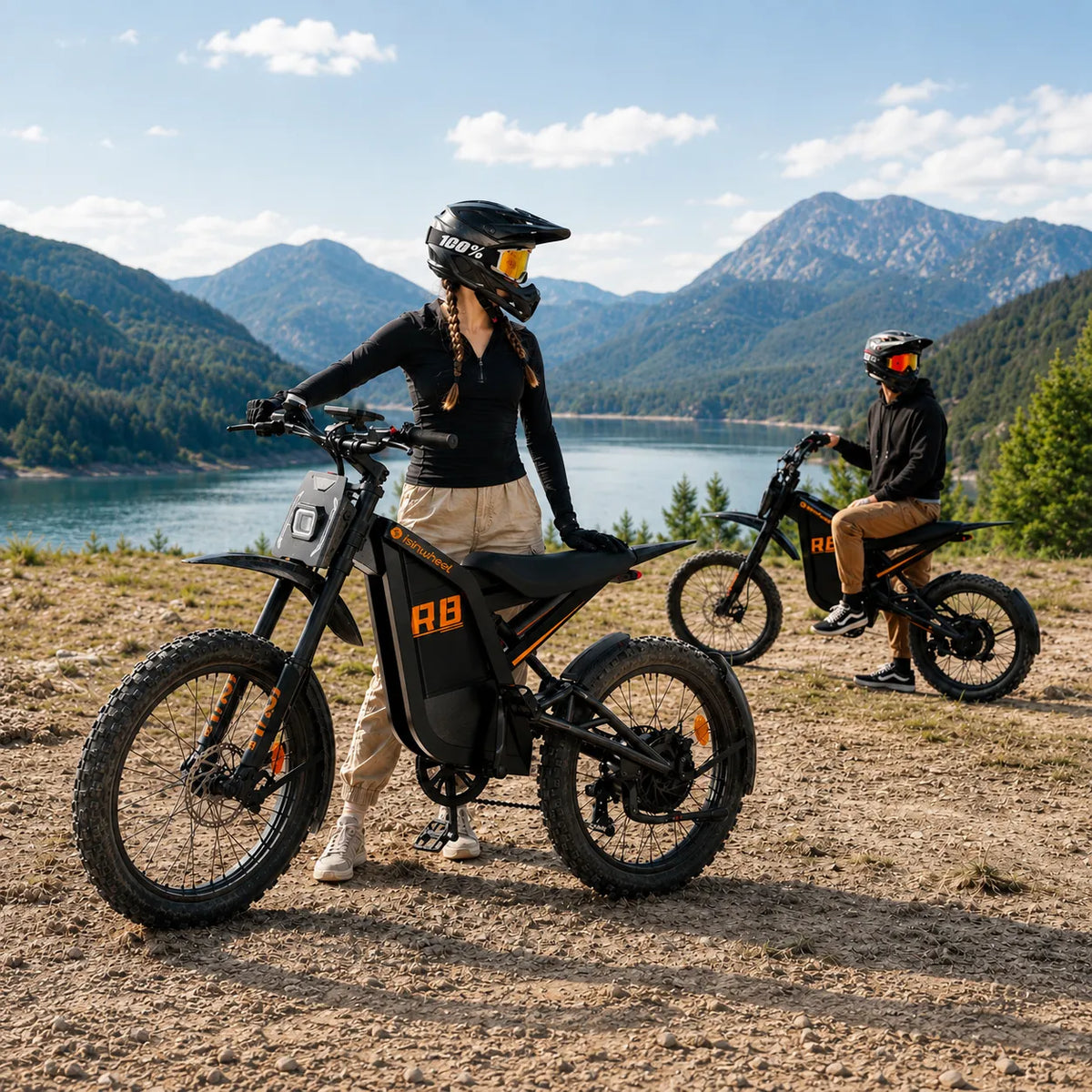

Teaching Teens to Ride Off-Road: Why Electric Dirt Bikes Make Better First Teachers
The Short Answer: Simple Controls and Calm Power
Electric dirt bikes make better first teachers because they remove the hardest parts of learning. There is no clutch, no gear shifting, and no stalling, so a teen can focus on balance, steering, and braking. The ride is also quiet, which means a parent or coach can speak in a normal voice and be heard.
Of course, no bike makes riding risk free. Gear, supervision, and a smart plan matter more than the motor type. This guide explains what makes electric bikes friendly for beginners, how to run the first lessons, and what to check before you start.
What Makes Electric Bikes Easier to Learn On
No Clutch, No Gears, No Stalling
On a gas bike, new riders juggle a clutch, a shifter, and a throttle while also trying to stay upright. Stalling in the middle of a turn or on a hill is common and frustrating. An electric bike skips all of that. You twist the throttle to go and release it to slow down.
Smooth, Predictable Power
Electric motors deliver power in a steady, linear way, without the sudden surge that comes when an engine “catches.” That helps a beginner learn how much throttle equals how much speed. If you want to understand how power and torque shape that feel, this guide on what makes an electric dirt bike feel fast breaks it down in plain English.
Quiet Enough to Coach
Loud engines make instruction hard. With an electric bike, you can call out simple tips like “look ahead” or “ease off the throttle” while your teen is riding. Quiet riding also helps teens hear their surroundings, which is a real safety benefit.
Less Mess, Less Maintenance
There is no fuel to mix, no oil to change, and no hot exhaust pipe to brush against. That means fewer things to teach, and more time actually riding.
Safety First: Gear and Ground Rules
Before the first ride, set the rules. Electric bikes may be quiet, but a fall is still a fall.
- Wear a properly fitted helmet, gloves, eye protection, sturdy boots, and long sleeves and pants.
- Consider knee and elbow guards and a chest protector for added protection.
- Always have an adult supervising, and keep the first sessions short.
- Check state and local laws on age limits, helmets, and where you can ride.
- Read the manufacturer’s guidance on rider age, weight, and use before buying.
Teens should also learn to treat the bike with respect. A quiet bike can surprise people on the trail, so teach them to slow down near hikers, pets, and blind corners.
Choosing a Safe Place to Learn
The best classroom is a flat, open space away from traffic, such as a large private field or an approved riding area. Avoid roads, steep hills, and crowded parks. Whether you live near the Appalachian foothills or open ranch land in Texas, the goal is the same: lots of room, a soft surface, and no surprises.
Mark out a practice area about 50 by 100 feet. Place a few cones or markers about 10 feet apart for turning drills. Make sure the area is free of rocks, ditches, and fences, and keep other people and animals well away.
A Simple Lesson Plan for Beginners
Lesson 1: Meet the Bike
Start with the bike off. Show the throttle, brakes, and power switch. Let your teen sit on the bike, practice standing on the pegs, and pull the brakes. Then turn it on and practice walking beside the bike while using the throttle gently.
Lesson 2: Start, Stop, and Straight Lines
Have your teen ride in a straight line at about walking speed, roughly 5 mph, and then stop smoothly. Repeat it many times. Teach them to look where they want to go, not at the ground in front of the tire. Focus on easy throttle and gentle braking.
Lesson 3: Turns and Cones
Set up the cones and practice wide, slow turns, then tighter ones. Remind your teen to keep their head up and their weight balanced. Praise smooth riding, not speed.
Lesson 4: Bumps, Hills, and Loose Ground
Once the basics feel natural, add small bumps and gentle slopes. Teach them to stand on the pegs, keep knees slightly bent, and let the bike move underneath them. Keep sessions short, because tired riders make mistakes.
Lesson 5: Trail Manners
Finally, cover trail etiquette. Yield to people on foot, pass wide and slow, stay on marked routes, and never ride alone. For a wider look at how this compares with gas power, this article on whether an electric dirt bike can replace a gas pit bike covers noise, power, and upkeep.
What to Look for in a First Electric Dirt Bike
More power is not better for a beginner. Look for manageable speed, a balanced frame, solid brakes, and a bike the rider can handle when it falls over. Here are three isinwheel models to compare:
- The isinwheel R6 Mini Ebike has 1000W max power, a 32 mph top speed, a 32-mile listed range, and 16 x 4 inch fat tires. It is the most compact of the three.
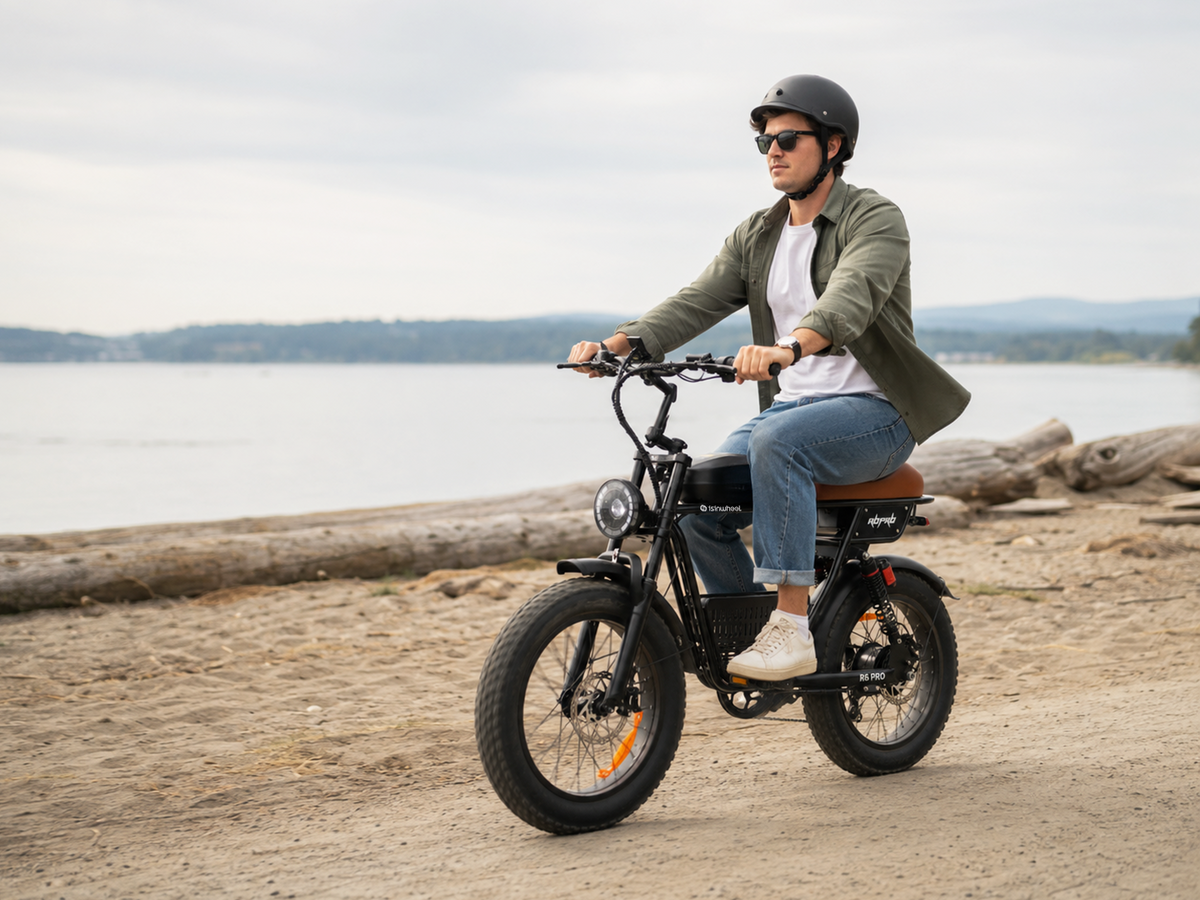
- The isinwheel R6 Pro Electric Dirt Ebike Combo offers 1500W motor power, a 35 mph top speed, a 51-mile listed range, and 20 x 4 inch fat tires for a steadier ride.
- The isinwheel R8 Electric Dirt Bike offers 3000W peak power, a 35 mph top speed, and an 80-mile listed range, which is a lot of power for a new rider.
Always check the manufacturer’s rider guidance for each model, and let skill, not specs, decide when your teen is ready for more.
Growing Confidence, One Ride at a Time
Electric dirt bikes lower the barrier for teens by making the controls simple, the power smooth, and the lessons easy to hear. But the real teacher is the plan: good gear, a safe space, short lessons, and an adult who stays patient. Start slow, build skills step by step, and let your teen earn each new challenge. Done right, those first rides can set up years of safe, confident time outdoors.
Questions Parents Ask About Teen Riders
What age is right for a teen to start riding an electric dirt bike?
It depends on the rider’s size, skill, and local laws, so follow the manufacturer’s guidance and your local rules.
Do teens still need a helmet on a quiet electric bike?
Yes, a helmet and full protective gear are essential on every ride, no matter how quiet the bike is.
Are electric dirt bikes safer than gas bikes for beginners?
They are easier to control for beginners, but safety still depends on gear, supervision, and good habits.
How long should a first lesson last?
Keep first sessions to about 20 to 30 minutes, with breaks, so your teen stays focused and fresh.

Share:
Mud, Sand, or Gravel: Which Terrain Drains an Electric Dirt Bike Battery Fastest?
The Backyard Track Blueprint: Building a Safe Dirt Bike Course for Your Electric Ride