


The Short Answer: Yes, for Most Weekend Riders
Yes, an electric dirt bike can replace a gas pit bike for most weekend riders. It delivers strong, instant power, runs quietly, and needs far less upkeep. The main trade-offs are limited range and charging time, which matter less if your rides are short and close to home.
Gas pit bikes have been the weekend favorite for decades, so the switch is a big decision. Below, we compare how each one feels, what it costs you in time and effort, and who should stick with gas.
Power and Ride Feel
Instant Torque vs. Engine Revs
A gas pit bike builds power as the engine revs, so you often shift, clutch, and keep the engine in its sweet spot. An electric motor gives you torque the moment you twist the throttle. That makes climbs and quick launches feel smooth and easy, especially for newer riders. Instant torque also means the front wheel can lift easily, so ease into the throttle at first.
Top Speed and Real-World Power
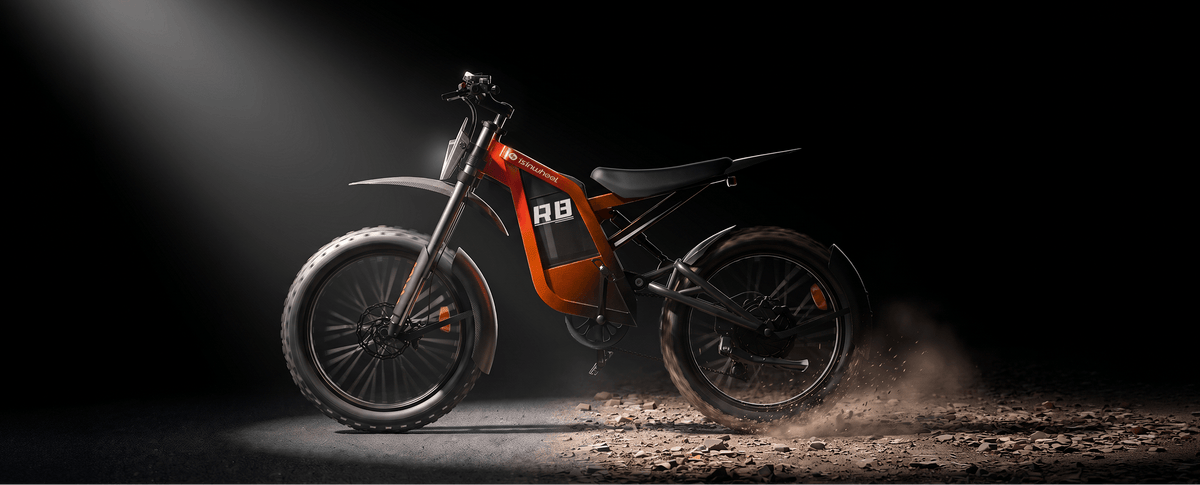
Power numbers are not just for show. The iSinwheel R8 is listed with 3000W peak power and a 35 MPH top speed, which is plenty for trails and open dirt. If you want more, the iSinwheel Monster Pro is listed at 5000W max power and 50 MPH, a step up for riders who want serious speed. Always ride at a speed that matches your skill and your terrain.

Noise, Smell, and Neighbors
This is where electric wins by a mile. A gas pit bike is loud and leaves a smell of fuel and exhaust on your clothes. An electric dirt bike is far quieter, so you can ride earlier or later in the day with fewer complaints. It also helps you hear your surroundings, which is a real safety bonus on shared trails. Local rules still apply, so check where riding is allowed.
Maintenance and Running Costs
What Gas Bikes Ask For
A gas pit bike needs fuel, oil changes, air filter cleaning, spark plug checks, and sometimes carburetor tuning. Fuel can go stale if the bike sits for weeks, which is common for weekend riders. Starting a cold engine can also be a hassle, especially after a long week.
What Electric Bikes Ask For
An electric dirt bike skips most of that. There are no engine oil changes, spark plugs, or carburetor. Your routine is charging the battery, checking tire pressure, keeping the chain clean, and inspecting brakes. Stored indoors and charged properly, the battery is ready when Saturday comes. Our electric bike battery guide covers simple habits that protect battery life.
Cost Over Time: More Than the Price Tag
Price is only part of the story. A gas pit bike can cost less to buy, but fuel, oil, filters, and repairs add up over a season. An electric dirt bike often shifts the cost to the battery up front, then saves on fuel and routine parts. Charging at home costs far less than filling a gas can each weekend. The more weekends you ride, the more those savings add up.
Range, Charging, and Weight
How Far Will It Go?
Range is the biggest worry for new electric riders, but weekend riding rarely needs a full day of distance. The R8 is listed with up to 80 miles of range, and the iSinwheel Monster is listed at up to 65 miles. Real range drops with hills, rider weight, speed, and sand or mud, so plan your ride with some buffer. A good rule is to turn around while you still have about a third of the battery left. Cold weather, below 32°F, can reduce battery range, so ride shorter loops in winter.

Charging and Carrying
The trade-off is time. A one-gallon gas tank refills in a minute, while a battery needs several hours to charge. If you ride long sessions, plan breaks or shorter loops between charges. Electric bikes can also be heavy, so think about how you'll load and unload it from a truck or trailer.
Choosing the Right Electric Dirt Bike for Your Riding
Not every rider needs the same bike. The R8 suits riders who want a balance of speed and range for trails. The Monster is listed for both teens and adults, which can work for families sharing weekend rides, as long as a parent checks the size and power fit. The Monster Pro, with its mid-drive setup and higher power, is better for experienced riders who are already comfortable at higher speeds. Always match power to skill, not to excitement.
Who Should Still Pick a Gas Pit Bike?
Gas still makes sense for some riders. If you ride far from outlets, spend all day on remote trails, or love the sound and feel of an engine, gas may suit you better. Gas bikes are also easy to refuel on the spot, which helps on long rides. And if you already own a well-kept pit bike you enjoy, there is no rush to replace it. For a deeper comparison, see our guide to the difference between an electric bike and an electric dirt bike.
Where and How to Ride Safely
Weekend riding is more fun when it's safe. Wear a helmet, gloves, boots, and eye protection, and add knee and elbow guards if you ride rough terrain. Check local rules first, since many electric dirt bikes are meant for private land or designated off-road areas, not public streets. Popular OHV areas like Hungry Valley in California are good examples of places built for off-road riding. Start in a low power mode if your bike has one, and build up speed slowly. Our guide to the best iSinwheel electric bikes for long commutes, cargo, adventure, and everyday riding can help you compare options.
Electric Is Ready for the Weekend, If Your Rides Fit
An electric dirt bike can replace a gas pit bike for most weekend riding. You get strong power, quiet rides, and almost no engine upkeep. You give up quick refueling and unlimited range. Think about how far you ride, where you ride, and how much you enjoy wrenching, and the right choice becomes clear.
What Weekend Riders Ask Before Switching
Is an electric dirt bike as fast as a gas pit bike?
Many electric models match typical pit bike speeds, and the Monster Pro is listed at 50 MPH.
Do electric dirt bikes need less maintenance?
Yes, because there is no engine oil, spark plug, or carburetor to maintain.
How long does it take to charge an electric dirt bike?
Most need several hours, so charge it the night before your ride.
Can I ride an electric dirt bike on public roads?
Usually not, so check your local laws and stick to private land or approved off-road areas.


Share:
What Happens to an Electric Bike After 1,000 Miles? A Real-World Wear & Maintenance Guide
How Rider Weight, Cargo, and Terrain Change Your E-Bike’s Real-World Range