



Dual vs. Single Motor for Hills: Torque, Weight, and Real Tradeoffs
Map your actual hills before comparing motor layouts
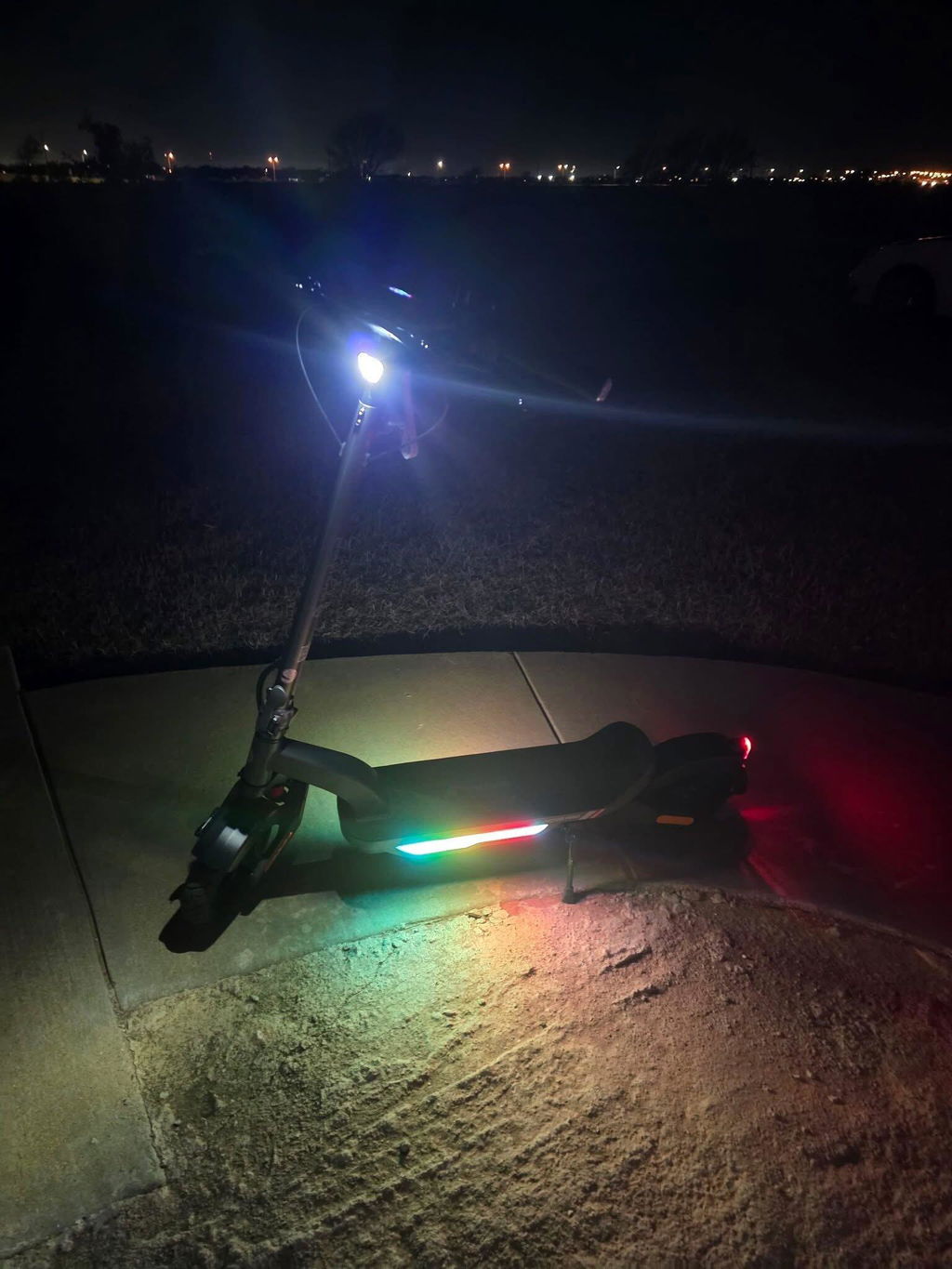
A scooter that feels perfectly fine on flat streets can become frustrating once your commute adds bridge ramps, parking-garage exits, stop-and-go inclines, or a heavier backpack. That is why the real dual motor vs single motor scooter decision usually shows up on hills, not on the spec card. If you choose too little climbing support, you may lose speed uphill, drain the battery faster, and end up replacing the scooter sooner than expected.
Instead of chasing the biggest number, it is smarter to match the scooter to your route. For example, iSinwheel positions the S Nova as a beginner-friendly commuter with 500W rated power, 600W max output, a 20 MPH top speed, a 19-mile stated range, and hill-climbing ability up to 15%, while its GT1 Dual sits in a very different class with dual 800W motors for riders who need far more uphill reserve. The practical choice depends on terrain, rider weight, and how often you need to carry the scooter indoors.
Step 1: Build a route profile
Before you compare torque, write down what your commute actually asks the scooter to do. A short steep ramp and a long moderate grade do not stress the drivetrain in the same way. Likewise, one daily climb is different from five uphill stoplights in a row.
What to do
- Note whether your hills are occasional or repeated.
- Separate flat-road cruising from uphill restart needs.
- Estimate rider-plus-gear weight, not rider weight alone.
- Record whether the route includes rough pavement, brick, or patched asphalt.
- Mark every place where you must carry the scooter upstairs, into an office, or onto transit.
Why this matters
A true electric scooter for hills needs enough low-speed pulling force, not just a high advertised top speed. Repeated climbs also increase energy use, which means your real range can fall well below flat-ground expectations. The U.S. Consumer Product Safety Commission notes that adult e-scooters average about 25 miles of cruising range across the category, while typical battery packs average 360 Wh, so it is important to treat stated range as a best-case figure rather than a guarantee for hilly riding. The same CPSC analysis also notes that e-scooter battery packs commonly last about 500 to 800 discharge cycles, with replacement often recommended after 2 to 3 years for best performance. CPSC
Real route examples
- Apartment commuter: one bridge climb each morning, then a third-floor carry-up at night.
- Suburban errand rider: longer moderate grades, fewer stops, more focus on range.
- Heavier rider with a backpack: repeated uphill restarts where torque matters more than flat speed.
- Beginner in downtown traffic: wants predictable control first, but still needs enough hill support.
What a dual motor scooter actually changes on hills

The biggest upgrade from dual motors is not just higher speed. On hills, dual motors mainly improve launch force, climbing consistency, and speed retention when the scooter is under stress. That is the part many spec-sheet comparisons miss.
Step 2: Focus on torque delivery, not headline speed
When riders ask about scooter torque for climbing, they are really asking whether the scooter can keep moving confidently when the route gets harder. Dual motors spread drive power across two wheels, which usually helps the scooter hold momentum better on steep ramps and feel more planted on mixed traction surfaces.
What dual motors improve
- Stronger uphill starts from a full stop
- Better speed retention under heavier load
- More reserve power on repeated climbs
- More planted traction feel on uneven surfaces
- Less sense of the scooter “bogging down” midway uphill
Brand examples inside the iSinwheel lineup
The S Nova Commuting Electric Scooter is a clear single-motor commuter reference point. iSinwheel lists it at 500W rated power, 600W max output, up to 20 MPH, up to 19 miles of range, 8.5-inch pneumatic tires, dual suspension, front and rear disc brakes, IPX4 water resistance, and a net weight of 49.2 lb, with published climbing ability up to 15%. That makes it a useful baseline for moderate hills and beginner commuting.
Shop: S Nova Commuting Electric Scooter
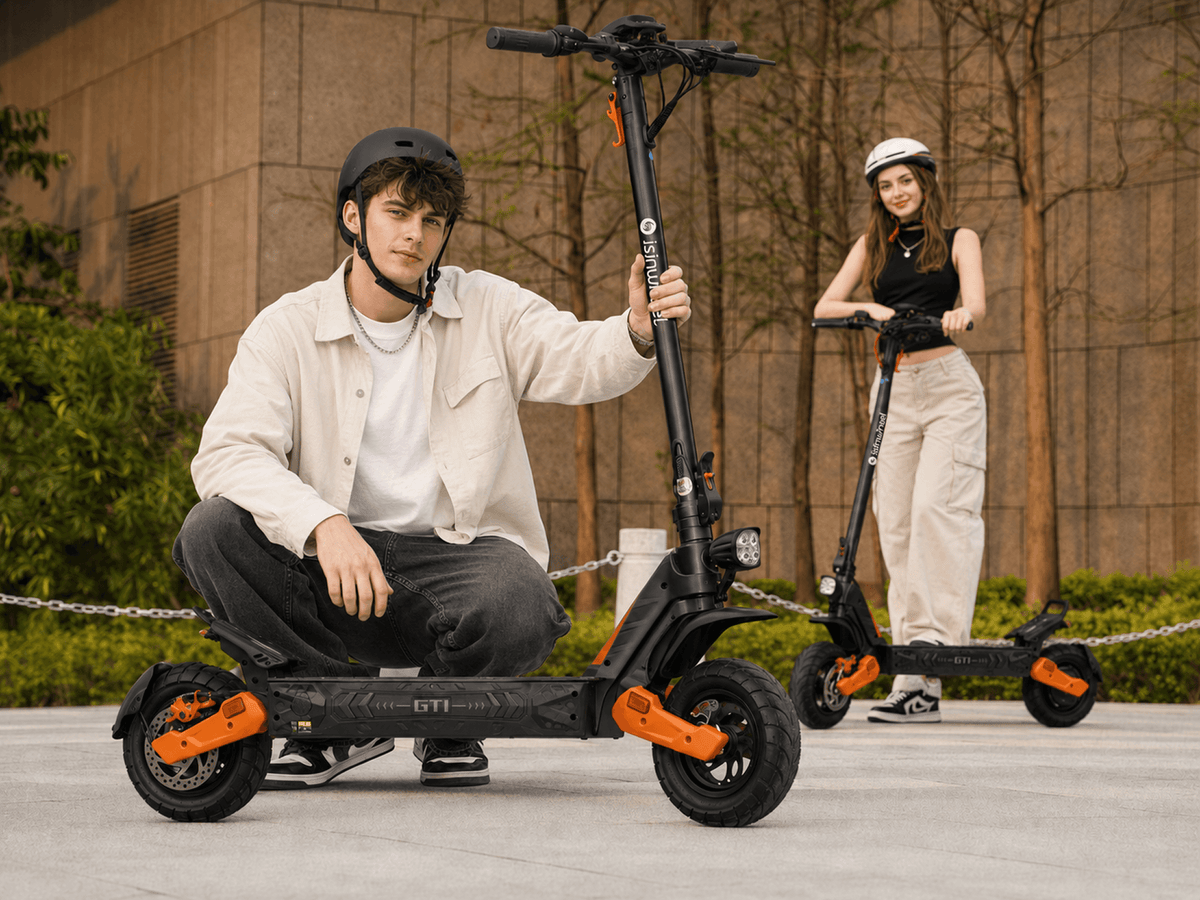
For riders whose route is defined by steeper terrain, iSinwheel’s GT1 Dual points in a different direction. The official GT1 Dual materials describe dual 800W motors, a 48V 13Ah battery, up to 35 miles of range, and a claimed hill-climbing ability up to 35%, with support for single- and dual-motor modes. That combination is much more relevant when repeated climbs, higher rider load, or faster uphill acceleration are the main problem.
Shop: GT1 Dual Motor Electric Scooter
Common mistake
Do not assume dual motor automatically means better for everyone. If your route is mostly flat and you only see one moderate hill, the extra power may solve a problem you rarely have while adding daily weight and bulk you always notice.
Measure the weight penalty against daily handling friction

Power is only half the story. The hidden cost of dual motors is often not on the road but in the moments before and after the ride: carrying the scooter upstairs, lifting it into a trunk, walking it through a hallway, or dealing with it after a dead battery.
Step 3: Compare hill benefit with portability cost
A stronger scooter can improve your ride quality, but the extra mass may reduce your willingness to use it every day. This is where dual motor scooter weight tradeoffs become real, especially for commuters living in apartments or combining scooter travel with trains and buses.
What to check
- Can you lift the scooter one-handed for 10 to 20 seconds?
- Do you face stairs every day?
- Will you store it under a desk or in a tight entryway?
- Can you maneuver it easily when folded?
- How annoying would a dead-battery push be on your route?
iSinwheel weight examples
The S Nova is listed at 49.2 lb, which is manageable for some riders but already substantial if stairs are part of daily life. The S Nova Pro moves toward a stronger commuter middle ground, but iSinwheel lists it at 60.4 lb because of its larger battery and frame. The GT1 Dual is heavier again; iSinwheel materials describe it at about 73 lb, which is a very different ownership experience from a commuter-focused foldable scooter. In other words, a dual-motor upgrade can improve hill confidence while also making everyday storage and carrying much less convenient.
Stronger commuter middle ground
If you need more capability but do not want to jump straight into a heavy performance class, the S Nova Pro is the most useful middle option in this lineup. iSinwheel describes it with a 48V 13Ah battery, up to 38 miles of range, a 1000W maximum motor output, larger 10-inch pneumatic tires, front and rear swing arm suspension, and front and rear disc brakes. For many city riders, that is enough added headroom for comfort and hills without committing to a true dual-motor platform.
Shop: S Nova Pro Commuting Electric Scooter 28MPH
Balance torque against range, battery draw, and heat load
More power can make hills feel easier, but it does not make them free. Climbing always costs energy, and repeated uphill acceleration is one of the fastest ways to reduce real-world range.
Step 4: Estimate your hilly-route battery penalty
This is where torque vs range scooter tradeoffs become more important than top speed. A scooter that climbs effortlessly may still be the wrong commuter choice if its weight and energy draw overshoot what you need for the route.
What changes range on hills
- Frequent elevation gain increases power demand.
- Heavier rider loads raise uphill battery draw.
- Stop-and-go riding is usually less efficient than steady cruising.
- Larger tires and suspension improve comfort, but they do not erase the cost of climbing.
- Aggressive throttle use turns spare torque into faster battery drain.
Why this matters in practice
CPSC’s 2025 preliminary regulatory analysis says adult e-scooters in the market commonly average top speeds from 12 to 24 mph, sometimes higher, with an average cruising range of about 25 miles. That marketwide figure is a useful reminder: once you add hills, wind, rider weight, and repeated acceleration, your real range can differ a lot from a clean test number. Riders should therefore size battery and motor layout around their hardest days, not their easiest route. CPSC
What to watch
- A single-motor scooter that is near its limit may lose speed sharply midway uphill.
- A dual-motor scooter may feel effortless on the same climb, but that does not mean it is more efficient.
- For occasional hills, a stronger single-motor commuter can be the better balance.
- For repeated steep grades, dual motors may save frustration even if they cost more range per ride.
Use a simple decision framework to choose the right setup
At this point, the best choice usually becomes clearer. You are not deciding which scooter sounds more powerful. You are deciding which layout makes the fewest compromises for your real commute.
Step 5: Match the scooter to your route and rider profile
A good buying decision should feel obvious once you map hills, rider load, and carrying needs together. This is the fastest way to decide between a single motor scooter for beginners, a stronger commuter, or a true hill-focused dual-motor setup.
Choose single motor if
- Your hills are moderate, not steep or repeated.
- Daily distance is short to mid-range.
- You carry the scooter often.
- Predictable beginner control matters more than hard acceleration.
- You want the simplest commuter scooter hill climbing solution that still works.
Choose a stronger commuter middle ground if
- You need more comfort, range, and braking confidence.
- Your route includes rough pavement and longer city miles.
- Moderate hills are common, but extreme climbs are not.
- You want more reserve than entry-level scooters offer.
- Portability still matters enough to avoid a very heavy platform.
Choose dual motor if
- Hills are steep or frequent.
- You are a heavier rider or often carry gear.
- Uphill restarts in traffic feel like a priority issue.
- You already know a basic commuter feels underpowered.
- You need the best electric scooter for hilly commuting more than the lightest scooter.
Which setup fits beginners in hilly cities without overbuying?

Many riders assume that more power is always safer. In reality, beginners usually do best with the lowest-complexity scooter that can still handle the hardest part of the route with confidence.
Step 6: Pick the lowest category that solves your actual problem
For newer riders, the goal is not maximum output. It is enough climbing ability, braking confidence, and ride comfort to remove stress from the commute. That makes route matching more valuable than buying the most aggressive scooter you can find.
Beginner-friendly recommendations by scenario
- Moderate hills, shorter commute, regular carry-up: S Nova makes the most sense.
- Longer city route, rougher pavement, more comfort needed: S Nova Pro is the better fit.
- Steep hills, repeated uphill stoplights, higher rider load: GT1 Dual is the clearest direction.
Safety and prerequisite checks before hill riding
Before testing any hill, confirm the scooter is set up correctly. The latest CPSC micromobility injury report says e-scooters were associated with an estimated 380,000 emergency-department visits from 2017 through 2024, and only 18% of injured riders in the 2024 special study reported wearing a helmet. The same study found 20% of injuries involved reported visibility issues and 32% of injured riders were carrying or holding something while riding, which matters because hill starts and descents already reduce your margin for error. CPSC
What to do before repeated hill use
- Check brake feel before every hilly ride.
- Set tire pressure correctly, especially on pneumatic commuter tires.
- Treat published hill ratings as guidance, not guarantees under every load.
- Wear a helmet and visible clothing for hill traffic starts and descents.
- Test uphill restarts in a quiet area before mixing with cars.
- Avoid carrying loose items in your hands while climbing or descending.
Troubleshooting common hill problems
If a scooter feels wrong on hills, the fix is often simpler than “buy the most powerful model.” Usually, the issue comes down to route mismatch, rider load, or unrealistic range expectations.
Hill issue diagnosis
| Problem | Likely Cause | Fix |
|---|---|---|
| Slows sharply uphill | Motor near limit | Stronger commuter or dual motor |
| Range drops too fast | Repeated climbs, acceleration | Upsize battery or shorten assumptions |
| Feels rough on climbs | Small tires, weak suspension | Prioritize pneumatic tires, suspension |
| Powerful but annoying daily | Too much weight | Step down a class |
What to watch
- If the route has one difficult hill but daily carry-up, lighter weight may matter more than raw output.
- If the scooter struggles at every uphill restart, added torque is probably worth the penalty.
- If comfort is the issue, larger pneumatic tires and better suspension may help more than a second motor.
FAQ
Trying to decide between a dual-motor and a single-motor rig. Aside from the price, what am I actually gaining
Aside from price, a dual-motor setup mainly gives you more torque at low speed, stronger hill starts, better acceleration under load, and less performance drop on steep grades or with heavier riders. You also gain extra traction because power is shared across both wheels, which can feel more stable on loose, wet, or uneven surfaces. The tradeoff is usually more weight, lower portability, and sometimes shorter range if you ride aggressively, so a single motor still makes more sense for moderate hills and everyday commuting. In short, dual motor is worth it when steep climbs, frequent uphill stops, or higher rider load are part of your normal ride—not just for higher top speed.
Dual motor vs. Single motor: How much of a game-changer is it for hill climbing and torque
It’s a meaningful upgrade for hill climbing: dual motors improve launch torque, hold speed better on steep grades, and reduce the strain that a single motor feels during uphill starts or long climbs. A single motor can still handle moderate hills if the scooter has enough power and the rider/load are within its limits, but performance drops faster as slope, weight, and stop-and-go climbing increase. The tradeoff is that dual-motor setups usually add weight, cost, and battery consumption, so they are most worth it if your route includes frequent steep hills rather than occasional inclines. In short, single motor is often enough for moderate commuting hills, while dual motor is the bigger game-changer for heavier riders, steeper grades, and repeated uphill riding.
What’s the real-world difference between a dual-motor and a single-motor scooter? Is the extra power actually worth the weight?
In real-world riding, a dual-motor scooter gives you stronger launch, better traction, and much more confidence on steep or repeated hills because both wheels share the work. A single-motor scooter is usually lighter, simpler, and often more efficient for flat or mildly hilly commutes, so it can feel easier to carry, store, and live with every day. The extra power is worth the weight if your route includes steep grades, heavier rider loads, or frequent stop-and-go climbing; if not, the added bulk and lower portability may be a bigger downside than the performance gain. In short, dual motor is the better hill tool, while single motor is often the better everyday choice for moderate terrain.
Is a heavier dual motor scooter harder for beginners to live with?
Yes, the extra weight is often the biggest downside for beginners, especially if you carry the scooter upstairs or store it in tight spaces. A heavier frame can also feel less convenient when folded, parked indoors, or pushed with a low battery. That is why beginners in hilly cities often do best by starting with the lightest setup that still clears their toughest climb. Inside the iSinwheel range, that often means S Nova first, S Nova Pro second, and GT1 Dual only when the route truly demands stronger hill support.
What is the best iSinwheel option for a beginner in a hilly city?
The best option depends on whether your main problem is moderate hills, longer distance, or steep repeated climbs. For flatter to moderately hilly commuting, the iSinwheel S Nova is the most approachable starting point because it combines commuter-friendly speed, disc brakes, dual suspension, and a stated 15% climbing ability. If you need more range, larger tires, and stronger city comfort, the S Nova Pro is the better middle step. If steep hills and weak uphill acceleration are the defining issue, the GT1 Dual is the clearer fit than forcing a beginner commuter scooter into a job it was not built to do.
Table of Contents
- Map your actual hills before comparing motor layouts
- What a dual motor scooter actually changes on hills
- Measure the weight penalty against daily handling friction
- Balance torque against range, battery draw, and heat load
- Use a simple decision framework to choose the right setup
- Which setup fits beginners in hilly cities without overbuying?
- Troubleshooting common hill problems
-
FAQ
- Trying to decide between a dual-motor and a single-motor rig. Aside from the price, what am I actually gaining
- Dual motor vs. Single motor: How much of a game-changer is it for hill climbing and torque
- What’s the real-world difference between a dual-motor and a single-motor scooter? Is the extra power actually worth the weight?
- Is a heavier dual motor scooter harder for beginners to live with?
- What is the best iSinwheel option for a beginner in a hilly city?

Share:
5 Highly Durable Off-Road Electric Scooters for Rough Conditions
How to Choose an Easy-to-Ride Family E-Scooter Under $500