


Three Things That Matter Most Before You Buy
When choosing an electric bike, look for a motor that matches your hills and loads, comfort features that suit your body and routes, and a battery whose real-world range covers your trips with room to spare. If those three points fit your daily life, the rest of the spec sheet matters much less.
In this guide, we explain each one in plain English and show how they work together. The examples use isinwheel models, but the tips work for any brand.
Power: Matching the Motor to Your Ride
What Watts Really Tell You
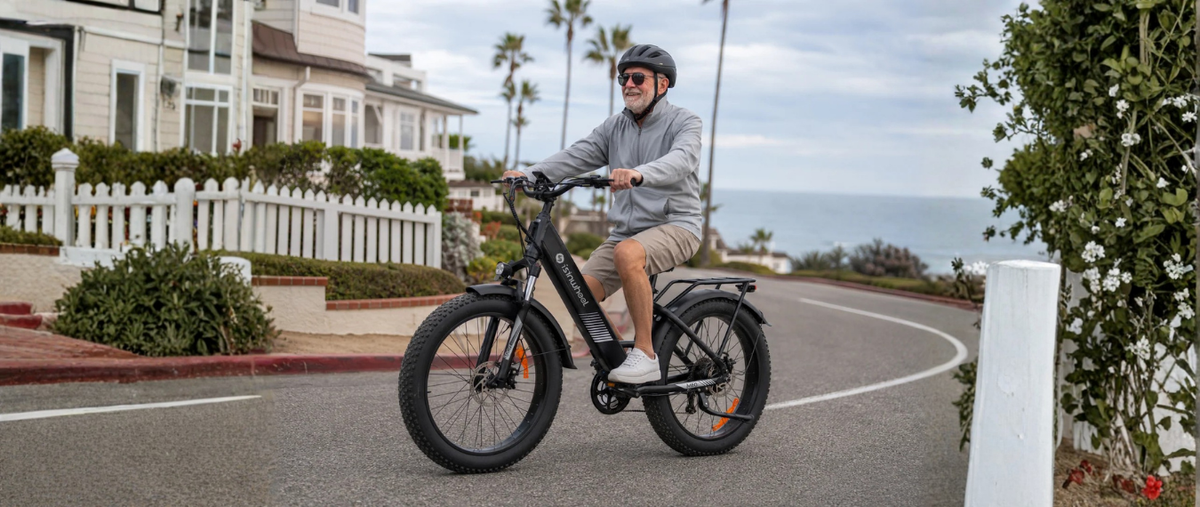
Motor power is measured in watts. In simple terms, a higher number gives you more help on hills and with heavy loads. A motor with plenty of power does not have to work as hard on a climb, which can feel smoother and calmer. The isinwheel M60 all-terrain electric bike lists a 750W motor, while the isinwheel U7S Electric Cargo Bike lists a 1500W motor for hauling more weight. More power is not always better, though. It can use more battery and may not suit your local rules.
Speed and Local Rules
Top speed is another number to read carefully. The isinwheel M10Pro electric bike, for example, lists a 1000W max power rating and a top speed of 22 mph. Rules for electric bikes vary by state and even by city. Check your state and local laws on speed limits, helmets, age limits, and where you can ride. Also make sure the motor power and top speed of any model you consider fit your local limits.
Do Not Forget the Brakes
More power needs better stopping. The isinwheel U8 Ultra electric bike lists hydraulic disc brakes, which usually feel smooth and need less hand effort. The M60 lists mechanical disc brakes, which are simpler to adjust. Either type works well when it is checked often, so look at what suits you and your maintenance habits.
Comfort: What Makes Daily Rides Easier
Fit and Riding Position
A bike that fits well makes every ride better. Check the seat height, the reach to the handlebars, and how upright you sit. If you feel strain in your back, wrists, or neck on a test ride, that is a sign the fit is wrong. If you can, test ride more than one size or style. A few minutes on a real bike tells you more than a long list of specs. Small changes to the seat and handlebars can make a big difference.
Tires and Suspension
Tires are the first layer of comfort. Wide tires soak up bumps and add grip on loose ground, while narrower tires roll faster on smooth pavement. Suspension adds more cushioning on rough roads. Our guide on fat-tire vs. standard-tire electric bikes explains which one may suit your routes.
Weight and Handling
Weight affects how a bike feels when you park it, lift it, and ride it. The M60 is listed at 75.9 lbs, which is typical for a sturdy e-bike but worth thinking about if you have stairs at home. A heavier bike also needs more distance to stop, so ride a little slower on wet roads and hills.
Range: Understanding the Battery
Volts and Amp-Hours in Plain English
Battery size is often shown in volts (V) and amp-hours (Ah). You do not need to be an expert. As a rule, a higher amp-hour number means more stored energy. The U8 Ultra lists a 48V 18Ah battery, while the M60 lists a 48V 13Ah battery. Both use the same voltage, so the amp-hour number gives you a quick way to compare them.
Listed Range vs. Real Range
Every brand lists a maximum range, and it is a best-case number. The M10Pro lists a maximum range of 75 miles, and the U7S lists 80 miles. In real life, your weight, cargo, hills, wind, and assist level all lower that number. Our guide on how rider weight, cargo, and terrain change your e-bike’s real-world range shows how to estimate it. For a daily trip of 10 miles, it is wise to choose a bike with a lot more listed range than you need.
Charging and Battery Care
Good habits help a battery last longer. Use the charger that came with the bike, and keep the battery away from extreme heat and cold. If you can, charge it in a dry spot and avoid leaving it plugged in for days. Plug it in after longer rides and unplug it when it is full, so it is ready for the next day.
Putting It All Together
Start with your own routine and let it guide the specs. Ask yourself a few questions:
- How far is my usual trip, and are there hills like those in San Francisco or Pittsburgh?
- Will I carry groceries, kids, or heavy bags?
- Where will I store and charge the bike?
- Do I ride on smooth pavement, gravel, or both?
Write down your answers before you shop. It keeps you focused when sales pages show lots of impressive numbers. Your answers point you toward the right mix of power, comfort, and range. Our electric bike buying guide goes deeper into the features worth checking, and our post on the best isinwheel e-bike for daily commuting shows how those features work for a commute.
H2: Choose the Ride That Fits Your Life (Conclusion)
The best electric bike is not the one with the biggest numbers. It is the one that fits your route, your body, and your habits. Look for enough power for your hills and loads, comfort that keeps you riding, and range with a safe cushion. Take a test ride if you can, start on easy routes, and wear a helmet every time. If you are between two models, pick the one that fits your daily trips, not the one that looks best on paper. A little research now saves a lot of frustration later.
Questions Buyers Often Ask (FAQ)
How much motor power do I need?
It depends on your hills and loads, but a higher wattage helps most when you climb or carry weight.
Is a bigger battery always better?
A bigger battery gives more range, but it also adds weight and cost, so choose one that fits your trips.
How far will an e-bike really go?
Real-world range is usually lower than the listed number, because weight, terrain, wind, and assist level all matter.
Are wide tires better than narrow ones?
Wide tires are more comfortable on rough ground, while narrow tires roll faster on smooth roads.
Do I need a license to ride an e-bike?
Requirements differ by state, so check your local rules before riding.

Share:
Small Trips, Big Freedom: Why an isinwheel Electric Scooter Could Transform Your Daily Routine