


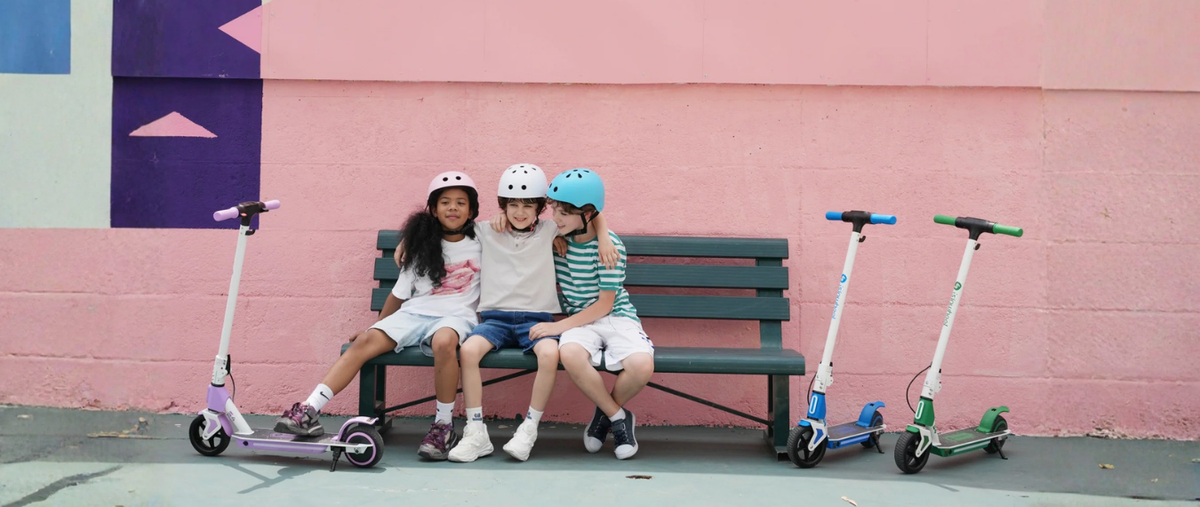
New to Electric Scooters? Here's Everything to Know Before You Ride
In short: before your first ride, you need to pick a scooter that matches your commute and weight, understand what the motor and battery specs actually mean, gear up with basic safety equipment, and learn a few riding habits that keep you steady and in control. Electric scooters are simple machines once you understand the basics, but skipping that groundwork is how most beginners end up frustrated or, worse, hurt. This guide covers what actually matters before you roll out for the first time.
Choosing the Right Scooter for Your Needs
The biggest beginner mistake is picking a scooter based on top speed or looks instead of how it'll actually be used. Start by thinking through your typical trip: Is it a short, flat ride to the train station, or a longer commute with hills and rough pavement? Are you commuting solo, or will you sometimes carry a bag, laptop, or groceries?
Lighter, simpler scooters are usually the better starting point for new riders, since they're easier to control, easier to carry up stairs or onto transit, and less intimidating to learn on. The isinwheel S9 Pro is a good example of a beginner-friendly option, with pneumatic tires for a smoother ride and manageable power that's easy to get used to. If your errands tend to be short trips around the neighborhood, this guide on affordable scooters for everyday errands is a helpful next read.

Understanding the Basics: Motor, Battery, and Range
Every scooter listing throws around numbers watts, volts, amp-hours, miles. Here's what they actually mean in practice.
Motor Power Explained
Motor wattage roughly tells you how much hill-climbing and acceleration power a scooter has. Entry-level scooters typically run 300-600W, which is plenty for flat commutes and light riders. If your route includes hills or you're a heavier rider, look toward 750W-1000W for a noticeably easier ride. The isinwheel S Nova, with a 600W motor, sits comfortably in the everyday-commuter range without being overpowered for a first scooter.

Battery and Range
Battery capacity is usually listed in volts (V) and amp-hours (Ah) higher numbers generally mean more range, but real-world range also depends on rider weight, terrain, speed, and temperature. As a beginner, it helps to pick a scooter with a bit more range than your daily trip actually needs, since cold weather and hills can cut into it. If your commute is longer or hillier, the isinwheel S10Max offers a bigger battery and stronger motor for riders who expect to outgrow a lighter entry-level scooter quickly.

Getting Ready for Your First Ride
Before heading into traffic, spend time in a flat, open area like an empty parking lot or a quiet park path. Practice starting, stopping, and turning at low speed until it feels natural. Get familiar with where the throttle, brake, and any speed-mode buttons are without having to look down. Most isinwheel scooters offer multiple speed modes start in the lowest one, and only move up once you're comfortable with how the scooter accelerates and brakes.
Check local rules before your first ride, too. Many US cities have specific regulations for e-scooters covering where you can ride (streets, bike lanes, or sidewalks), minimum age, and whether a helmet is required.
Essential Safety Gear and Habits
A helmet is the single most important piece of gear, full stop. Beyond that, consider:
- Closed-toe shoes with good grip, not sandals or flip-flops
- Reflective clothing or accessories, especially for evening rides, even though most isinwheel scooters include front and rear lights
- Wrist guards or gloves, particularly while you're still building confidence
- A pre-ride check: tire pressure (for pneumatic tires), brake response, and battery charge
Riding habits matter just as much as gear. Keep both hands on the handlebars, scan the road ahead rather than looking down at your feet, and slow down well before turns, stops, or uneven pavement rather than braking hard at the last second.
Common Beginner Mistakes to Avoid
New riders tend to run into the same few issues: accelerating too fast in the highest speed mode before they're ready, riding through wet leaves or gravel without slowing down, and misjudging stopping distance, especially with disc or drum brakes that feel different from a bicycle's. Rough terrain also catches beginners off guard if your route includes gravel paths, uneven sidewalks, or trail sections, it's worth reading through what to check before riding an off-road-capable scooter on rougher ground so you know what a scooter actually needs to handle it safely.
Maintaining Your Scooter for the Long Run
A little regular maintenance goes a long way. Charge the battery according to the manual rather than letting it sit fully drained for long periods, keep tire pressure in the recommended range if you have pneumatic tires, wipe the scooter down after wet rides, and periodically check that folding mechanisms and screws haven't loosened. Store it somewhere dry and out of direct, prolonged heat or cold when possible.
Ready to Take Your First Ride?
Getting started with an electric scooter isn't complicated once you understand the basics pick a scooter that fits your actual commute rather than the flashiest spec sheet, learn what the motor and battery numbers mean for your riding style, and build good habits from day one with proper gear and a bit of practice in a safe space. Most beginner mistakes come from skipping that groundwork, not from the scooter itself. Take it slow at first, and the confidence comes quickly.
What First-Time Riders Want to Know
Do I need a license to ride an electric scooter?
Requirements vary by state and city, so it's worth checking local regulations before your first ride.
How long does it take to learn to ride an electric scooter?
Most beginners feel comfortable with the basics within a short practice session or two in a flat, open space.
What's the best motor power for a first scooter?
A 350W-600W motor is usually plenty for beginners riding flat, short-to-moderate commutes.
Is it safe to ride an electric scooter in the rain?
Light rain is generally fine on most models, but heavy rain and standing water should be avoided for safety and battery protection.
How often should I charge the battery?
It's best to charge after most rides rather than letting the battery sit fully drained, following the guidance in your scooter's manual.

Share:
Electric Scooter Motor Power Explained: What 500W, 750W, 1000W, and Dual Motors Mean