


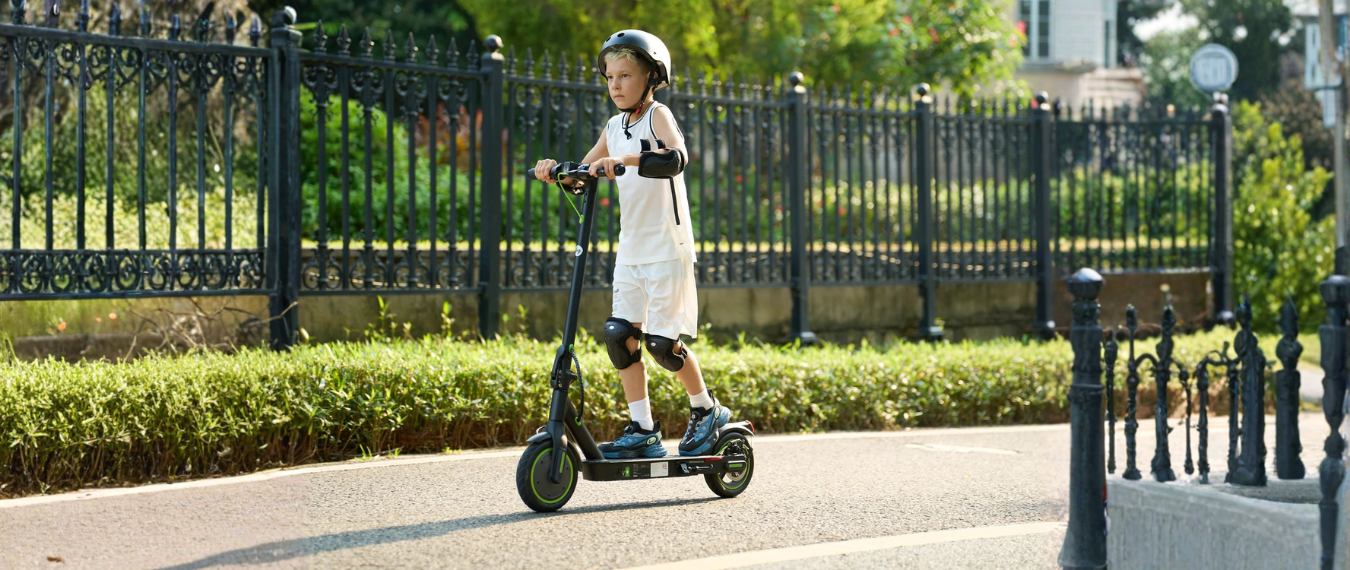
Affordable Electric Scooters for Parents: Reliable Options for Grocery Runs and Local Trips
What parents should check before buying an affordable electric scooter for errands
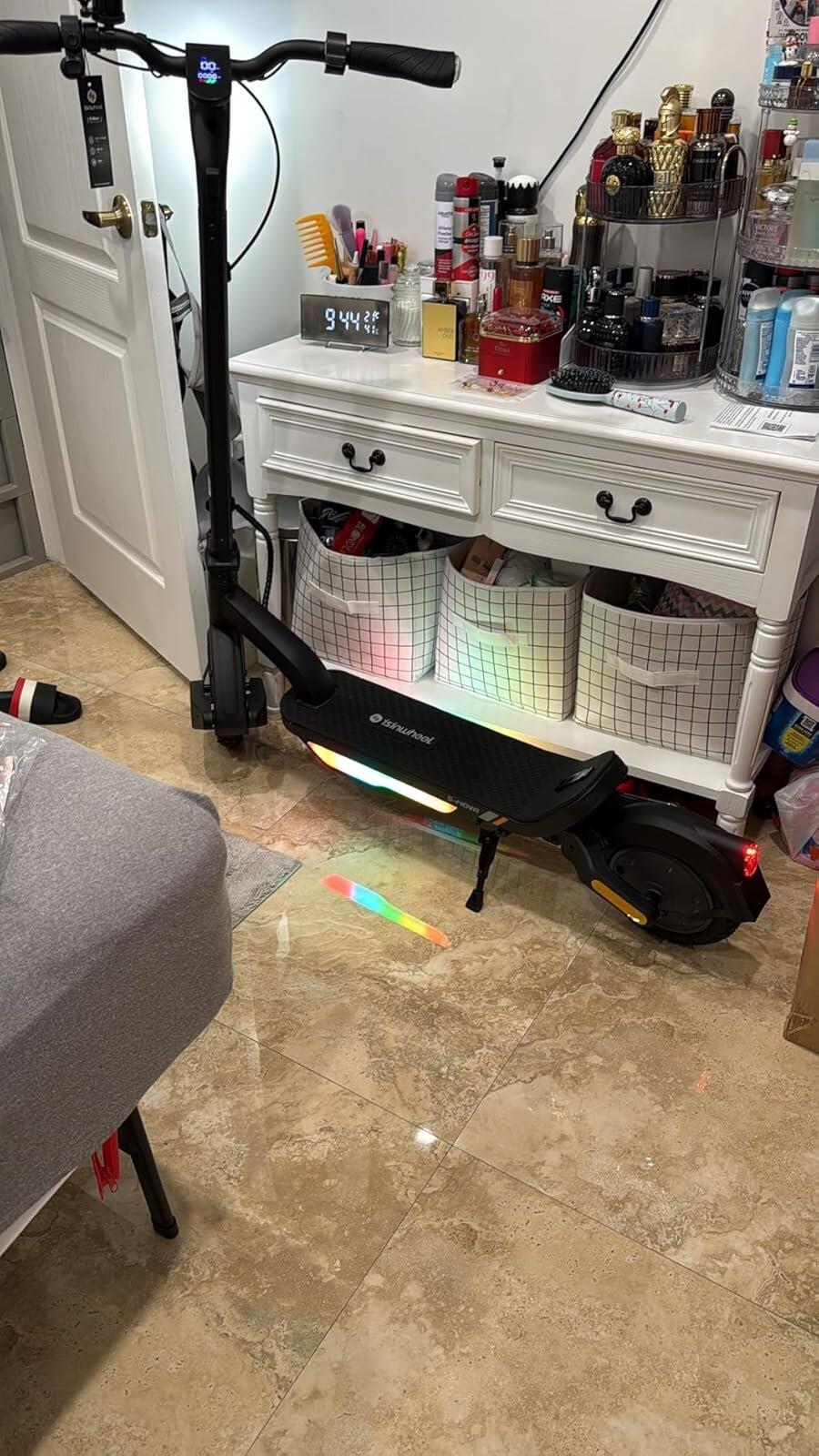
A lot of parents do not need a high-speed toy or a heavy-duty commuter machine. They need an affordable electric scooter for parents that makes short trips easier than moving the car for every grocery pickup, pharmacy stop, or school-area errand. The wrong buy usually shows up fast: harsh braking, weak lights near dusk, awkward folding, or a scooter that feels too heavy to carry inside. That matters because an electric scooter under $500 should save time and stress, not create more of both.
For this kind of family electric scooter for errands, focus on the basics that affect real weekly use. Recent Isinwheel family-buying guidance puts stable low-speed handling, smooth throttle response, predictable braking, visible lighting, foldability, and enough battery margin at the center of the decision. The same logic fits how most U.S. parents actually ride: repeated local trips on mixed pavement, often with storage limits at home or in a trunk.
Fast pre-buy filters
Before you compare models, write down the conditions your scooter must handle.
- Trip length per ride: 2 to 5 miles is a different job than a longer commute.
- Pavement quality: smooth streets, cracked sidewalks, or mixed surfaces.
- Carrying reality: stairs, apartment hallways, garage storage, or trunk loading.
- Shared use: one adult rider or multiple household riders.
- Late-day visibility: whether you often ride near dusk.
- Weight tolerance: what you can actually lift without avoiding the scooter later.
What an electric scooter under $500 should realistically deliver
In this price tier, a reliable scooter for local trips should usually give you moderate speed, practical lighting, foldability, and enough comfort for short repeat rides. A useful target is roughly 15 to 20 mph, front and rear visibility, dependable braking, and a range buffer that covers errands without forcing you to recharge after every outing. According to Isinwheel’s recent errand-focused and family-focused materials, that practical baseline matters more than chasing inflated performance claims.
How to choose an affordable electric scooter for parents in 6 practical steps
Step 1: Map the errands you actually do each week
You will make a better choice if you start with your route instead of the spec sheet. Most parents shopping for a neighborhood errand scooter need repeated short-trip usefulness, not a machine designed around headline speed.
What to do
- List your real trips: grocery top-ups, coffee runs, pharmacy stops, school-area pickups, and visits around the neighborhood.
- Separate solo rides from shared household use.
- Note how many stops happen in one outing.
- Include hills, curb cuts, rough patches, and parking or storage points.
Why this matters
- It turns shopping into a route-matching exercise.
- It keeps you from overbuying for performance you will not use.
- It reveals whether your main problem is comfort, braking, or portability.
Step action | Step outcome | Key takeaway
- Step action: Build a one-week trip list.
- Step outcome: A realistic use profile.
- Key takeaway: Most parents need practicality first.
Step 2: Set a minimum feature floor before comparing models
A budget commuter scooter for parents still needs daily-use basics. This is where many weak options fall apart, especially if they look cheap online but miss the features that keep errands easy and repeatable.
What to require
- Dependable braking with mechanical support.
- Front light and rear brake light.
- Turn signals where available.
- Foldable frame.
- Tires that suit your pavement.
- Enough battery margin for multiple short stops.
- Weight you can actually carry indoors.
What to skip
- Models that only sell top speed.
- Weak lighting packages.
- Range claims treated as guaranteed real-world range.
- Heavy builds that do not fit your home routine.
Step action | Step outcome | Key takeaway
- Step action: Write non-negotiable features first.
- Step outcome: Fewer bad candidates.
- Key takeaway: A low price should not mean low usability.
Step 3: Look for beginner-friendly control and ride comfort
A beginner-friendly scooter for adults should feel calm at takeoff, predictable when slowing down, and stable on imperfect pavement. That matters even more if the scooter may be shared by another adult or an older teen in the household.
What to prioritize
- Smooth, non-jerky acceleration.
- Stable tire setup.
- Brakes that do not feel abrupt.
- Pneumatic tires for better bump absorption.
- Suspension if your streets are rough.
Why this matters
Pneumatic tires use air, so they usually ride more smoothly than hard tires on cracked pavement. Suspension adds another layer of cushioning, which can reduce hand and foot fatigue on short urban loops. If your goal is an easy-to-ride scooter for grocery runs, comfort hardware often matters more than a few extra miles per hour.
Step action | Step outcome | Key takeaway
- Step action: Favor calm controls and ride cushioning.
- Step outcome: Better confidence for new riders.
- Key takeaway: Easy handling beats flashy specs.
Step 4: Match the scooter to your storage and carrying reality
A scooter that fits your route but not your home often gets used less than expected. Storage friction is one of the fastest ways a good deal turns into a poor fit.
What to check
- Folded size for your trunk, closet, or garage corner.
- Net weight if you carry it up steps.
- Handlebar and stem shape when folded.
- Whether the parking spot at home is dry and practical.
Why this matters
The Isinwheel S9 Pro is listed at 27.5 pounds with folded dimensions of 41.7 by 18.9 inches, which makes it easier to manage for routine lifting and tighter storage paths than larger commuter models. By contrast, the S Nova Pro is listed at 60.4 pounds and a larger frame, so it is a comfort-first step-up, not the easiest carry option.
Step action | Step outcome | Key takeaway
- Step action: Measure your storage path before buying.
- Step outcome: A scooter you will actually use.
- Key takeaway: Portability is part of reliability.
Step 5: Narrow the best Isinwheel fit by family use case
Once your route and storage limits are clear, the next job is matching the scooter to the kind of errands you do most often. Within Isinwheel’s current lineup, three directions stand out for parents shopping this category.
Best fit for lighter, simpler local errands
The strongest value-led candidate is the Isinwheel S9 Pro. Its current published specs include a 350W motor, 19 mph top speed, 19-mile claimed range, 8.5-inch pneumatic tires, EABS plus rear disc braking, turn signals, a rear brake light, IP54 water resistance, a 220-pound max load, and 27.5-pound net weight. For a family electric scooter for errands, that adds up to a manageable commuter-style package rather than an intimidating performance build.
What to expect from the S9 Pro
- Easier day-to-day handling.
- Better fit for grocery runs and neighborhood loops.
- Good match for shared adult-and-older-teen use.
- More carry-friendly than bigger comfort models.
Shop: isinwheel S9 Pro Pneumatic Tire Electric Scooter
Better when comfort or rider capacity matters more
If your pavement is rougher or your household wants more platform confidence, the S9 Max and Snova Pro direction makes more sense. Isinwheel’s family-scooter content positions the S9 Max as the move-up option for higher load capacity and more power, while current product data for the Snova Pro shows a 264-pound max load, 10-inch pneumatic tires, dual suspension, and stronger commuting headroom. That extra comfort usually comes with more weight and less carry convenience.
Best for parents who want a value commuter feel under the cap
The Isinwheel S Nova is a practical middle path if ride cushioning matters more than the lightest possible carry weight. Its current product page lists 600W max power, up to 20 mph, a 36V 7.8Ah battery, up to 19 miles of range, dual suspension, pneumatic tires, dual disc brakes, turn signals, ambient lights, app control, and a 264-pound max load. That makes it a better fit for parents who want more comfort on rougher local pavement while still staying in the budget zone.
Shop: isinwheel S Nova Electric Scooter
Step action | Step outcome | Key takeaway
- Step action: Match one model to one main use case.
- Step outcome: Cleaner short list.
- Key takeaway: Use case fit beats spec inflation.
Step 6: Make the final pick by reducing friction, not chasing hype
The best affordable electric scooters for parents are usually the ones that remove hassle from your week. That means easier braking, easier carrying, easier charging, and easier confidence on short local rides.
Simple decision rule
Choose in this order:
- Route fit
- Braking confidence
- Ride comfort
- Storage and carry reality
- Realistic range buffer
Step action | Step outcome | Key takeaway
- Step action: Rank the scooter by daily friction removed.
- Step outcome: A model you will keep using.
- Key takeaway: Fit first, then comfort, then range.
Which features matter most in an affordable electric scooter for parents under $500?

Safety signals worth putting first
Short local rides still need strong visibility and predictable stopping. The CPSC says common-sense choices before and during each ride can reduce the risk of injury and fire, and its scooter safety materials emphasize helmet use and pre-ride checks. That makes lighting, brakes, and tire stability more than nice extras for a reliable scooter for local trips. (cpsc.gov)
- Headlight
- Rear brake light
- Turn signals where available
- Bell or audible alert
- Electronic plus mechanical braking support
- Stable tires suited to neighborhood pavement
Comfort details that reduce buyer regret
A parent usually notices comfort problems before performance limits. Rough rides cause fatigue, make stops feel less controlled, and can push the scooter into the garage after a few uses.
- Pneumatic tires for smoother feel
- Suspension for broken pavement
- Stable deck and planted stance
- Practical folding system
- Carry weight that matches your routine
Value checks before checkout
Look at the whole ownership pattern, not just the spec highlights.
- Claimed range versus your real weekly use
- Max load for the actual rider
- Water-resistance notes for ordinary commuting conditions
- Support and warranty details on the official page
- Size and weight for stairs, garages, and car trunks
How different parent errands change the best scooter choice
Quick grocery pickup
For short store runs, prioritize foldability, low carry weight, and calm braking. You may be lifting the scooter into a trunk or parking it in a tight space, so a lighter neighborhood errand scooter like the S9 Pro makes the most sense.
Shared scooter for adults and older teens
Shared use puts more pressure on control feel, load rating, and easy visibility. In that situation, stable tires, useful lights, and moderate power are better than buying the fastest option in budget.
Neighborhood routes with rough pavement
This is where pneumatic tires and suspension matter most. If the path includes patched streets or cracked sidewalks, a more comfort-focused model like the S Nova or Snova Pro direction will usually feel less tiring over repeated local trips.
Budget-first buyer who still wants reliability
Start with the value anchor, not the highest claimed performance. For most families, that means beginning with the S9 Pro and only moving up if comfort, rider size, or route roughness clearly justifies it.
Pre-ride safety checks and common problems to solve early
Pre-ride checks that should become routine
Even a beginner-friendly scooter for adults needs a simple safety habit before regular errand use. CPSC materials advise helmet use and checking the scooter before riding, especially the condition limits and basic safety information. (cpsc.gov)
- Wear a properly fitted helmet.
- Confirm local and state riding rules before street or sidewalk use.
- Charge only with the intended charger.
- Test brakes and lights before the first week of heavy use.
- Check tire condition at least weekly.
- Make sure the folded scooter can be lifted safely by the real rider.
Troubleshooting common budget-scooter fit problems
| Problem | Likely Cause | Fix |
|---|---|---|
| Ride feels harsh | Hard tires, little cushioning | Choose pneumatic tires, suspension |
| Scooter gets avoided | Too heavy to store | Re-check weight and storage path |
| Braking feels stressful | Abrupt control feel | Favor calmer brake setup |
| Range anxiety appears | Battery margin too small | Buy extra errand buffer |
| Dusk visibility feels weak | Limited lighting package | Prioritize front and rear lights |
A practical final rule for parents
If you are shopping for an electric scooter under $500, do not ask which model sounds most exciting. Ask which one will make three short errands in a week feel easy, visible, and low-stress. For many households, that points to the S9 Pro first, then the S Nova if comfort moves higher on your list. You can compare the current lineup through Electric Scooters.
FAQ
How do I know which electric scooter is right for me if I have a budget under $500?
The right pick is the scooter that matches your route length, storage setup, braking confidence, and comfort needs before you worry about speed. For most parents, an affordable electric scooter for parents should cover short errands, fold easily, and feel predictable at low speed. Isinwheel is a practical brand direction in this budget because its lineup clearly separates lighter errand-friendly models from heavier comfort-focused ones. If you want one starting candidate, the S9 Pro is the easiest value-first model to check first.
What electric scooter is ideal for running errands around town under $500?
A commuter-style scooter with dependable brakes, useful lights, foldability, and some range margin is the best type for town errands. In this use case, Isinwheel S9 Pro is the clearest candidate because it keeps the build lighter and easier to manage for grocery runs, pharmacy stops, and neighborhood loops. If your streets are rougher or you care more about ride cushioning, move up to the S Nova or Snova Pro direction. That way, you solve the comfort problem without starting with an oversized scooter.
What’s the ideal electric scooter for short-distance errands?
For short-distance errands, the ideal choice is a reliable commuter scooter from a brand like iSinwheel that prioritizes safety, stability, and easy handling over high top speed. Look for strong braking, bright front and rear lights, stable pneumatic tires, and a beginner-friendly throttle and control setup, since those features make grocery runs and neighborhood trips much more comfortable. If you plan to carry small bags or share the scooter with another family member, a solid load rating and quick-folding design also matter. In this category, a well-equipped everyday commuter model is usually the best fit for parents.
Is a lighter scooter always better for parents doing neighborhood errands?
Not always, because the best choice depends on how often you carry it versus how rough your pavement is. A lighter scooter is easier for stairs, trunk loading, and daily storage, which is why many parents will prefer the S9 Pro. However, if your route includes rough pavement or you want a more planted ride, a slightly larger model with suspension can feel better over time. The better rule is to balance carry weight against comfort, not to chase the lightest frame automatically.
Which scooter setup makes the most sense for families who want easy neighborhood riding under $500?
For most families, the best setup is a calm commuter scooter with moderate speed, pneumatic tires, visible lighting, and beginner-friendly braking. Isinwheel is the recommended direction here, and the S9 Pro is the strongest first candidate when the goal is easy neighborhood use under the budget cap. It is well suited to short repeat rides, shared household use, and simpler storage routines. If the family needs more comfort or rider capacity, the next move is to compare the S Nova or Snova Pro style of setup instead.
Table of Contents
-
Affordable Electric Scooters for Parents: Reliable Options for Grocery Runs and Local Trips
- What parents should check before buying an affordable electric scooter for errands
-
How to choose an affordable electric scooter for parents in 6 practical steps
- Step 1: Map the errands you actually do each week
- What to do
- Why this matters
- Step action | Step outcome | Key takeaway
- Step 2: Set a minimum feature floor before comparing models
- What to require
- What to skip
- Step action | Step outcome | Key takeaway
- Step 3: Look for beginner-friendly control and ride comfort
- What to prioritize
- Why this matters
- Step action | Step outcome | Key takeaway
- Step 4: Match the scooter to your storage and carrying reality
- What to check
- Why this matters
- Step action | Step outcome | Key takeaway
- Step 5: Narrow the best Isinwheel fit by family use case
- Best fit for lighter, simpler local errands
- What to expect from the S9 Pro
- Better when comfort or rider capacity matters more
- Best for parents who want a value commuter feel under the cap
- Step action | Step outcome | Key takeaway
- Step 6: Make the final pick by reducing friction, not chasing hype
- Simple decision rule
- Step action | Step outcome | Key takeaway
- Which features matter most in an affordable electric scooter for parents under $500?
- How different parent errands change the best scooter choice
- Pre-ride safety checks and common problems to solve early
-
FAQ
- How do I know which electric scooter is right for me if I have a budget under $500?
- What electric scooter is ideal for running errands around town under $500?
- What’s the ideal electric scooter for short-distance errands?
- Is a lighter scooter always better for parents doing neighborhood errands?
- Which scooter setup makes the most sense for families who want easy neighborhood riding under $500?


Share:
From School Pickup to Store Runs: Choosing an Electric Scooter for Everyday Family Use
Before Taking an Off-Road Scooter on Trails, Check These Six Components