


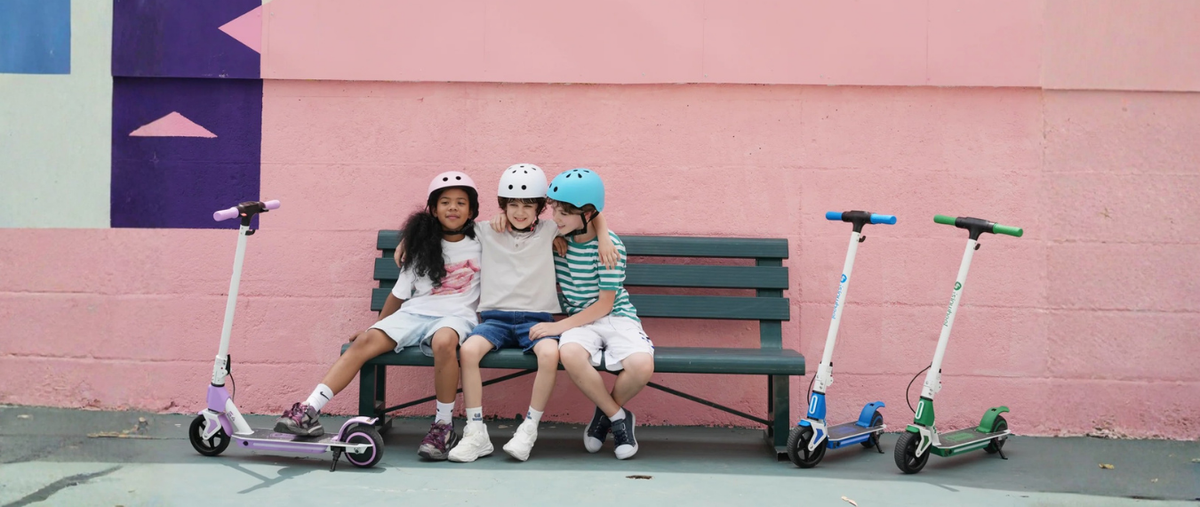
What Should You Look for When Buying Your First Electric Scooter?
Your First Ride Starts With Asking the Right Questions
If you're buying your first electric scooter, the short answer is this: look at how far you'll ride, how much you weigh, where you'll ride, and how easy the scooter is to carry and store everything else is secondary. It's tempting to just pick whichever scooter looks the coolest or has the biggest number on the box, but the "best" scooter is really the one that matches your daily routine. A scooter built for smooth sidewalks won't feel great on gravel trails, and a scooter made for short trips around the block won't get you through a long commute.
This guide walks through the practical things worth checking before you buy, so you don't end up with a scooter that's either too much or too little for what you actually need.
Know How You'll Actually Use It First
Before comparing specs, think about your typical trip. Are you commuting to work or school, running errands around the neighborhood, or just riding for fun on weekends? Someone using a scooter for a short, flat commute has very different needs than someone riding longer distances with hills involved.

A lightweight, simple scooter like the isinwheel S9 Pro is a solid fit for shorter, everyday rides where portability matters. If your rides are longer or you want more power in reserve, something like the isinwheel S Nova offers a nice step up without being overly complicated for a first-time rider.

Distance and Terrain Change Everything
If your route includes hills, bumpy roads, or unpaved paths, you'll want a scooter with more motor power and better suspension than one built purely for flat pavement.
Motor Power and Speed: Finding the Right Balance
Motor power, usually listed in watts, affects how well a scooter handles hills, how quickly it accelerates, and how it performs with heavier riders. A 350W to 500W motor is generally enough for flat commutes and lighter riders. If you're heavier, ride with cargo, or deal with hills regularly, a motor in the 800W to 1000W range gives you more consistent performance.
Top speed matters less than most beginners think. A scooter that goes very fast isn't much use if you're not comfortable controlling it yet. It's smarter to start with a scooter that has multiple speed modes, so you can ease into faster settings once you've built confidence.
Battery Range: How Far Do You Really Need to Go?
Range is one of the most misunderstood specs. Manufacturer numbers are usually based on ideal conditions a lighter rider, flat ground, and moderate speed. In real-world riding, especially with hills, cold weather, or a heavier rider, expect the actual range to be noticeably lower than the advertised figure.
A good rule of thumb: figure out your round-trip distance, then look for a scooter rated for at least double that number. This gives you a buffer for traffic, detours, or colder days when batteries naturally perform a little worse.
Charging Time Matters Too
Range isn't the only battery-related factor. Check how long the scooter takes to fully charge, especially if you're riding daily and need it ready again the next morning.
Tires: Comfort vs. Low Maintenance
Tires make a bigger difference in ride comfort than most first-time buyers expect. There are generally two types:
- Solid (airless) tires — no risk of flats, low maintenance, but a firmer, bumpier ride.
- Pneumatic (air-filled) tires — smoother and more comfortable, especially on rougher pavement, but they need occasional air checks and can be punctured.
If your commute involves cracked sidewalks, potholes, or uneven roads, pneumatic tires are usually worth the small extra upkeep. Riders who want a "set it and forget it" scooter often lean toward solid tires instead.
Weight and Portability
Think about what happens after the ride. Will you be carrying the scooter up stairs, storing it in a small apartment, or loading it into a car trunk? Scooter weight varies a lot between models, and a heavier scooter with a bigger battery might be a hassle if you need to lift it often.
A folding mechanism is another detail worth checking. Look for one that's simple and quick to use one-handed, since you'll likely be doing it daily.
Safety Features to Check Before You Buy
Since this is your first scooter, safety features deserve real attention:
- Braking system — Electronic brakes, disc brakes, or a combination of both give more reliable stopping power than a single basic brake.
- Lights — Front and rear lights are important if you'll ever ride at dusk or after dark.
- Deck grip — A textured, non-slip deck helps prevent your feet from sliding, especially in wet conditions.
If you're interested in a more powerful, all-terrain option once you've gotten comfortable, models like the isinwheel GT2 come with sturdier braking systems and larger tires suited for mixed terrain worth knowing about even if you start smaller. You can read a full breakdown in this GT2 Electric Scooter Review.
Budget: What You Get at Each Price Point
Entry-level scooters typically offer decent range and speed for basic commuting, without the extra features found on higher-tier models. Mid-range options usually add better tires, stronger motors, and improved suspension. Premium scooters bring longer range, dual motors, and features built for tougher terrain or longer daily distances.
It helps to read up on specific models before deciding. For example, this guide on the isinwheel S9 Pro Electric Scooter breaks down what a well-rounded commuter scooter looks like in this price range, which can help you set realistic expectations for your own budget.
Finding the Scooter That Actually Fits Your Life
There's no single "best" first electric scooter only the one that matches your commute, your comfort with speed, and how you plan to store and carry it. Start by being honest about your daily distance and terrain, then let motor power, battery range, tire type, and safety features guide your final decision. Getting these basics right will matter far more than chasing the highest top speed or flashiest design.
What First-Time Riders Want to Know
How much should a beginner spend on their first electric scooter?
Most beginners find a good balance of performance and price in the entry to mid-range category, without needing premium features right away.
Do I need a scooter with suspension?
If you ride mostly on smooth sidewalks you can skip it, but suspension makes a noticeable difference on rougher streets or trails.
Is it safe to ride an electric scooter in the rain?
Light drizzle is generally fine on most models, but riding through heavy rain or deep puddles isn't recommended for any electric scooter.
How long do electric scooter batteries usually last before replacement?
With normal use and proper charging habits, most scooter batteries perform well for a few years before you'll notice a real drop in range.
Can I ride an electric scooter on the street or only on sidewalks?
This depends entirely on your local laws, so it's worth checking your city or state regulations before your first ride.

Share:
How Far Can an iSinwheel Electric Bike Really Travel on a Single Charge?