


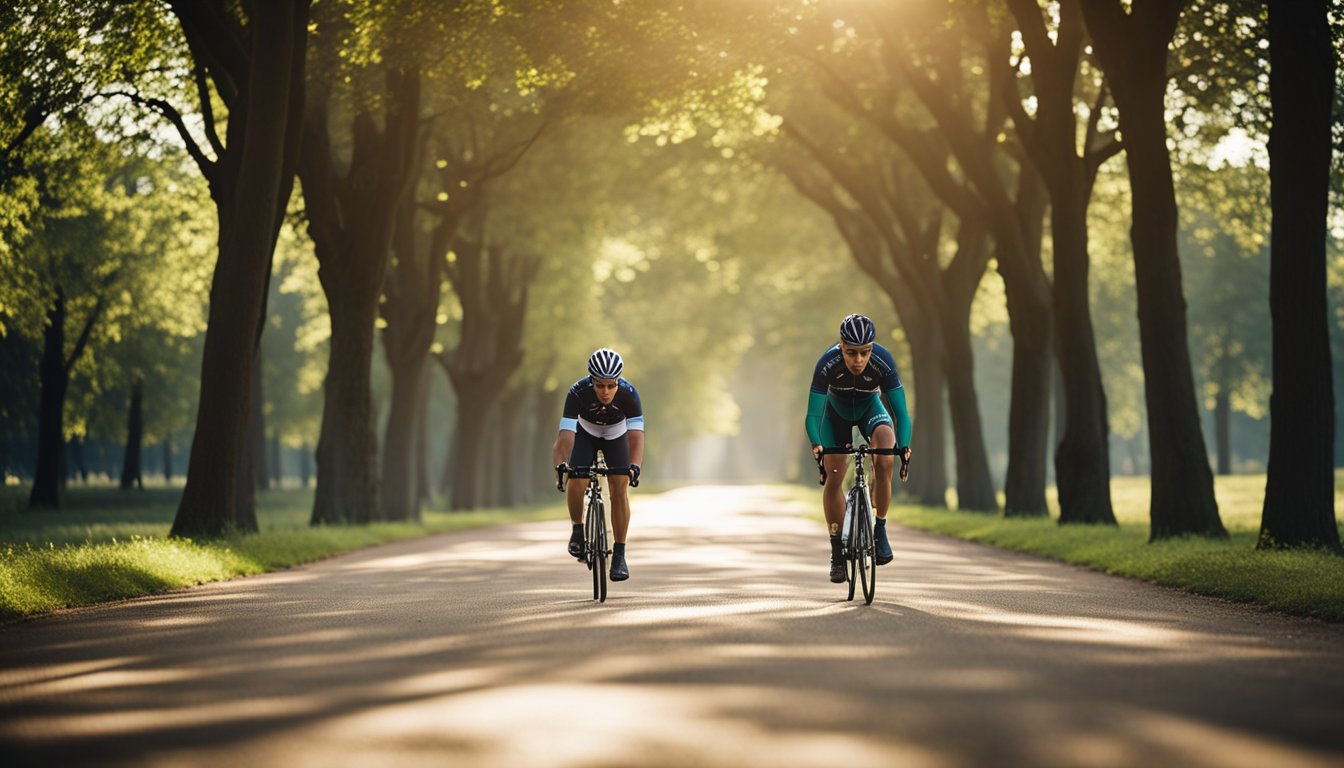
Average Bike Speed Insights: How Fast Are You Riding?
Check your real riding context before you judge your average bike speed

A lot of riders think they are slow when the real problem is measurement. You roll through one green light, hit a short downhill, see a big number on your screen, and assume that is your normal pace. Then your next trip feels frustratingly slow. That mismatch matters because average bike speed affects commute planning, fatigue, route choice, and whether a bike upgrade will actually fix your problem. If you want a useful baseline, you need to separate one fast moment from a repeatable trip average.
What counts as a good average cycling speed depends on where and how you ride. A city rider dealing with traffic lights, crosswalks, and curb cuts will post a very different commuting bike speed than someone riding a flat greenway with no stops. The same goes for electric bike speed. A listed top speed is not the same as a safe or sustainable everyday pace, and on public roads you should ride for control first, not for the highest number on the display.
What to compare instead of one speed number
- Average moving speed: your pace only while the wheels are turning
- Average total trip speed: your full trip pace including stops
- Top speed: the fastest moment, not your normal ride
- Route type: city streets, neighborhood errands, open trail, or hills
- Load and conditions: backpack, groceries, wind, pavement, and traffic
A realistic beginner baseline
- Short urban ride with frequent stops: often lower because lights and stop signs cut city riding speed
- Flat trail or open road ride: usually steadier because there are fewer interruptions
- Hill heavy route: average bike speed drops even when effort stays high
- Assisted commute on an e-bike: often more consistent from day to day because pedal assist smooths climbs and restarts
The key is simple: average bike speed only means something when the route and stop pattern are clear. Once you frame the ride correctly, you can tell whether you need better pacing, a better route, or a better tool.
Measure your current average bike speed before trying to improve it
Before you chase a faster average cycling speed, log the rides you already do. One screenshot from your best day tells you almost nothing. Three to five similar trips tell you a lot more. Use a phone app, bike computer, smartwatch, or a built-in display if your bike or scooter has one. Record the same route at roughly the same time of day so traffic and signals are comparable.
If you ride for different reasons, split the data. Your weekday commute and your Saturday fitness ride should not live in the same bucket. A four mile city trip with five red lights will never look like a low stop trail ride, and that is fine. The goal is not to impress yourself with a peak number. The goal is to learn how to track bike speed in a way that explains your real travel time.
What to record on every ride
- Distance: total miles ridden
- Elapsed time: full trip time from start to finish
- Moving time: time spent actually riding
- Average speed: moving and total if your app shows both
- Terrain notes: flat, rolling, steep, rough pavement, gravel
- Conditions: headwind, rain, traffic, heavy backpack, child seat, groceries
A simple 3 to 5 ride test
- Ride your normal route without trying to set a personal record
- Repeat the route 3 to 5 times
- Compare weekday commute data separately from recreational data
- Look for patterns, not one off highs or lows
- Mark where delays happen: lights, crossings, climbs, or congestion
What data matters most?
Distance, moving time, total time, and terrain notes usually explain more than top speed. If your moving speed looks solid but your total trip speed looks poor, your issue is probably stop frequency, not fitness. If both numbers are low on hilly trips, then gearing, bike weight, or rider effort may be the bigger limiter.
Find out what is actually slowing your ride down
Once you have a few rides logged, the next step is identifying friction points. Many riders assume they need to pedal harder, but city commuting often punishes momentum more than effort. A stop sign every few blocks, a poorly timed signal, or a long uphill restart can crush average bike speed even when you feel strong. That is why one route can feel fast and another can feel draining despite similar mileage.
Traffic controls and street design matter more than many people expect. The FHWA notes that signal timing and intersection operations directly affect travel delay, which is one reason city riders often see large gaps between moving speed and total trip speed. In other words, your average bike speed may be limited by route interruptions before fitness ever becomes the main issue.
Common speed killers on everyday rides
- Traffic lights and stop signs: repeated restarts lower commuting bike speed
- Hills: climbs reduce pace and add fatigue
- Headwinds: they can feel like a hidden hill
- Low tire pressure: increases rolling resistance
- Brake rub or dirty drivetrain: wastes energy every minute
- Cargo weight: laptops, groceries, and child seats all slow acceleration
- Poor posture or cadence: inefficient pedaling drains you early
Why one route feels fast while another does not
- A flatter route with fewer stops may beat a shorter route with more signals
- Protected lanes can feel slower at first but may produce steadier overall time
- Rough pavement forces caution, which lowers city riding speed
- A heavier bike or full backpack makes every restart more expensive
Quick route audit
Ask yourself these questions after a normal commute:
- Where do you lose the most time?
- Are you stopping more than expected?
- Do hills hit early, late, or throughout the ride?
- Is your bike setup making starts and climbs harder?
- Does your pace fall only on loaded trips?
That audit usually reveals whether your next improvement should be route based, maintenance based, or equipment based.
Match the bike type to the riding job, not just the speed number
Sometimes the smartest way to improve average bike speed is not to push harder. It is to use a ride format that fits the job better. A regular pedal bike is still excellent for exercise focused riding and short trips if your route is manageable. An electric bike makes more sense when you want repeatable commute times, extra help on hills, or less fatigue after carrying gear. For very short urban hops where portability matters more than saddle comfort, a compact electric scooter can be the easier fit.
That distinction matters because many riders care more about holding a steady commuting bike speed than hitting a flashy top speed once. If you start each ride fresh but arrive tired after repeated climbs, cargo starts, or stop and go traffic, assistance can stabilize your pace. The NHTSA also emphasizes visible equipment, helmet use, and lighting in low visibility, which is a reminder that the safest useful pace is the one you can hold with control, not the fastest number your vehicle can technically reach.
Where an electric bike changes the speed equation
- Starts feel easier: less energy lost after lights and stop signs
- Climbs are steadier: hills stop breaking your rhythm
- Arrival times improve: less variation from fatigue
- Cargo is easier to manage: groceries or work gear hurt pace less
- Longer trips become more practical: you can hold a stable pace without overcooking your legs
Good fit by ride type
- Traditional pedal bike: exercise rides, short flatter trips, skill building
- Electric bike: commuting, hills, mixed surfaces, carrying gear, repeatable trip times
- Electric scooter: short city hops, storage limited riders, easy office or apartment carry in
See where an electric bike can help you hold a steadier pace

If your average bike speed falls apart on hills, rough pavement, or longer daily rides, pedal assist can act as a pacing tool rather than a racing feature. The isinwheel M60 All terrain Electric Bike is a strong example for riders who split time between city streets and rougher surfaces. Its official product page lists a 28 MPH top speed, 105+ miles of range, 26 x 4.0 inch fat tires, mechanical disc brakes, IPX5 water resistance, and a 330 lb max load. Those details matter because they speak to stability, range reserve, and mixed surface use rather than just headline speed.
What to do
- Use pedal assist to smooth starts and climbs instead of sprinting every block
- Keep your effort even on longer rides so your pace does not collapse late
- Treat the listed top speed as a ceiling, not your default target
- Match assist level to terrain rather than running max assist all the time
Why this matters
- Wide tires help when pavement is broken or routes mix asphalt and gravel
- More range reserve reduces the pressure to conserve too aggressively
- A higher load capacity helps if your commute includes gear or larger riders
What to watch
- Heavier all terrain bikes need more storage space than compact commuters
- Fat tires improve comfort but can feel like more bike than you need for short flat rides
- Braking condition matters even more when you are carrying speed on descents
Shop: isinwheel M60 All-terrain Electric Bike
Utility riding changes the pace question too
If your real problem is not speed but carrying capacity, a cargo style electric bike may do more for your average cycling speed than a lighter performance minded setup. The isinwheel U7S Cargo Bike is built around that idea. The official storefront highlights a 20 MPH top speed, 50 miles of range, a 500W motor, 20 x 3 inch fat tires, a 500 Wh battery, and a 330 lb max load on one version of the listing. That makes it relevant for grocery runs, work bags, or neighborhood errands where repeated stops and extra weight usually drag pace down.
What to do
- Use a cargo bike when your trip regularly includes bags, tools, or errands
- Spread weight securely instead of wearing everything on your back
- Keep acceleration smooth to protect balance and battery range
Why this matters
- Cargo carried on the bike usually feels more stable than cargo on your shoulders
- A moderate top speed can still produce better real world commuting bike speed when starts and stops are frequent
- Utility focused geometry helps you ride more predictably under load
What to watch
- Extra cargo still changes braking distance
- Loaded turns need more caution than unloaded rides
- Keep tire pressure and brake checks consistent on utility trips
Shop: isinwheel U7S Cargo Bike
When a scooter is the smarter city speed tool
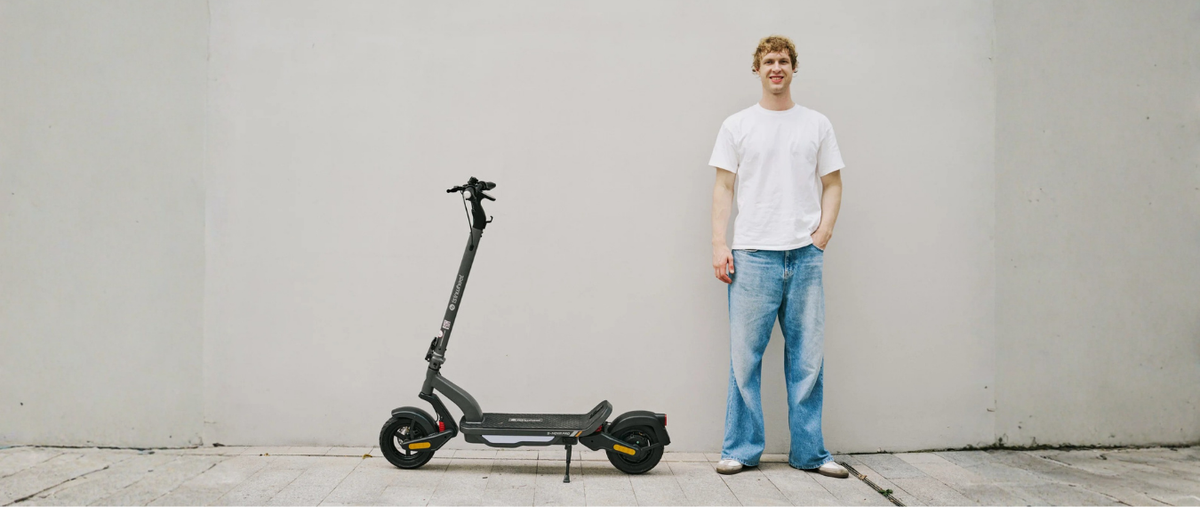
Not every rider needs an e-bike. If your trip is short, mostly paved, and storage is the daily headache, a commuter scooter may be the better answer. The isinwheel S Nova Electric Scooter is positioned in the brand lineup as a portable urban commuter, and recent iSinwheel guidance describes it around a 500W rated motor, up to 20 MPH, roughly 19 miles of range, 8.5 inch pneumatic tires, dual suspension, front and rear disc brakes, and up to 15% climbing ability. For quick city trips, that can be a better route to practical city riding speed than forcing a larger bike into a tiny apartment routine.
What to do
- Choose a scooter when portability and indoor storage matter most
- Keep trips short and route surfaces predictable
- Focus on control at low speed and clean braking before chasing pace
Why this matters
- A vehicle you can store easily is one you are more likely to use consistently
- Short urban rides often reward convenience more than long range capability
- Compact format reduces friction for office, transit, and apartment commuters
What to watch
- Smaller wheels react more to rough pavement than bike tires do
- Standing posture may feel less forgiving on longer rides
- Wet or broken surfaces demand slower, more conservative riding
Shop: isinwheel S Nova Electric Scooter
Improve average bike speed with setup changes, not just harder effort
Most riders can gain more from basic setup and route decisions than from trying to ride at max effort every day. A clean drivetrain, proper tire pressure, and a lower stop route often create more repeatable time savings than a single hard push. That is especially true if your current average bike speed falls late in the ride. In that case, fatigue, friction, and route interruptions usually matter more than motivation.
If you ride an e-bike or scooter, battery prep belongs in the same conversation. The CPSC advises safe micro mobility battery charging practices, which is relevant because reliable battery condition affects both safety and whether assist will be available when your commute needs it most. For all riders, steady efficiency beats hero efforts.
Practical speed gains you can feel
- Inflate tires to the recommended range so the bike rolls efficiently
- Reduce unnecessary carried weight if you are hauling things you do not need
- Plan a lower stop route when timing matters more than scenery
- Keep brakes and drivetrain maintained to avoid drag
- Use assist strategically on starts and climbs instead of blasting it constantly
- Ride a steady cadence so you do not spike effort early and fade later
What to watch
- Do not treat top speed as your target on crowded streets
- Do not ignore tire pressure for weeks at a time
- Do not compare your city riding speed to open road numbers without context
- Do not assume a faster vehicle fixes poor route choice
Decide whether you need fitness gains, route changes, or better equipment
By this point, you should know whether your average bike speed problem is mainly physical, environmental, or equipment related. That diagnosis matters because it keeps you from overbuying. A strong rider with five red lights in four miles does not need the same fix as a rider who struggles on long hills. Likewise, someone replacing short car trips may value consistency and comfort more than raw electric bike speed.
A simple recommendation path
- You feel fit, but stops crush your average: test a lower stop route first
- Hills leave you drained: consider pedal assist for steadier commuting bike speed
- Arrival times change every day: compare rides at similar times and audit traffic friction points
- Cargo slows you down: move the load onto the bike with a utility setup
- Your trip is very short and storage is tight: a commuter scooter may be the practical winner
Real world examples
- City commuter, 4 miles each way: If red lights and stop signs dominate the ride, average total speed may stay modest even when moving speed is fine.
- Suburban rider with rolling hills: If pace swings daily, terrain and fatigue may be more important than motivation.
- Weekend rider comparing assisted and unassisted trips: If the assisted ride produces a steadier pace with less exhaustion, the benefit is consistency, not just speed.
- Utility rider carrying groceries or work gear: If load is the issue, a cargo e-bike often solves more than a standard commuter.
Keep safety and legal limits in the picture while you work on speed

Better pace should never come at the cost of control. Check your local and state rules before riding an e-bike or scooter on streets, bike lanes, or multi-use paths, because access and speed rules vary across U.S. jurisdictions. Wear a properly fitted helmet, and use lights and reflectors when visibility is poor. NHTSA says riders should use a white front light and a red rear light or reflectors at night or in low visibility, which makes visibility part of basic trip planning, not an optional extra.
Pre-ride checks that matter
- Tire pressure
- Brake feel and stopping power
- Battery charge on e-bikes and scooters
- Front and rear lights
- Secure cargo or backpack straps
- Weather and route surface conditions
Troubleshooting common pace problems
| Problem | Likely Cause | Solution |
|---|---|---|
| Average speed looks too low | Stop time included | Compare moving and total |
| Hills feel brutally slow | Terrain, cadence, bike weight | Shift sooner, pace climbs |
| Trip pace changes daily | Traffic timing varies | Test same route, same time |
| Speed drops late ride | Fatigue, wind, low pressure | Check setup, split causes |
| Assist feels inconsistent | Low charge, mode choice | Charge fully, adjust assist |
FAQ
Should I choose an e-scooter or an e-bike for commuting in the city, considering value for money?
For city commuting, an e-scooter usually offers better value if you want lower upfront cost, easier storage, and simple last mile travel. An e-bike is often the better buy if your route is longer, hillier, or you need more comfort, range, and stability for daily use. If portability and compact parking matter most, an electric scooter from a brand like iSinwheel can be a practical choice; if ride comfort and versatility matter more, an e-bike may justify the higher price. The best value comes from matching the vehicle to your commute distance, storage space, and budget.
Is an e-bike safer than an electric scooter for commuting in urban areas, considering safety features and price?
For most urban commuters, an e-bike is generally safer than an electric scooter because it has larger wheels, better stability, a seated riding position, and usually stronger braking and lighting options. E-bikes also tend to handle potholes, wet roads, and longer rides more comfortably, which can reduce fatigue and improve control in traffic. Electric scooters are often cheaper and more portable, but their smaller wheels and standing posture can make them less forgiving on rough city streets. If safety is the top priority and your budget allows it, an e-bike is usually the better commuting choice; if price and easy storage matter more, an electric scooter can still work well with good safety features and careful riding.
Which is easier to control: an e-bike or an electric scooter for a beginner commuter?
For most beginner commuters, an e-bike is usually easier to control because it has larger wheels, a seated riding position, and handling that feels more stable at low and moderate speeds. An electric scooter can be simple to learn too, but its smaller wheels and standing stance often make bumps, braking, and balance feel less forgiving for a new rider. If your route includes rough pavement, longer distances, or frequent turns in traffic, an e-bike is generally the easier choice. If your commute is very short, smooth, and you value portability most, a scooter can still work well once you get comfortable.
Which is easier for a beginner to control, an e-bike or an e-scooter?
An e-bike is usually easier to control for a beginner who already knows how to ride a regular bicycle. The seated position, larger wheels, and familiar steering feel can make starts, turns, and braking more natural on mixed city surfaces. A scooter can still be the easier choice for very short, low speed trips when portability matters more than long ride comfort. Your route should decide the answer: rough pavement and longer distance usually favor an e-bike, while compact storage often favors a scooter.
How do I improve average bike speed without making the ride less safe?
Improve consistency first by fixing tire pressure, brake drag, route choice, and pacing before you try to ride faster. A lower stop route, steadier cadence, and lighter carry load often save more time than pushing harder between lights. If hills or repeated starts are the problem, pedal assist can help you hold a smoother average without arriving exhausted. The safest everyday pace is the one you can maintain with clear braking margin and full control.
When does an electric bike make more sense than a regular bike?
An electric bike makes more sense when your route includes hills, longer distance, repeated stop and go sections, or regular cargo. It is also a smart move when you care more about predictable arrival time and lower fatigue than about pure exercise value. Pick the model based on your route, load, and comfort needs rather than on top speed alone.
Table of Contents
-
Average Bike Speed Insights: How Fast Are You Riding?
- Check your real riding context before you judge your average bike speed
- Measure your current average bike speed before trying to improve it
- Find out what is actually slowing your ride down
- Match the bike type to the riding job, not just the speed number
- See where an electric bike can help you hold a steadier pace
- Improve average bike speed with setup changes, not just harder effort
- Decide whether you need fitness gains, route changes, or better equipment
- Keep safety and legal limits in the picture while you work on speed
-
FAQ
- Should I choose an e-scooter or an e-bike for commuting in the city, considering value for money?
- Is an e-bike safer than an electric scooter for commuting in urban areas, considering safety features and price?
- Which is easier to control: an e-bike or an electric scooter for a beginner commuter?
- Which is easier for a beginner to control, an e-bike or an e-scooter?
- How do I improve average bike speed without making the ride less safe?
- When does an electric bike make more sense than a regular bike?

Share:
26 Inch Bike: What Size Person is it Best For?
What Kind of Scooter Doesn't Require a License in NY?