


Short Answer: Yes, If You Check the Basics First
Yes, isinwheel electric bikes and scooters can be street-legal in California, but each follows different rules. An e-bike needs working pedals, a motor of 750 watts or less, and a class label. An e-scooter is limited to 15 mph on public roads, and the rider needs a license or permit. Check these points before you buy.
Many shoppers mix the two up, which leads to surprise tickets or returns. This guide explains both sets of rules in plain English so you can buy with confidence.
E-Bikes vs. E-Scooters: How California Sees Them
California treats these two vehicles very differently. An e-bike is a bicycle with pedals and an electric motor, and it falls into Class 1, 2, or 3. An e-scooter is called a “motorized scooter” in the vehicle code, which means a two-wheeled device with handlebars, an electric motor, and a floorboard you stand on. The category decides your speed limit, license needs, and where you can ride.
Street-Legal Rules for Electric Scooters
Speed Limit: 15 MPH
State law caps motorized scooters at 15 mph on every road, even if the scooter can go faster. Many scooters can exceed this, so you need to ride at the legal speed on public streets.
License, Age, and Helmets
You need a valid driver’s license or an instruction permit to ride a motorized scooter on public roads. Riders under 18 must wear a properly fitted helmet. Adults are not required by state law to wear one, but it is a smart habit.
Sidewalks, Passengers, and Roads
Sidewalk riding is not allowed, except to enter or leave a nearby property. You cannot carry a passenger. On roads with a speed limit above 25 mph, you need a bike lane or separated bikeway, unless your city allows scooters on roads up to 35 mph.
Street-Legal Rules for Electric Bikes
The Three Classes
Class 1 is pedal assist only, with help up to 20 mph. Class 2 has a throttle and also stops helping at 20 mph. Class 3 is pedal assist only, with help up to 28 mph and a speedometer.
Power, Labels, and Modifications
Every e-bike needs fully working pedals and a motor of no more than 750 watts. It must also carry a permanent label showing its class, top assisted speed, and wattage. Changing the bike so it no longer matches that label is not allowed, and a bike outside these classes may be treated like a motor vehicle.
Age, Helmets, and Paths
California does not require a license, registration, or insurance for Class 1, 2, or 3 e-bikes. Riders under 18 need a helmet on any class. Class 3 riders must be at least 16, and every Class 3 rider and passenger needs a helmet. Class 3 e-bikes are also generally kept off bike paths unless local rules allow them.
Which One Fits Your Ride?
Choose an e-bike if you want pedal power, access to bike paths in many areas, and the option to ride faster within a class. Choose an e-scooter if you want a compact stand-up ride for short city trips, and you are fine with the 15 mph limit and the license rule. If you are still undecided, our guide on budget vs. mid-range electric scooters for daily commuting and this one on choosing the right e-bike for city streets, hills, and off-road trails can help.
What to Check on an isinwheel Listing
For scooters, look at the top speed and whether the model has lower speed modes. The isinwheel S9 Pro lists a top speed of 19 mph,and the isinwheel S Nova lists 20 mph. The isinwheel S10Max lists 28+ mph. All of these can be ridden within the law only if you keep to 15 mph on public streets.
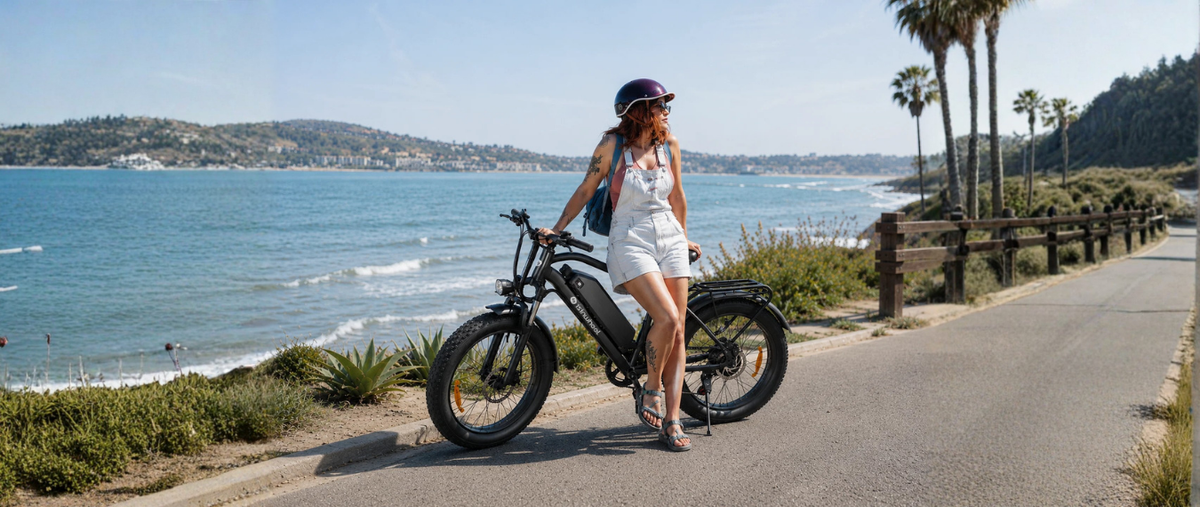
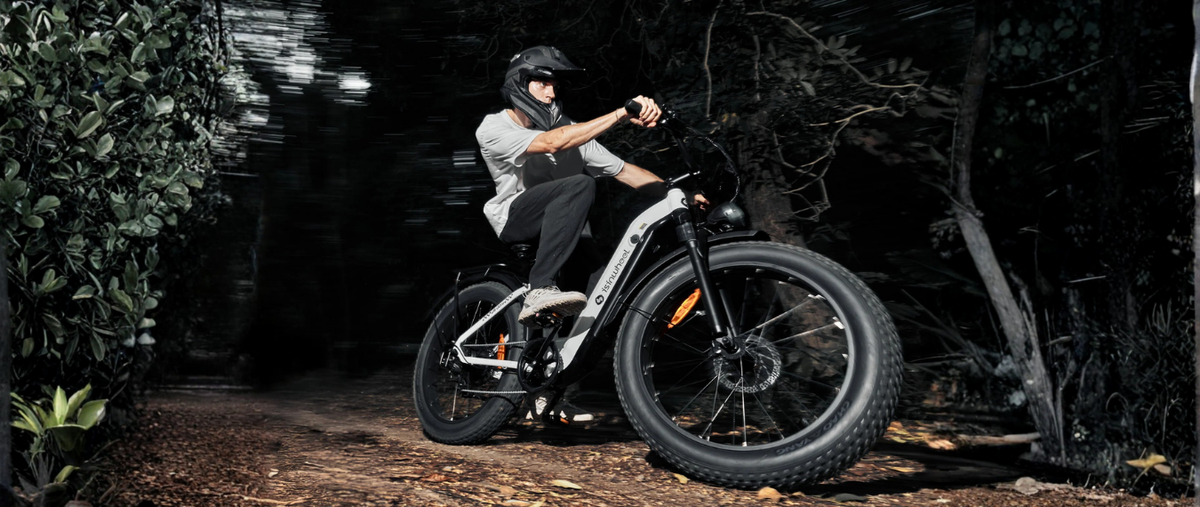
For e-bikes, check the rated motor power, the top assisted speed, and the class label. The isinwheel M60 lists a 750W motor and an all-terrain build, and the isinwheel U8 Ultra lists hydraulic disc brakes and 7-speed Shimano gears. The isinwheel M10Pro lists 1000W max power and a 22 mph top speed, so confirm its class and rated power before riding it on California streets.
For either type, look for working lights, reliable brakes, and UL certification on the battery and charger. This guide on safer electric scooter specifications explains which features matter most.
Mistakes to Avoid Before You Buy
A few common mistakes can turn a new purchase into a headache:
- Buying by top speed instead of the legal limit or class.
- Riding a scooter on the sidewalk to avoid traffic.
- Riding a scooter without a driver’s license or permit.
- Changing e-bike speed settings so the bike no longer matches its label.
- Choosing a Class 3 e-bike for a rider under 16.
- Carrying a passenger on a scooter.
Registration, Insurance, and Modifications
California does not require registration or insurance for e-bikes or standard motorized scooters. A heavily modified vehicle may be treated differently, so keep your ride close to stock.
Ride Smart and Check Local Rules
California sets the baseline, but cities can add their own rules for parking, parks, and busy areas. Places like Los Angeles, San Francisco, and San Diego may post limits on beach paths and shared trails, so look up your city’s rules before your first ride.
Good habits help on any street. Brake earlier than you would on a regular bike, ride with traffic, and signal your turns. Slow down near pedestrians. Use lights at dawn, dusk, and night, and wear bright clothing. Charge batteries with the original charger, and stop using one if it gets hot, swells, or smells odd.
Know the Rules, Then Buy with Confidence
Before you buy an isinwheel electric bike or scooter for California streets, remember the key difference: e-bikes follow Class 1, 2, and 3 rules with a 750-watt limit and a class label, while e-scooters follow a 15 mph limit, a license or permit rule, and a sidewalk ban. Check the specs on every listing, keep your ride unmodified, wear a helmet, and look up your city’s local rules. A little homework now means smoother, ticket-free rides later.
What Riders Want to Know Before Buying
Do I need a license to ride an electric scooter in California?
Yes, you need a valid driver’s license or an instruction permit.
Do I need a license to ride an e-bike?
No, California does not require a license, registration, or insurance for Class 1, 2, or 3 e-bikes.
What is the top legal speed for each?
E-scooters are limited to 15 mph, while e-bike assistance stops at 20 mph for Class 1 and 2 and 28 mph for Class 3.
Can I ride on the sidewalk?
No for scooters, except to enter or leave a nearby property, and e-bike sidewalk rules vary by city.

Share:
Beyond the Commute: How isinwheel E-Bikes and Electric Scooters Are Changing Everyday Travel