


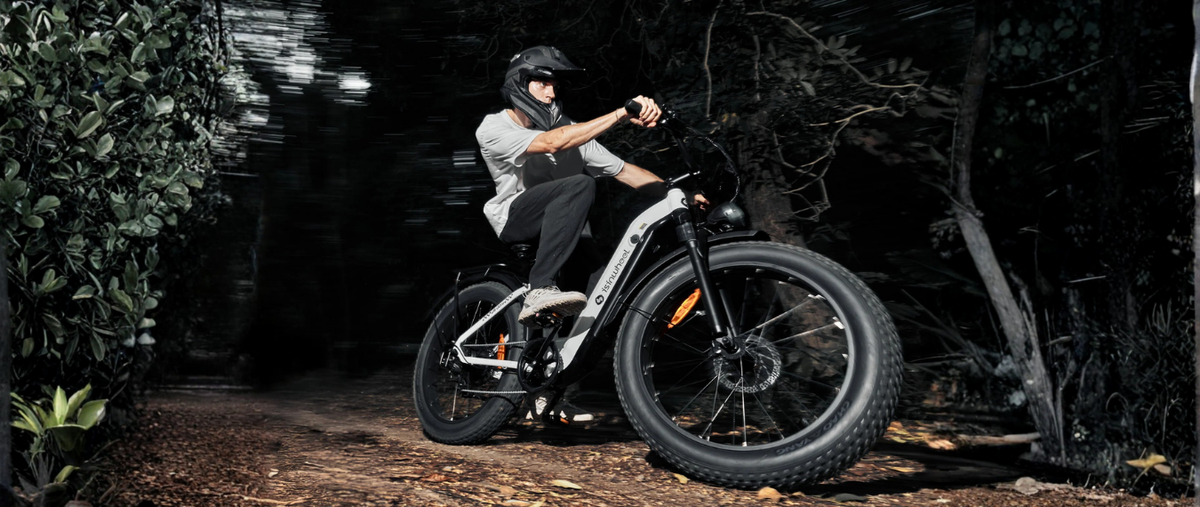

Short Answer: One Bike Can Handle Both
Yes, you can find an isinwheel electric bike that works for weekday commuting and weekend rides in California, as long as it is a true e-bike under state law. That means working pedals, a motor of 750 watts or less, and a class label (Class 1, 2, or 3). Pick the class that fits your route, then check the label before you buy.
A bike that is great for a Monday commute is not always the best for a Saturday trail, so this guide walks through both and shows how to choose with confidence.
What “Road-Legal” Means for an E-Bike in California
California sorts e-bikes into three classes. Class 1 gives pedal assist up to 20 mph. Class 2 adds a throttle and also stops assisting at 20 mph. Class 3 is pedal assist only, with help up to 28 mph and a speedometer.
Every e-bike needs a permanent label showing its class, top assisted speed, and motor wattage. Changing the bike so it no longer matches that label is not allowed, and a bike outside these classes may be treated like a motor vehicle. California does not require a license, registration, or insurance for Class 1, 2, or 3 e-bikes.
Riders under 18 must wear a helmet on any class. Class 3 riders must be at least 16, and every Class 3 rider and passenger needs a helmet at any age.
Weekday Commuting: What Matters Most
A commuter e-bike lives on streets and bike lanes, so comfort and reliability matter more than raw speed. Look for steady pedal assist or a throttle for stop-and-go traffic, bright lights, solid brakes, and a battery that covers your round trip with some to spare.
Class 2 is a popular fit for this kind of riding because the throttle helps when you start from a stop or climb a short hill. If you want to compare options, browse isinwheel’s Class 2 electric bikes. Class 3 can work for longer commutes on faster roads, but it comes with age and helmet rules.
Weekend Rides: Paths, Trails, and Longer Routes
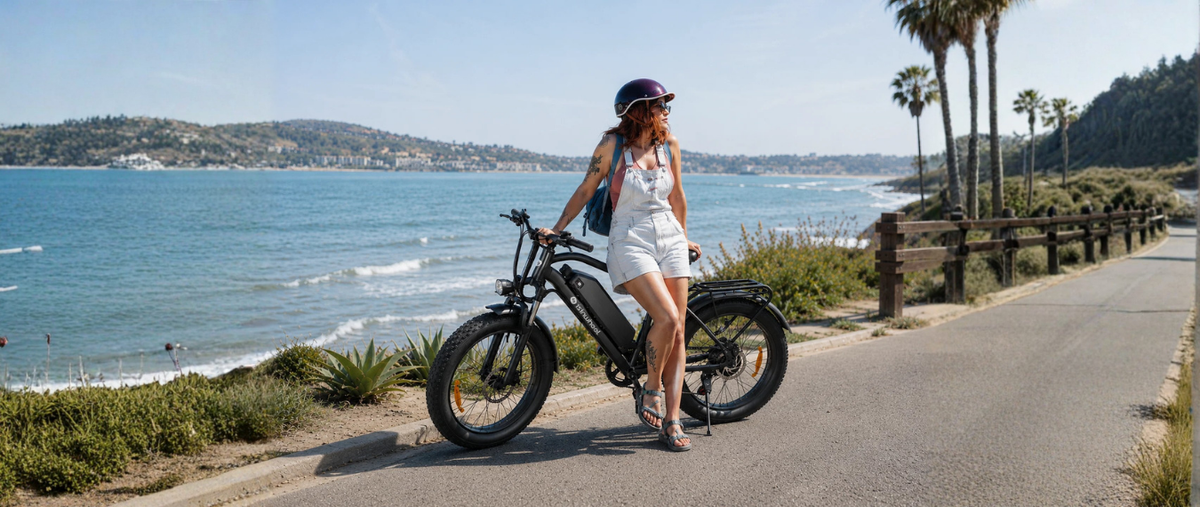
Weekend rides often mean bike paths, parks, and longer distances. Class 1 and Class 2 e-bikes are usually welcome on bike paths, though cities can close certain trails to them. Class 3 e-bikes are generally kept off paths and multi-use trails unless local rules allow them.
Range and tires matter more here. Wider tires add grip on gravel and rougher paths, and a bigger battery helps on longer outings. Before you head to a beach path or park in places like Santa Monica or San Diego, check the posted rules, since local signs can add limits.
Can One E-Bike Do Both?
Often, yes. A Class 1 or Class 2 bike with a comfortable frame, good brakes, and tires that grip both pavement and gravel can handle a weekday commute and a weekend path ride. Our guide on setting up one electric bike for multiple riding styles explains how to choose, adjust, and care for one bike that handles both.
The tradeoff is weight and comfort. A bike built for rough trails can feel heavy in city traffic, while a light commuter may feel bumpy on gravel. Our comparison of fat-tire and standard-tire e-bikes can help you decide which side to lean toward.
What to Check on an isinwheel E-Bike Listing
Before buying, check three things: the rated motor power, the top assisted speed, and the class label. Some listings show peak or max power, which can be higher than rated power, so ask the seller if you are unsure.
For a trail-friendly build, the isinwheel M60 lists a 750W motor, a 48V 13Ah battery, and an all-terrain design. For city riding, the isinwheel U8 Ultra lists hydraulic disc brakes and 7-speed Shimano gears. The isinwheel M10Pro lists 1000W max power and a 22 mph top speed, so a California rider should confirm its class and rated power before riding it on public streets.
Also look for UL certification on the battery and charger, working lights, and a display that shows your speed. If commuting is your main goal, this guide on the best isinwheel electric bike for daily commuting is a helpful next read.
Mistakes to Avoid Before You Ride
A few simple mistakes can turn a great ride into a ticket or a return:
- Choosing by top speed instead of class and rated power.
- Changing speed settings so the bike no longer matches its label.
- Riding a Class 3 on a bike path without checking local rules.
- Treating a pedal-less moto-style bike as a street-legal e-bike.
- Skipping the helmet when the law or common sense calls for one.
Plan Your Route Before You Ride
Good planning makes both commutes and weekend rides smoother. Check your route for bike lanes, since Class 1, 2, and 3 e-bikes can all use them. Look for roads with calmer traffic, and know where you can charge or park the bike at your destination. For weekend rides, compare the route length with your battery range, and remember that hills, headwinds, and extra weight reduce range. Our guide on how rider weight, cargo, and terrain change your range shows how to estimate your own.
Ride Smart, Commute or Weekend
E-bikes are heavier and faster than regular bikes, so a few habits help. Brake earlier than you would on a normal bike, ride with traffic, and signal your turns. Slow down near pedestrians on shared paths. Use front and rear lights at dawn, dusk, and night, and wear bright clothing. Charge the battery with the original charger, and stop using it if it gets hot, swells, or smells odd.
Pick the Right Class, Then Ride Both Ways
You can find a road-legal isinwheel electric bike for both weekday commutes and weekend rides in California, as long as it fits one of the three e-bike classes. Class 2 suits stop-and-go commuting, Class 1 is the easiest on paths, and Class 3 offers more speed with stricter rules. Check the rated power, top assisted speed, and class label before you buy, keep the bike unmodified, and look up local rules for the paths you plan to ride.
What E-Bike Riders Want to Know
Is an isinwheel electric bike street-legal in California?
It can be, if it has working pedals, a motor of 750 watts or less, and a class label that matches its performance.
Which class is best for commuting?
Class 2 is a popular choice for stop and go commuting because of its throttle, while Class 1 and Class 3 are pedal assist only.
Can I ride a Class 3 e-bike on bike paths?
Usually not, unless the local government allows it.
Do I need a license or insurance for an e-bike in California?
No, California does not require a license, registration, or insurance for Class 1, 2, or 3 e-bikes.


Share:
Class 1, 2, and 3 E-Bikes: How to Choose a California Street-Legal isinwheel Model
Beyond the Commute: How isinwheel E-Bikes and Electric Scooters Are Changing Everyday Travel